How Many Strawberries Will One Plant Produce? A Complete Guide for Growers
The number of strawberries from one plant changes based on different things. Usually, a well-kept strawberry plant produces around 0.5 to 2 pounds of berries each year. This means you can expect roughly 10 to 30 strawberries from each plant, depending on care and the type.
To get the best harvest, focus on choosing the right variety and maintaining good growing conditions. You’ll see fruit in as little as 50 days under ideal settings. Start by planting in well-drained soil and giving your plants plenty of sunlight.
Keep an eye on watering and feeding, especially with varieties that produce fruit all season. Consistent care can push yields closer to two pounds per plant. Knowing how your specific plant types behave helps set realistic expectations for your garden.
Key Takeaways
- Expect 10 to 30 strawberries per well-cared-for plant each season.
- A single plant typically produces 0.5 to 2 pounds of fruit annually.
- Choose your strawberry variety wisely to match your climate and goals.
- Strawberries can begin fruiting in as little as 50 days after planting.
- Good soil drainage and daily sunlight boost plant productivity.
- Keep watering steady, especially for everbearing or day-neutral types.
How Many Strawberries Does One Plant Produce per Season?
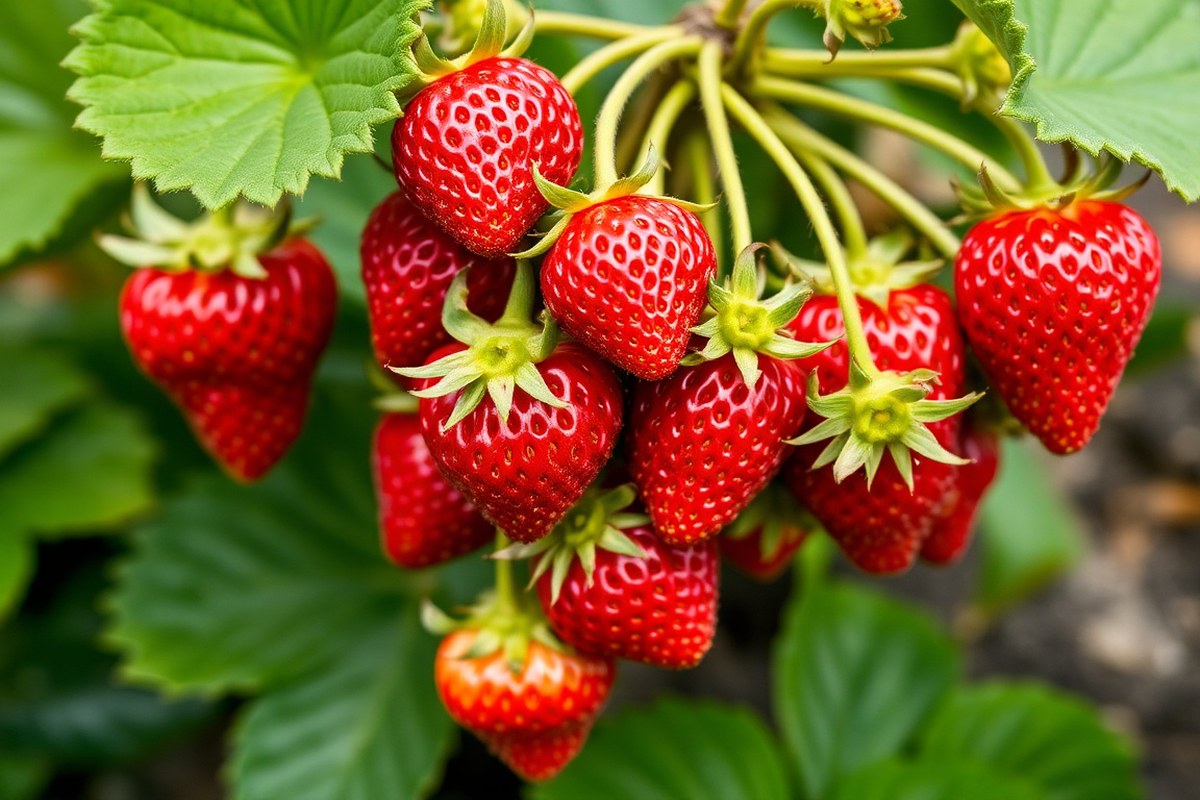
One strawberry plant can yield from 50 to 200 berries each season. That usually means about 0.5 to 1.5 pounds (227 to 680 grams) of fruit per plant. The exact amount depends on the plant variety and how you care for it.
Many gardeners get about 20 strawberries per plant on average. This adds up to nearly a quart of fruit. Yields can differ based on growing conditions.
Strong, healthy plants can push that number higher, sometimes reaching several dozen berries. The harvest usually spans three to four weeks when conditions are right.
Yields can change year to year because weather, plant age, and care vary over time. Strawberry plants often produce more fruit in warm, sunny weather. They make fewer berries during cool, wet seasons.
Weather greatly affects fruit amounts. You should remove old leaves and control runners regularly.
This keeps plants healthy and productive each year. Good upkeep helps steady fruit production.
How Different Strawberry Varieties Affect Yield and Harvest Frequency
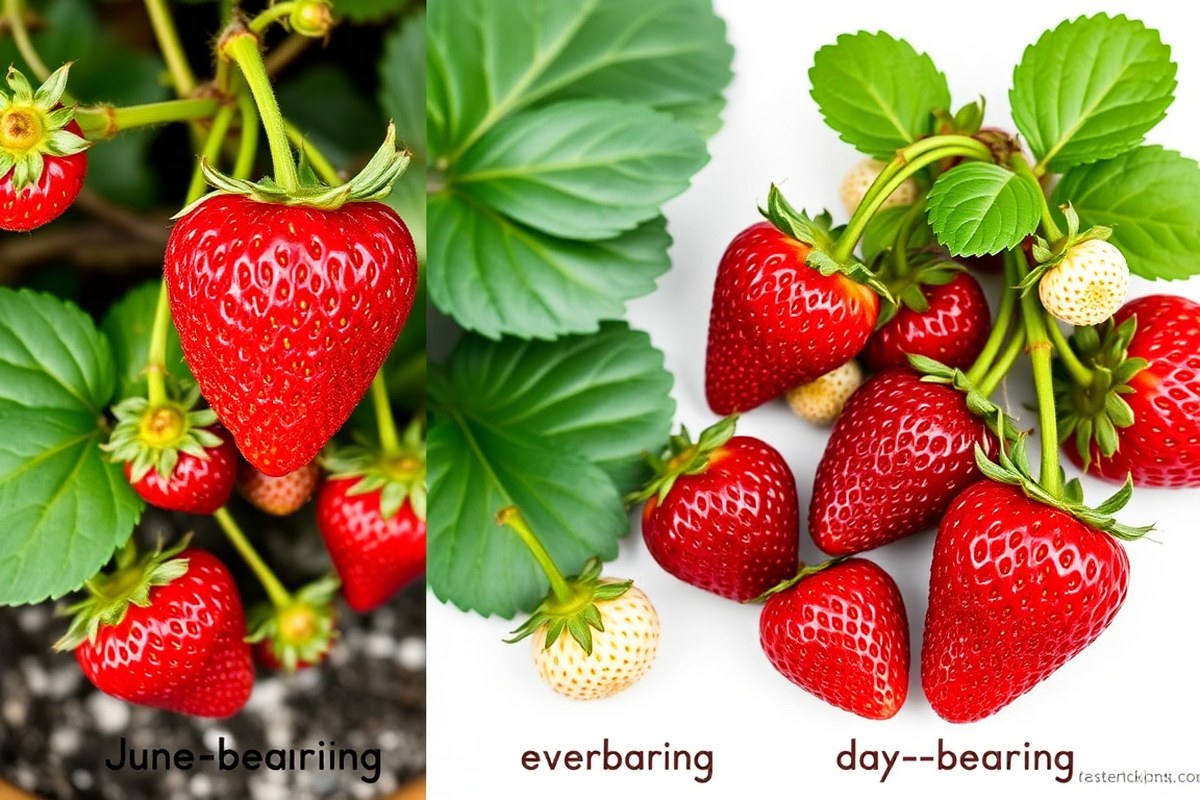
Strawberry variety greatly influences how many berries you get and when you pick them. June-bearing plants yield more fruit at once but only once a year. Everbearing and day-neutral types spread out harvests, giving you berries multiple times during the season.
June-Bearing Varieties: Season and Yield
June-bearing strawberries produce one large harvest lasting 4 to 6 weeks, usually in spring. They often deliver the highest yield per plant, around 1.2 to 1.5 pounds (0.54 to 0.68 kg). These varieties send out many runners, which can help you grow more plants in following years.
Varieties like Chandler and Allstar are known for high yields and great flavor. They need well-timed care because the entire crop comes in a short window. Heat and diseases can reduce fruit quality if you don’t manage plants carefully.
Everbearing Varieties: Multiple Small Harvests
Everbearing varieties produce fruit in small waves. Usually, there’s a spring crop. They also have a smaller fall harvest.
Each plant yields around 1.2 pounds (0.54 kg) across the season. They suit gardeners who want fresh berries spread out over time instead of one big harvest.
These plants create fewer runners, which is better for small spaces or container gardens. They prefer cooler zones (4, 8) and need good soil and nutrition for best results. You can expect multiple picks but fewer berries compared to June-bearers.
Day-Neutral Varieties: Continuous Fruiting Patterns
Day-neutral strawberries bear fruit almost continuously from late spring to fall. They produce smaller harvests every 1 to 3 days across months, yielding about 0.7 to 1.0 pounds (0.3 to 0.45 kg) per plant. This steady output fits gardeners wanting regular fresh berries.
Day-neutral types like Seascape and Tristar need regular feeding. They do best with liquid organic fertilizer. Feed them every 3 to 4 weeks.
These plants don’t rely on stored nutrients. They keep flowering if temperatures stay between 35°F and 85°F. So, they can fruit for a long time. These plants give you frequent but smaller harvests than June-bearers.
| Variety | Type | Avg Yield per Plant (lbs) | Avg Yield per Plant (kg) | Fruiting Season |
|---|---|---|---|---|
| Chandler | June-bearing | 1.5 | 0.68 | Spring |
| Seascape | Day-neutral | 1.0 | 0.45 | Spring to Fall |
| Tristar | Day-neutral | 0.8 | 0.36 | Continuous |
| Ozark Beauty | Everbearing | 1.2 | 0.54 | Spring & Fall |
| Allstar | June-bearing | 1.4 | 0.64 | Spring |
Knowing your variety helps plan your garden for fruit quantity and picking times. June-bearing plants give a big crop all at once. This is great for freezer use or making jam.
You get a lot of fruit at the same time. Everbearing and day-neutral types suit those who want fresh berries often.
Even if the total fruit pounds are lower. They give more frequent harvests.
Avoid crowding June-bearing plants. Tight spacing lowers per-plant yield and airflow, increasing disease risk.
Essential Growing Conditions That Maximize Strawberry Yield
Growing strawberries successfully means paying close attention to sunlight, soil, water, and space. Each factor influences how many berries your plant will produce and how large those berries get. You can help your plants reach their fruiting potential.
Set them up with the best conditions. That way, they produce more fruit.
Sunlight Requirements for Optimal Fruit Set
Strawberries need six to ten hours of direct sunlight daily to produce well. Sunlight fuels the photosynthesis process that develops flowers and fruit. Without enough sunlight, plants may produce fewer, smaller berries or none at all.
Good sunlight also helps reduce disease risks by keeping plants dry and healthy. Choose a planting spot that avoids shade from trees, buildings, or fences. Morning sun is especially helpful because it dries dew early and encourages strong growth.
Soil pH and Drainage Essentials
Strawberries prefer soil pH between 5.5 and 6.5 for best nutrient uptake. Soil that is too acidic or alkaline can stunt growth and lower yields. You can test soil pH with a kit from a garden center before planting.
Drainage is just as important. These plants don’t tolerate soggy feet, and waterlogged soil can cause root rot.
Plant on raised beds or amend clay soil with compost and sand to improve drainage. Well-drained soil also warms faster in spring, encouraging early fruit set.
Watering Frequency and Amount
Consistent watering is key during flowering and fruit development. Aim to provide about 1 to 1.5 inches of water per week. You can tell this by rain plus supplemental irrigation over seven days.
Water early in the day to avoid wet leaves overnight, which invite fungal diseases. Using drip irrigation or soaker hoses helps apply water directly to the soil. Avoid overhead watering to keep foliage dry and prevent mold.
- Check soil moisture regularly by feeling the top 1-2 inches
- Water more often in hot, dry weather or sandy soil
- Reduce watering slightly after harvest to let plants rest
- Use mulch to retain moisture and keep roots cool
- Adjust watering schedule depending on rainfall amount
Underwatering stalls fruit growth and causes bitterness. Overwatering encourages disease and weak fruit. Maintaining steady moisture helps plants produce more and better berries.
Recommended Plant Spacing for Maximum Yield
Space strawberry plants 12 to 18 inches apart to balance fruit size and number. Crowded plants compete for sunlight and water, reducing berry quality. Leave at least 12 inches between plants in rows 2 to 3 feet apart.
Proper spacing allows good air circulation to lower disease risk. It also makes weeding and harvesting easier. Runners should be managed by pruning or spacing to avoid overcrowding and keep plants productive.
How Fertilization Influences the Number of Strawberries Produced
Strawberry plants need balanced nutrients to make plenty of good fruit. Nitrogen helps leaves grow, phosphorus builds roots and flowers, and potassium supports fruit size and taste. Without enough of these, plants produce fewer strawberries or smaller berries.
Day-neutral and everbearing varieties need fertilizer often during fruiting. Apply a balanced fertilizer every four to six weeks from spring through summer. For example, use a 10-10-10 or 14-14-14 fertilizer at half strength to avoid burning plants.
Over-fertilizing causes lush leaves but few fruits. Too much nitrogen directs energy to leaves, not berries. It can also raise disease risks and harm soil health over time.
Organic fertilizers like compost or manure release nutrients slowly. They match commercial fertilizers in yield if applied regularly and mixed well into soil. Organic options improve soil quality but may need more frequent application.
Follow these steps to fertilize strawberry plants right and maximize fruit numbers:
- Test your garden soil to check nutrient levels and pH.
- Choose a balanced fertilizer suited for strawberries, like 10-10-10 or organic compost.
- Apply fertilizer when plants start growing leaves each spring.
- Feed every four to six weeks during fruit development to support continuous growth.
- Use about 1 cup of fertilizer per 10 square feet of bed or per 6-8 plants.
- Water after fertilizing to help nutrients soak into roots.
- Stop feeding as plants finish fruiting to prevent late-season leaf growth.
- Monitor plants for yellowing or dark leaves; cut back fertilizer if spotted.
Good care means roots absorb nutrients well and strawberries grow full-size. You may see more flowers, larger berries, and a longer harvest season. Avoid strong fertilizer smells or wilting leaves, which show excess nutrients.
Understanding How Strawberry Plants Produce Fruit over Their Lifespan
Understanding How Strawberry Plants Produce Fruit over Their Lifespan
Strawberry plants start with modest fruit in their first year. They reach their best production in the second and third years. After about four years, their yield falls sharply and it’s time to think about replacing them.
First-Year Production Expectations
Strawberry plants often produce some fruit during their first growing season. However, the harvest is usually lighter, with most plants giving between 30 and 80 strawberries. This happens because the plants are still establishing roots and crowns.
First-year berries tend to be smaller and less abundant than in later years. First-year plants often don’t give you a full harvest. You usually wait until the next year.
Then, you get more fruit from them. Some home gardeners skip fruiting in year one to help plants build a stronger foundation.
Peak Yield: Second and Third Years
The second and third years are the sweet spot for strawberry production. Plants usually produce 80 to 150 strawberries each season. Their roots and crowns have thickened, supporting more flowers and fruit.
This period offers the best balance of plant energy and fruit output. Proper care like regular watering and disease control helps maximize yields during these years. Home gardeners often plan to enjoy their largest harvests during this timeframe.
Watch your plants during these growing years. Good care brings many berries. Your attention pays off with a better harvest.
Decline and Retirement: Years Four and Beyond
After the third year, strawberry plants’ vigor starts to drop off. You’ll see fewer flowers and smaller harvests, which continue declining after year four. Many gardeners replace their plants every 2 to 3 years to keep fruit production high.
Signs of decline include thinner leaves, weaker runners, and fewer berries. Disease and pests tend to take a bigger toll as plants age. Keeping plants beyond four years usually means sacrificing yield and fruit quality.
Replace strawberry plants every 3 years or when fruit quantity drops significantly.
How Runners Impact Strawberry Plant Productivity and Yield
Runners are the long, horizontal stems strawberry plants send out to make new plants. These runners develop daughter plants that can root nearby.
The mother plant spends energy growing runners. This can reduce the fruit it produces.
When strawberry plants produce many runners, the mother plant may produce fewer berries. This happens because the plant divides its energy between making runners and fruit. Removing runners can help the mother plant focus energy on producing more and larger strawberries.
Deciding whether to remove runners depends on your goals. To grow more strawberry plants, let runners root and create daughters. To get the biggest berry harvest, snip off runners right away.
- Check plants every week for new runners during the growing season
- Use sharp scissors to cut runners close to the mother plant
- Keep removing runners early before they root in the soil
- Leave some runners if you want to expand your patch
- Balance runner removal with plant health; don’t stress plants too much
A mother plant can make several daughter plants each year. Usually, it makes 3 to 5 or more. This depends on growing conditions.
Keep in mind, first-year plants might produce few runners or fruits until they are established. Snipping runners helps the plant put more energy into berries, increasing your harvest.
Runner management works best alongside other care like healthy soil, good watering, and pest control. Runners that root too close or in large numbers crowd the mother plant.
This limits airflow and leads to disease. Regular runner trimming helps keep plants productive and healthy over time.
Common Problems That Reduce Strawberry Yield and How to Fix Them
Strawberry plants often face diseases like powdery mildew, gray mold, and leaf spot. These diseases damage leaves and flowers, leading to fewer berries. To stop this, remove infected leaves and use fungicides labeled for strawberries.
Pests reduce fruit too. Spider mites, aphids, and slugs feed on plants and flowers, cutting yield.
Check leaves for tiny webs, sticky spots, or holes to catch pests early. You can use insecticidal soap or introduce beneficial insects like ladybugs to control them.
Poor watering and fertilization also hurt strawberry production. Overwatering causes root rot, while underwatering stresses plants. Use about 1 inch of water weekly, adjusting for rainfall.
For fertilizing, apply a balanced, slow-release fertilizer in early spring. Avoid too much nitrogen, it makes leaves grow but cuts fruit.
- Check plants weekly for discolored or damaged leaves
- Look under leaves for insects or webs
- Water evenly, aiming for moist but not soggy soil
- Fertilize once early in the season with 10-10-10 or similar
- Remove old runners to focus energy on fruit production
- Prune dead or unhealthy leaves promptly
- Use mulch to reduce weeds and keep soil moist
To diagnose issues quickly, compare your plant with healthy ones nearby. Look for fewer flowers or wilting.
You can test soil moisture with your finger, if dry beyond 2 inches, water. Inspect plants every few days during bloom to spot trouble fast.
Fixing these problems can cost about $10 to $30 for sprays or insecticidal soap. Benefits show up in 1 to 2 weeks with more flowers and better fruit set. If pests or disease persist, consider consulting a local extension agent for advice tailored to your area.
Estimating Strawberry Production in Different Garden Setups
In a 4×8 raised bed, you can fit 8 to 12 strawberry plants. The exact number depends on the plant size. Larger plants mean fewer spots.
Space your plants about 12 to 18 inches apart. This space helps them grow well. It also allows enough room to produce fruit.
How you space plants changes your berry harvest. Each strawberry plant makes a certain amount of berries each season. More space means fewer plants, so fewer berries total.
Imagine planting 10 strawberry plants in your 4×8 bed. Each plant makes 150 berries in a season. Together, you get about 1,500 strawberries total.
The number can vary by variety; some produce larger berries but fewer per plant. Choosing a compact, everbearing variety is smart when you have limited space and want consistent harvests.
In a smaller 4×4 bed, you’ll fit fewer plants, around 4 to 6 depending on spacing. Start by picking your target number of strawberries to harvest. Knowing this helps plan your planting.
It makes choosing the plant count easier. To get 1,000 strawberries, you need around 7 plants. Each plant produces about 150 berries per season.
Multiply 7 plants by 150 berries for your total. Adjust your bed size or plant spacing accordingly to meet that goal.
Plant spacing is key since cramming them too close reduces airflow and fruit size. Use everbearing or day-neutral strawberry types in small spaces. These varieties keep making berries even if plants stay small.
They work well when space is tight. Rotate your planting spot after each season to avoid diseases like Verticillium wilt, which affects yields.
First, decide how many strawberries you want. Then, choose your plant count based on your variety’s average yield. This way, you grow just the right amount.
Step-by-Step Action Plan to Maximize Your Strawberry Harvest
Follow these steps to boost your strawberry plant yield and enjoy more fruit this season.
- Before planting: Choose a high-yield variety suited to your climate. Check its seed packet or plant label for expected fruit size and harvest frequency.
- Planting day: Pick a sunny spot with well-drained soil. Test soil drainage by digging a hole and filling it with water. It should drain in 1 to 2 hours.
- Week 1: Add balanced fertilizer rich in nitrogen and potassium. Look for healthy green leaves and new growth after 2 weeks as signs it worked.
- Month 1: Mulch around plants with straw to retain moisture and reduce weeds. Check soil moisture weekly and water deeply when dry.
- Week 6: Trim runners to focus energy on fruit production. You’ll see sturdier crowns and bigger berries in the next harvest.
- Month 2 to 3: Watch for pests like slugs or aphids. Use organic controls if needed. Healthy leaves and no damage mean your plants are safe.
- Mid-season: Harvest ripe strawberries regularly to encourage more fruit. Pick all red berries every 2 to 3 days.
- End of season: Cut back faded leaves and remove dead plants. Plan to replace older plants next year for consistent yield.
Frequently Asked Questions
How Many Strawberries Can One Healthy Plant Produce in a Good Season?
A healthy strawberry plant can produce 10 to 30 berries per season. This varies with care, variety, and growing conditions around it.
What Is the Average Weight of Fruit from One Strawberry Plant?
A single strawberry plant can yield about 0.5 to 1.5 pounds of fruit per season. Weight depends on variety and how well you care for the plant.
How Does the Number of Runners Affect the Plant’s Strawberry Production?
More runners can lower fruit yield as the plant’s energy splits. Managing runners helps balance new plant growth and fruit production.
How Long Does a Strawberry Plant Typically Produce Fruit?
Most strawberry plants produce fruit well for 3 to 4 years. After that, yields usually drop, so plan to replace plants every few seasons.
Can One Strawberry Plant Provide Enough Fruit for Freezing?
About 20 strawberries from one plant can yield roughly a quart, enough for small freezing batches. Growing multiple plants is better for larger amounts.
How Many Strawberries Does a June-Bearing Plant Produce Each Season?
A June-bearing plant usually produces about 0.5 to 1 pound of fruit. This equals about 20 to 30 berries, depending on care and soil quality.
The Bottom Line
One strawberry plant can produce dozens of berries each season with proper care. Start by picking the right variety and managing runners. Then, water and feed your plants well for a fruitful harvest.