What Are Plants That Come Back Every Year Called? A Complete Guide to Perennials
What are plants that come back every year called? They’re called perennials.
Perennials grow from the same roots year after year, dying back in winter. This means you don’t need to replant them every spring.
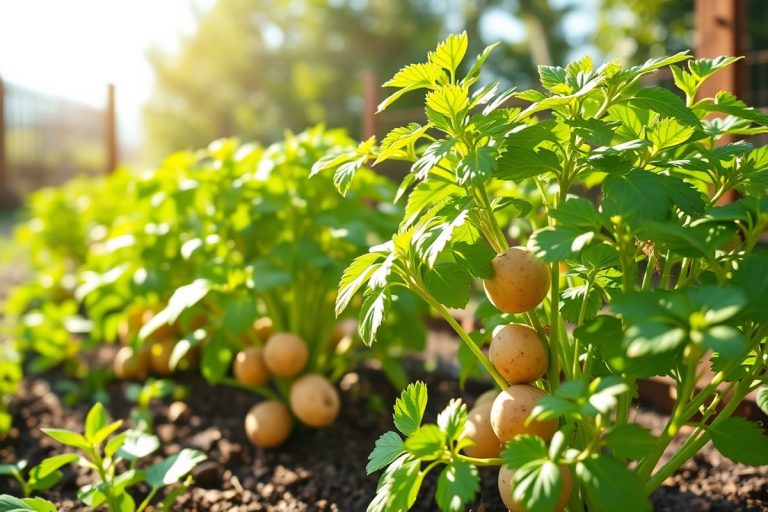
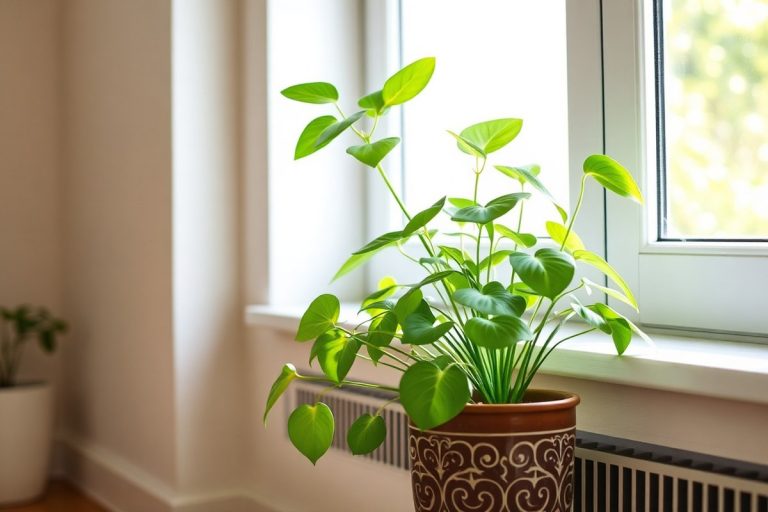
These plants often have bright green leaves and can grow up to 3 feet tall. They save you time and money. You plant them once.
Then enjoy them many seasons. Watch for the right growing conditions, so your perennials come back strong each year.
When perennials don’t return, the issues usually come down to four causes, not just bad luck. Knowing this helps you prevent problems and keep your garden thriving. Start by choosing healthy plants and checking soil and watering habits.
Key Takeaways
- Perennials regrow from the same roots every year without replanting.
- They usually die back in winter and grow again in spring.
- Select perennials with good root health for better survival chances.
- Watch soil moisture and drainage to keep perennials thriving.
- Common failures come from pests, water stress, soil problems, or planting errors.
- Bright green foliage and 3-foot height are typical for many perennials.
What Are Plants That Come Back Every Year Called?
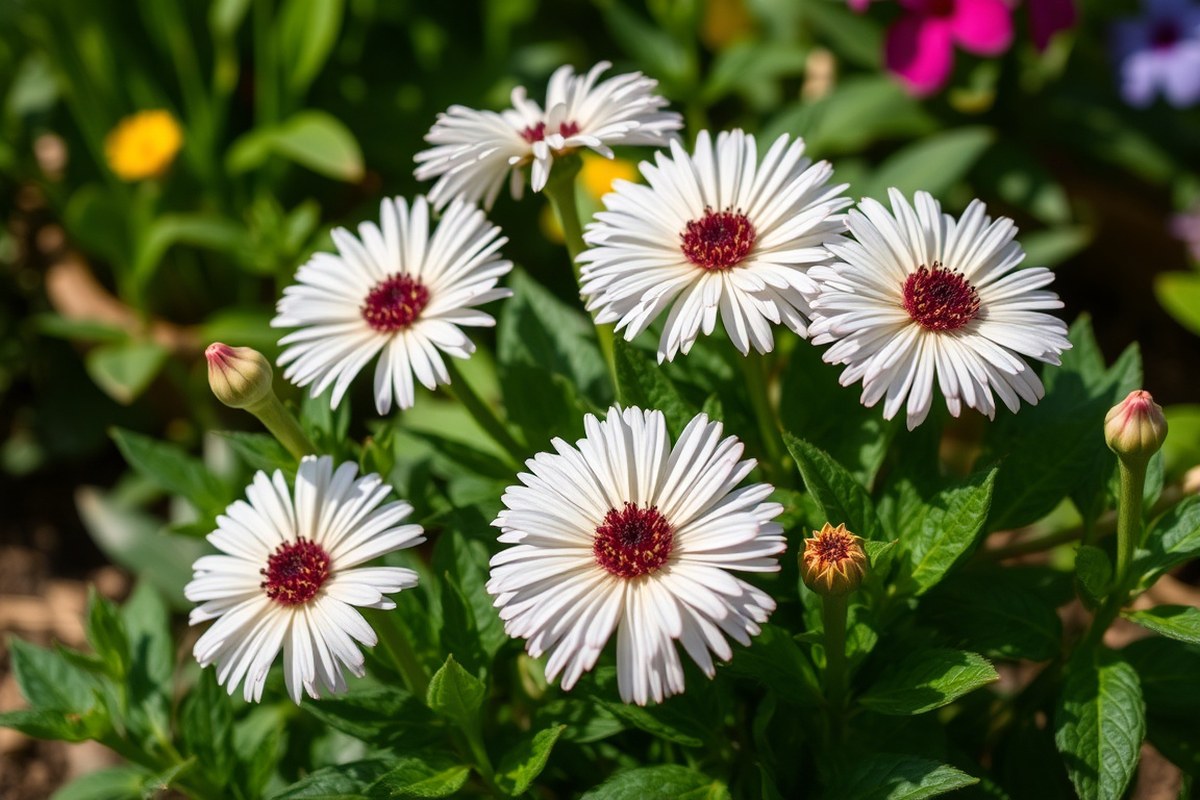
Plants that grow back each year are called perennials. Annuals live and die within one season.
But perennials regrow from same roots every spring. Biennials grow leaves the first year and bloom the second year.
The secret to perennials’ yearly return lies in their root systems. During winter, their above-ground parts often die back. However, roots, bulbs, or underground stems survive cold weather and start new growth when temperatures rise.
This regrowth process means you don’t need to replant perennials every year, saving time and money. Perennials still need care like trimming dead parts. Mulching helps protect their roots from cold or dry weather.
This care keeps your plants healthy over winter. A perennial failing to return often shows signs of pests, disease, poor soil, or harsh weather. It’s rarely random chance causing the problem.
How Do Perennials Grow and Survive Year After Year?
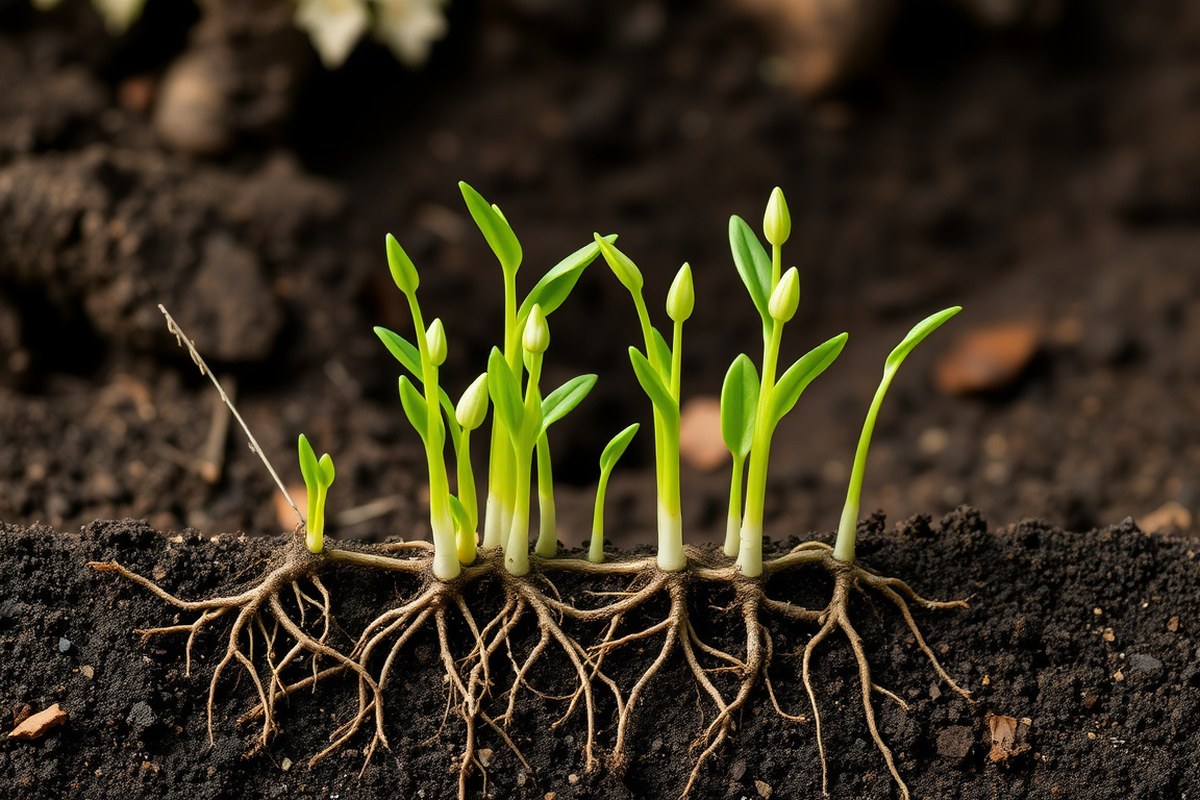
Perennials survive winter by relying on strong root systems and underground parts. These roots store energy, often as carbohydrates, allowing plants to regrow after cold months.
Many perennials enter a dormancy phase where their above-ground growth dies back. But their roots stay alive below the frost line.
During dormancy, perennials slow their metabolism and conserve resources. Root structures like thick rhizomes or tubers act as energy banks. In spring, temperatures rise and daylight increases.
The roots use this energy. It triggers new shoots and leaves. That stored energy helps the plant recover quickly and grow strong.
Perennials usually go through a yearly cycle of growth, dormancy, and regrowth. In the growing season, they produce leaves, flowers, and seeds. As fall arrives and days shorten, they withdraw nutrients from the leaves into their roots.
The leaves then die back, signaling the start of dormancy. This cycle lets perennials adapt to changing seasons and environmental stress.
Choose perennials suited for your USDA Hardiness Zone to ensure their dormancy cycle matches local winters.
Popular Perennial Plants for Every Garden Type
Perennials are plants that come back every year and suit many garden types. Knowing their light and soil preferences helps you pick the right one. Some bloom for months, while others add texture or color in shade or sun.
Full Sun Perennials
Perennials that thrive in full sun need about six or more hours of direct sunlight. Coreopsis and echinacea are top choices that do best in well-drained soil. These plants handle dry spells once established, making them great for low-maintenance gardens.
Geraniums also flourish in full sun. Siberian iris grows well here too, as long as the soil is rich but drains well. They offer strong blooms and add height and structure to your garden.
Shade-Tolerant Perennials
Plants like astilbe and hosta are perfect for gardens with partial to full shade. Astilbe blooms where sunnier plants might fail, preferring moist and rich soil. Hostas like morning sun but need protection from harsh afternoon rays.
Bleeding heart grows well in full to partial shade and likes moist, well-drained soil. These shade lovers add softness and color in areas where sunlight is limited. Keeping soil evenly moist helps them stay healthy.
Long-Blooming and Pollinator-Friendly Perennials
Shasta daisies and pinks bloom for a long time, covering early summer through late season. Lavender attracts pollinators with its fragrant flowers and does well in fast-draining soil under full sun. Their scents bring life to your garden while requiring little care.
Bee balm resists deer and supports pollinators too. Phlox comes in ground cover or tall varieties, providing continuous color and interest. These options keep your garden lively across multiple seasons.
Here’s a quick look at some popular perennials and their needs:
| Perennial | Sun Need | Soil Preference | Notes |
|---|---|---|---|
| Coreopsis | Full sun (≈6+ hrs) | Well-drained | Tolerates dry, blooms best in sun |
| Echinacea (Coneflower) | Full sun to light shade | Well-drained | Avoid wet, mucky soils; 6, 8 hrs sun for blooms |
| Hosta | Partial/full shade (morning sun ok) | Moist, well-drained, loamy | Keep evenly moist; avoid harsh afternoon sun |
| Astilbe | Full to partial shade | Moist, organically rich | Flowers reliably in shade areas |
| Bleeding Heart | Partial to full shade | Moist, well-drained, rich | Tolerates full shade, delicate flowers |
| Siberian Iris | Full sun to partial shade | Rich, well-drained | Rhizome root structure; adds height and color |
Use this table to pick perennials that fit your garden’s sun and soil. Think about how much care you want to give. Some plants like daylilies and lavender need little attention but add big impact.
Planting and Care Tips for Healthy Perennials
Healthy perennials need the right care from the start. Proper planting, watering, and feeding set up your plants for success. Seasonal steps like mulching and cleaning help them stay strong through the year.
Follow these steps to give your perennials a solid foundation and keep them thriving:
- Test and prepare the soil: Dig a hole 12 inches deep. Fill it with water. Watch how fast it drains. Add compost or sand if the water drains too slowly. This improves drainage. Mix 2 to 3 inches of compost into the top 6 inches of soil. This adds nutrients. It also improves soil texture.
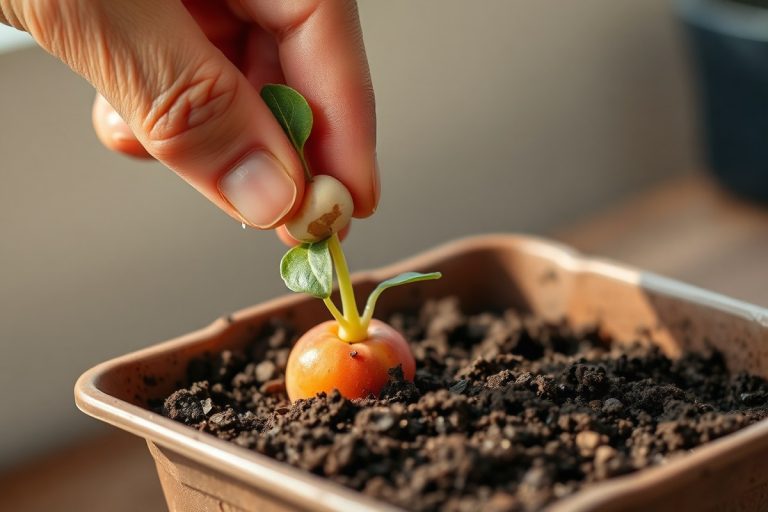
- Plant at the right time: Early spring or early fall are best. Soil temperatures should be between 50°F and 70°F to help roots grow well. Plant perennials at the same depth as their pots. Water them right after planting.
- Water deeply but infrequently: Give new plants 1 inch of water weekly. This is important during the first growing season. Use a soaker hose or drip irrigation to wet the soil. Avoid wetting leaves to prevent disease.
- Fertilize sparingly: Use balanced fertilizer with equal nitrogen, phosphorus, potassium. Apply it once in early spring. After that, feed only if the plant shows poor growth or pale leaves to avoid over-fertilizing.
- Mulch seasonally: Put down 2 to 3 inches of organic mulch around plants. Do this in late fall. This protects roots from freezing and keeps moisture steady in summer.
- Clean up in early spring: Remove dead leaves and debris. This helps stop pests and new shoots grow better. Cut back old growth but avoid tearing stems rapidly as it can damage crowns.
- Divide every 3 to 5 years: Dig up plant clumps in spring or fall. Choose when soil is cool. Pull apart roots carefully to create multiple smaller plants, then replant to keep your perennials vigorous.
Proper soil preparation ensures roots can spread easily, which boosts plant health. Watering too often or too little will stress plants and reduce blooms. Fertilizing just enough encourages growth without burning roots or causing weak stems.
Planting during cooler parts of the year prevents heat stress. Mulching keeps moisture steady and protects against temperature swings. Removing old growth cuts disease risk.
It keeps your garden tidy. It helps plants grow well each season.
When and How to Divide or Propagate Perennials
Dividing perennials keeps them healthy and vigorous. It stops overcrowding and renews growth every few years. Knowing when and how to divide helps your garden thrive.
Signs Your Perennials Need Division
Perennials that come back every year may slow down if overcrowded. Leaves may look smaller or flower production will drop.
Some plants develop a bare center, where new shoots stop growing. These signs mean your perennial needs splitting to stay healthy.
Tools and Techniques for Dividing Plants
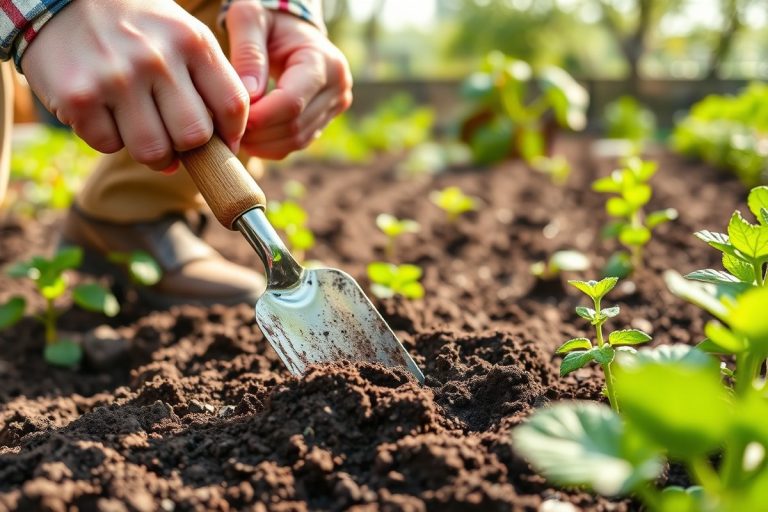
Use a sharp spade or garden knife to dig and cut clumps apart. Clean tools help prevent disease spread between plants. Here is a simple way to divide perennials:
- Dig around the base carefully to lift the whole clump from soil.
- Gently shake or wash soil from roots to see where to cut.
- Slice the clump into pieces with roots and shoots on each.
- Trim any damaged or dead roots cleanly before replanting.
- Replant the divisions quickly, spacing them properly for air and light.
- Water the new plants deeply right after planting.
- Add mulch to keep soil moist and temperature steady.
Don’t divide during very hot, dry weather; it stresses plants and can reduce success.
Best Seasons for Propagation
Early spring and late summer are the best times to divide perennials. Soil moisture is higher, and temperatures are cooler then.
Dividing every 3 to 5 years fits most perennial types. Bulbs might need division more often, about every 2 years, to avoid crowding.
Common Perennial Problems and How to Fix Them
Common Perennial Problems and How to Fix Them
Perennials sometimes fail to come back because of pests, diseases, or poor care. These issues weaken the plants or damage roots before winter ends. Knowing what to look for helps you fix problems early and keep plants strong.
Pests like aphids, slugs, and spider mites often attack perennials. You might see holes in leaves, sticky residue, or tiny bugs crawling.
Diseases show up as spots, discoloration, or wilting. Check leaves, stems, and soil around the plant carefully.
Cultural problems often hurt perennials too. Overwatering may cause root rot, while too little water dries plants out.
Planting in the wrong spot blocks sunlight or causes poor drainage. Poor soil quality drains nutrients, so plants struggle to grow.
- Look closely for pests and use insecticidal soap or handpick bugs.
- Remove diseased plant parts and avoid overhead watering to stop spread.
- Keep soil moist but not soggy; water deeply a couple times a week.
- Plant perennials where they match sun and soil needs.
- Add compost or organic mulch to improve soil and retain moisture.
- Divide crowded plants in early spring to encourage healthy growth.
- Clean up fallen debris to reduce disease and hideouts for bugs.
Checking plants every week lets you catch pests and diseases quickly. Treating small problems stops bigger damage. A healthy environment makes perennials stronger and more likely to return each year.
Designing a Perennial Garden for Year-Round Interest
To plan a perennial garden with blooms all season, pick plants with different flowering times. Mix layers of height and texture for interest. This approach keeps your garden colorful longer.
This approach keeps your garden colorful and interesting from spring through fall. Adding native and pollinator-friendly perennials brings eco benefits and supports local wildlife.
Layering by Height and Bloom Time
Start with tall perennials in the back, like purple coneflowers, to form a strong backdrop. Add medium-height plants such as bee balm in the middle for mid-season color and interest. Finish with low groundcover or edging plants like creeping phlox at the front for continuous blooms.
Stagger bloom times by mixing early, mid, and late bloomers. For example, plant hellebores or daffodils for early spring color. Plant cardinal flower for midsummer spikes that last until September.
Follow with chrysanthemums to add color late in the season. This sequence extends your garden’s bloom time.
Mixing Leaf Textures and Flower Forms
Combining different leaf shapes and flower styles adds depth to your garden scene. Plant feathery leaves next to bold, broad ones to create visual contrast. Pair dome-shaped blossoms with tall, spiky flowers to build dramatic layers.
Diversity keeps the garden lively even when some plants aren’t blooming. Varied textures protect your garden’s look through fading seasons. This mix also attracts more pollinators by providing multiple types of food sources.
Using Native Plants for Eco-Friendly Gardens
Native perennials like bee balm or cardinal flower support local bees, butterflies, and hummingbirds. These plants usually need less water and care because they’re adapted to your climate. Including them makes your garden more sustainable and resilient.
Choose native plants that bloom at different times for steady pollinator visits. Space your perennials based on their mature size to prevent crowding. Crowded plants can become weak and unhealthy.
Proper spacing helps each plant grow strong and healthy. A well-planned native garden creates habitat and offers year-round beauty.
How Climate and Soil Affect Perennial Selection and Success
Knowing your USDA hardiness zone is key when picking perennials. Zones show the coldest temperatures your garden can expect each year. Pick perennials rated for your zone to keep them healthy through winter.
Soil type and pH play a big role in plant health. Some perennials thrive in acidic soil with pH below 6.5.
Others prefer neutral to slightly alkaline soil. Check your soil pH with a test kit before planting.
Moisture needs vary too. Many popular perennials need steady moisture and struggle in drought.
Others tolerate dry spells but may need extra watering in hot months. Matching plants to your garden’s moisture level saves time and hassle.
| Factor | Key Details | Example Perennials |
|---|---|---|
| Hardiness Zone | Use plants rated for your zone (e.g., 3-8) | Daylilies (3-9), Coneflowers (4-9) |
| Soil pH | Acidic (below 6.5), Neutral (6.5-7.5), Alkaline (7.5+) | Blueberries (acidic), Lavender (alkaline) |
| Moisture Level | Constant moisture, drought-tolerant | Astilbe (moist), Sedum (dry) |
| Microclimate | Shade, sun, wind protection | Hostas (shade), Blanketflower (full sun) |
Microclimates like shady spots or sheltered corners affect plant choice. Place shade-loving perennials where they get less sun. Give sun-lovers a bright spot to avoid weak growth.
Pay attention to each plant’s moisture needs to avoid over- or under-watering.
Adjust watering and soil amendments based on what your perennials prefer. For example, add organic matter to sandy soils to help moisture retention. Mulch helps keep soil temperature stable and retains water during hot spells.
Step-by-Step Action Plan for Growing Perennials
Here’s a simple plan to help your perennials thrive and return every year. Follow these steps for a healthy, colorful garden.
- Before planting: Test your soil’s pH and improve it with compost. Healthy soil means better perennial growth.
- Planting day: Choose the right perennial for your climate and garden type. Check local planting guides to match your zone.
- First week: Water your new plants daily but avoid soggy soil. You’ll see firm roots and leaves staying green.
- After 1 month: Apply a balanced fertilizer once. Leaves and stems will look fuller and stronger.
- After 3 months: Watch for signs of pests or disease. Spot treat early to stop spread.
- End of first year: Divide crowded perennials to boost growth next season. New shoots should appear in spring.
- Each season: Cut back dead or diseased foliage late fall. This prepares plants for winter rest.
- Every spring: Mulch with organic material to hold moisture and reduce weeds. Look for fresh growth soon after.
Frequently Asked Questions
What Are Plants That Come Back Every Year Called?
Plants that regrow yearly are perennials, dying back in winter but returning from the roots each spring.
Why Do Some Perennials Fail to Come Back After Winter?
Most perennial failures happen due to poor soil, wrong location, improper watering, or pests. Checking these factors helps your plants thrive longer.
Can Perennials Bloom All Year Round?
Some perennials bloom for many months but rarely all year round. You can plant a mix to keep blooms through different seasons.
Are All Plants That Return Yearly Flowers?
Not all; some perennials are leafy or grass-like but still come back. Foliage perennials add texture and color beyond flowers.
Do Perennials Need Dividing Every Year?
Perennials don’t always need yearly dividing. Usually, dividing every 2 to 4 years helps maintain vigor and shape.
Is It Better to Plant Perennials or Annuals for Low Maintenance?
Perennials generally need less yearly work since they come back. They save money and time compared to replanting annuals each spring.
Before You Go
Plants that grow back yearly are known as perennials. They cut down garden work and bring ongoing color. Plant a perennial this season and enjoy its growth each year.