How Often to Water Calla Lily Plant: Expert Tips for Thriving Lilies
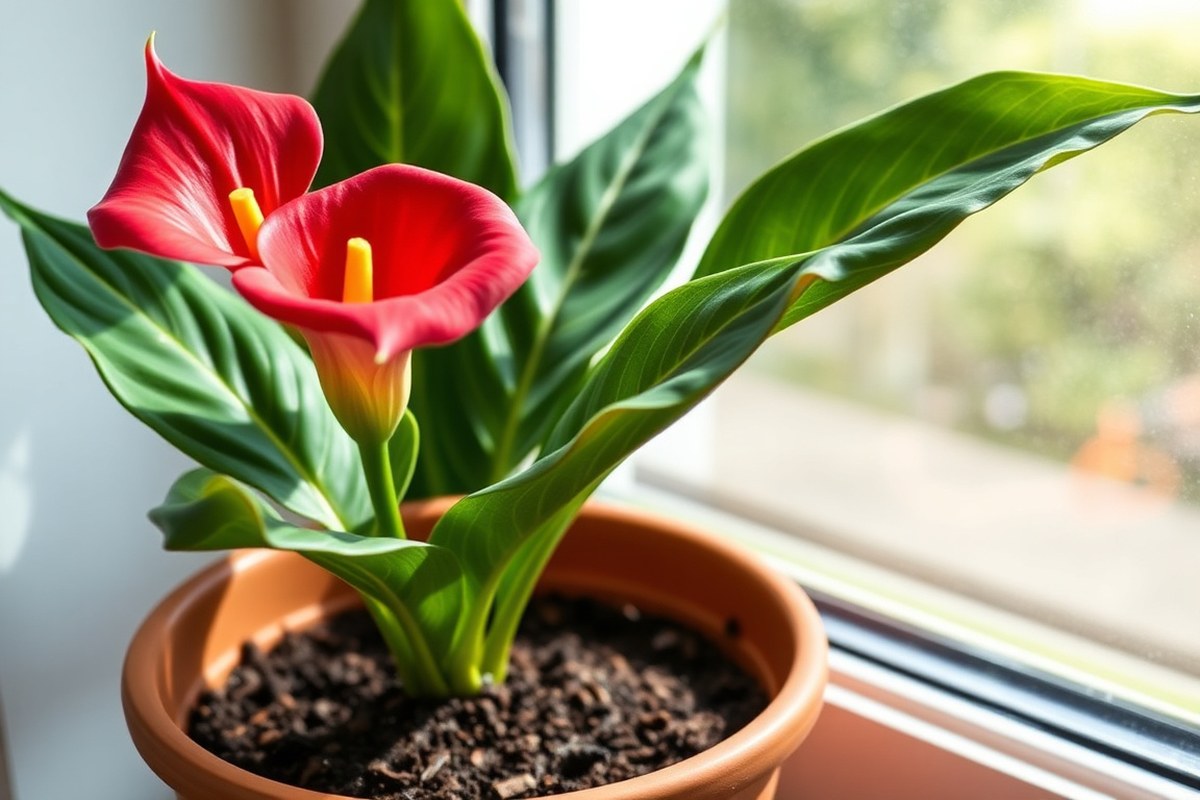
How often to water calla lily plant depends on whether it’s indoors or outside. Usually, these plants need watering when the top inch of soil feels dry. That is about every 5 to 7 days during active growth and flowering.
Calla lilies in warm weather need water every 2 to 3 days. This applies especially during summer or outside. Check soil moisture regularly to decide watering time.
Make sure your pot has good drainage to avoid water pooling. Standing water can cause root rot in the rhizomes.
Check soil moisture regularly by sticking your finger into the soil. Delay watering when the soil remains damp.
Keep checking before adding more water. Proper spacing and soil choice also help keep your calla lily happy and healthy.
Key Takeaways
- Let the top inch of soil dry out before watering your calla lilies. Test soil by touching it to know when to water.
- In summer heat, water potted calla lilies every 2 to 3 days.
- Always use pots with drainage holes to prevent water buildup.
- Empty any standing water in saucers after letting pots drain 15 minutes.
- Use rainwater or chlorine-free water to avoid leaf spotting.
- Adjust watering frequency down in autumn and winter; they slow growth.
How Often to Water Calla Lily Plants Indoors and Outdoors
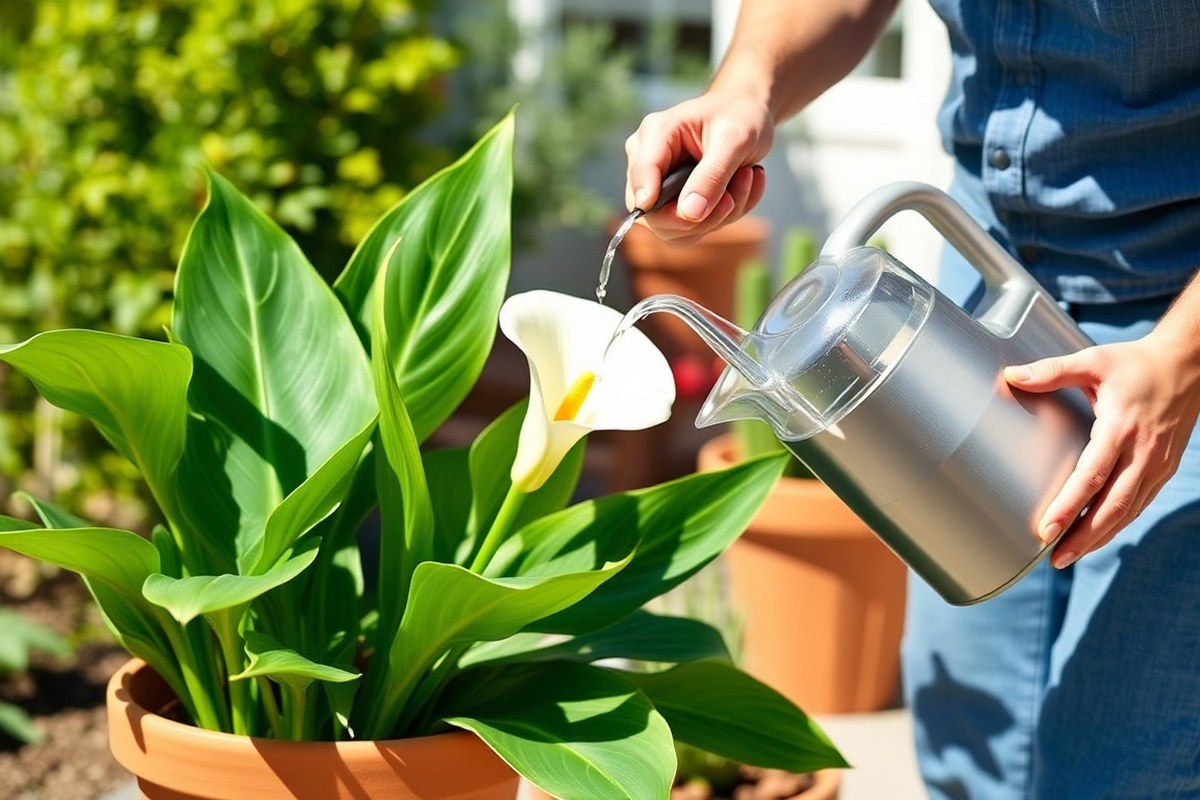
Calla lilies indoors usually need watering about once a week. Outdoor calla lilies require watering more often, especially in hot weather. Soil moisture, plant size, sunlight, and growth stage affect how frequently you water.
During active growth and flowering, keep the top inch of soil moist. Water when this soil layer feels dry, typically every 5 to 7 days.
After blooming, start cutting back watering when leaves turn yellow. Wait until the plant rests before reducing water more.
| Location | Growth Stage | Soil Moisture | Watering Frequency |
|---|---|---|---|
| Indoors (pot) | Growing/Flowering | Soil moist, top 1″ dry | About every 7 days, adjust for heat |
| Outdoors (ground) | Growing/Flowering | Soil moist, top 1″ dry | Every 3 to 5 days in sun, less shade |
| Indoors or outdoors | Post-bloom dormancy | Soil mostly dry | Once every 2 weeks or less |
Bright indirect light indoors helps soil dry at the right pace. Too much direct sun outdoors dries soil fast and harms your lilies. Use a moisture meter or check soil before watering to avoid mistakes.
Calla lilies grow from rhizomes and prefer moist soil but not soggy. Outdoors, watering every few days in summer works well.
But in cooler months, water less often. Indoors, weekly watering suits most pots unless heat or pot size changes drying speed.
How to Tell When Your Calla Lily Needs Water
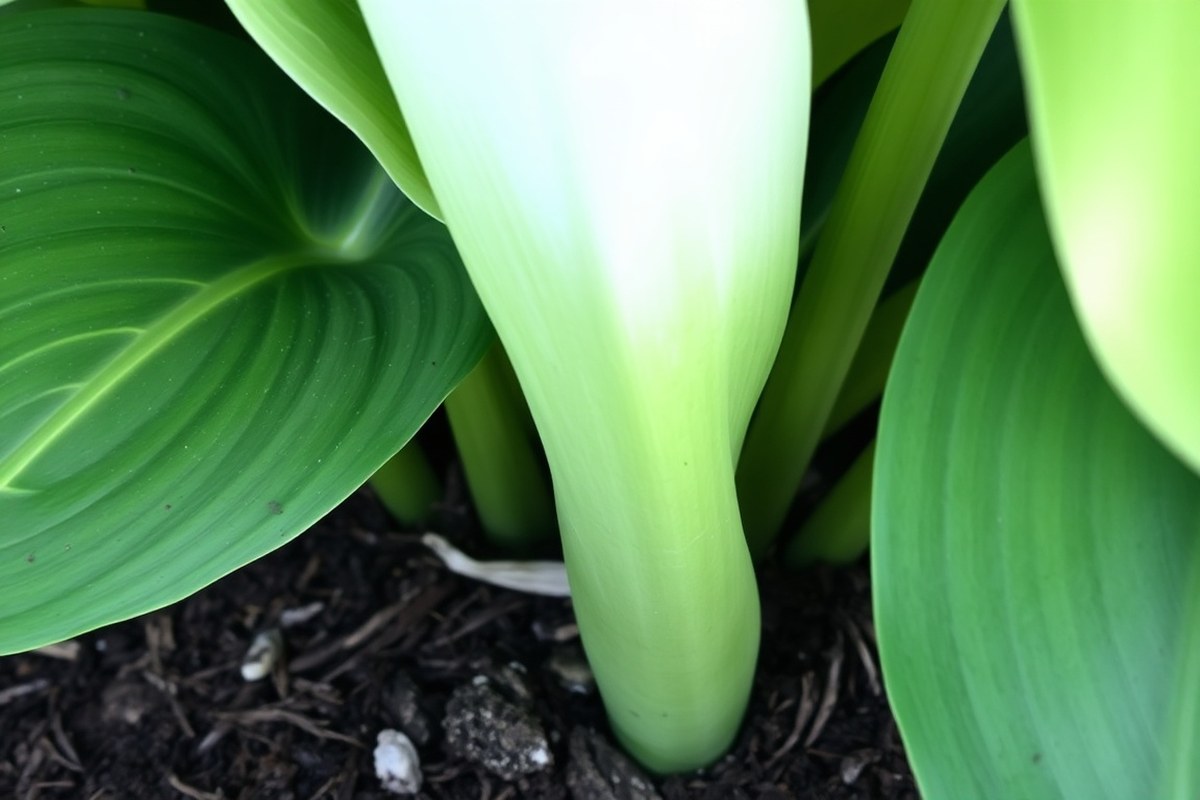
Calla lilies need water when their soil feels dry and leaves start to droop. You can check soil moisture by pressing your finger into the soil about an inch deep. Look at the plant’s leaves for drooping or browning tips to confirm if it’s thirsty.
Checking Soil Moisture by Touch
Stick your finger roughly one inch into the soil near the roots. When the soil feels dry this deep, water your plant. Soil that feels cool and slightly damp means hold off on watering.
Check soil moisture more often in hot weather. Also, do this if the plant grows in a small pot.
Outdoor calla lilies in full sun dry out faster than those in shade. In active growth, test every 2-3 days indoors and daily outdoors during heatwaves.
- Insert finger about 1 inch deep into soil
- Soil dry to touch means water is needed
- Soil damp or cool means hold off watering
- Small pots and hot spots dry faster
- Check more often during active growth
- In garden beds, check soil near roots
- Wait for surface inch to dry before watering again
Pressing soil gently with your finger is the simplest and fastest way to test moisture. Digging deeper than one inch isn’t necessary unless soil feels dry but leaves look unhealthy. Overwatering happens when soil never dries out below the surface.
Leaf and Stem Indicators of Thirst
Drooping leaves are an early, clear sign your calla lily needs water fast. Wilting usually means the soil is very dry.
Immediate watering helps avoid lasting damage. Brown, crispy edges on leaves often show longer periods of low humidity or underwatering.
Yellow leaves near the plant’s base can mean watering problems. This might happen if you water too much after dry spells.
Check the soil before watering yellowing leaves again. Healthy leaves hold firm and stay vibrant green.
Brown tips often signal underwatering. Mist leaves or increase humidity if you spot them early.
Watch stems for softness or shriveling, which also point to dehydration. These visual cues help you catch watering issues early without disturbing the soil.
Timing Watering to Morning Hours
Checking and watering your calla lily in the morning helps. The plant absorbs moisture before the day’s heat.
Watering in the morning reduces evaporation and supports healthy growth. Avoid late evening watering; damp soil overnight can invite root rot.
Morning watering keeps leaves dry through the day, cutting down on fungal risks. Try to water deeply enough for extra moisture to reach the roots below the surface. This encourages strong roots that resist drought stress.
Avoiding Overwatering and Root Rot in Calla Lilies
Overwatering calla lilies can cause root rot, a deadly problem. Sitting too long in waterlogged soil damages their roots and rhizomes. Avoid this by checking soil moisture and ensuring good drainage.
Common Symptoms of Overwatering
Leaves may turn yellow and fall off if the plant receives too much water. The foliage often looks droopy or wilts despite wet soil beneath. You might also notice a musty or foul smell from the base of the plant.
Root rot can make the rhizomes soft or mushy and sometimes discolored. Spots or mushy lesions near the plant’s base can signal bacterial soft rot, a severe disease. These symptoms appear early, so watching out helps save the plant.
- Yellowing leaves that drop unexpectedly
- Wilting or drooping leaves with moist soil
- Foul or musty smell near the plant base
- Soft or mushy rhizomes
- Dark spots or lesions on the stem base
Check your plant often to catch these signs early. Other issues like pests can cause similar symptoms, so inspect carefully.
Proper Drainage Practices for Pots and Beds
Use pots with drainage holes to stop water from pooling inside. Put a layer of gravel or small stones at the bottom. This helps the water flow better.
Add soil on top after the stones. For outdoor beds, choose raised areas or amend soil with sand to help water drain quickly.
Calla lilies need soil that dries lightly at the surface before you water again. Move plants if water pools around them after rain. This keeps roots from sitting in constant moisture, which invites rot.
Use well-draining potting mix tailored for calla lilies or similar moisture-loving plants. Avoid heavy soils or straight garden dirt that traps water.
Draining Excess Water from Saucers and Trays
Check saucers under pots daily, especially after watering or rain. Empty any standing water promptly to avoid soggy roots. Leaving water in trays encourages root rot and bacterial infections.
Water carefully when your plant is in a container without holes. Use a turkey baster or lift the plant to drain extra water. Avoid soaking the whole root ball again until it dries slightly.
Routinely tilt the pot to drain trapped water, if possible. Keep saucers clean to prevent mold or bacteria buildup, which harms the plant.
Watering Techniques: How to Water Calla Lilies Correctly
Water calla lilies with enough moisture to keep the soil evenly moist. Avoid soaking the plant too much or letting the soil dry out completely. Water only the soil to keep leaves dry and prevent disease.
Preparing Water and Choosing Suitable Water Type
Use room temperature water for your calla lily. Cold water can shock the roots and slow growth. Tap water is fine if it has no strong chemicals.
Avoid water with chlorine or fluoride. These can harm your plant.
Let water sit for 24 hours if you suspect it has chlorine. Rainwater or filtered water works well, especially for sensitive plants. Avoid hard water with high mineral content to prevent buildup in the soil.
Applying Water Evenly and Avoiding Leaf Wetting
Water at the base of your calla lily, targeting the soil directly. Avoid watering the leaves or flowers, as wet foliage promotes fungal growth and can cause disease. Pour water slowly to allow soil to absorb it evenly.
Use a watering can with a fine rose or a gentle spout to avoid splashing. Water enough to moisten the top 6 to 8 inches.
Don’t let water pool on the soil surface. Stop watering as soon as you see water draining from the pot’s bottom.
Using Soak Trays and Draining Excess Water
Bottom watering calla lilies can work well, especially indoors. Put the pot in a tray with 1 to 2 inches of water. Let it soak up moisture from the bottom.
Leave it for about 20 to 30 minutes. This encourages deep root growth without wetting foliage.
After soaking, remove the pot and drain any leftover water to prevent root rot. Repeat bottom watering once the top inch of soil feels dry. Use soak trays mainly for potted plants, not outdoor garden calla lilies.
- Check soil moisture by inserting your finger 1 inch deep in the soil.
- Check if the soil feels dry. Use room temperature water without chlorine.
- Water slowly at the base, aiming for the soil, not leaves or flowers.
- Pour enough water to wet 6 to 8 inches of soil. Stop when water drains out of the pot.
- Fill a tray with 1 to 2 inches of water for indoor pots. Place the pot inside the tray.
- Let the plant soak for 20 to 30 minutes, then remove and drain excess water.
- Repeat only when the top inch of soil feels dry to the touch.
Seasonal Changes Affecting Calla Lily Watering Needs
Water your calla lily less during its winter dormancy. The plant grows slower and uses less water at 50 to 55°F. It adjusts because cooler temps slow its metabolism. This lets it save energy during cold times.
Keep the soil just a bit moist or let it dry out. Do this for two to three months during rest time.
Place it in a cool, well-lit spot. This helps avoid root rot caused by overwatering during these slow months.
Warm weather in summer means the calla lily drinks more. High heat and strong light speed up evaporation and photosynthesis, making the plant lose water faster. Water every two to three days in hot weather.
Make sure soil stays moist but has no standing water. This keeps the plant healthy during heat. This frequent watering matches the plant’s needs and keeps it looking fresh.
As daylight shortens in fall, watering needs drop sharply. Calla lilies rely on bright, indirect light. So when light drops 60 to 80 percent indoors, their growth slows too.
Water once every 10 to 14 days after flowering when leaves start to fade. Outside, cut watering to about an inch each week.
This matches the cooler temps and less sunlight. It helps the plant avoid overwatering outdoors.
Humidity also influences watering frequency because dry air increases soil drying. Indoors, try grouping plants or using a humidifier to keep humidity near 50%.
Outdoors, morning watering helps air dry the leaves before cooler nights, lowering disease risks. These small tweaks prevent stress and keep your calla lily healthy through changing seasons.
Water very little during winter dormancy to stop root rot. Only increase watering when new growth shows in late winter. This supports healthy start to new growth.
Using the Right Water and Soil for Healthy Calla Lilies
Tap water usually works for calla lilies, but hard water can harm them. Your tap water may have a strong smell or leave a white film.
Switch to filtered or rainwater for your calla lilies. Rainwater costs nothing and is softer, which helps prevent leaf spots and buildup in soil.
The type of soil you use changes how often you need to water. A mix that drains well but holds moisture is best. Use potting soil mixed with perlite or sand.
This prevents soggy soil. It keeps soil damp without too much water.
Good drainage stops roots from sitting in water, which can cause root rot. You can check drainage by watering and watching if water drains quickly without pooling.
Water sitting on soil means add more drainage materials. Or repot with soil that drains better.
Moisture retention in soil impacts how often you water. Soils high in organic matter hold water longer.
Indoor calla lilies in rich soil need less watering. Those outdoors in sandy soil need watering more often.
Water quality and soil type work together. Using rainwater with well-draining, moist soil lets you water calla lilies less often without hurting growth.
This method saves time and prevents yellow leaves. It also stops wilting caused by too much water or hard tap water.
Common Watering Mistakes and How to Fix Them
Yellowing leaves with brown tips often happen when watering is off. Overwatering causes pale yellow leaves and soft, limp texture.
Underwatering shows dull green leaves, crisp edges, and curled, dry leaves. Both conditions stress the rhizome, causing poor growth or rot.
To rescue an overwatered calla lily, stop watering and let the soil dry out. Check the rhizome for mushy or foul-smelling spots. Remove soft parts carefully with a clean knife.
Repot in fresh, well-draining soil to help recovery. For underwatered plants, soak the soil deeply.
Water slowly until it drains from the bottom. Repeat watering every few days until leaves perk up.
- Don’t water on a fixed schedule without checking soil moisture first.
- Avoid letting water sit in the saucer or pot base.
- Use a moisture meter or stick your finger 1 inch into soil.
- Adjust watering frequency with seasons and indoor heat levels.
- Make sure pots have drainage holes for extra water to escape.
- Use only enough water to moisten soil but not soak it.
- Watch your plant daily to catch early signs of stress or rot.
Preventing repeats means learning to read your specific plant’s soil and leaves. Don’t rely on guesswork; soil feels dry before watering. Keep record of watering amounts and timing.
This routine helps you spot problems early. It takes a few weeks to get confident. Good watering balance means healthy leaves, firm rhizomes, and steady blooming.
Adjusting Watering for Indoor vs. Outdoor Calla Lilies
Indoor and outdoor calla lilies need different watering care because their environments differ. Inside, the air is usually dryer and temperatures more steady. Outdoors, plants face stronger sun, wind, and rain, which affect soil moisture.
Indoor calla lilies grow in pots. Pots dry at different speeds. Size and material affect drying time.
Clay pots lose water faster than plastic ones. You should check soil moisture every few days.
Water when the top inch of soil feels dry. Overwatering indoor plants is a common mistake.
| Aspect | Indoor Calla Lilies | Outdoor Calla Lilies |
|---|---|---|
| Watering frequency | About once a week or when top inch of soil is dry | More often, especially in heat and wind; less after rain |
| Effect of rain | No direct effect, so water as needed | Skip watering for days after heavy rain |
| Soil moisture check | Feel soil; if dry 1 inch deep, water | Same check, but soil may dry faster outdoors |
| Pot impact | Pot size and material strongly influence watering | Use well-drained garden soil, drain well |
| Environmental conditions | Stable temp and humidity indoors | Direct sun, wind, rain, variable temp |
Outdoor calla lilies need more water in heat or wind. Hot spells and wind dry soil fast. Check soil often.
Rain naturally waters outdoor plants, so check the soil before adding water. Too much water outdoors can cause root rot just like indoors.
Watch for soggy soil after rain outside to prevent root rot problems.
Indoor plants need less water due to lower evaporation. Pot size affects how often to water. Larger pots hold moisture longer.
Plastic pots keep soil wetter than clay. Water slowly and let excess drain so roots don’t sit in water.
Good watering keeps soil moist but not soggy. For outdoors, water in the morning to reduce evaporation.
Indoors, aim to keep soil evenly moist but never puddled. The plant’s health shows in firm leaves and no yellowing.
Your First 2 Weeks: A Quick-Start Action Plan
Follow this plan to water your calla lily just right. Watch for signs it’s happy or thirsty.
- Day 1: Water the soil until moist but not soggy. Check the top 1 inch feels damp.
- Days 3-4: Touch the soil daily. Water again only when the top 1 inch is dry.
- End of Week 1: Look for new growth or firm leaves. This shows your watering is on track.
- Week 2: Adjust water amounts if soil stays wet too long or dries out fast.
- After Week 2: Water less in cooler or dormant seasons. Keep the soil lightly moist.
- Ongoing: Use filtered or room-temperature water. Avoid letting water sit in the pot’s saucer.
Frequently Asked Questions
Why Are the Tips of My Calla Lily Leaves Turning Brown?
Brown tips usually mean your Calla Lily is underwatered. Tap water often has chemicals like chlorine.
These can cause browning. Use filtered or rainwater instead to keep leaves healthy.
What Do You Do with Potted Calla Lilies After They Bloom?
After blooming, reduce watering and let leaves die back naturally. Stop fertilizing and keep the plant cool until it rests.
How Long Do Calla Lilies Last Without Water?
Calla lilies in active growth can wilt in just a few days without water. In dormancy, they can last weeks but will need water to revive growth.
Do Calla Lilies Do Better in Pots or in the Ground?
Calla lilies thrive better in the ground where soil stays moist longer. Potted plants need more frequent watering and care to avoid drying out or overwatering.
How Often Should You Water a Calla Lily Plant in Summer?
Water your Calla Lily every 5 to 7 days during warm months. Check if the top inch of soil feels dry before watering again.
Can I Use Tap Water to Water My Calla Lily?
It’s best to avoid tap water. Chlorine and minerals in tap water can harm your plant and cause leaf browning. Use filtered, rain, or distilled water instead.
Wrapping Up
Watering your calla lily on a schedule helps it grow healthy and strong. Keep an eye on the soil moisture level every day at first. Start adjusting water based on your plant’s signals to avoid problems like rot or wilting.