How Long for Seeds to Germinate: Complete Timelines and Proven Tips
How long for seeds to germinate depends on the type of seed and conditions. Most seeds sprout within two weeks when soil temperature is right. Some, like turnips, can pop up in just a couple of days under ideal warmth.
Cool-season seeds may take longer if soil stays chilly, sometimes needing 45°F or more to start. Warm-season seeds often prefer soil near 70°F or higher to germinate quickly. Giving seeds warmth and moisture speeds things up significantly.
Soaking seeds in water for 24 hours softens their coats. This helps the seeds sprout faster when you plant them.
Watch the soil temperature and keep it moist but not soggy to avoid delays. Seeds like celery and leeks naturally take more time, up to three weeks to appear.
Key Takeaways
- Most seeds germinate best between 65°F and 75°F soil temperature.
- Warm-season vegetable seeds usually need 70°F or higher to sprout well.
- Soak seeds for 24 hours before planting to speed up germination.
- Keep soil evenly moist, but avoid overwatering to prevent seed rot.
- Some seeds like turnips can germinate in just 1 to 2 days.
- Cool-season crops may sprout in soil as cool as 45°F.
Typical Germination Times for Common Seeds
Seeds vary widely in how long they take to sprout. Vegetable and flower seeds often sprout in about two weeks. Sprouting needs the right soil temperature, moisture, and depth.
Good conditions help them grow faster. Some seeds like celery and leeks take longer to sprout.
They usually need 2 to 3 weeks under good conditions. Patience is key for these seeds.
Herbs generally take a bit longer to sprout, usually between 2 and 4 weeks. This means you should plan ahead if you want to harvest fresh basil, thyme, or parsley. Seeds that prefer cooler soil may take three times longer.
Cooler temps slow down their sprouting process significantly. You can expect a much longer wait.
Here’s a table with common seed types and their typical germination times under ideal conditions. It gives you a clear expectation of how long you’ll wait before little green shoots appear.
| Seed Type | Typical Germination Time |
|---|---|
| Vegetables (e.g., lettuce, carrots) | 3 to 14 days |
| Herbs (e.g., basil, thyme) | 14 to 28 days |
| Flower seeds | 4 to 7 days |
| Celery and leeks | 14 to 21 days |
| Perennials | 21 to 28 days |
Some seeds need a steady 65°F to 85°F to germinate quickly. Cooler soil slows sprouting but doesn’t stop it for cold-tolerant plants, like lettuce. Seeds older than a year may sprout slower or not at all.
You might need to plant new seeds if the old ones fail. Always check seed age before planting.
Expect most seeds to sprout within about two weeks. Waiting longer than this usually means you either planted late or conditions weren’t perfect. Keep soil moist but not soaked to help seeds sprout well.
Proper warmth also helps avoid unexpected delays in germination. Don’t let the soil dry out or get too wet.
How Temperature Influences Seed Germination Speed
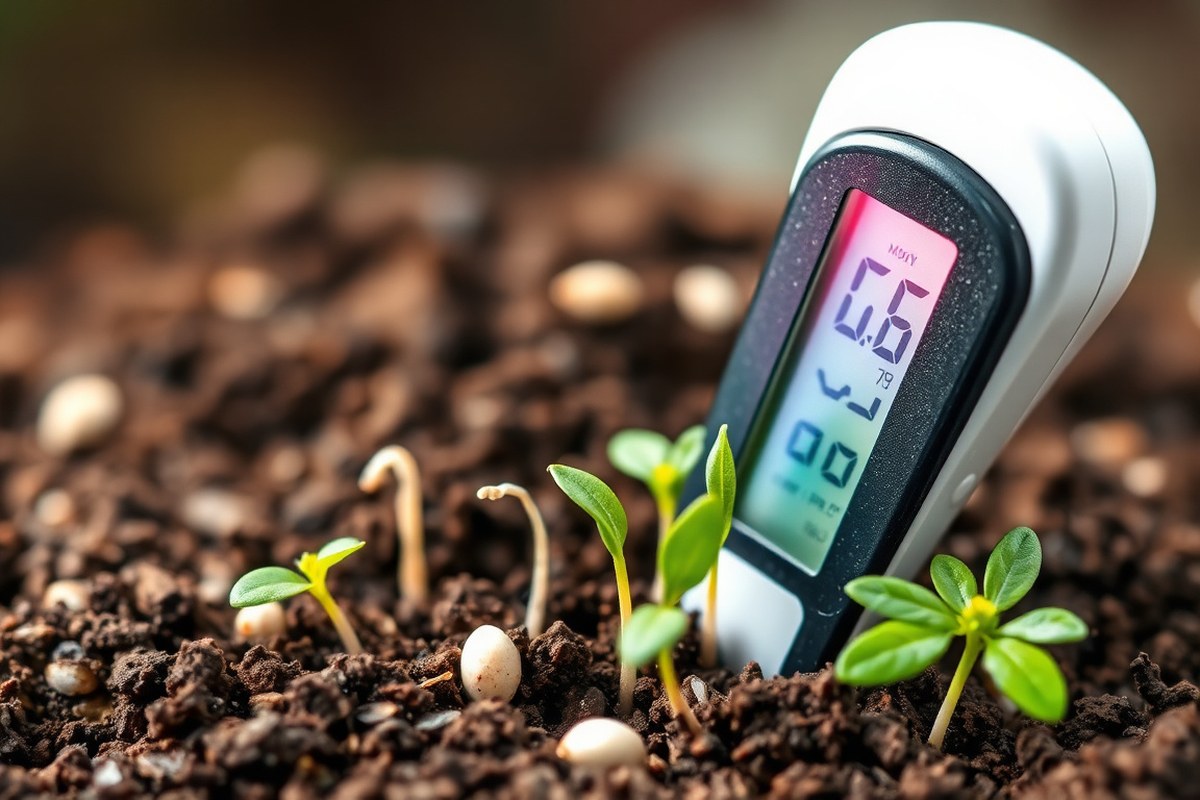
Soil temperature plays a key role in how fast seeds germinate. Most seeds sprout best between 70 and 75°F (21 to 24°C). Temperatures outside this range can slow or even stop germination completely.
Optimal Temperature Ranges for Cool-Season Seeds
Cool-season seeds like carrots, celery, and parsley like cooler soil. They grow best when the soil is between 60 and 68°F. That is about 15 to 20°C. This lower range supports slower but steady germination. These seeds often take longer because their seed coats slow water absorption.
Carrots usually sprout in 6 to 7 days if soil is right. Keep soil between 65 and 85°F for best results. That equals 18 to 29°C. Starting them too warm can reduce germination rates or cause poor seedling growth.
Ideal Temperatures for Warm-Season Seeds
Warm-season seeds like tomatoes, peppers, and beans grow best warm. They prefer soil temperatures between 70 and 75°F. That converts to 21 to 24°C. This temperature range triggers faster sprouting and stronger seedlings. They may not germinate at all if the soil stays below 60°F (15°C).
Chili peppers, for example, often need soil temperatures near 75°F for the quickest sprouting. Without heat, they can take weeks longer or fail to sprout.
| Seed Type | Ideal Soil Temperature (°F) | Ideal Soil Temperature (°C) | Typical Germination Time |
|---|---|---|---|
| Carrots (Cool-season) | 60, 68 | 15, 20 | 6 to 7 days |
| Celery (Cool-season) | 60, 68 | 15, 20 | 10 to 14 days |
| Tomatoes (Warm-season) | 70, 75 | 21, 24 | 5 to 10 days |
| Peppers (Warm-season) | 70, 75 | 21, 24 | 7 to 14 days |
| Beans (Warm-season) | 70, 75 | 21, 24 | 7 to 10 days |
This table matches seed types with the temperature they need. It also shows how long it takes to see sprouting. These numbers vary a little by seed quality and soil moisture.
How to Use Heat Mats and Temperature Controls
Heat mats are affordable tools that help keep soil temperature steady at the ideal range. They cost about $20 to $40 and plug into any outlet. Place seeds on the mat or in trays above it to warm the soil evenly.
Use a soil thermometer to check temperature daily. Insert it 1 to 2 inches deep near the seeds.
Aim for stable temperatures around 70°F for most seeds. Avoid overheating or letting soil cool below 60°F.
Moist soil heats more evenly than dry soil, so water seeds lightly before measuring.
Pre-Germination Treatments to Accelerate Sprouting
Pre-germination treatments like soaking, scarification, and stratification help seeds sprout faster and more reliably. Soaking softens seed coats, scarification cracks tough shells, and stratification mimics cold winter conditions. These methods work best when matched to the seed type.
Soaking Seeds: Duration and Techniques
Many vegetable and flower seeds soak better in room temperature water first. Soaking softens the hard seed coat. This helps water reach the embryo faster.
Typically, soak seeds for 12 to 24 hours. Avoid soaking over 36 hours to prevent rotting.
Small or thin seeds like lettuce or basil don’t need soaking. Hard-coated seeds like beans, peas, and morning glories soak well. After soaking, drain seeds and plant them right away in moist soil to avoid drying out.
Follow these steps to soak seeds properly:
- Fill a clean bowl with room temperature water.
- Place seeds in the water and let them soak for 12 to 24 hours.
- Check seeds occasionally to prevent fermentation or odor.
- Drain the seeds using a fine mesh or paper towel.
- Plant seeds immediately in moist, well-draining soil.
- Keep soil warm and moist to encourage quick germination.
Scarification Methods for Hard Seeds
Scarification breaks or weakens a seed’s tough outer shell so water can enter. Seeds with hard, tough coats often need soaking. Examples include sweet peas and morning glories.
Some tree seeds also have hard coatings. This speeds up germination by bypassing the natural dormancy barrier.
Mechanical scarification uses sandpaper or a nail file to rub the seed coat gently. Chemical scarification involves soaking seeds in a mild acid or hot water.
But it’s less common at home. After scarification, seeds absorb water more easily and usually sprout faster.
Here’s how to scarify seeds safely:
- Hold the seed firmly without crushing it.
- Rub the seed coat gently with fine-grit sandpaper or a nail file.
- Look for a visible scratch or thinning of the seed coat.
- Soak the scarified seed in water for 12 to 24 hours if desired.
- Plant the seed in moist soil immediately after soaking.
- Monitor soil moisture daily to avoid drying out or mold.
Stratification: Mimicking Winter Cold
Cold stratification tricks temperate seeds into thinking they’ve gone through winter. Seeds like lupines, asters, and many tree species need this cold period before sprouting. Tropical seeds generally do not benefit from stratification since they come from warm climates.
Stratification means keeping seeds moist and cold. Keep them between 34°F and 41°F (1°C to 5°C). That usually lasts 4 to 12 weeks.
You can use a refrigerator or winter sow outside in flats. This process breaks dormancy and improves germination speed and success.
Use these steps to cold stratify seeds at home:
- Mix seeds with a small amount of moist peat moss or vermiculite.
- Place the mixture in a sealed plastic bag or container.
- Label the container with seed type and start date.
- Store it in your refrigerator between 34°F and 41°F.
- Keep the medium moist but not wet throughout stratification.
- After 4 to 12 weeks, remove seeds and plant them right away.
- Maintain warmth and moisture from that point to encourage sprouting.
Factors That Can Delay or Prevent Seed Germination
Seeds may not sprout on time for several reasons. Old or improperly stored seeds often lose their ability to germinate.
Seeds typically have a shelf life. So check the expiration date on the packet to avoid surprises.
Moisture is another big factor. Seeds need steady moisture to start growing. But too much water drowns the seed and causes rot.
Tap the soil lightly; it should feel damp, not soggy. Overwatering is a common mistake that delays or stops germination.
Planting depth also matters. Seeds planted too deep take longer to grow to the surface. Some might not sprout at all because of too much soil.
Give seeds the right planting depth for best growth. Most seed packets say how deep to plant. Follow those instructions carefully for better results.
Light is important for some seeds and not for others. For example, basil seeds need light to germinate, so don’t cover them deeply.
- Old seeds lose germination power; try fresher seeds.
- Keep soil moisture steady but avoid waterlogged soil.
- Plant seeds at the depth the seed packet recommends.
- Check if the seed needs light or darkness to sprout.
- Soil temperature should match the seed’s preferred range.
- Pre-soak large seeds like peas or beans for 8-12 hours.
Some seeds need warmth to germinate within their usual timeframe. Rosemary prefers cooler soil around 60 to 65°F (15 to 18°C).
Basil likes warmer soil, about 77 to 86°F (25 to 30°C). Soil that’s too cold or hot slows or blocks sprouting.
Planting older seeds? Put two or more seeds in every pot or cell. This increases chance of at least one sprouting.
Seedlings not showing after the usual germination time? Try fresh seeds.
Use seeds from a different seller for better results. Sometimes, a fresh batch is the easiest fix.
Recognizing Seed Viability and When to Replant
Testing seed viability helps you know if seeds will sprout before planting them. A simple paper towel test shows which seeds are alive. Wait about twice the normal germination time before you decide to replant or throw seeds out.
How to Perform a Paper Towel Germination Test
This test checks if seeds are alive using just common supplies. It prevents wasting space and effort on dead seeds. Follow these easy steps to try it at home.
- Moisten a paper towel with clean, warm water (around 70°F).
- Place 10 seeds spaced apart on half of the towel.
- Fold the towel over the seeds to cover them evenly.
- Put the towel inside a plastic bag or container to keep moisture.
- Set the bag in a warm, dark spot (65-75°F is ideal).
- Check daily for seeds that sprout tiny roots or shoots.
- Count how many seeds sprout within the expected germination time.
The test usually takes a few days to two weeks depending on seed type. Seeds that sprout show they are viable and worth planting.
Don’t let the paper towel dry out, or seeds can fail even if viable.
Expected Waiting Periods by Seed Type
Different seeds sprout at their own speeds under good conditions. Turnip seeds can appear in 1 to 2 days. Lettuce usually takes about 7 to 14 days, but temperature affects this.
Hardy seeds like peas often germinate in 7 to 10 days. Slow starters like parsnips may need up to 21 days. Keep these timelines in mind before you get worried or replant.
Seeds that go dormant during dry or hot weather may also take longer. Lettuce seeds stop sprouting if temperatures rise above 75°F. Watch seed type traits to avoid rushing.
Deciding When to Replant or Discard
Wait at least double the seed’s normal germination time before deciding. If turnip seeds normally sprout in 2 days, wait 4 days before replanting. For slow seeds like parsnip, wait up to 42 days.
Dead seeds won’t sprout and often feel lighter or look shriveled. Sometimes seeds are dormant and need special care like scarification or stratification. Otherwise, discard old seeds after viability drops, often around 2 years for parsnips.
Replant if some seeds sprout but not all to improve chances. Keep testing saved seeds yearly to know if they’re worth using. This saves time and helps you grow better plants.
Storage Tips to Maintain Seed Germination Potential
Proper seed storage keeps them alive and ready to sprout for years. Seeds need a cold, dry, and dark place to stay viable for a long time.
For example, tomato and cucumber seeds can last 4 to 5 years when stored well. Some seeds, like cauliflower and pumpkin, last up to 4 years before their germination drops.
Temperature controls how fast seeds lose their ability to grow. Cooler is better, ideally between 32°F and 41°F (0-5°C). Higher humidity causes seeds to mold or sprout early, so keep moisture low.
Light can trigger germination in some seeds. So store them in opaque, sealed containers to avoid this.
- Store seeds in airtight containers such as glass jars or sealed plastic bags.
- Keep containers in the refrigerator or a cool basement, away from temperature swings.
- Use silica gel packs or dry rice to absorb moisture inside the container.
- Label each packet with seed type and date collected for easy tracking.
- Avoid storing seeds near heat sources, windows, or direct sunlight.
Seeds stored in these conditions retain high germination rates and sprout reliably. Poor storage makes seeds rot or dry out. It can also cause seeds to sprout inside the packet.
This ruins them and makes them unusable. Check your stored seeds yearly by testing a small sample to see if they still sprout. Refresh your stock every few years, especially for seeds with shorter lifespans.
How Light and Moisture Affect Early Seedling Growth
Most seeds do not need light to start germinating. They wait for moisture and warmth beneath the soil surface. However, some seeds, like lettuce or petunias, require light and should remain uncovered.
Soil moisture is critical for sprouting seeds. The soil needs to be moist but not soaked. Overwatering can drown seeds, causing them to rot instead of sprouting.
Moist soil holds heat better, which helps trigger sprouting. Using a spray bottle to mist the surface keeps moisture even and gentle. Water your seed bed daily.
Check the soil often. Water more if it’s dry.
- Use a spray bottle for gentle, controlled misting of soil surfaces.
- Check soil moisture by touching the soil with your finger regularly.
- Cover seeds only if the variety needs darkness to germinate.
- Ensure soil is loose and well-draining to avoid waterlogging.
- Provide some airflow to prevent mold and seed rot.
- Thin seedlings soon after sprouting to improve circulation and light access.
- Keep the soil temperature consistent around 65 to 75°F for most herb and vegetable seeds.
Seeds need a balance of moisture and air to sprout successfully. Soil that stays soggy blocks oxygen, harming young embryos. On the other hand, dry soil slows or stops germination entirely.
Watch moisture closely. Know your seed’s light needs. This helps seedlings grow strong.
Seedlings grow faster in warm, moist soil. They also need proper light. This leads to even growth.
Seasonal Timing and Choosing Indoor vs Outdoor Sowing
Seeds start better indoors when the outdoor temperature is too cold for their needs. You should begin seeds inside 6 to 8 weeks before the last frost date. This gives delicate seedlings a head start without exposing them to frost risk.
Hardy seeds, like broccoli and radish, grow well in cool soil. They can germinate outdoors at temperatures as low as 35°F (2°C). These plants handle cooler weather better than others.
These can be sown early in spring directly into your garden soil. Warm-season crops like tomatoes need about 70°F (21°C) or higher to sprout. So starting these indoors with a heat mat is a must before moving them outside.
You can stretch your garden season by using tools like row covers or heat mats. Row covers trap warmth and protect from frost, letting you plant some seeds earlier outdoors. Heat mats give indoor seed trays consistent warmth, speeding germination for warmth-loving plants.
| Plant Type | Indoor Start Time Before Last Frost | Outdoor Direct Sow Temp Range | Notes |
|---|---|---|---|
| Tomato, Pepper | 6-8 weeks | Above 60°F (16°C) | Use heat mats indoors; transplant after frost |
| Broccoli, Cauliflower | 4-6 weeks | 40-70°F (4-21°C) | Can germinate outdoors early; tolerate cool temps |
| Carrot, Radish | Not usually started indoors | 35-75°F (2-24°C) | Sow directly when soil is workable |
| Lettuce, Spinach | 2-4 weeks | 35-70°F (2-21°C) | Cool-season crops tolerate early outdoor sowing |
Adjust your sowing time for your local last frost date. For example, if frost ends April 15, start tomatoes indoors mid-February. Seeds that start indoors usually sprout within three weeks.
You need to move them to bigger pots as they grow. This helps the seedlings get enough space and nutrients. Outdoor seed germination depends heavily on soil temperature and moisture consistency.
Keep seed trays warm and moist but not soaked to avoid fungal problems.
Follow local planting guides or seed packets closely to match timing with your zone. Starting seeds indoors saves time but needs patience and space.
Direct sowing outdoors is easier but may delay growing due to cold soil. Both ways can succeed with attention to seasonal changes and seed needs.
Step-by-Step Action Plan for Faster Seed Germination
Follow these steps to help your seeds sprout quickly and healthily. Watch each step closely to see if your seeds respond well.
- Before you start: Choose fresh seeds and store them properly. Good seeds should look firm and clean.
- Day 1: Soak seeds that need it in lukewarm water for 12 to 24 hours. Seeds that swell are ready to plant.
- Day 1: Plant seeds at the right depth with moist but not soggy soil. Check soil moisture daily to keep it damp.
- First 3 days: Keep the temperature consistent in the proper range (usually 65, 75°F). Check daily and adjust your heat source if needed.
- Days 5-10: Look for sprouts beginning to break soil. No sprouts after two weeks? Test seed viability or use fresh seeds.
- After sprouting: Move seedlings to a spot with light but no harsh sun. Healthy green leaves mean they are off to a good start.
- Week 2: Gradually reduce watering to prevent mold and root rot. Soil should be moist, not wet, keeping roots healthy.
Frequently Asked Questions
How Can You Speed Up Seed Germination Without Chemicals?
You can soak seeds in warm water for a few hours. This softens the seed coat and helps sprouting start faster in many varieties.
Why Do Some Seeds Need Light to Germinate?
Some seeds only start growing when exposed to light. This strategy ensures they sprout near the surface, which helps seedlings reach the sun quickly.
Can Seed Germination Times Vary Within the Same Packet?
Yes, seeds from the same batch can sprout at different times. This happens because of natural differences in seed maturity and seed coat thickness.
Does Seed Size Affect Germination Speed?
Larger seeds often take longer to germinate than smaller seeds. Their bigger energy reserves usually mean they can take more time to break dormancy.
Why Do Some Seeds Germinate Better After “Nicking”?
Nicking the seed coat lets water and oxygen reach the embryo quicker. This helps seeds with hard shells sprout faster by breaking physical dormancy.
Is It Normal for Some Seeds to Take More Than 3 Weeks to Sprout?
Yes, some types like celery and leeks need 2 to 3 weeks under ideal conditions. Patience is key for those slow starters.
Key Points to Remember
Seeds often take one to two weeks to sprout under good conditions. Start by setting up a warm, moist environment today. Watch your seeds closely.
Change water and temperature if needed. This helps your seeds grow better.