What Is Organic Fertilizer? A Complete Guide with Types, Uses, and Tips
What is organic fertilizer? It’s a natural substance that feeds your soil and plants.
These fertilizers come from plants, animals, or minerals. They work by improving soil health and slowly releasing nutrients your garden needs.
Organic fertilizers feed soil microbes, which then break down the materials. Nutrients get released gradually, supporting steady plant growth. This slow process prevents nutrient burn and helps plants absorb more effectively.
Besides feeding plants, organic fertilizers improve soil texture and water retention. They increase organic matter that holds moisture and supports beneficial organisms. Over time, this creates healthier soil that plants thrive in.
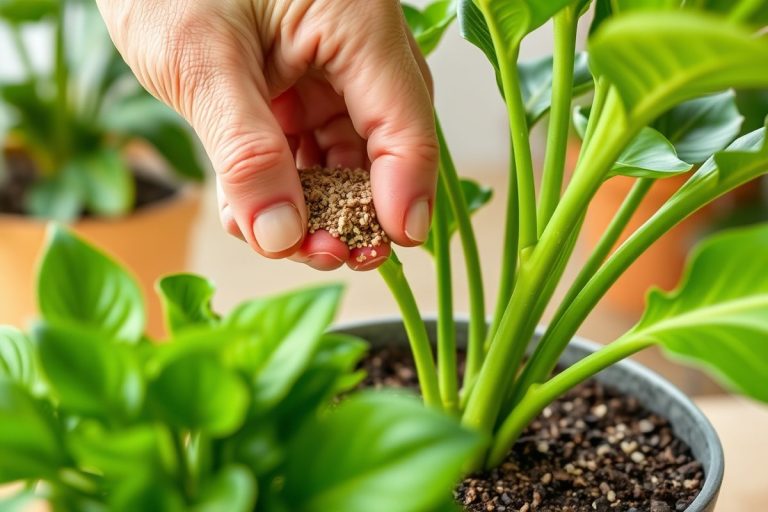
Spread organic fertilizer uniformly across the soil surface and mix it into the top 6 to 8 inches. This depth ensures roots can easily access the nutrients for better absorption. Keep the soil temperature within 70 to 95 degrees Fahrenheit so microbes effectively decompose the fertilizer.
Key Takeaways
- Apply organic fertilizer when soil temperatures range from 70 to 95 °F.
- Mix the fertilizer into the soil’s top 6 to 8 inches to optimize nutrient use.
- Organic fertilizers release nutrients slowly through soil microbe activity.
- Natural materials like compost, manure, and plant meals supply needed nutrients.
- You’ll often need to apply more organic fertilizer than synthetic products.
- Organic fertilizer also improves soil structure and moisture retention.
What Is Organic Fertilizer and How Does It Work?
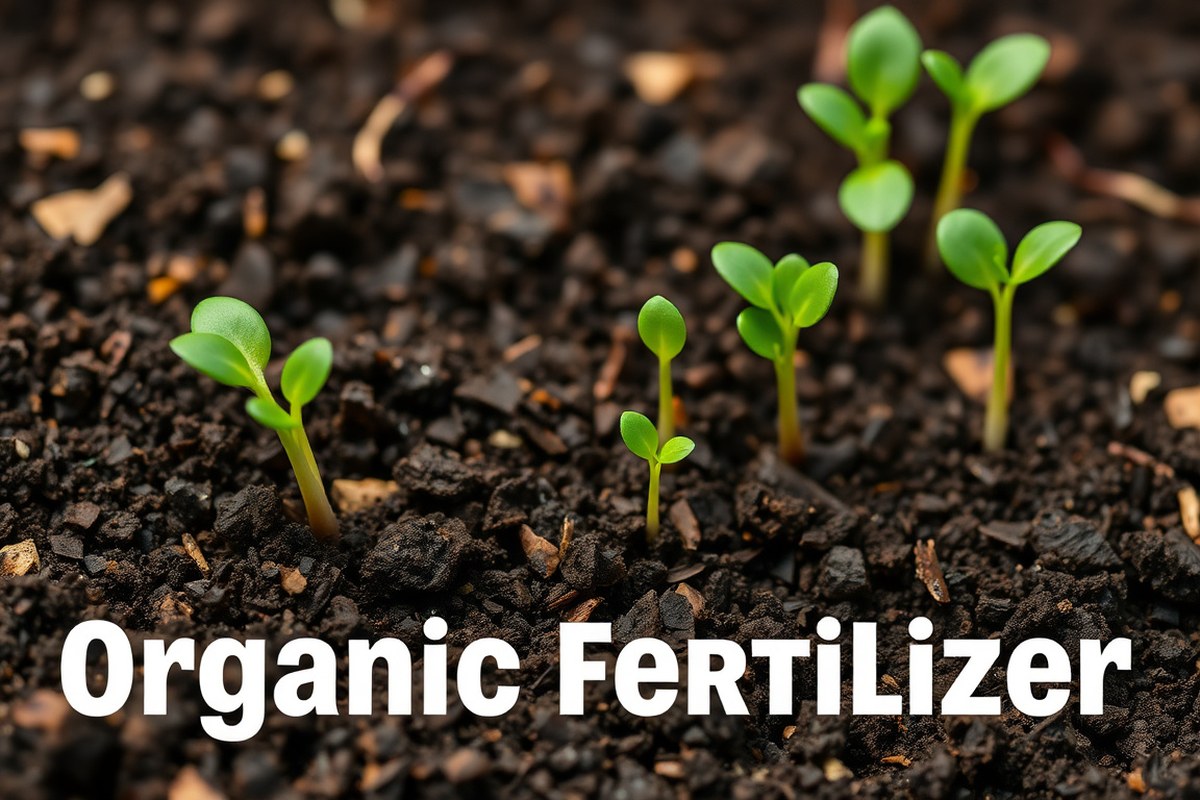
Organic fertilizer comes from natural sources like compost, manure, plants, and minerals. It feeds plants by slowly releasing nutrients as microbes break it down in the soil. Unlike chemical fertilizers, these nutrients don’t kick in immediately.
Chemical fertilizers are made by industrial processes and give plants nutrients fast and all at once. Organic fertilizers work over time, supporting tiny soil organisms that improve soil health. This slow release helps plants absorb nutrients steadily without the risk of burning roots.
Apply organic fertilizer after soil temperature hits 70 to 95°F. This heat triggers microbes that decompose the fertilizer effectively. Next, blend it into the soil’s top 6 to 8 inches to feed plant roots.
Common Types and Sources of Organic Fertilizers
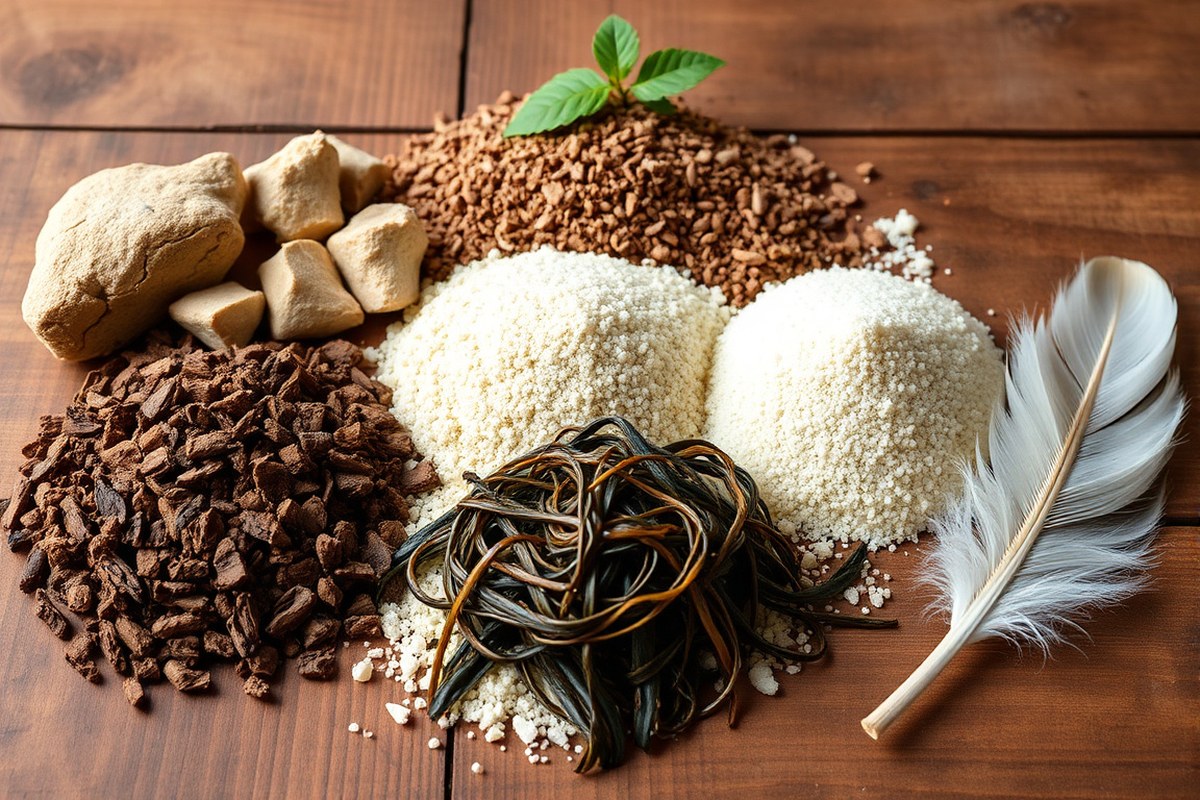
Organic fertilizers come mainly from three sources: plants, animals, and minerals. Each offers unique nutrients and benefits for your garden. Knowing these can help you pick the right one for your plants.
Plant-Based Organic Fertilizers
Plant-based organic fertilizers come from parts of plants like leaves, stems, seeds, or seaweed. These fertilizers usually provide nitrogen and some potassium. They improve soil structure while slowly releasing nutrients.
Common examples include:
- Compost made from vegetable scraps and garden waste
- Alfalfa meal, rich in nitrogen and trace minerals
- Kelp meal and seaweed extract, offering potassium and many trace minerals
- Green manure crops like clover and vetch grown and then tilled into the soil
- Corn gluten meal, which also inhibits weeds
These are easy to find or make at home. Applying plant-based fertilizer improves moisture retention and feeds helpful soil microbes over time.
Animal-Based Organic Fertilizers
Animal-based fertilizers come from manure, bone meal, blood meal, and other animal parts. They tend to have higher nitrogen and phosphorus levels. This helps plants grow fast and develop strong roots.
Examples include:
- Well-rotted manure from cows, chickens, or horses
- Bone meal, which is high in phosphorus for blooms and root growth
- Blood meal, a quick-release nitrogen source
- Fish emulsion, a liquid fertilizer rich in multiple nutrients
- Seabird guano, known for balanced nutrients and trace elements
These fertilizers need proper composting to avoid burning plants or spreading pathogens. Patience is key; finished products release nutrients slowly.
Always compost fresh animal manure well to avoid burning your plants or attracting pests.
Mineral-Derived Organic Fertilizers
Mineral-derived organic fertilizers come from natural mineral deposits. These provide nutrients like phosphorus, potassium, and calcium. Although minerals are inorganic, they fit organic gardening when naturally sourced without chemicals.
Common mineral fertilizers include rock phosphate, greensand, and gypsum. They release nutrients slowly over time, improving soil’s long-term fertility. Applying them usually involves spreading on soil surface or mixing into the topsoil.
In some cases, combining mineral fertilizers with plant or animal sources helps balance nutrient supply. Minerals add essential elements that pure organic matter lacks, especially potassium and phosphorus.
Understanding Nutrient Content and Release in Organic Fertilizers
Organic fertilizers provide nutrients slowly because soil microbes must break them down. The carbon-to-nitrogen (C:N) ratio controls how fast nutrients become available.
A low C:N ratio in organic matter usually means quicker nutrient release. Temperature and moisture also affect microbes’ activity and mineralization speed.
Organic fertilizers have lower nutrient content than synthetic ones. For example, alfalfa meal contains about 2.5% nitrogen while fish emulsion can have 9%. Nutrients release slower, so you won’t see quick green-up.
Plants get steady feeding over time. This helps sustained growth without sudden changes. Applying a larger amount is common to meet plants’ nitrogen needs.
Microbes play a big role. They consume carbon and nitrogen and release nutrients in forms plants use. Poor conditions slow down microbes.
Nutrients become available later than usual. Proper soil moisture and warm temperatures help microbes work best.
| Organic Fertilizer | N (Nitrogen) | P (Phosphorus) | K (Potassium) | Use |
|---|---|---|---|---|
| Alfalfa Meal | 2.5% | 1% | 1.5% | Faster composting in soil |
| Bat Guano | 8% | 6% | 1% | Crop rotation or late spring feeding |
| Cotton Seed Meal | 6% | 3% | 1% | Rich nitrogen in spring |
| Fish Emulsion | 9% | 0% | 0% | For low nitrogen needs |
| Seaweed | 1% | 2% | 5% | Good for winter prep |
| Cow Manure | 2.5% | 1% | 1.5% | Good for compost and nutrient uptake |
| Compost | 2% | 1.5% | 1.5% | General soil amendment |
Compared to synthetic fertilizers that release nutrients fast, organics feed plants over a long time. Synthetic fertilizers can cause burns if overapplied. Organic fertilizers lower that risk while improving soil health by adding carbon.
Monitor plant growth regularly to know nutrient needs. Adjust amounts as soil and weather change. Delivery times vary with environment and care.
How to Choose the Right Organic Fertilizer for Your Garden
Choosing the right organic fertilizer means knowing your soil and plants first. Also, organic rules limit what you can use in your certified garden. This helps protect the earth while your plants get the nutrients they need.
Testing and Assessing Soil Nutrient Needs
Start with a soil test to find nutrient gaps and pH levels. Testing costs around $15 to $25 at local extension offices or garden centers. You’ll get a report showing if nitrogen, phosphorus, or potassium are low.
Use this info to pick a fertilizer that fits your soil needs. Avoid using too much fertilizer without testing, it can waste money and hurt plants. Organic fertilizers usually feed soil slowly, so timing matters.
Matching Fertilizers to Plant Types
Plants need different nutrients at various stages. Leafy greens like lettuce need more nitrogen for leaves. Flowering plants and root vegetables benefit from phosphorus and potassium.
Check fertilizer labels for NPK ratios to match your plants. Here are some as examples:
- Blood Meal (10-1-0) for leafy plants and turfgrass, fast nitrogen release
- Bone Meal (3-22-0) for flowering and root growth, slower nutrient delivery
- Fish Meal (10-6-2) good for fruit and vegetable crops
- Composted Chicken or Cow Manure (0.5-0.3-0.5) for improving soil structure
- Feather Meal (12-0-0) for high nitrogen needs, slow release
Organic fertilizers rarely burn plants because their nutrient release is slower. This means safer feeding but you must apply them early enough for nutrients to become available.
Regulations for Organic Fertilizer Use
Only fertilizers from natural sources qualify for certified organic gardens. The product label must say “Certified Organic Product” to meet USDA rules. This means no synthetic chemicals or harmful processing.
Caring for soil health and avoiding poisons benefit both you and the environment. Organic fertilizers improve soil structure and nutrient cycles without toxic risks. This supports long-term garden sustainability without buildup of salts or chemicals.
Safe and Effective Organic Fertilizer Application Practices
Apply organic fertilizer when soil temperatures are between 50°F and 85°F. This range supports soil microbes that break down organic materials and release nutrients. Avoid applying fertilizer in very cold soil.
Hot soil can also stress plants. These conditions slow nutrient release.
Use soil test results to guide how much organic fertilizer to add. Apply enough fertilizer to meet your crop’s nutrient needs. Don’t use too much.
Extra fertilizer wastes resources and harms plants. Start with a small dose of fertilizer.
Increase the amount slowly. This is key with strong types like blood or bone meal.
Raw manure needs caution since it may carry pathogens. Follow USDA NOP rules for raw manure. Wait 120 days before harvesting crops that touch soil.
This keeps food safe. Compost and well-aged manure pose fewer risks and can be applied closer to planting time.
Mix or incorporate organic fertilizer into the top few inches of soil. This improves contact with soil organisms and reduces nutrient loss to wind or rain. Avoid leaving fertilizers on the surface, which can invite runoff or volatilization.
Always wear gloves when handling fertilizers. Wash your hands well afterward. Especially do this with raw manure and fish emulsion.
Seal fertilizer bags tightly after use. Store them in cool, dry places. This keeps nutrients fresh and stops contamination.
Here’s a simple step-by-step process for safe, effective organic fertilizer application:
- Test your soil to identify nutrient needs before applying fertilizer.
- Choose the right organic fertilizer based on nutrient content and crop type.
- Time your application for when soil temperatures are around 50°F to 85°F.
- Calculate the amount to apply using label rates or soil test recommendations.
- Wear gloves and protective gear during handling, especially with raw manure.
- Incorporate fertilizer into the top 2 to 4 inches of soil using a rake or tiller.
- Water the soil lightly after applying to help nutrients reach roots.
- Observe a waiting period of 120 days after raw manure application before harvesting soil-contact crops.
Handle raw manure with care and respect the 120-day waiting period before harvesting.
Making Homemade Organic Fertilizers: Simple DIY Methods
You can make your own organic fertilizer easily using common kitchen scraps and yard waste. Homemade compost and compost tea supply nutrients naturally and improve soil health. These methods save money and reduce waste compared to store-bought fertilizers.
Preparing Compost for Fertilizer
Compost is a rich, natural fertilizer made by decomposing organic materials like vegetable scraps and leaves. It feeds your plants slowly while improving soil structure. You only need a small space and some patience to create it at home.
Follow these steps to build a compost pile:
- Collect kitchen scraps, such as fruit and vegetable peels, coffee grounds, and eggshells.
- Gather garden waste like dry leaves, grass clippings, and small branches.
- Choose a shady spot or use a compost bin with holes for airflow.
- Layer green materials like kitchen scraps and fresh grass. Add brown materials such as leaves and paper. Make each layer 2 to 3 inches thick.
- Moisten the pile with water to keep it damp but not soaked.
- Turn the pile every 1 to 2 weeks using a pitchfork or shovel.
- Wait 3 to 6 months for dark, crumbly compost that smells earthy.
- Use finished compost by spreading 1 to 2 inches around garden beds.
Good compost heats up to 130°F during decomposition, which kills pathogens. Avoid adding meat and oily foods, as they attract pests. Turning helps aerate the pile and speeds up composting.
Making Compost Tea
Compost tea is a liquid fertilizer brewed from finished compost, rich in nutrients and beneficial microbes. It delivers nutrients quickly through plant leaves or soil. You only need compost, water, and a container.
Here’s how to make simple compost tea:
- Fill a 5-gallon bucket with water and let it sit for 24 hours to dechlorinate.
- Add 1 to 2 cups of mature compost to a mesh bag or cheesecloth.
- Submerge the bag in the water and stir the mixture 3 to 5 times daily.
- Let the tea brew for 3 to 5 days in a shaded spot.
- Remove the compost bag and strain the liquid through a fine sieve.
- Use the tea immediately, spraying it on plant leaves or watering soil.
- Mix the tea using about 1 part tea to 10 parts water. Stir well before applying it to your plants.
Freshly made compost tea loses potency quickly, so apply it within 24 hours. Avoid using compost that contains weed seeds or diseased plants.
Using Common Kitchen and Garden Wastes
You can also use items like coffee grounds, eggshells, and wood ash directly as fertilizers. Coffee grounds add nitrogen, eggshells supply calcium, and wood ash offers potassium and trace minerals. Here’s how to use them:
- Sprinkle used coffee grounds thinly around acid-loving plants like tomatoes or blueberries.
- Crush eggshells finely and mix into the soil to prevent issues like blossom end rot.
- Use small amounts of wood ash sparingly to add potassium and raise soil pH.
- Avoid large piles of any single material; mix them evenly into soil or compost.
These wastes recycle nutrients without the cost of commercial fertilizers. Avoid using coffee grounds or wood ash near plants that prefer acidic soil. Excess ash can raise soil pH too much and harm plants.
Common Mistakes and How to Avoid Them with Organic Fertilizers
Applying organic fertilizer too much can harm plants and waste money. Overapplication often causes nutrient buildup, especially nitrogen, which can burn roots or pollute nearby water. Spread organic fertilizer lightly and evenly.
Follow package instructions or soil test results. These tips guide how much you need.
Timing is another common error. Applying fertilizer right before heavy rain can wash nutrients away, leaving soil dry.
Aim to spread organic fertilizer when the soil is moist but not wet. Avoid windy days that spread pellets beyond your garden beds.
Using raw manure without proper composting risks spreading plant diseases and harmful bacteria. Raw manure needs at least six months to compost fully, especially in cooler areas.
For safer use, choose pelletized or heat-treated manure. They offer more consistent nutrients and lower pathogen risks than raw manure.
- Apply organic fertilizer at half the rate used for synthetic fertilizers to avoid overload.
- Spread fertilizer in early spring or late fall for slow nutrient release.
- Compost raw manure for at least six months before use, or buy treated pellets.
- Water fertilizer in lightly after spreading to boost nutrient absorption.
- Use a soil test every 2-3 years to adjust application rates.
- Wear gloves and wash hands after handling manure or compost.
- Store leftover fertilizer in dry, sealed containers away from animals.
Excessive fertilizer use can attract pests like rodents and insects, which harm your plants. Never put organic fertilizer directly on seed rows. Too much nitrogen can stunt seedlings.
Keep fertilizer away for better growth. Instead, side-dress plants once they have established.
Organic fertilizers slow-release nutrients, which means you don’t need to apply often. Overdoing it can unbalance soil microbes or cause nutrient runoff, especially in sloped or sandy soils.
These damages are costly and undo much of the environmental benefit organic fertilizer offers. Always follow recommended rates and observe your garden weekly to spot any problems early.
Long-Term Soil Health and Environmental Benefits of Organic Fertilizer
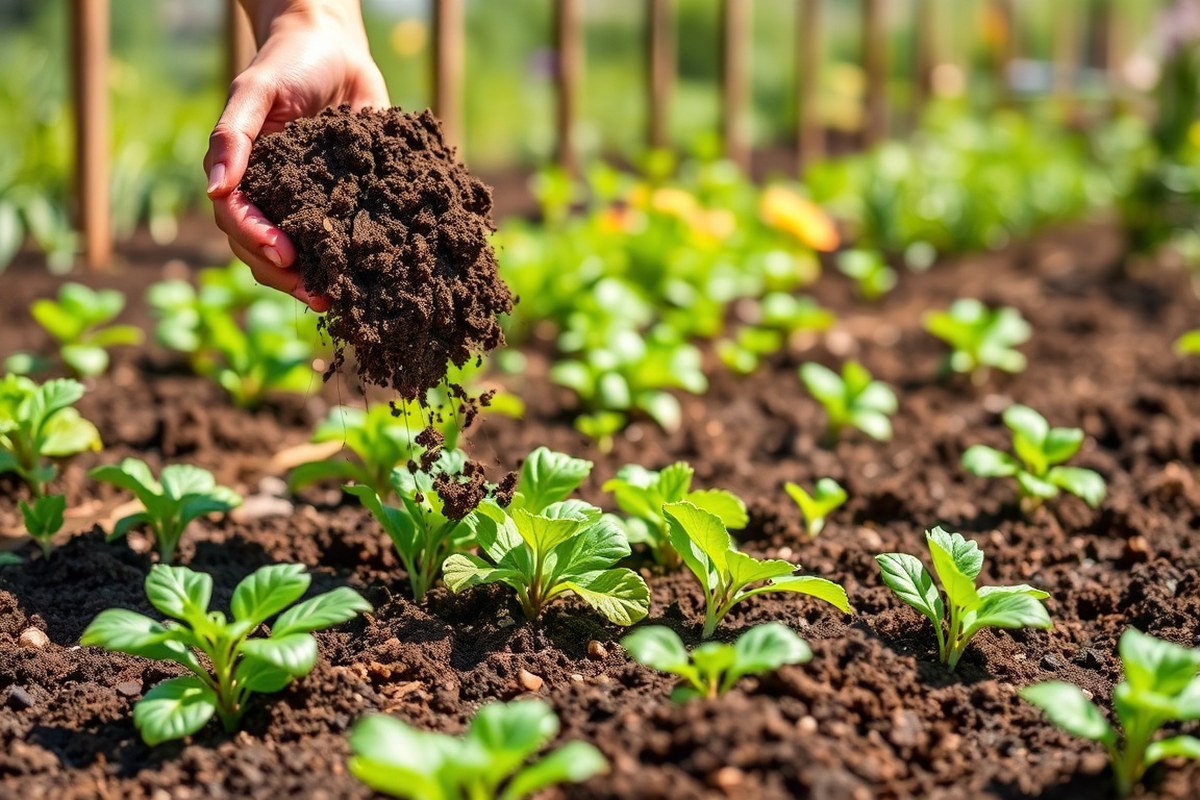
Organic fertilizers boost soil health by adding organic matter and nutrients slowly. This improves soil structure by increasing its ability to hold water and air. Good soil stays loose and holds roots well.
It stops soil washing away. Synthetic fertilizers often cause compacted soil.
Using organic fertilizer feeds helpful soil microbes, like fungi and bacteria. These microbes break down nutrients, making them available for plants over time. Synthetic fertilizers can harm this soil life, reducing long-term soil fertility and resilience.
Organic fertilizers often come from renewable sources like compost or manure. Organic fertilizers send nutrients to plants slowly. This steady feed keeps roots safe.
They don’t burn roots like some synthetic types. This slow release also cuts down on nutrient runoff, lowering pollution in nearby streams and groundwater.
Switching from chemical to organic fertilizer means you might see slower plant growth at first. The soil takes time to rebuild its organic matter and microbial community. Expect healthier soil after several seasons, with less dependency on quick-fix chemicals.
Use 25 to 50 pounds of compost per 1,000 square feet yearly. This helps increase the soil’s organic matter. Organic content improves soil health.
Using bone meal provides phosphorus, helping roots develop strong networks needed for long-term soil life. Matching fertilizer types to your soil’s needs helps maintain balance and avoids overapplication.
Test your soil before you switch to organic fertilizer. This helps you give plants the right nutrients. It also stops shortages or overfeeding.
Step-by-Step Action Plan for Using Organic Fertilizer
Start improving your garden soil with organic fertilizer in easy steps. Follow this plan to see better plant growth and soil health.
- Before planting: Test your soil’s nutrient levels using a kit from your local garden center. This tells you what nutrients your soil needs and helps you pick the right fertilizer.
- Week 1: Apply a balanced organic fertilizer, like compost or aged manure, to your garden beds. Spread evenly and mix it into the top 4 inches of soil. You’ll know it worked if the soil feels crumbly and smells fresh.
- Week 3: Water your plants deeply to help nutrients soak into the soil. Plants will start showing stronger green leaves and sturdier stems.
- Month 2: Add a thin layer of mulch around your plants. Mix this mulch with organic fertilizer. Spread it evenly as a top-dress. This keeps moisture and slowly feeds them over time.
- After harvest: Add compost or another organic amendment to replenish nutrients. Healthy leftover roots or plant debris help speed up breakdown.
- Monthly: Monitor plant health for signs of nutrient shortages, like yellowing leaves. Add targeted organic fertilizer if needed based on what you see.
- Seasonal: Rotate organic fertilizers to balance nutrient supply. For example, use bone meal for phosphorus in spring and seaweed extract for micronutrients in summer.
- Every year: Re-test your soil to track improvements. Healthy soil should have steady nutrient levels and better texture over time.
Frequently Asked Questions
What Is Organic Fertilizer Made From?
Organic fertilizer is made from natural materials like plants, animals, and minerals. These materials break down slowly and feed your soil over time, boosting fertility without chemicals.
How Does Organic Fertilizer Improve Soil Health?
It adds organic matter that feeds soil microbes and improves soil structure. Healthier soil holds water better and supports strong plant growth.
Can I Use Organic Fertilizer on All Types of Plants?
Yes, but different fertilizers work better for certain plants. For example, bone meal helps roots and flowering, while blood meal boosts leafy growth.
How Often Should I Apply Organic Fertilizer?
Typically, apply organic fertilizer every 1 to 4 months depending on the product. Some release nutrients slowly, so you don’t need to add them often.
Is Organic Fertilizer Safer for the Environment?
Generally, yes. It reduces chemical runoff and supports long-term soil health compared to synthetic fertilizers. This minimizes pollution risks to nearby water sources.
Can Organic Fertilizers Replace Synthetic Fertilizers Completely?
They can, but organic fertilizers usually release nutrients slower than synthetic ones. You might see slower results, but your soil health improves with consistent use.
Key Points to Remember
Organic fertilizer feeds your plants naturally and builds healthy soil. Try applying a small amount and watch your garden respond. Add organic matter regularly, and your soil will improve year after year.