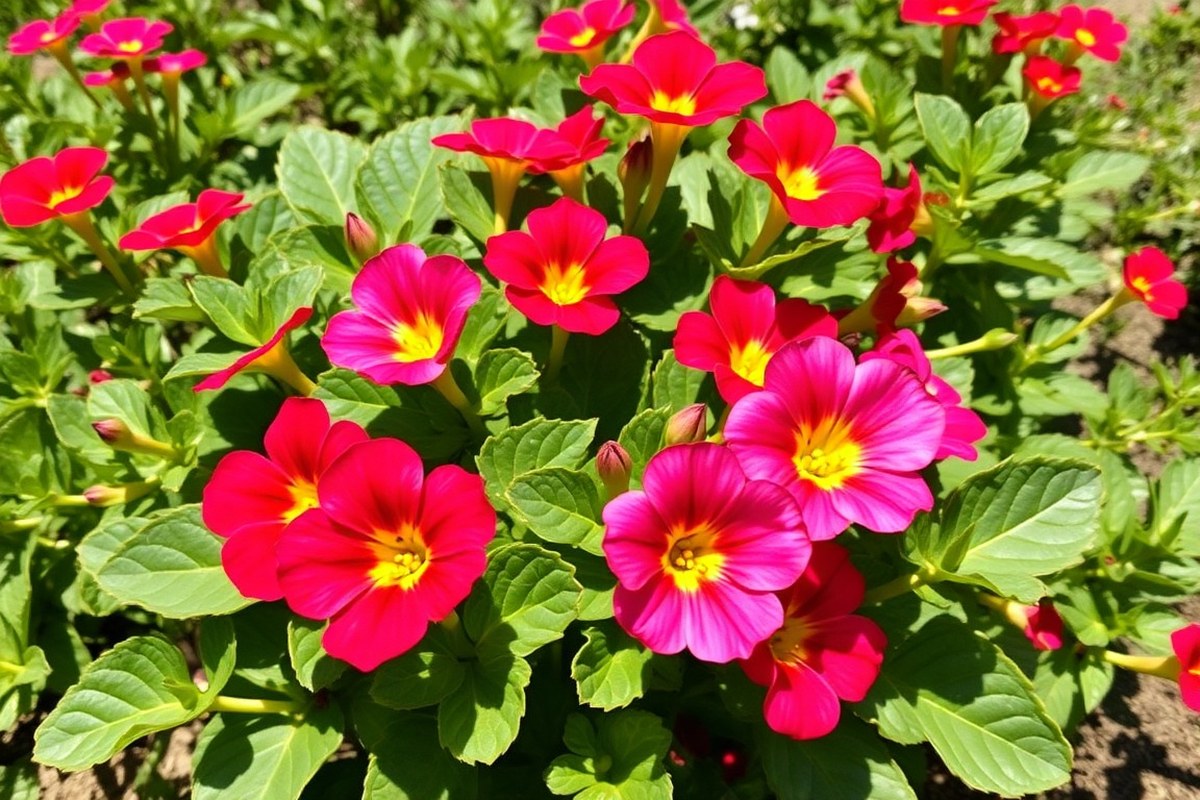
Do Deer Eat Portulaca? 8 Proven Ways to Protect Your Garden
Do deer eat portulaca? Yes, they will eat portulaca plants if given the chance.
Deer especially target young, tender parts like buds and leaves in the spring. The plant’s mild taste and easy access make it an occasional snack for hungry deer.
Portulaca isn’t a preferred food because its tissue has low protein and energy. Deer avoid it when other plants are available. To protect your portulaca, first try physical barriers or repellents.
Do this early, before deer start eating your plants. Early action helps keep your portulaca safe.
Watch for deer damage patterns on your portulaca. Early detection helps you act before they strip your plants. Keeping your garden diverse with other plants can also discourage deer from focusing on portulaca.
Key Takeaways
- Deer eat portulaca mainly when food options are limited in spring.
- Portulaca’s low protein content makes it a less nutritious deer food.
- Installing an 8-foot fence is an effective physical barrier against deer.
- Use repellents or companion plants to reduce deer visits to portulaca.
- Check your plants often for broken stems or missing leaves caused by deer.
- Keeping other tasty plants nearby can decrease deer interest in portulaca.
1. Do Deer Eat Portulaca Plants and Flowers?
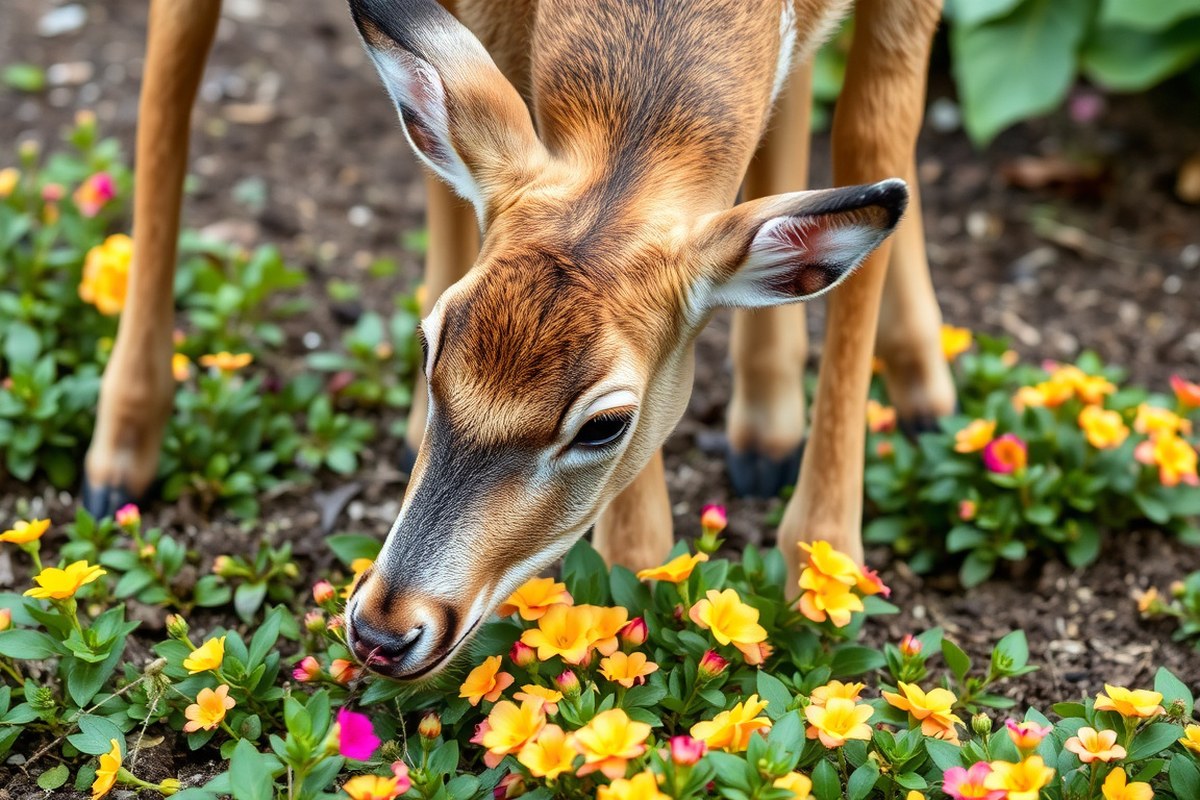
Deer do eat portulaca, but not often as a first choice. They target the tender parts like shoots, leaves, and flowers, especially in early spring. After a long winter, deer get very hungry.
They eat almost any plant they find. This includes portulaca.
Portulaca leaves and stems are thick and fleshy because they are succulents. These parts have lower nutritional value and fewer attractive chemicals. So deer avoid them unless food is scarce.
Deer may nibble on flowers sometimes. This is less common than eating leaves. Flowers have less for them to eat.
The flowers of portulaca aren’t toxic or harmful to deer. They will sometimes eat these blooms when other plants aren’t available.
Deer can eat a decent amount daily, up to ten pounds of various plants. So even occasional nibbling on portulaca can damage your garden if many deer pass through.
2. Why Do Deer Sometimes Eat Portulaca?
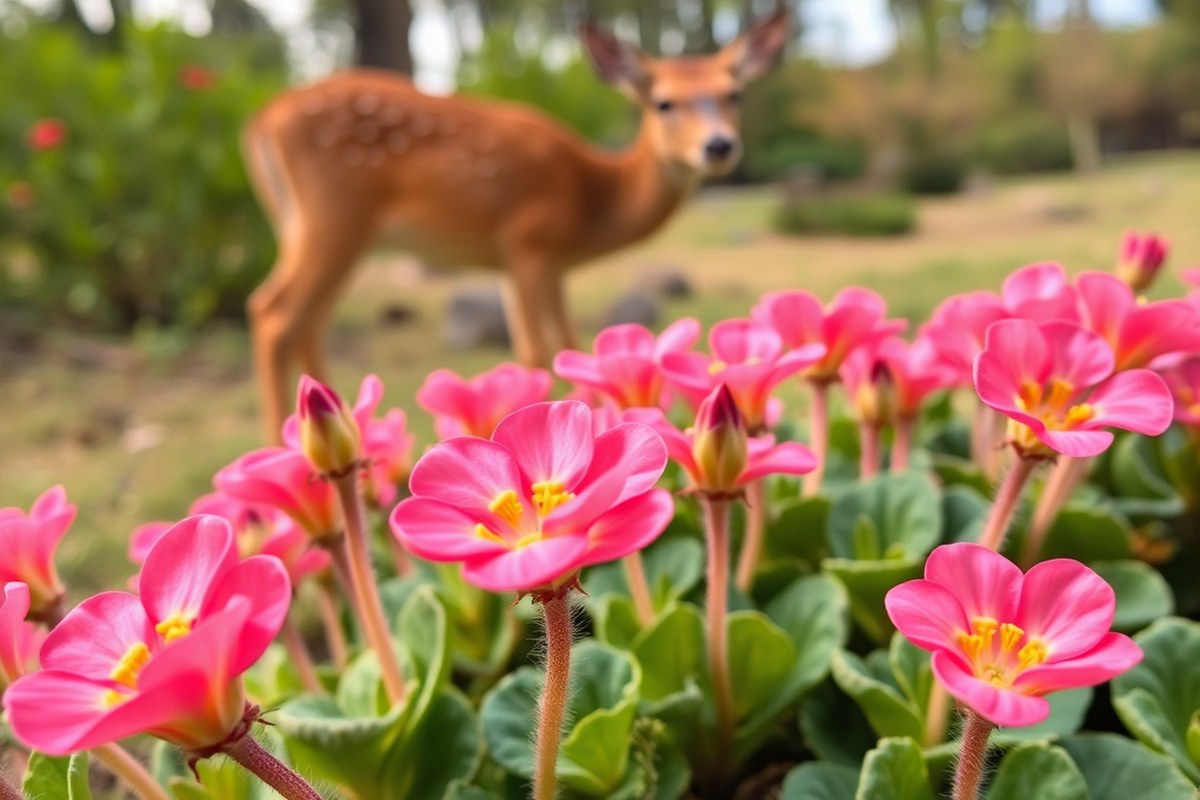
Deer eat portulaca mainly because it tastes good to them. The plant has a natural flavor and lacks a strong smell, which makes it appealing. Portulaca is an edible, invasive plant.
Deer can easily access it. They feed on it without any trouble.
Even though portulaca is generally deer resistant, hungry deer will eat it when food is scarce. In late winter or early spring, deer eat more portulaca. This happens especially north of zone 8.
Other plants grow less in these places. Also, drought-stressed summers cause deer to search for any available greenery, increasing their interest in portulaca.
The plant’s slightly sticky and succulent leaves usually discourage deer. However, deer sometimes eat portulaca when it’s one of the few edible options around. Easy accessibility counts too.
Your portulaca is more likely to get nibbled near woods. It also happens near deer paths.
Environmental factors can raise deer browsing. High deer populations can change their feeding habits. The Appalachian foothills have more than 80 deer per square mile.
Deer browse plants they usually avoid sometimes. Areas with damaged alternatives like lavender show less damage on portulaca. Deer focus on these preferred plants instead of portulaca.
Clear your garden edges to make deer access harder. This lowers the chance they reach your portulaca.
Once deer begin sampling portulaca, they won’t hesitate to keep eating while it’s available. You should keep watering and fertilizing the plants even after damage to help them recover. This approach supports new growth and keeps your garden looking fresh despite occasional deer browsing.
3. Is Portulaca Generally Deer Resistant?
Portulaca is generally deer resistant, mainly because of its thick, waxy leaves. These succulent leaves feel tough and unappealing to deer when they try to browse.
This texture makes it hard for deer to chew and digest the plant. So they usually avoid it.
Among portulaca varieties, only Portulaca grandiflora, the moss rose, is reliably deer resistant. Other species may not have the same waxy leaf coating or similar thickness. This difference matters because not all portulaca plants can fend off deer the same way.
The natural pest resistance of portulaca comes from these waxy, succulent traits. Deer don’t like these leaves as much because they are wetter. These leaves have fewer nutrients that deer prefer.
The plant keeps more moisture inside its leaves. This physical deterrent helps gardeners keep deer away without extra effort or cost.
4. How to Identify Deer Damage on Portulaca Versus Other Pests
Deer browsing on portulaca usually leaves smooth, clean cuts on the stems and leaves. You might see missing flowers with no jagged edges. Deer tend to nip off whole sections neatly, unlike insects or rabbits.
Rabbits chew differently. They leave ragged edges and often eat from the base or lower parts of portulaca.
Their teeth marks are smaller and you may find droppings near the plant. Insects, like beetles or caterpillars, create holes or skeletonized leaves, not clean bites.
Mechanical damage, such as from wind or garden tools, can bruise or tear the plant tissue. This damage looks irregular and lacks teeth or bite marks. Checking the pattern helps you spot the cause quickly.
- Look for clean, angled cuts on stems and leaves, typical of deer.
- Notice ragged edges or bites near soil level linked to rabbits.
- Check for holes or skeletonized leaves as signs of insects.
- Search for nearby animal droppings to confirm rabbits or deer.
- Examine cuts to see if they are from blades or natural chewing.
- Observe the time and day damage appears, deer feed mostly at dawn or dusk.
- Use a flashlight at these times to catch deer in action if possible.
Knowing the exact pest matters for choosing how to protect your garden. If deer browse portulaca, barriers or repellents help best.
Rabbits may require fencing that’s buried and wrapped tightly. Insect problems often call for different treatments like insecticides or natural predators.
Detecting deer damage usually costs nothing beyond your time and a few close observations. Spotting the right signs early can save plants from more harm. Remember, removing attractive deer food from nearby areas also cuts risks of damage.
5. Effective Physical Barriers to Protect Portulaca from Deer
Physical barriers like fencing and netting effectively protect portulaca from deer. A fence at least 8 feet tall usually works best because deer can jump high. Installing barriers early helps young portulaca plants survive until they grow bushy enough.
Types of Deer-Proof Fencing
Wire mesh fences and woven wire fences block deer well. Mesh with openings smaller than 4 inches keeps rabbits out too, protecting young portulacas. Netting made from nylon or plastic creates a lightweight shield for small garden beds.
Electric fences offer another option but require power and more upkeep. Deer dislike touching electric wires, so this option can reduce visits quickly. Choose fencing based on your yard size, budget, and how hungry the local deer are.
Optimal Fence Height and Materials
Most deer jump about 6 to 8 feet. So fences should be at least 8 feet high.
Taller fences, around 9 feet, give extra protection where deer populations are dense. Use galvanized steel or aluminum mesh for durability against weather and animals.
Wooden fences work but may need higher construction for jumping deer. Make sure posts are firmly anchored at least 2 feet into the ground. Materials like nylon netting last 2 to 3 years before replacing due to UV damage.
Installation and Maintenance Tips
Setting up a deer fence demands patience for best results. Clear the area of plants and debris first. Don’t leave gaps at the bottom where deer or rabbits could crawl through.
Repair holes or sagging mesh promptly to keep the fence effective. Check posts regularly for leaning or rot. Remove snow or debris that could create climbing aids for deer.
Netting should be wrapped tightly around plants without crushing them. Stakes support netting corners to prevent it from sagging. Use these steps for installing a wire mesh fence:
- Clear a planting area, removing rocks and weeds.
- Mark the fence line with stakes and string for straightness.
- Dig post holes 2 feet deep, spacing posts 8 to 10 feet apart.
- Set posts firmly in the holes using concrete or tamped soil.
- Attach mesh fencing to the posts, starting at a corner.
- Stretch the mesh tight before fastening completely along the posts.
- Secure the bottom of the mesh to the ground using landscape staples.
- Inspect the fence from outside and inside for gaps or weak points.
Check fences after storms or heavy winds to fix damage quickly and keep deer out.
6. Using Repellents and Companion Plants to Deter Deer
Repellents and companion plants can protect portulaca from deer damage. Use safe deer repellents and plant strong-smelling species nearby. These steps reduce deer interest and keep your portulaca healthy.
Recommended Deer Repellents
Choose repellents labeled safe for flowers and edible plants like portulaca. Common options include those with garlic, putrescent eggs, or bitter-tasting ingredients. You can try natural sprays with hot pepper extracts.
Deer dislike these sprays. They won’t harm your plants.
Use granular or spray repellents depending on what’s easiest for you. Repellents with unpleasant smells or tastes teach deer to avoid plants quickly. Avoid harsh chemicals that might damage your portulaca or soil.
Best Companion Plants to Plant Near Portulaca
Strong-smelling, deer-resistant plants can protect portulaca by masking its scent. Examples include lavender, rosemary, sage, and lantana. These plants have textures or scents that deer find unappealing.
Also consider drought-tolerant, pest-resistant varieties like sedum, salvia, or echinacea. They complement portulaca’s growing conditions while creating a barrier that deer often avoid. Planting these in clusters near portulaca works best.
Application Frequency and Timing
Plan to reapply repellents after heavy rain. Do it every two to three weeks during deer season. Spray or spread repellents in early morning or late afternoon.
This reduces wash-off from dew or watering. Watch for deer activity to increase application as needed.
Set up companion plants before portulaca grows too large. This establishes natural protection early on. Deer usually avoid well-established plants, so acting fast can prevent damage to younger shoots.
To apply repellents correctly, follow these steps to maximize protection:
- Read the repellent’s label to confirm it’s safe for flowers and edible plants.
- Apply repellents evenly on leaves and stems, covering the entire portulaca plant.
- Spray or spread repellents during dry weather to help them stick longer.
- Reapply repellents every two to three weeks, or more often after rain.
- Plant companion species at least 12 to 18 inches around portulaca for coverage.
- Trim companion plants regularly to keep strong scents and textures active.
- Watch for signs of deer damage and increase repellent applications if needed.
7. Growing Portulaca for Maximum Deer Resistance and Health
Growing portulaca well helps it stay healthy and less appealing to deer. The right soil, watering, and fertilizer keep plants strong and better able to resist damage. You want portulaca to thrive, so deer find other meals first.
Soil Preparation and Drainage Tips
Portulaca prefers sandy or well-draining soil with low to moderate fertility. Heavy clay or soggy soil holds water for too long.
This stresses plants and lowers their natural defenses. Good drainage stops roots from rotting and keeps foliage healthy.
Work soil to loosen it and add some coarse sand or perlite if drainage is poor. Raised beds may also help if your garden soil is heavy or compacted.
- Test soil by digging down 6 inches and checking texture and moisture.
- Mix in coarse sand or perlite at a rate of 25% by volume for drainage.
- Remove large rocks or debris that block roots.
- Optionally build a raised bed 6 to 12 inches high for better runoff.
- Level the soil surface and water lightly to settle it before planting.
Watering Schedule for Resilient Growth
Established portulaca only needs watering when the soil dries to about 1 inch deep. That usually means every 5 to 7 days at 80°F. Above 90°F, water every 10 to 14 days to avoid stress and leaf disease.
Overwatering softens stems and leaves, making them easier for deer to eat. Let soil dry between waterings.
This helps portulaca grow thick, waxy leaves. Deer tend to avoid these leaves.
Fertilizer Use and Avoiding Overwatering
Portulaca grows best in low- to moderate-nutrient soils. Too much fertilizer results in lush, tender growth that attracts deer. Feeding sparingly supports tough, drought-resistant plants with less scent to draw animals.
Use a balanced fertilizer at half strength once a month during the growing season. Avoid nitrogen-heavy feeds, which promote soft leaves. Stick to recommended watering to keep roots healthy and prevent overwatering problems.
8. How to Help Portulaca Recover After Deer Browsing
Portulaca can regrow after deer browse, but it needs care. This annual plant usually comes back each year on its own. Recovery time depends on how much damage occurred and local growing conditions.
Pruning damaged stems helps the plant focus energy on new growth. Cut back to healthy leaves or just above a leaf node. This encourages fresh shoots and prevents disease in torn tissue.
Good care speeds up recovery and keeps portulaca healthy. Keep the soil moist but avoid overwatering since portulaca is drought tolerant. Apply a balanced fertilizer sparingly every few weeks to support growth after damage.
- Prune dead or damaged stems cleanly with sharp shears
- Water deeply once or twice a week in dry weather
- Use a diluted 10-10-10 fertilizer every 3 to 4 weeks
- Remove fallen leaves to prevent pests and disease
- Place mulch around the base to retain moisture and regulate temperature
Watch for fresh green shoots within 1 to 3 weeks after pruning. Full regrowth can take 4 to 6 weeks depending on warmth and sunlight. If deer keep returning, use barriers or repellents to protect recovering plants.
Avoid pruning too late in the season since cold slows regrowth after damage.
Step-by-Step Action Plan to Protect Your Portulaca from Deer
Follow these steps to reduce deer damage and keep your portulaca healthy all season long.
- Before planting: Choose portulaca varieties known for stronger deer resistance. Look for compact types with thicker leaves.
- Week 1: Install physical barriers like deer netting or fencing around your garden. Check for gaps or weak spots.
- Week 2: Apply a deer repellent spray to portulaca leaves. Reapply every 10 to 14 days or after rain.
- Week 3: Plant companion plants such as lavender nearby. Their smell helps keep deer away.
- Week 4 and beyond: Water and fertilize your portulaca regularly. Healthy plants recover faster from browsing.
- After any deer visit: Trim damaged areas cleanly to encourage new growth. Watch for regrowth within 2 weeks.
- Ongoing: Inspect your garden daily during dawn and dusk. Deer are most active then, so watch for fresh damage.
- Monthly: Adjust barriers and repellents as needed. Replace any torn netting and refresh sprays regularly.
Frequently Asked Questions
Can Deer Eating Portulaca Affect Other Nearby Plants?
Deer browsing on portulaca may lead them to nearby plants next. They often eat multiple garden plants, increasing your overall damage risk.
Do Deer Prefer Portulaca over Other Common Garden Plants?
Deer do not prefer portulaca compared to most leafy plants. They usually eat portulaca only when other tastier plants are less available.
How Does Portulaca’s Drought Tolerance Impact Deer Feeding Behavior?
Portulaca’s drought tolerance attracts fewer deer during dry seasons. Deer tend to avoid stressed plants and seek fresher, green foliage elsewhere.
Can Deer Eating Portulaca Spread Plant Diseases?
Deer eating portulaca rarely spread diseases between plants. But damaged plants might become prone to infections if browsed repeatedly or weakened from stress.
Is It Safe to Plant Portulaca Near Vegetable Gardens to Deter Deer?
Planting portulaca near vegetables won’t deter deer effectively. Deer don’t avoid portulaca strongly, so this won’t protect your vegetables from browsing.
Are Certain Colors of Portulaca More or Less Attractive to Deer?
Deer don’t show clear preferences for portulaca flower colors. They base feeding choices more on plant texture and availability than flower color.
Wrapping Up
Deer sometimes nibble on portulaca, but you can protect your plants. Set up barriers and use repellents early. Start today by checking your garden for weak spots where deer could enter.