How to Grow Cherry Tomatoes in Containers: A Complete Guide with Proven Tips
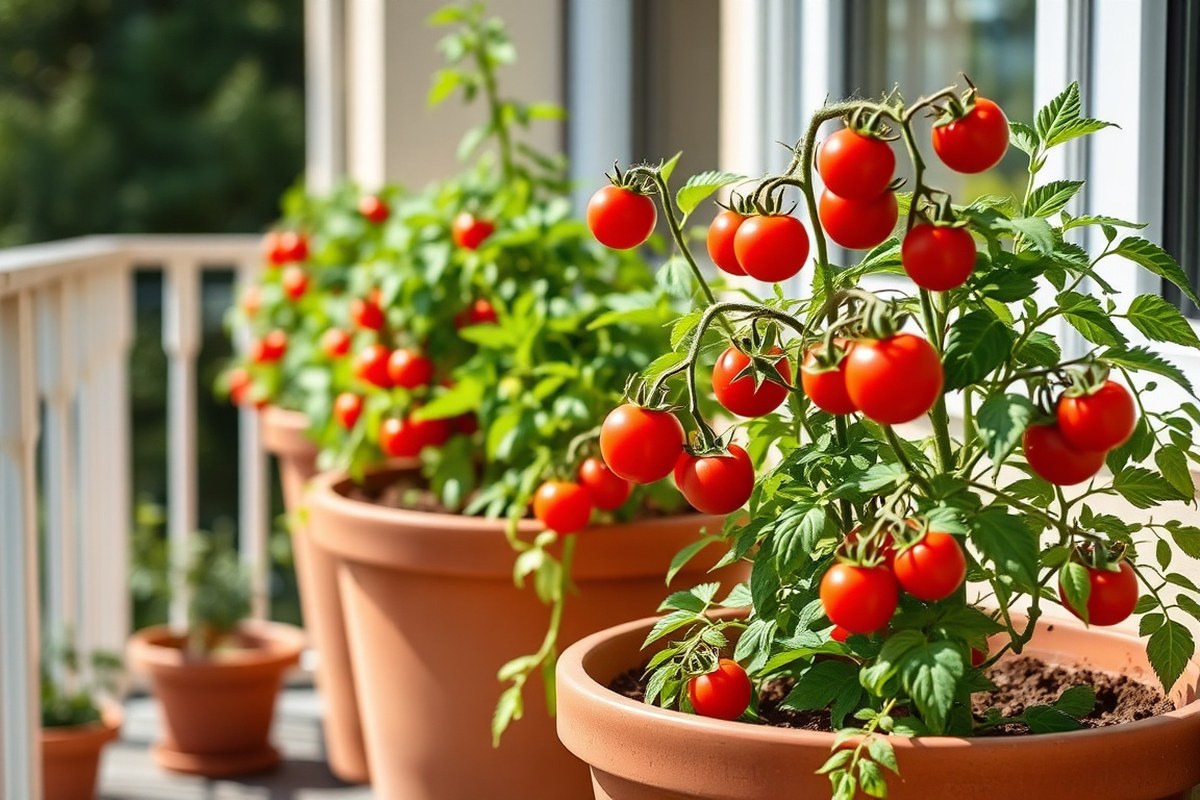
Growing cherry tomatoes in containers allows you to have fresh tomatoes close. Use a pot that’s at least 14 inches across and 12 inches deep. Fill it with organic potting mix that drains well to support healthy growth.
Place your container where it gets at least six hours of direct sunlight. The more sun, the better, so aim for eight hours if possible. This helps your tomato plants grow strong and produce lots of fruit.
Start with cherry tomato varieties that do well in pots, like determinate or patio types. Avoid containers smaller than 12 inches deep, since roots need room to grow. This setup makes growing cherry tomatoes on a balcony or small patio simple.
Water your tomatoes regularly but don’t let the soil stay soggy. Feed them every two weeks with a balanced liquid fertilizer. This keeps your plants healthy and your harvest steady all season long.
Key Takeaways
- Choose containers at least 15 inches tall and 14 inches wide for best growth.
- Use organic potting soil that drains well to avoid root rot.
- Pick cherry tomato varieties suited for containers, like determinate or patio types.
- Ensure your tomato plants get at least 6 hours of daily direct sunlight.
- Water consistently to keep soil moist but not soggy.
- Provide support if growing larger tomato varieties to prevent damage.
How to Grow Cherry Tomatoes in Containers Step-by-Step
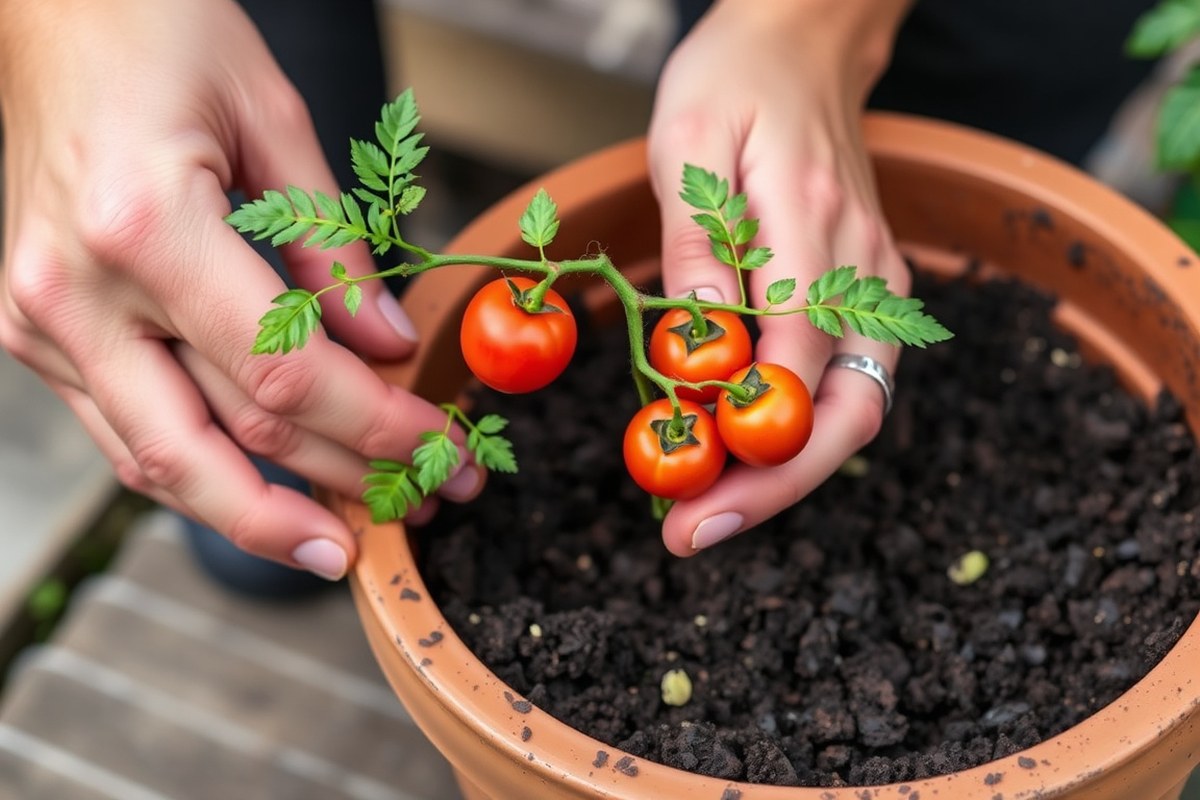
Growing cherry tomatoes in containers needs careful steps from planting to harvest. Each stage builds on the last.
So following clear actions helps you avoid common issues. Pay close attention to watering and feeding routines to get strong, fruitful plants.
- Fill your container with quality potting mix. Use organic, well-draining soil at least 12 inches deep. Avoid garden soil, which can compact and hold too much water.
- Plant seedlings or seeds about 1 inch deep. Space multiple plants at least 14 inches apart in larger pots. Gently press the soil around the roots for good contact.
- Place containers where they get 6 or more hours of sun daily. Choose south or west-facing spots on balconies or patios. Rotate pots weekly for even light exposure.
- Water plants deeply every day during warm weather. Container plants dry out faster than garden beds. Check soil moisture with your finger: water when the top inch feels dry.
- Apply a balanced, water-soluble fertilizer every 1 to 2 weeks. Use tomato-specific or general vegetable fertilizer after the plants start flowering. Follow package rates to avoid overfeeding.
- Support plants with stakes or a small trellis. Secure stems gently to avoid damage as they grow. This prevents breakage and improves airflow around the plant.
- Prune excess suckers and lower leaves regularly. This helps airflow and focuses energy on fruit production. Remove yellow or diseased leaves promptly.
- Watch for ripe fruits and harvest often. Pick cherry tomatoes once they turn fully red or their variety’s mature color. Frequent picking encourages more fruit to develop.
This step-by-step plan suits most cherry tomato varieties and container sizes around 5 gallons. Smaller pots need closer watering but may limit plant size and yield. Your plants will tell you when they need more water or support by wilting or leaning.
Healthy tomato plants stay upright with firm stems and show lots of bright green leaves. Avoid waterlogged soil.
Don’t let plants dry out either. Both lower fruit quality or cause flowers to drop.
Choosing the Best Containers for Cherry Tomatoes
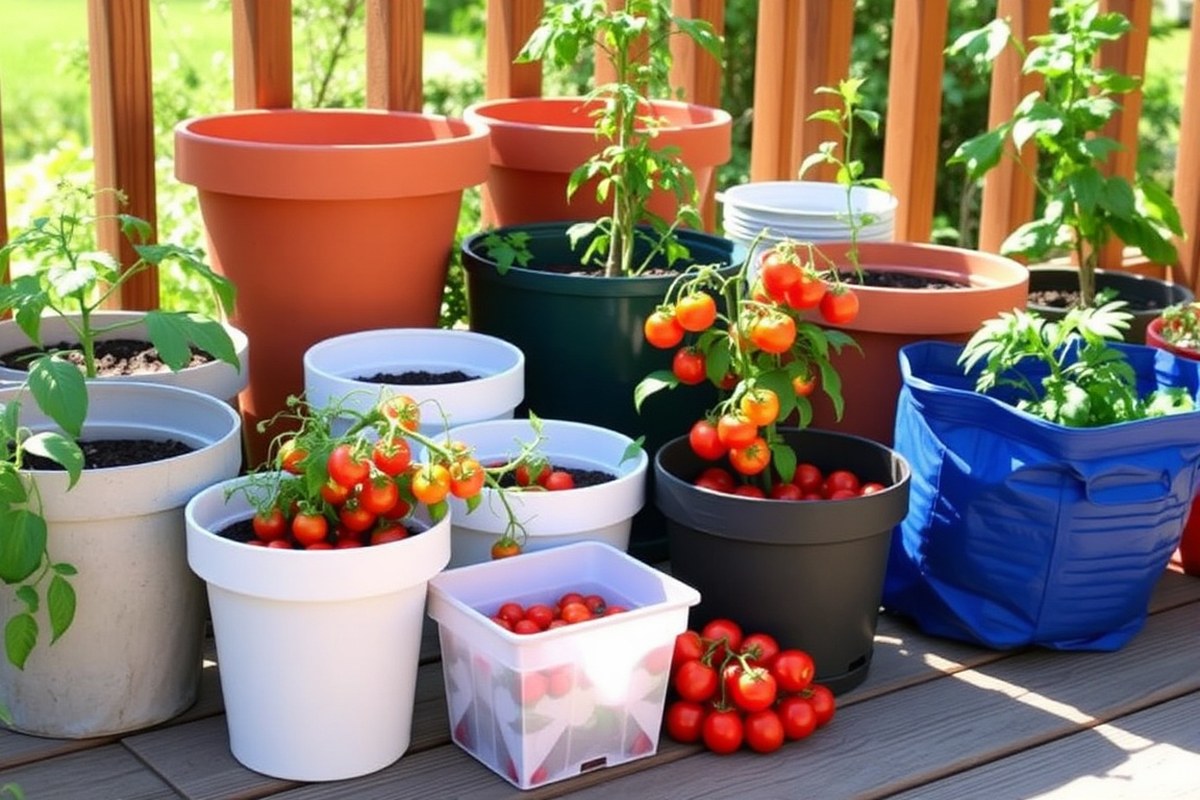
Cherry tomatoes need containers that provide enough root space, drainage, and stability. Choose pots at least 14 inches wide and 15 inches tall to meet these needs. Good drainage and sturdy materials keep plants healthy and upright.
Minimum Container Size Recommendations
A container should hold at least 5 gallons of soil for cherry tomatoes. That means about 14 inches diameter and 15 inches deep to fit roots and soil easily.
Determinate varieties can do well in shorter containers, around 12 inches tall. But most prefer deeper pots.
Smaller pots hold less soil, which dries out faster and stresses the plant. Bigger containers keep moisture more consistent and make plants less likely to tip over when tall. A pot size below these minimums risks weak plants and fewer tomatoes.
| Container Size | Diameter | Depth | Volume | Suitability |
|---|---|---|---|---|
| Small | Under 12 inches | Under 12 inches | Less than 4 gallons | Not recommended for cherry tomatoes |
| Minimum | 14 inches | 15 inches | 5 gallons | Suitable for most cherry tomato varieties |
| Large | 16 inches or more | 18 inches or more | 7 gallons or more | Best for indeterminate varieties or multiple plants |
| Shallow (determinate plants) | 14 inches | 12 inches or less | 4, 5 gallons | Works for bushy dwarf types only |
With the right size, roots have room to grow and absorb nutrients. That helps produce more tomatoes and keeps plants vigorous through the season.
Container Materials: Pros and Cons
Plastic containers are lightweight and hold moisture well, which helps avoid frequent watering. They cost less but can heat up in direct sun, affecting roots.
Terracotta pots look nice and breathe naturally, but they dry out quickly. They are heavier and less stable but offer good aeration for roots. Ceramic planters can be decorative but tend to hold water too long if unglazed.
Fabric grow bags drain well and prevent root circling. They dry faster, so expect to water more often. Choose bags with sturdy handles for moving and storing.
Ensuring Proper Drainage
Every container for cherry tomatoes must have drainage holes. Without them, water pools at the bottom and causes root rot. Use pots with multiple holes spaced around the base.
You can put gravel or broken pottery under the soil. This layer is optional.
Skip it if your holes drain water well. Add a saucer to catch excess water and protect your floor or deck.
Before planting, check that water flows freely through the drainage holes. You need to enlarge the drainage holes carefully.
Otherwise, choose a different container. Overwatering is common in containers, so well-draining soil and pots prevent problems.
Never ignore drainage; soggy soil kills cherry tomato roots fast.
Selecting Cherry Tomato Varieties for Containers
Compact, determinate cherry tomato varieties fit best in containers. They stay small and fruit all at once, great for limited space. Indeterminate types grow long vines.
They produce tomatoes steadily all season. They need bigger pots and more support.
Compact Determinate Varieties
Determinate tomatoes grow to a set size and stay bushy. They produce a heavy fruit harvest all at once, perfect for small pots or hanging baskets. These plants usually don’t require staking, making them simpler to manage in tight spots.
Tumbling Tom is a popular determinate variety. It’s sweet and mild, ideal for tiny pots or hanging baskets.
You can expect about 3 to 5 pounds of ripe tomatoes. The harvest lasts just a few weeks.
Bush Early Girl, though not a cherry type, behaves like them in containers. It bears small to medium fruit with a compact shape. This variety’s shorter growth makes it a good fit for smaller containers.
Vigorous Indeterminate Varieties
Indeterminate cherry tomatoes grow as vines and produce fruit all season long. They need larger pots, like 10 gallons or more, to support root and vine growth. Supporting them with cages or stakes is necessary to prevent breakage and sprawling vines.
Sun Gold offers a tropical sweetness and thrives in big containers with full sun. Black Cherry and Sweet Million have classic, rich flavors.
They produce steady crops through warm months. These varieties can yield 2 to 4 pounds per week at peak season.
Growing indeterminate tomatoes indoors is possible, but they require extra light and pruning. They also demand more frequent watering due to their size and continuous fruiting.
Fast-Maturing and Specialty Tomatoes
Cherry tomatoes typically fruit faster than larger varieties, about 55 to 70 days after transplanting. Fast-maturing varieties let you enjoy tomatoes sooner, important for short growing seasons. Specialty colors like golden Yellow Cherry add variety to flavor and appearance.
Cherry Gold produces sweet yellow fruits and stays compact, making it good for containers. Sweet ‘n’ Neat Cherry Red has small fruit and high yields.
It fits well in tight spaces. These varieties are bred for pots, balancing taste, size, and ease of care.
Choose fast-maturing plants for indoor setups or cooler climates to maximize your growing window. Keep the pots in warm, sunny spots to help ripen fruit quicker.
| Variety | Type | Flavor | Best For |
|---|---|---|---|
| Sun Gold | Indeterminate | Exceptionally sweet, tropical | Large pots (10+ gal), caged |
| Sungella | Indeterminate | Sweet, golden, crack-resistant | Large pots, staked |
| Black Cherry | Indeterminate | Rich, complex, slightly smoky | Large pots, full sun |
| Sweet Million | Indeterminate | Classic sweet cherry flavor | Large pots, heavy producer |
| Tumbling Tom | Determinate | Sweet, mild | Hanging baskets, small pots |
The table shows popular varieties suited for containers. Indeterminate types demand bigger pots and support but yield more fruit over time.
Determinate varieties fit smaller spaces and have shorter, concentrated harvests. Select based on how much space and care you can manage.
Preparing Soil and Potting Mix for Container Tomatoes
Cherry tomatoes grow best in a light, well-draining potting mix. Use about two parts high-quality organic potting soil mixed with one part compost. This blend provides the nutrients and airflow the roots need to stay healthy and productive.
Avoid using plain garden soil because it compacts easily and holds too much water in containers. Compacted soil blocks oxygen and makes roots weak. Potting mix drains well to stop water from sitting around roots.
It lets air reach tomato roots. This helps your tomatoes grow better.
Add a handful of worm castings to every gallon of soil mix. You can also use an organic fertilizer. Both boost nutrients in the soil.
Compost supplies slow-release nutrients. Worm castings improve microbial life in the soil, helping nutrients become more available. Stir these in thoroughly before planting.
Replace the top 2 to 3 inches of potting mix each season. Or mix in fresh compost instead. This keeps the soil fresh and healthy.
This keeps nutrient levels steady and avoids salt buildup from fertilizers. After a season, soil can become less fluffy and hold too much moisture. So refreshing it reduces root rot risk.
Check soil moisture by pushing your finger about two inches deep. The mix should feel moist but not soggy. Good soil texture feels crumbly and light, not dense or sticky.
Water pooling or draining too fast means you need to adjust soil. Add more compost if water pools on top. Use extra perlite if it drains too fast.
A simple soil mix costs about $10 to $15 for a 5-gallon pot. It includes potting soil and compost. This amount fills the container nicely.
Worm castings or organic fertilizers cost just a few dollars more per container. They make your plants healthier.
This also ups your tomato yield. Taking time for soil prep pays off in juicier tomatoes and less plant stress.
Choosing the Optimal Sunlight and Location
Cherry tomatoes need lots of sunlight to grow strong and produce fruit. They do best with six to eight hours of direct sun daily. Put your container where it gets full sun all day.
A south-facing porch or patio is a good spot. This helps your cherry tomatoes grow well.
Look for the brightest area outside that gets sun most of the day. Avoid spots shaded by trees or buildings. East-facing spots get only morning sun.
That means about four to five hours of light. This might not be enough for healthy plants.
Indoor growing is possible with the right light setup. A south-facing window providing six or more hours of direct sun can work. Use grow lights 14 to 16 hours a day when natural light is low.
This helps tomatoes grow strong indoors. You want enough light even without sun.
For limited sun situations, supplement natural light with a timer-controlled grow light. Position the light about 12 inches above the plants to mimic sunlight. This extra light helps your tomatoes get the energy they need to develop well.
Keep containers mobile if possible. You can move pots to the sunniest spots during the day. Rotating plants every few days helps even out light exposure and prevents uneven growth.
Keep your tomato pots out of shade. Even partial shade can reduce fruit size and yield.
Too little sun makes plants leggy, weak, and lowers fruit quality. Too much sun without water can stress plants, so balance light with regular watering.
Move pots to afternoon shade when temperatures go above 85°F. This protects tomato leaves from heat damage. It keeps your plants healthy in hot weather.
Choosing the best sunlight spot might take some trial and error. Watch your plants for signs of sun stress or not enough light. Adjust container placement until the plants look healthy with plenty of green leaves and blossoms forming.
Watering and Feeding Cherry Tomatoes in Pots
Cherry tomato plants in containers dry out faster than those in garden soil. Watering regularly keeps soil evenly moist and prevents fruit cracking from sudden water intake. Stick to a watering schedule that suits your local weather.
Water daily in hot weather. Water every two days during cooler periods.
Avoid overwatering by checking the soil’s top inch. Give water whenever the soil feels dry.
Avoid soggy soil, which leads to root rot and poor growth. Use pots with drainage holes to help excess water escape.
Feeding cherry tomatoes with fertilizer supports steady growth and fruiting. Begin fertilizing about two weeks after transplanting or when plants show new leaf growth. Choose a balanced fertilizer formulated for vegetables, like 10-10-10 or 5-10-5, or use a tomato-specific formula.
Applying fertilizer too often can burn roots and leaves. Follow package instructions carefully and avoid feeding more than every two weeks. Adding compost or worm castings at planting time boosts initial nutrients and soil health.
Here’s a checklist for watering and feeding your cherry tomatoes in containers. It explains what to water, how much, and when. This helps your plants grow healthy and productive.
- Check soil moisture daily by feeling the top inch for dryness.
- Water deeply to moisten the soil without making it soggy. Use 1 to 2 quarts based on pot size.
- Water early in the day to let leaves dry and reduce disease risk.
- Start fertilizing two weeks after planting with a balanced, vegetable fertilizer.
- Feed every 10 to 14 days, following fertilizer label directions for amount.
- Use compost or organic amendments at potting to improve nutrient supply.
- Watch for yellow leaves or weak growth; adjust watering or feeding if needed.
- Consider installing a drip irrigation system for consistent moisture in hot weather.
Watering needs depend on container size and weather. Smaller pots around 12 inches deep dry out quickly and need more frequent watering. Larger pots hold moisture longer but still require regular checks.
Feeding frequency varies with plant growth and fertilizer type. Slow-release fertilizers might need only monthly applications, while liquid feeds often suit two-week intervals. Adjust if leaves turn brown or show burnt tips; these are signs of overfeeding.
Supporting and Pruning Cherry Tomato Plants for Better Yields
Supporting and pruning cherry tomato plants in containers helps keep vines healthy and fruiting well. Use stakes or cages for upright growth and prune to manage size and boost yields. Both help avoid plant damage and make harvesting easier.
Choosing Support Structures
Small tomato cages are a popular choice for container-grown cherry tomatoes. They cost about $10 to $20 and offer steady support as vines grow. Stakes work well too, especially if you tie vines to them periodically.
Indeterminate tomatoes need taller support since they keep growing all season. Use stakes that stand 5 to 6 feet tall for support. Another option is cages about 18 inches wide and 24 inches tall.
Choose one depending on your container and space needs. Determinate types usually stay smaller, so a 3-foot stake or smaller cage will suffice.
A good support keeps vines off the soil and prevents sprawling that can damage plants. Without support, fruit can rot or get eaten by pests more easily. Choosing the right size support depends on the tomato variety and container size.
Pruning Techniques for Containers
Removing suckers lets indeterminate cherry tomatoes put energy into fruit production. These suckers appear where the main stem meets branches. Take them off when they reach about 2 inches in length.
Determinate tomatoes usually don’t need pruning since they stop growing after reaching a fixed height. Excess pruning can reduce the number of fruits on these bush types. Focus on removing only dead or damaged leaves instead.
Prune in the morning when vines are dry to avoid spreading diseases. Use clean, sharp scissors or pinch suckers off by hand. Regular pruning every two weeks keeps plants tidy and productive.
Training and Securing Vines
Tie vines loosely to stakes or cages with soft garden ties or strips of cloth. Check ties every week and adjust them to avoid cutting into stems as vines grow thicker. Keep ties spaced every 6 to 8 inches along major stems.
For indeterminate types, guide new growth upward by gently wrapping it around supports. Encourage air flow by spacing vines apart. Crowded vines stay wet longer, increasing disease risk in containers.
Remove any branches touching soil to prevent rot. Train vines away from container edges to reduce breakage. This steady management leads to stronger plants and more cherry tomatoes.
When and How to Harvest Cherry Tomatoes for Best Flavor
Cherry tomatoes are ready to pick when their skin turns bright and even in color. The fruit feels slightly soft but not mushy when gently squeezed. Choose a deep, bright color like red, orange, or yellow.
It depends on the variety you grow. These colors show the tomato is ripe and healthy.
Picking tomatoes at peak ripeness gives the best sweet and tangy flavor. Pick often, about every two or three days, especially in warm weather. Regular harvesting stops fruits from staying too long and turning bland or splitting open.
Hold each tomato gently and twist or snip it from the stem to avoid plant damage. Leaving stems attached slightly can prolong freshness after picking. Don’t pull hard, or the plant could lose more than just the fruit.
Daily checks help catch ripening fruit just as it reaches full color. Removing ripe tomatoes quickly encourages the plant to send its energy into making more fruit. This also extends your harvest season well into summer or early fall.
Store freshly picked tomatoes at room temperature, out of direct sunlight. Don’t refrigerate unless they’re fully ripe and you need to keep them a few days. Chill slows flavor development and changes texture in tomatoes.
Pick only fully ripe tomatoes for the best taste. Remove any shriveled or cracked fruits. This keeps your plant healthy and strong.
Harvesting encourages blooms along new stems and keeps growth strong. Don’t leave too many ripe fruits on the vine.
This tells the plant to slow down fruit production. Picking them on time helps keep growing.
Pick cherry tomatoes gently by twisting or clipping the stem without tugging hard. This helps avoid damage to branches and keeps your plant healthy for a longer season.
Troubleshooting Common Problems in Container Cherry Tomatoes
Cherry tomatoes in containers often suffer from watering mistakes. Leaves wilt or turn yellow when the soil dries out too fast. Check soil moisture daily during hot weather and water once or twice a day as needed.
Overwatering leads to soggy soil and root rot. Allow the top inch of soil to dry out before watering again. Use containers with drainage holes to avoid water buildup.
Signs of nutrient problems include yellowing leaves with green veins or small, pale fruits. Container plants need regular feeding since nutrients wash out faster. Apply a balanced liquid fertilizer every two weeks after the first flowers appear.
Choose one labeled for vegetables and follow dose directions carefully. Avoid too much nitrogen, which causes leafy growth but fewer tomatoes.
Pests in container tomatoes can include aphids, whiteflies, and spider mites. Look for sticky leaves, tiny moving dots, or webbing under leaves. Spray plants gently with insecticidal soap or neem oil every seven days to control them.
Removing pests early stops damage and spread. Beneficial insects like ladybugs also help keep pests down.
Common diseases affecting container tomatoes are fungal problems like powdery mildew and blight. White powdery spots or dark leaf spots signal trouble. Increase airflow by spacing plants and pruning lower leaves.
Use a copper fungicide spray according to label instructions if disease appears. Avoid wetting leaves when watering to reduce fungal risks.
Prevent problems with daily checks for dry soil, pests, and spots on leaves. Keep your containers clean and clear old leaves to stop disease.
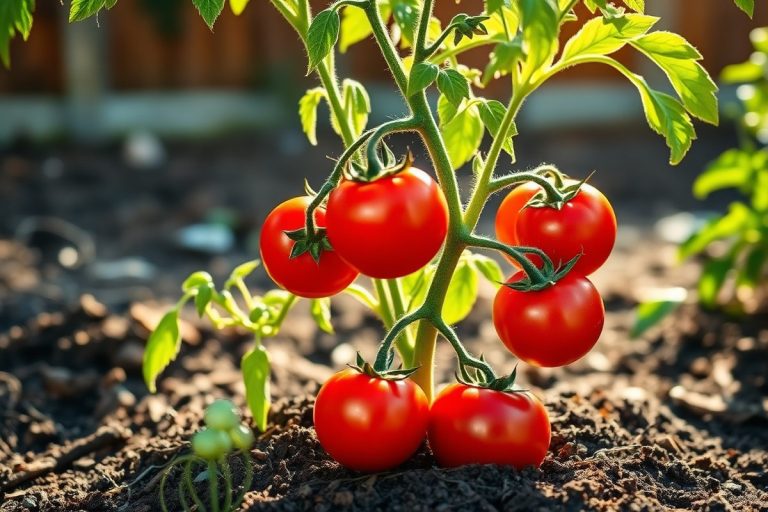
Rotate your tomato varieties or move pots each season to reduce soil-borne illnesses. Healthy plants have bright green leaves, steady growth, and plenty of firm red fruits.
Extending the Season and Growing Cherry Tomatoes in Small Spaces
You can grow cherry tomatoes indoors or on balconies by using containers that fit your space. Place pots near a south-facing window. Use grow lights 12 to 16 hours daily.
This gives your tomatoes enough light to grow well. Cherry tomato plants need warmth and bright light to produce fruit inside.
Choose fast-maturing varieties like Tommy Toe or “42-day” tomatoes for short seasons. They can start producing ripe fruit in as little as six weeks. This helps if you have less than five months before cold weather arrives.
Protect container tomatoes from frost by moving pots indoors. Use row covers if temperatures drop below 50°F. Both help keep plants safe.
Move them inside in the evening and back out during the day if temperatures warm up. This stops frost from damaging the plants and fruit.
Balcony growers can also use frost blankets or cold frames to keep plants warmer overnight. These tools trap heat and reduce chill, extending the harvest season by a few weeks. Remember to air out covers during the day to prevent mold on leaves.
Mobile containers let you follow the sun during cooler months. Shift pots to the sunniest side of your porch or balcony to get maximum warmth. Bring tomatoes inside if a hard frost is expected.
This keeps your crop alive longer indoors. It prevents frost damage effectively.
Indoor growing needs extra attention to humidity and ventilation. Cherry tomatoes like 50 to 70 percent humidity.
Use a fan to circulate air and prevent fungal issues. Keep soil evenly moist but not soaked to avoid root rot indoors.
Growing tomatoes in small spaces means choosing the right container size, generally 5 gallons or more. Smaller pots dry out quicker and limit growth. Use fast-growing tomato varieties for quicker harvests.
Provide good light and frost protection. This way, you get fresh tomatoes in cooler seasons.
Step-by-Step Action Plan for Growing Cherry Tomatoes in Containers
Follow these simple steps to start growing cherry tomatoes today. Each step includes what to do and how to check your progress.
- Before Planting: Choose a container at least 12 inches wide with drainage holes. Test by filling it with water and checking for good drainage.
- Day 1: Fill your container with loose, well-draining potting mix. It should feel light and crumbly in your hands.
- Day 2: Plant cherry tomato seeds or starter plants about 1 inch deep or root-level deep. Water gently until soil is moist but not soggy.
- Week 1: Put the container in a sunny spot. It should get at least 6 hours of direct sunlight each day. Check daily by seeing if leaves face toward the light.
- Week 2: Begin watering when the top inch of soil feels dry. Use about 1-2 cups of water each time, ensuring even moisture without puddles.
- Week 3: Apply a balanced liquid fertilizer twice a week, following the label directions. Watch the leaves for a healthy deep green color.
- Week 4: Add a small tomato cage or stake to support the growing plants. Gently tie vines as they grow to avoid damage.
- First Harvest (usually 60 days): Pick ripe, red cherry tomatoes daily. Check by tasting a few for sweet, firm flavor.
Frequently Asked Questions
How Long Does It Take for Cherry Tomatoes in Containers to Start Producing Fruit?
Cherry tomatoes usually start fruiting 60 to 70 days after planting. Providing enough sunlight and steady watering helps speed up flowering and fruit production.
Can I Grow Cherry Tomatoes Indoors Year-Round?
Yes, with grow lights and enough warmth, you can grow them indoors all year. Keep lights on 12-16 hours daily and maintain temperatures around 70°F for best results.
How Often Should I Change the Soil in My Cherry Tomato Container?
Refresh the soil or repot every 1 to 2 years to avoid nutrient depletion. Old soil can build up salts and pests that harm your plants.
Is It Necessary to Fertilize Cherry Tomatoes in Pots?
Yes, container tomatoes need regular feeding since nutrients wash out with watering. Use a balanced tomato fertilizer every 10 to 14 days during the growing season.
Can Cherry Tomatoes Survive If I Forget to Water Them for a Day or Two?
They usually tolerate a day without water but dry soil stresses plants quickly. Check soil moisture daily during hot weather to keep plants healthy.
Should I Remove Leaves Touching the Soil in Cherry Tomato Containers?
Yes, removing lower leaves touching soil helps prevent diseases like blight. It also improves air flow around the plants, reducing fungal problems.
The Bottom Line
Growing cherry tomatoes in containers gives you fresh, tasty fruit even with limited space. Start by picking the right container and sunlight for your plants. Next, plant your tomatoes this week and watch them grow.