What Should Indoor Humidity Be in Summer? A Complete Guide for Healthy Comfort
What should indoor humidity be in summer? The best range is between 40% and 50%. Staying within this keeps your home comfy and healthy without feeling sticky.
Humidity over 60% can cause mold, dust mites, and a lot of sweatiness. It also makes your home feel warmer than it really is.
It’s smart to avoid letting moisture build up that much. Controlling humidity helps cut down these problems.
Start by measuring the indoor humidity with a reliable hygrometer. Place it in rooms that trap moisture like kitchens, bathrooms, and laundry areas. Keep an eye on these spots to catch problems early and fix them fast.
Using a dehumidifier or running your air conditioner can help lower excess moisture. Make sure your home is well ventilated, especially during cooking and showers. Controlling humidity also protects your furniture and walls from damage over time.
Key Takeaways
- Maintain indoor humidity between 40% and 50% during summer for comfort and health.
- Keep humidity levels below 60% to prevent mold and dust mite growth.
- Use a hygrometer to check indoor humidity accurately.
- Focus on controlling moisture in kitchens and bathrooms first.
- Proper ventilation helps keep summer humidity in check.
- High humidity makes your home feel hotter and causes sticky skin.
What Is the Ideal Indoor Humidity Level in Summer?
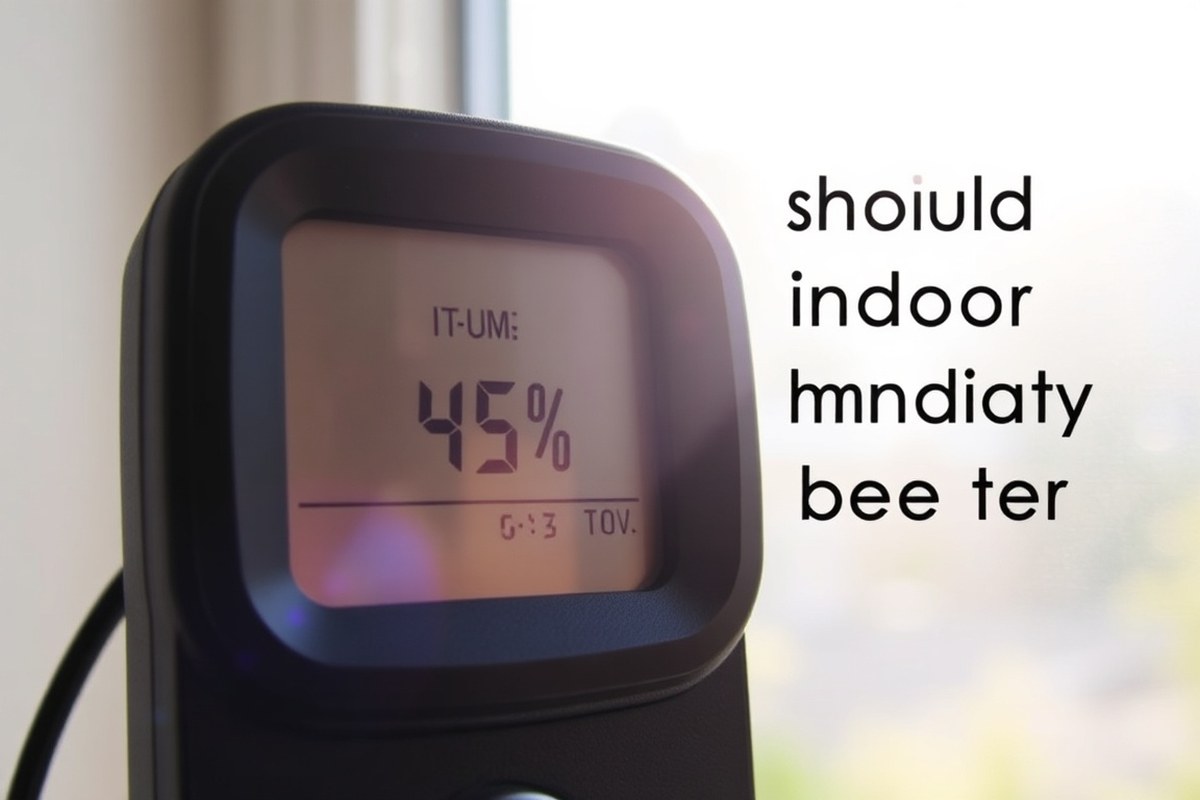
Indoor humidity in summer should stay between 40% and 50% for the best comfort. The Environmental Protection Agency recommends this range to reduce mold growth and allergens. Keeping humidity below 60% helps prevent sticky air and dust mite problems.
When humidity rises above 50%, it can feel warmer than the actual temperature. This happens because moist air slows sweat evaporation, making your body less able to cool down. Keeping humidity around 40% with temperatures at 65°F to 68°F keeps your home cool.
It also makes the air easier to breathe. This balance helps your indoor comfort.
Humidity affects your home’s comfort as much as temperature does. Dry indoor air below 30% hurts your skin and throat. It can cause irritation.
Humidity over 50% causes mold, dust mites, and bad smells. This happens mostly in bedrooms and basements.
To hit the ideal indoor humidity, use a reliable hygrometer to check levels daily. Adjust through ventilation, air conditioning settings, or dehumidifiers if necessary. Humidity needs can change by your home’s location and outdoor weather.
Try to stay near 40%-50% for a healthy home. This range works well for summer comfort.
How to Accurately Measure and Monitor Indoor Humidity
Types of Humidity Measuring Devices
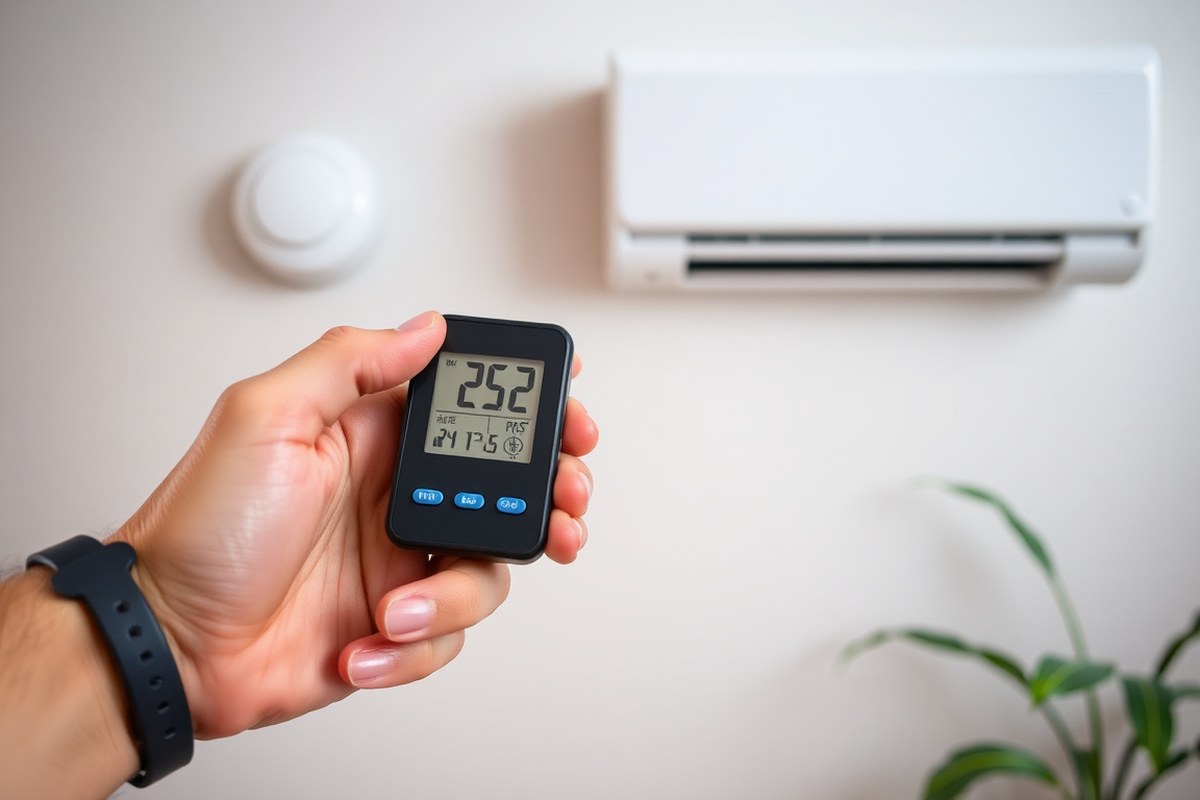
Digital hygrometers are the most common and reliable tool for measuring indoor humidity. You can buy them for around $15 to $30 at hardware stores or online. These devices show the relative humidity and temperature accurately.
They help you monitor moisture levels in your home. You can keep track easily with these readings.
Analog hygrometers are cheaper but less precise. They often have a 10% margin of error. This can give you misleading humidity readings.
You might think humidity is different than it really is. Smart home sensors integrate with your thermostat or phone app, offering continuous monitoring and alerts.
Optimal Sensor Placement in the Home
Put humidity sensors where you spend most time. Good spots are living rooms and bedrooms. This helps get the most useful readings.
Avoid spots near windows, doors, or vents since drafts can cause false readings. Keep sensors away from kitchens and bathrooms to prevent moisture spikes from cooking or showers.
Mount sensors about 4 to 6 feet off the floor at eye level for best results. This height captures the air you actually breathe. Consider multiple sensors if rooms have different humidity.
This gives you a better overall view. It shows moisture levels in each room clearly.
Daily Humidity Fluctuation Patterns
Indoor humidity in summer changes throughout the day, often rising in the morning and evening. These shifts follow outdoor temperature and ventilation changes, plus your home activities like cooking or showering. Afternoon levels may drop if air conditioning is running regularly.
Humidity can go over 60% during busy times. Poor ventilation also raises moisture levels. This increases the chance for mold and dust mites.
Checking your sensor readings several times a day lets you catch these spikes early. You can then open windows or use a dehumidifier to lower humidity.
To track your indoor humidity accurately, follow these steps:
- Buy a digital hygrometer or smart humidity sensor for your home.
- Place sensors away from windows, doors, vents, and moist areas.
- Mount them 4 to 6 feet high in your main living spaces.
- Check readings at least three times daily, morning, afternoon, and evening.
- Record readings or set your smart device to log data automatically.
- Note any spikes above 50%-60% and respond by increasing ventilation or using a dehumidifier.
- Adjust sensor locations if you notice inconsistent or unusual readings.
Regularly clean your humidity sensor to prevent dust buildup that can affect accuracy.
Why Controlling Humidity Is Important for Comfort and Health
Keeping indoor humidity below 60% during summer prevents mold growth and dust mite issues. Mold thrives when indoor moisture stays high and can cause allergies and respiratory problems.
Excess moisture helps dust mites grow fast. They often cause asthma and allergies in kids.
When humidity is over 60%, skin feels sticky. You might smell a musty odor inside. That uncomfortable damp feeling comes from moisture in the air making sweat evaporate slowly.
High humidity over time causes hidden issues. Condensation forms on walls and can ruin wood.
Controlling humidity between 30 and 50 percent helps keep your home comfortable and healthier. The EPA and American Lung Association say this range lowers mold and dust mites.
Humidity under 30% causes dry, itchy skin. Static electricity also may build up indoors.
High indoor moisture also increases the chance of respiratory issues. Small mold spores and dust mite waste irritate lungs.
It can make asthma and allergies worse. Monitoring humidity with a simple device helps prevent these problems before they start.
Bringing down humidity means using ventilation and air conditioning to remove moisture from the air. In especially humid climates, a dehumidifier can be a smart investment. It keeps moisture stable, cutting allergy triggers and helping your skin stay fresh and comfortable.
Room-by-Room Differences in Summer Humidity Levels
Indoor humidity in summer varies by room due to daily activities and moisture sources. Some rooms, like bathrooms and kitchens, tend to have higher humidity. Managing specific rooms helps keep the whole house comfortable and prevents mold or damage.
Humidity Levels in Kitchens vs. Bathrooms
Kitchens and bathrooms usually have the highest indoor humidity during summer. Cooking, dishwashing, and showers add moisture constantly. These rooms often reach humidity levels between 40% and 60%.
Bathroom ventilation is key to lowering humidity. Use a vent fan during and after showers. In kitchens, running an exhaust fan while cooking helps control moisture.
Living Areas and Bedrooms Humidity Ranges
Living rooms and bedrooms usually stay in the mid-range humidity of 30% to 50%. These rooms get moisture from breathing and sweating but less from direct water use. Keeping these levels stable helps comfort and prevents dust mites and mold.
Avoid drying wet laundry indoors in bedrooms. That can spike humidity above 50%. Use air conditioning or fans to circulate air and keep humidity in check.
Special Considerations for Basements and Crawl Spaces
Basements and crawl spaces often have the highest humidity because they are cooler and less ventilated. Humidity here can go above 60%, which risks mold and structural damage. It is common for these areas to feel damp in summer.
Seal cracks and use a vapor barrier on floors to reduce moisture entry. A dehumidifier designed for basements can keep humidity below 50%. Targeting these areas stops moisture from spreading to living spaces.
Tips for Room-Specific Humidity Control
Monitor rooms separately since humidity levels vary widely. Use portable dehumidifiers or exhaust fans in high-humidity spaces. Ventilate properly after showers and cooking to cut moisture immediately.
Check humidity with a small, inexpensive hygrometer in different rooms. If humidity exceeds 50% in any area, take action fast to prevent mold. Dry clothes outside or in a dryer vented outdoors to avoid raising indoor moisture.
| Room Type | Summer Humidity Range | Main Moisture Sources |
|---|---|---|
| Bathroom | 40%, 60% | Showers, baths, washing |
| Kitchen | 40%, 60% | Cooking, dishwashing |
| Living Room | 30%, 50% | Breathing, sweating |
| Bedroom | 30%, 50% | Breathing, sweating |
| Basement / Crawl Space | 50%, 60%+ | Ground moisture, poor ventilation |
Each room’s humidity affects overall comfort and indoor air quality. Addressing the most humid rooms first pays off.
Keep bathroom and kitchen humidity under 60% with fans and ventilation. Use dehumidifiers or seal leaks in basements to protect the whole home.
Effective Ways to Lower Indoor Humidity Without a Dehumidifier
Opening windows can help if the air outside is drier than inside. When outdoor humidity is lower, fresh air replaces moist indoor air. However, if outside air feels sticky or damp, keep windows closed to avoid adding moisture.
Fans help move air around in your room. They push humid air outside. Fresh, drier air comes in through open windows.
Ceiling or portable fans don’t remove humidity but improve comfort by speeding sweat evaporation. HVAC systems remove moisture when set to a cooler temperature, as cold air holds less moisture. Turn your AC temperature down slightly.
This helps the AC remove more moisture from the air. It lowers humidity indoors effectively.
Some daily habits also reduce indoor moisture. Avoid drying clothes indoors and use lids when cooking.
Run kitchen and bathroom exhaust fans during and after activities that generate steam or moisture. These simple changes work together to cut down humidity without spending extra money.
- On dry days, try opening windows and doors wide. This lets fresh air flow inside. It improves the indoor air quality.
- Use ceiling or portable fans to circulate air indoors.
- Run kitchen and bathroom exhaust fans during cooking and showers.
- Lower your air conditioner temperature a few degrees to boost dehumidification.
- Avoid drying clothes inside the house.
- Keep lids on pots when cooking to reduce steam release.
Opening windows only helps if outdoor humidity is below indoor levels. Otherwise, it can add moisture and make the problem worse.
These steps cost nothing but take some attention and timing. Aim for better airflow when outdoor air is cooler and drier.
A few degrees difference can change humidity control results. Combined, these methods reduce sticky feelings and prevent condensation on windows or walls.
Choosing and Using Dehumidifiers for Summer Humidity Control
Choosing the right dehumidifier depends on your home’s size and how much moisture it produces. Portable units work well in small, damp rooms during summer. Whole-house models suit larger areas or if you want year-round humidity control.
Portable vs. Whole-House Dehumidifiers
Portable dehumidifiers are ideal for basements, laundry rooms, or single rooms with high humidity. They are easy to move and typically handle up to 70 pints of moisture a day. These units are good when you spot humidity over 60% or poor ventilation.
Whole-house dehumidifiers connect to your HVAC system. They provide balanced humidity in your entire home. These cost more upfront but offer steady control through summer, spring, and fall.
A variable speed AC isn’t always an option. Whole-house units work well instead.
Sizing Your Dehumidifier by Room Size
Matching the dehumidifier size to your space keeps humidity in check without wasting energy. You usually pick one based on how many square feet need dehumidifying. Higher humidity or damp areas might need a more powerful unit.
Below is a general guide to help figure out your dehumidifier size:
| Room Size (sq ft) | Recommended Capacity (Pints/Day) |
|---|---|
| Up to 500 | 20, 30 |
| 500 to 1,000 | 30, 50 |
| 1,000 to 1,500 | 50, 70 |
| 1,500 to 2,000 | 70, 90 |
| Whole house (up to 2,500) | 90+ |
For example, a damp 800-square-foot basement needs a 30 to 50-pint dehumidifier. Crawl spaces often use compact units like the WatchDog NXT85C, which handles 85 pints daily.
Maintenance Tips for Optimal Use
Empty the water tank regularly to prevent spills and mold. Most portable models have a pump. The pump sends water to a drain.
This helps reduce the need to empty it by hand. Check the air filter once a month and clean or replace it if clogged.
Keep the coils clean. Make sure the dehumidifier has at least 6 inches of space around it. This space lets air flow freely.
This helps it run efficiently. Not cleaning the unit often means it removes humidity poorly. It can also raise your energy bills.
Common Mistakes in Managing Summer Indoor Humidity and How to Fix Them
Humidity can stay high if your HVAC or ventilation systems don’t work right. Poor air circulation traps moisture inside. Also, some people overuse humidifiers or forget about hidden water sources, which adds to the problem.
Many homeowners make simple errors, like setting their AC too cold or not running exhaust fans. These mistakes can keep humidity above 60%, which is too high. Over-drying is also a risk if you rely only on dehumidifiers without balancing airflow.
The checklist below helps you fix common flaws and get humidity under control:
- Check that your HVAC system’s filters are clean and replaced regularly
- Use bathroom and kitchen exhaust fans during and after activities
- Keep your air conditioner set between 74°F and 78°F to avoid excess moisture
- Seal leaks around windows and doors to prevent outdoor humid air from entering
- Limit indoor plants that release moisture on hot days
- Run a dehumidifier in problem spots but monitor not to drop humidity below 30%
- Fix plumbing leaks and dry wet surfaces promptly
Tests with a digital hygrometer show which rooms hold more humidity. Avoid common pitfalls like running AC with closed vents or relying on fans alone.
You can still over-dry the air, which irritates skin and breathing. So watch your humidity level carefully.
The cost of these fixes is usually low. Cleaning filters costs about $10 to $30 every three months. Exhaust fans use electricity but help prevent bigger problems.
Dehumidifiers range from $150 to $400, depending on size. Small investments keep your home comfortable and healthy during summer.
How to Balance Temperature and Humidity for Maximum Summer Comfort
Temperature and humidity together shape how comfortable you feel indoors. Higher humidity makes the air stickier, raising the perceived temperature. For example, 80°F with 70% humidity feels hotter than the same temperature at 40% humidity.
During summer, aim for indoor humidity between 30% and 50%. That range keeps the air fresh without feeling dry or clammy.
Pair it with temperatures near 75°F for bedrooms. This combo helps you sleep better by reducing sweating and discomfort.
Adjust your air conditioner to control temperature first. When humidity climbs above 50%, run the AC longer.
You can also lower the temperature setting a bit. Air conditioners remove moisture naturally as they cool, so this helps balance both factors.
When humidity stays high despite AC use, consider a dehumidifier. Dehumidifiers cost between $200 and $400. They can lower humidity by 10% to 20%.
Results appear within a few hours. Use them especially in bedrooms, where excess moisture can disturb sleep and promote mold.
Closing windows and sealing door gaps also keeps humid outdoor air out. Ventilation brings fresh air but can raise humidity if it’s muggy outside. Run exhaust fans during showers and cooking to reduce indoor moisture buildup quickly.
Keep humidity below 50% whenever possible, as higher levels encourage mold and dust mites indoors.
For a practical setup, set the thermostat to about 75°F before bedtime. Check humidity with a handheld hygrometer. When humidity is above 50%, run a dehumidifier.
Or increase AC running time to reduce moisture. Avoid cooling rooms below 70°F, which can cause dryness and raise energy bills unnecessarily.
Remember, the balance depends on outdoor weather and your home’s airflow. Homes in humid regions may need dehumidifiers more often. In drier areas, just controlling AC settings typically suffices for comfort.
Step-by-Step Action Plan for Managing Summer Indoor Humidity
Follow these steps to keep your home’s humidity in the ideal range during summer. Each step helps you check progress and make adjustments.
- Day 1: Use a digital hygrometer to get your home’s current humidity. Note readings in different rooms, especially the kitchen and bathroom.
- Day 2: Fix simple moisture sources. Check for leaks or dry wet towels. Humidity should begin dropping within 24 hours.
- Week 1: Ventilate daily by opening windows or running exhaust fans. Measure humidity before and after to see if it lowers.
- Week 2: Use ceiling or portable fans to boost air circulation. Confirm the humidity stays below 60% in the main living areas.
- Week 3: If humidity remains high, install a dehumidifier in problem rooms. Check the device’s gauge or your hygrometer for improvements.
- Month 1: Maintain a balance by adjusting thermostat settings to around 75°F and humidity near 50%. Feel the air for comfort and use your hygrometer weekly.
- Ongoing: Avoid drying clothes indoors and limit houseplants in humid spaces. Recheck humidity levels during weather changes or after adding new appliances.
Frequently Asked Questions
What Should Indoor Humidity Be in Summer to Avoid Mold Growth?
Keep indoor humidity below 60% in summer to prevent mold and mildew. High humidity above this level creates perfect spots for mold spores to grow in your home.
Is It Better to Run Air Conditioning or a Dehumidifier to Control Summer Humidity?
Use air conditioning combined with a dehumidifier for best humidity control in summer. AC cools and lowers humidity inside your home.
Sometimes, it can’t remove enough moisture. Then, a dehumidifier helps remove extra dampness.
How Does Outdoor Summer Humidity Affect Indoor Levels?
Outdoor humidity directly impacts indoor air moisture, especially if windows or doors are open. High outdoor humidity can quickly raise indoor moisture.
Sealing leaks and ventilating well are very important. These steps help keep indoor air drier.
Can Plants Increase Indoor Humidity During Summer?
Some houseplants do release moisture and can raise indoor humidity slightly. Your home feels damp? Reduce houseplants or move them outside during humid months.
Is Using Exhaust Fans in the Kitchen and Bathroom Effective for Summer Humidity?
Yes, exhaust fans remove moist air from cooking and showering, lowering indoor humidity. Running them during and after activities helps keep humidity in the recommended range.
How Does Humidity Affect Dust Mites and Allergens in Summer?
Humidity over 50% encourages dust mites and allergens to thrive and spread. Keeping it below this level reduces allergy symptoms and improves overall indoor air quality.
Wrapping Up
Keeping indoor humidity between 40% and 60% in summer improves your home’s comfort and health. Start by measuring your home’s current humidity today. Taking one step now makes your space more pleasant and safe for the whole summer.