What Is a Pothos Plant: A Complete Guide to Care, Types & Growth
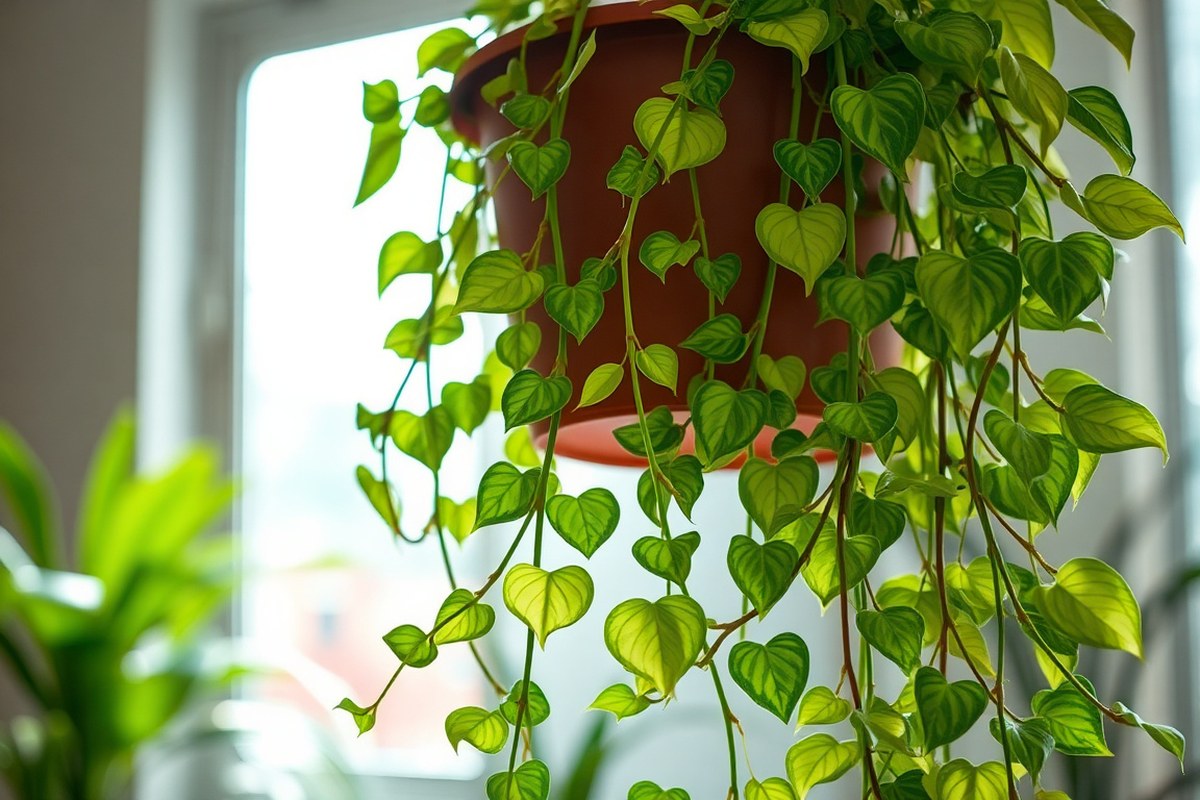
What is a pothos plant? It is a popular houseplant known for easy care. This vine has heart-shaped leaves in green, yellow, and white shades.
Pothos adapts well to low light and changes your room’s feel with its lush leaves. It can trail down shelves or climb a support, adding a lively touch anywhere.
Pothos originates from the Solomon Islands and thrives in warm climates. It prefers indoor temperatures between 65 and 80 degrees Fahrenheit.
Avoid cold drafts below 60 degrees to keep your pothos growing well. This plant tolerates irregular watering but does best with consistent moisture without soggy soil.
Pothos plants grow fast and often need repotting every one to two years. Choosing pots slightly bigger than the last helps the roots spread.
Prune stems to keep your pothos bushy and full at any size you want. Regular trimming also prevents legginess and encourages new growth.
Key Takeaways
- Pothos is a hardy indoor vine with heart-shaped leaves.
- Keep pothos where temperatures stay between 65 and 80 degrees F.
- Re-pot pothos every 1-2 years in a pot 1-2 inches larger.
- Trim stems regularly to encourage fuller, bushier growth.
- Avoid temperatures below 60 degrees to prevent slow growth.
- Pothos tolerates low light but bright, indirect light is best.
What Is a Pothos Plant and Its Origin
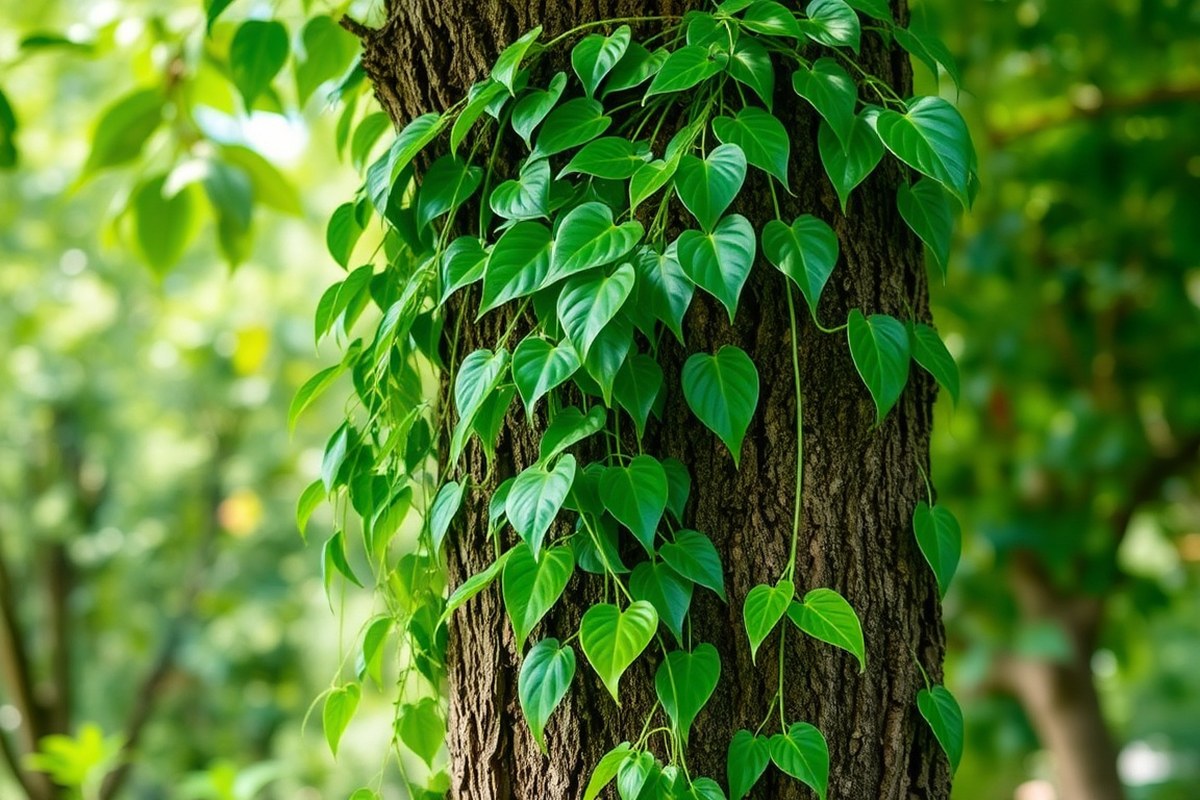
The pothos plant, known scientifically as Epipremnum aureum, is a popular indoor vine. It grows long trailing stems that can reach 6 to 10 feet inside. But outdoors in its native habitat, it can stretch much longer.
The plant comes from the Solomon Islands in the South Pacific. It grows in tropical places there. It likes warm and humid weather.
Pothos features heart-shaped leaves that are thick and glossy with a leathery feel. The leaves often have variegation in shades of yellow, cream, or white, which varies by cultivar.
This plant is hardy in USDA zones 10 to 12, where it can grow outdoors. But it is mostly kept inside in cooler areas.
The plant prefers shade to bright indirect light and well-draining soil. Its natural habitat offers temperatures between 70 and 90 degrees Fahrenheit.
But pothos adapts well to typical indoor room temperatures of 60 to 80 degrees. Its vining habit and easy growth make it a great beginner plant for indoor gardening.
How to Identify True Pothos vs Similar Plants
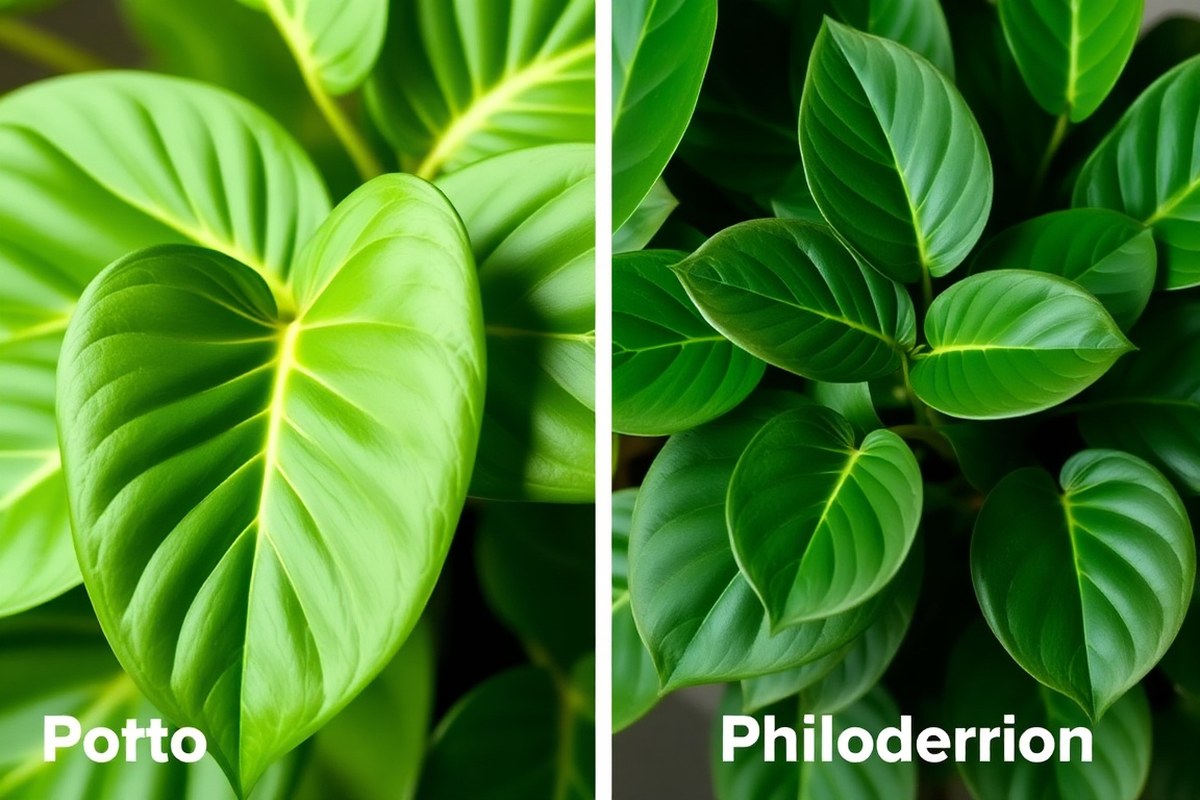
True pothos plants look similar to some other houseplants. But small details can help you tell them apart. The leaf stems, petioles, and new growth patterns offer the best clues.
For example, pothos stems have a slight groove. Philodendron stems feel smooth to touch.
Pothos and philodendron both have heart-shaped leaves. But philodendron often shows free stipules at new growth points. Pothos lacks these.
Also, pothos usually has variegated leaves in yellows or creams. Philodendron tends to stay solid green or less variegated.
| Feature | Pothos | Philodendron | Satin Pothos |
|---|---|---|---|
| Genus | Epipremnum | Philodendron | Scindapsus (not true pothos) |
| Leaf Stem (Petiole) | Grooved | Smooth | Grooved |
| New Growth | No free stipules | Has free stipules | No free stipules |
| Leaf Color/Variegation | Common & varied variegation | Usually solid green | Speckled silver (not pothos) |
| Related Plants | Anthurium, Caladium | Anthurium, Caladium | Different genus |
Satin pothos is not a true pothos. It belongs to the Scindapsus genus, which is closely related but different. Satin pothos leaves have silvery spots on their surface.
Common pothos types show yellows, whites, or greens instead. Their variegation appears random, unlike satin pothos.
Other similar plants can fool you, too. Some philodendrons look almost like pothos, especially if their leaves are heart-shaped. Checking the grooved petiole and presence of free stipules below new leaves will clarify this quickly.
Look closely where the leaf and stem connect. That’s where pothos shows a small groove on the petiole.
For the average grower, knowing these details means avoiding common mix-ups. Pothos plants grow fast and repot easily, but some lookalikes have different care needs. Identifying your exact plant guides you to give water, light, and feeding right for healthy growth.
Common Pothos Varieties and Cultivars Explained
Pothos includes several popular varieties with different leaf colors and patterns. Common types like Golden Pothos and Marble Queen vary in variegation and leaf shape. Some newer cultivars are patented, offering unique traits for indoor gardeners.
Golden Pothos (Epipremnum Aureum ‘Aureum’)
Golden Pothos is the classic variety with heart-shaped leaves. Its foliage is bright green with golden-yellow variegation splashed randomly across the leaves. The leaf size varies from 4 to 12 inches, adding vibrant color indoors.
This plant is easy to recognize because of its shiny leaves with irregular yellow patches. It climbs by aerial roots and adapts well to medium or low light. Golden Pothos sets the standard look people expect from a pothos plant.
Marble Queen and Pearls and Jade®
Marble Queen pothos shows bright green and white marbled variegation on its leaves. The variegated areas vary from creamy white to light green shades, usually with large leaf sizes. This cultivar originated from selections of Epipremnum aureum and is popular for its bold look.
Pearls and Jade® combines silvery white and green variegation with gray streaks. It fits well in lower-light spots since the colors stay muted and the leaves are smaller. Pearls and Jade® is a patented variety cherished for its subtle pattern and easy care.
Global Green and Lemon Meringue
Global Green is a patented cultivar with shades of medium to dark green leaves. The variegation is subtle green-on-green, giving leaves a matte finish with silver-gray blotches. This look is more understated compared to brightly variegated types.
Lemon Meringue is a sport of Global Green and is also patented. Its leaf margins glow golden yellow with darker green centers that brighten in more sunlight. This reversed variegation provides a fresh, eye-catching contrast that changes with light exposure.
- Golden Pothos: green leaves with random golden-yellow variegation
- Marble Queen: large green and white marbled or creamy leaves
- Pearls and Jade®: green and white with silvery gray streaks
- Global Green: medium to dark green leaves with matte variegation
- Lemon Meringue: brighter golden edges with dark green centers
- Jade Pothos: solid dark green foliage for a minimalist look
- Cebu Blue: rare silvery-blue sheen with unique variegation
Most pothos varieties won’t show bright reds or oranges. The variegation usually includes yellow, cream, gray, or white. Patented plants like Lemon Meringue and Global Green offer collectors unique traits protected by plant patents.
Ideal Light, Temperature, and Humidity for Growing Pothos
Pothos plants grow best with bright, indirect light. They can survive in low light or fluorescent lighting but grow slower there. Avoid direct sunlight since it can burn the leaves and cause them to turn brown.
The ideal temperature for pothos is between 65°F and 85°F (18°C to 29°C). They tolerate a range but do not like cold drafts or sudden temperature changes. Keeping them in this range helps maintain healthy growth and vibrant leaves.
Humidity helps pothos thrive but average indoor levels usually work fine. They prefer humidity around 40% to 60%, similar to most homes. If your home is very dry, especially in winter, a humidity tray or occasional misting can keep your plant happier.
Bright filtered light from a north or east-facing window often works well. You can place your pothos behind sheer curtains to soften strong sun rays. This prevents leaf scorch and supports steady growth without stressing the plant.
Temperature below 60°F may slow growth and cause yellow leaves. Try to keep them away from cold windows or air conditioners. In naturally warmer homes, pothos often do well year-round without special adjustments.
Keeping humidity steady is easier if you group plants or use a humidifier in dry rooms. However, pothos is forgiving and can adapt to lower humidity better than some tropical plants. Overly dry air can make the leaf edges brown or crispy.
Some people notice faster growth when temperature hits closer to 85°F and humidity stays above 50%. This combination mimics their natural tropical environment. Still, pothos will survive and remain healthy across many light and humidity conditions.
Watering, Soil, and Repotting Guidelines for Pothos
Pothos needs watering every 1 to 2 weeks based on soil dryness. Use a well-draining soil mix with moisture retention and good airflow. Repot your pothos every 1 to 2 years or when roots crowd the pot.
Checking Soil Moisture Before Watering
Feel the top 1 to 2 inches of soil before watering. Only water if this layer feels dry. Avoid watering on a strict weekly schedule since moisture levels change with temperature and humidity.
When watering, drench the soil until water comes out of drainage holes. Let the soil dry well between waterings to prevent root rot. Empty any saucers after watering to stop standing water at the pot’s base.
Choosing the Right Pot and Soil
Select a pot with drainage holes to avoid soggy soil. Pothos likes a mix that drains well but holds some moisture. A mix of peat, pine bark, and perlite or vermiculite works well.
This soil keeps air around the roots, which is important for healthy growth. Avoid heavy garden soils or pure peat, as they may retain too much water. Lightweight commercial houseplant soil blends made for tropical plants work fine.
- Use pots slightly larger than the root ball
- Ensure drainage holes are clear
- Choose a soil mix just moist but airy
- Avoid compacted or waterlogged soils
- Use a saucer to catch excess water
- Check for root growth out of drainage holes
Healthy pothos roots need oxygen and good drainage to prevent decay. This setup helps them thrive indoors without fuss.
Repotting Every 1-2 Years Process
Repot when roots fill more than 75% of the pot or poke out drainage holes. Gently remove the plant, loosen tangled roots, and trim any dead ones. Use fresh soil and a pot about 1 to 2 inches larger in diameter.
Repotting encourages fresh growth and prevents the plant from becoming root-bound. For a repot, follow these steps:
- Water the plant a day before repotting
- Remove the pothos carefully from its pot
- Loosen the root ball gently with fingers
- Trim dead or rotting roots with clean scissors
- Fill new pot with fresh soil mix
- Place pothos in the pot and fill gaps with soil
- Water thoroughly after repotting
Keep in mind pothos tolerates being rootbound but prefers space to grow for best health.
How to Propagate Pothos Easily at Home
Propagating pothos is simple and fast with stem cuttings. You’ll only need a healthy stem, water or soil, and some bright, indirect light. Rooting usually takes about 2 to 4 weeks.
Selecting and Cutting the Stem
Choose a healthy pothos stem that has at least one node. The node is a small bump where the leaf meets the stem. This is where roots will develop.
Use clean, sharp scissors or pruning shears. Cut about 4 to 6 inches of stem just below a node. Remove any leaves near the cut end to avoid rot.
- Pick a stem with 3 to 4 leaves
- Cut below a visible node on the stem
- Trim off lower leaves to expose the node
- Use sterile scissors to prevent infection
- Handle the cutting gently to avoid damage
Be careful not to damage the node during cutting. You want as much of the node exposed as possible for better root growth.
Rooting in Water vs Soil Options
You can root pothos cuttings in water or in soil. Water rooting lets you watch new roots grow clearly. Fill a jar with room-temperature water and place the cut end in it.
For soil rooting, plant the cutting 1 to 2 inches deep in moist, well-draining potting mix. Keep the soil moist but not soggy to avoid rot.
- Use filtered or tap water at room temperature
- Change water every 4 to 7 days to prevent bacteria
- Plant cuttings in soil with good drainage
- Water soil immediately after planting cuttings
- Wait until roots are 1 to 2 inches before transplanting
Both methods work well if you watch moisture levels closely. Roots usually show up in 2 to 4 weeks in either method.
Light and Temperature During Rooting
Bright, indirect light helps roots form quickly without damaging the cutting. Avoid direct sunlight, which can dry out or scorch cuttings. Keep the cuttings in temperatures between 65°F and 85°F. Cool or cold conditions slow root growth and may cause the stem to rot.
The cutting should get 4 to 6 hours of this light daily. Too little light means slow root growth. Too much can dry out or burn leaves.
Common Pothos Problems and How to Fix Them
Yellow leaves on pothos happen for a few reasons. Older leaves naturally yellow and fall off; you can just remove these gently. New leaves turning yellow or spreading yellow means check light and water.
Overwatering often causes yellow leaves because roots may rot without fresh air. Water your plant only when the top inch or so of soil feels dry.
Brown or black spots can show up from different causes. Soft or wet-looking spots usually mean fungus or too much water. Let leaves dry out to help.
Watch watering habits closely to prevent this. Dry, sunburned spots happen if your pothos gets too much direct light. Check leaves regularly and wipe them clean to catch spots early.
Spotting on leaves calls for less watering and better airflow. Open windows or use fans to boost air movement now. For fungal spots, remove affected leaves and use a mild fungicide as directed on the label.
Pests like mealybugs and scale can bother your pothos. Mealybugs look like tiny cotton balls on stems and leaves. Scale bugs look like small brown lumps.
Both suck sap and weaken your plant. To treat them, first wipe leaves thoroughly with a cotton swab dipped in rubbing alcohol.
Repeat this treatment every few days until pests disappear. For heavier infestations, use an insecticidal soap spray and follow label instructions.
Pothos like humidity between 40 and 60 percent to stay healthy. Dry air, especially in winter, causes stress and yellow leaves. Misting the leaves or placing a humidifier near can help.
Dry air also invites pests and worsens spots. Increasing humidity is a simple fix to try.
Regular inspection helps catch problems before they worsen. Look for yellow leaves that are new or spreading, spots forming, or any pests crawling. Yellow leaves on a few older stems usually don’t need action.
But new issues mean check water, light, and pests. Taking steps early saves your plant from bigger trouble and keeps it looking green and healthy.
Pruning and Growth Tips to Keep Pothos Healthy
Prune pothos every few months or when vines get leggy. Cut just above a growth node to encourage new side shoots. This helps your plant stay bushy instead of long and sparse.
Use sharp, clean pruning shears to avoid damaging the plant. Trim off any yellow or brown leaves to keep the foliage healthy. You can also cut back bare stems to the base to promote fresh growth.
Controlling the vine length prevents pothos from becoming tangled or overwhelming small spaces. Trim vines back to a length that suits your display. Regular pruning encourages fuller, well-shaped plants that fill their space nicely.
- Cut 4 to 6-inch sections just above a leaf node to propagate new plants.
- Remove old, leggy growth to boost bushiness.
- Prune any damaged or discolored leaves promptly.
- Keep vine length manageable to avoid crowding.
- Use sterilized scissors or shears to reduce infection risk.
Faster growth means you might prune more often in spring and summer. During slower winter months, reduce pruning to maintain shape. Too much cutting at once can stress the plant, so spread out pruning sessions.
Always clean your pruning tools before using them. This stops pests and diseases from spreading. Protect your pothos plant by keeping tools clean.
Step-by-Step Action Plan to Grow Your Pothos Plant
Follow these simple steps to get your pothos thriving in your home. Each step helps you check if your plant is happy and growing well.
- Day 1: Place your pothos in bright, indirect light to avoid leaf burn. Look for healthy, green leaves after a week.
- Week 1: Water your plant when the top inch of soil feels dry. Watch for no drooping or yellowing leaves in the days after.
- Week 2: Check humidity levels; aim for 40-60%. You can use a small humidifier or mist leaves if dry air bothers your pothos.
- After 1 Month: Inspect roots if you repotted when buying the plant. Make sure roots are white and firm, not brown or mushy.
- Month 2: Begin pruning long or leggy vines to encourage fuller growth. New shoots should appear in weeks.
- Month 3: Try propagating a healthy stem in water to grow a new plant. Roots should grow within 2-4 weeks.
- Every 6 Months: Repot pothos if roots fill the pot or soil looks compacted. Fresh soil boosts nutrients and drainage.
Frequently Asked Questions
What Is a Pothos Plant’s Natural Growth Habit?
Pothos plants naturally trail or climb in their growing environment. They use aerial roots to attach to nearby supports like trees or walls.
Can Pothos Plants Survive Outside the Home?
Pothos can grow outdoors in USDA zones 10 to 12. They thrive in warm, humid climates but need shade from direct sun.
How Often Should You Repot a Pothos?
Repot pothos every 1-2 years to give roots more space. They grow quickly and can become root-bound if left too long.
Does Pothos Need Fertilizer, and How Often?
Pothos benefits from monthly feeding during the growing season. Use a balanced, water-soluble fertilizer diluted to half strength.
Can You Plant Pothos in Water Only?
Yes, pothos can grow in water but change it weekly. This prevents root rot and keeps the plant healthy.
Are Pothos Leaves Edible or Toxic?
Pothos leaves are toxic if ingested and can cause irritation. Keep them away from pets and small children.
Final Thoughts
Your pothos plant is a tough, easy-care option perfect for most homes. Starting with the right light and watering will keep it happy. Check your plant often and enjoy watching it grow.

One Comment