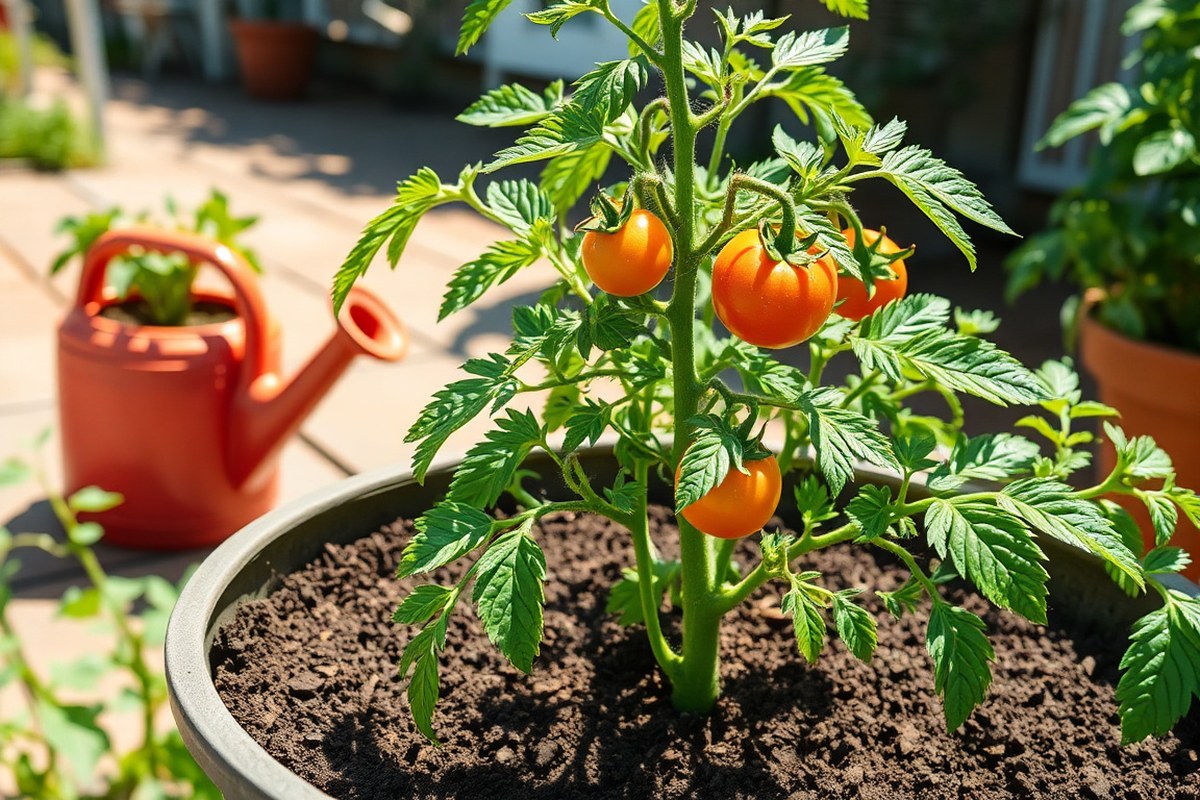
How Often to Water Tomato Plants in Containers: A Complete Guide That Works
How often to water tomato plants in containers depends on their size and growth stage. Generally, water deeply when the top 1 to 2 inches dry. Check soil by feeling it with your fingers.
Water only if the soil feels dry. This usually means watering every one to three days during active growth.
Container tomatoes need more water than in-ground plants because pots dry out quicker. Choosing a large container helps keep soil moist longer and reduces how often you water. Also, watering deeply until the top 8 inches are moist encourages strong roots.
Check your tomato plant’s soil moisture regularly by sticking your finger into the soil. The top inch or two drying means you should water now.
Keep soil moist but not soaked for best tomato growth. Avoid watering only when leaves wilt, since that can stress your plant.
Key Takeaways
- Water container tomatoes deeply when the top 1-2 inches of soil are dry.
- Mature tomato plants in containers often need watering every 1 to 3 days.
- Larger containers (at least 18 inches diameter) hold moisture longer than small pots.
- Daily watering may be necessary during hot, dry weather to prevent stress.
- Use your finger to check soil dryness before watering.
- Watering deeply helps roots grow strong and healthy.
How Often to Water Tomato Plants in Containers for Best Growth
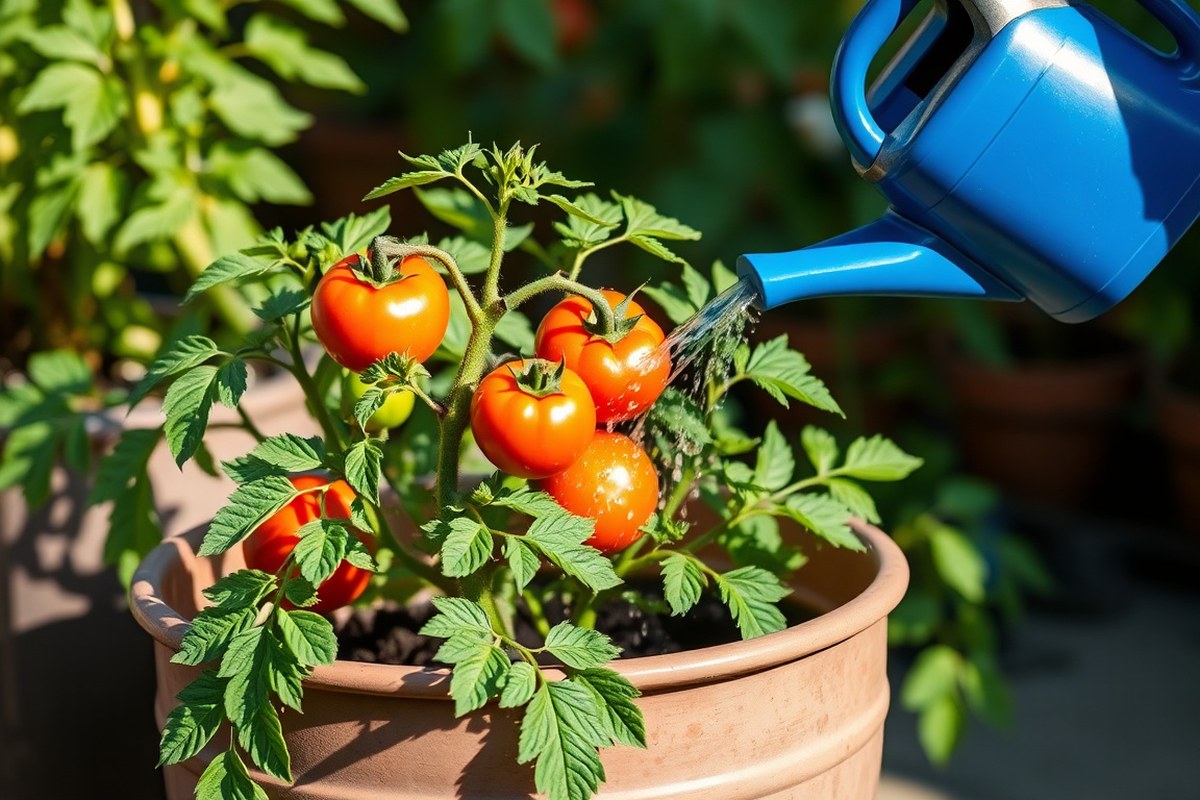
Tomato plants in containers need watering more often than in the ground. Seedlings require light watering whenever the top half-inch of soil feels dry. For transplants, water about a half gallon daily in week one.
In the second week, water every two days. Keep the soil moist but not soggy. This helps young roots grow strong.
During the main growing phases, vegetative, flowering, and fruit set, water every two to three days. Provide 1 to 2 gallons of water each time to soak the soil deeply.
Containers dry out faster. So consistent watering at this stage keeps plants healthy and supports fruit development.
When fruit starts to ripen, water every two to three days. Lower the watering amount a bit at this stage. This helps prevent overwatering.
This helps improve fruit flavor by reducing excess moisture. Warm or dry weather means you need to water daily. This keeps the plants from drying out.
Watch your plants closely during hot spells. Watch soil moisture to avoid drying out or waterlogging.
The right amount depends on your container size. Small pots (1 to 3 gallons) usually need about 1 gallon per watering. Medium pots (5 gallons) require 1.5 gallons.
Large pots (10 gallons or more) should get 2 gallons. Use a potting mix that drains well to prevent soggy soil, which can hurt roots.
Water best in the early morning to let leaves dry and lower fungal risks. Avoid watering leaves directly; focus on the soil near the plant base. As temperatures rise, or if the sun is strong, check soil moisture daily.
Change your watering schedule based on how fast the container dries. Check soil moisture regularly to know when to water. This helps your tomato plants grow well.
How to Check When Container Tomatoes Need Water
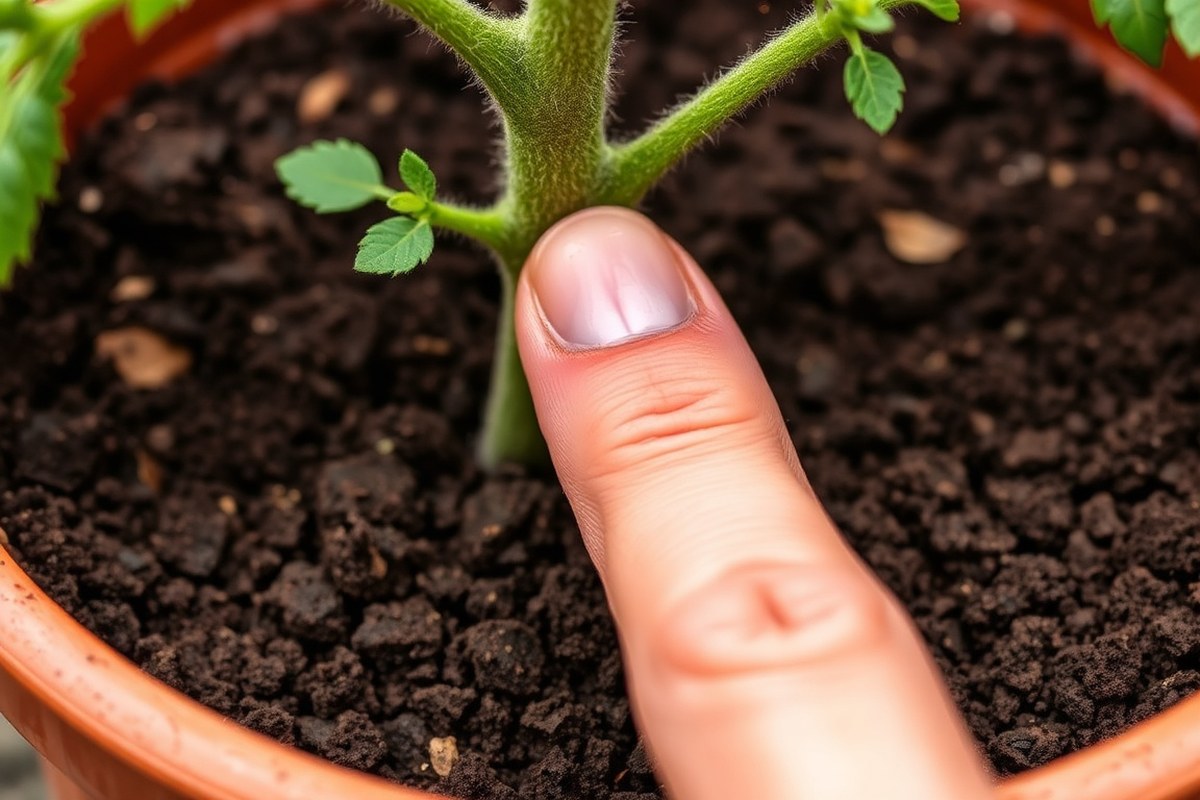
Knowing when to water your container tomato plants is key to keeping them healthy. The fastest way to check is by feeling the soil with your finger. This helps you avoid watering too much or too little.
Using the Finger Test Accurately
Push your index finger about 2 inches into the soil near your tomato plant. Check the soil moisture at that depth. Dry soil means your tomato needs water.
Don’t just check the surface; dry on top can hide moist soil underneath. Use these steps to perform the finger test right:
- Locate the base of the tomato plant in the container.
- Insert your index finger about 2 inches into the soil.
- Feel the soil texture and temperature around your finger.
- When the soil seems dry or warm, it’s time to water your plant.
- Cooler, moist soil means you can wait one more day before checking again.
Check each container individually; soil moisture can vary even in the same spot.
Moisture Meter and Other Tools
A moisture meter can give you clear numbers for soil dampness. These meters usually cost between $10 and $25 at garden stores. Insert the probe 2 to 3 inches down to read moisture levels.
Look for a moisture percentage between 40% and 60% as ideal for tomatoes. Below 40% means dry soil, above 60% means too wet. A moisture meter helps confirm your finger’s feel, especially for tomato pots.
It shows how wet the soil truly is under the surface. This tool avoids watering mistakes for beginners.
Assessing Soil Dryness at Different Depths
Tomato roots in containers usually grow about 6 to 8 inches deep. Water needs can differ between the top inch and deeper spots. Dry soil at 1 inch but moist below 3 inches means you can wait to water.
On very hot days, soil dries faster closer to the surface. That means check soil a few inches down to avoid watering when it’s not truly needed. Use a small shovel or stick to dig carefully around the plant’s root area.
How Container Size and Material Affect Water Frequency
Container size and material greatly affect how often you need to water tomatoes. Smaller containers dry out faster, so they require more frequent watering. The type of container material also changes how quickly soil loses moisture.
Water Retention by Container Material
Plastic pots hold moisture longer than clay or fabric containers. Clay pots are porous, causing faster drying due to evaporation. Fabric pots let air flow through, which helps roots but means watering must be more frequent.
Choosing plastic pots reduces watering frequency but raises the risk of overwatering. Clay and fabric containers dry faster, so you will check soil moisture more often. Knowing the material helps you set a watering schedule that matches your container’s needs.
Recommended Container Sizes for Tomatoes
Tomatoes need room for deep roots. So bigger pots hold more moisture and reduce watering times. The common 5-gallon pot usually needs daily watering in warm weather.
Smaller pots under 5 gallons dry in a few hours. They need watering twice a day under full sun.
Large pots of 7 to 10 gallons allow watering every 1, 2 days in summer. Fabric or 10+ gallon pots dry faster due to breathability.
They also need watering every 1 or 2 days. Picking a container around 7 gallons balances watering frequency and plant growth.
| Container Size | Summer Peak | Cooler Weather | What Changes It |
|---|---|---|---|
| Under 5 gallons | Check twice daily | Check daily | Small pots dry in hours in full sun |
| 5 gallons (standard) | Check daily; water daily | Check daily; water every 1, 2 days | Most common container size |
| 7, 10 gallons | Check daily; water every 1, 2 days | Check every 1, 2 days | Larger volume buffers moisture longer |
| 10+ gallons / fabric pot | Check daily; water every 1, 2 days | Check every 2, 3 days | Fabric breathes and drains faster |
Choosing the right size cuts down on how often you water. Bigger containers cost more and take more space but make watering easier. Smaller pots stay affordable and compact but need more care.
Adjusting Watering Based on Container Depth
Deeper pots hold more soil and water, buffering your tomato roots against drying out. Shallow containers dry fast, forcing you to water often. Deep containers let roots grow downward, which helps the plant stay hydrated longer.
Think about using a pot at least 12 inches deep. This size encourages strong root growth and reduces daily watering needs.
Shallow or small containers dry out quickly in hot weather. Water them at least once or twice daily.
Signs of Underwatering and Overwatering in Container Tomatoes
Tomato plants in containers show different signs when underwatered or overwatered. Underwatering causes wilting during hot parts of the day. The soil feels dry and pulls away from pot edges.
You’ll also notice stunted growth and smaller fruit on underwatered plants. Overwatering leads to yellowing leaves, especially on the lower parts. The soil stays soggy, heavy, and can smell sour.
- Wilting during the hottest time of day (underwatering)
- Dry, crumbly soil pulling from pot edges (underwatering)
- Stunted growth and smaller fruit (underwatering)
- Yellowing leaves, mainly lower ones (overwatering)
- Soggy, heavy soil with sour smell (overwatering)
- Weak, leggy growth and poor fruit set (overwatering)
Check soil moisture before watering to avoid overwatering. Containers don’t hold as much water as garden soil. This means you may water more often but with less volume.
When you see underwatering signs, soak the soil deeply and water slowly. For overwatering signs, let the soil dry out before watering again. Good drainage helps prevent root damage from excess water.
Watering Techniques for Healthy Container Tomatoes
Water container tomatoes deeply and at the base early in the morning. Watering deeply moistens the soil well and helps roots grow stronger. Avoid overhead watering and late-day watering to keep leaves dry and reduce disease risk.
Watering at the Base vs. Overhead
Watering at the base directs moisture straight to the soil and roots. This method reduces leaf wetness and lowers the chance of fungal diseases. Overhead watering wets leaves, which can lead to problems like blight and mildew.
You can water with a watering can or a drip system aimed at the soil. Drip irrigation is ideal for containers because it applies slow, steady moisture. Overhead sprinklers are faster but less precise for container-grown tomatoes.
Water only the soil surface, not the leaves, to keep tomatoes healthy and avoid disease.
Deep Soaking vs. Frequent Light Watering
Deep watering encourages roots to grow deeper, helping plants withstand heat and drought. Light watering only wets the top layer and can cause roots to stay shallow. Shallow roots are more vulnerable to drying out quickly.
For container tomatoes, water slowly until the soil is moist at least 8 inches deep. This takes longer but prevents water waste and soil compaction. Frequent light watering may increase risk of fungal issues and root stress.
Follow these steps to water deeply:
- Place the watering can or hose at the soil base.
- Water slowly to let moisture soak in without running off.
- Check soil moisture an inch below surface after watering.
- Repeat if the top 8 inches are not moist.
- Aim to fully wet all root zones, not just the surface.
Scheduling Watering for Morning and Hot Days
Early morning watering lets plants absorb moisture before heat sets in. Leaves soak up water in the soil all day while the sun is strongest. This timing also allows foliage to dry fully before nightfall.
In hot weather, water container tomatoes once or twice per day. Containers dry out faster due to sun exposure and air circulation. Adding mulch helps keep soil moist longer, reducing how often you water.
Watering in late afternoon or evening keeps leaves wet overnight. This favors diseases and slows drying. Stick to morning watering for healthier tomato plants.
Adjusting Watering Frequency During Hot Weather and Fruiting
Tomato plants in containers need more frequent watering during hot weather. When temperatures rise above 85°F (30°C), watering once a day may not be enough. You might have to water twice daily to keep soil evenly moist and prevent stress.
After your tomato plants start bearing fruit, increase watering slightly. Fruit development uses more water. So your plants need extra moisture to support healthy tomatoes.
Keep the soil consistently damp. But not soggy, to avoid problems like blossom end rot.
Don’t let container tomatoes go two days without water during heatwaves. The soil dries out too fast in containers. Missing a day or two can harm your plants’ roots.
Check soil moisture each morning. Water as soon as the top inch feels dry.
Water your tomato plants every one or two days. The exact time depends on the temperature. Also, pay attention to your container size when watering.
During cold or mild weather, watering every other day might work. Once fruit appears, water daily and add a second watering when it’s very hot.
Keep mulch on top of the soil to reduce water loss through evaporation. Mulching helps hold moisture for longer.
So you don’t have to water quite as often during heat. Use straw, shredded leaves, or commercial mulch suited for containers.
To avoid blossom end rot, keep soil moisture steady with no big dry spells. Water in the morning to let the roots soak up moisture before midday heat. Change how often you water if leaves curl or fruit cracks.
These signs show your plant needs steady moisture. Keep watering more evenly to fix this.
Common Watering Mistakes and How to Fix Them in Containers
One common mistake is watering the leaves instead of the soil. Water on the leaves can lead to fungal diseases and weaken your tomato plants. Always pour water slow and steady at the base, near the roots.
Another problem comes from letting water sit in saucers or trays under pots. Standing water can cause root rot and cut off oxygen to the roots. Empty saucers within 30 minutes after watering to keep roots healthy.
Inconsistent watering schedules cause issues too. Skipping more than a day can stress the plant and cause blossom drop or cracked tomatoes. A regular routine helps, especially during hot weather when plants dry faster.
- Water slowly at soil level, not above the plant.
- Empty excess water from saucers after watering.
- Water daily or every other day to avoid drying out.
- Aim for about one to two gallons per week per plant.
- Watch for signs of stress, like drooping leaves or soft fruit.
Cracked tomatoes happen when plants stay dry then suddenly get a lot of water. You can avoid this by putting water in evenly over days. For example, water a bit every morning instead of a big soak once a week.
Setting alarms or reminders helps keep your watering steady. Use a watering can with a spout that controls flow to avoid overwatering. Also, check soil moisture daily by pressing your finger about an inch deep.
Using Mulch and Self-Watering Containers to Manage Moisture
Mulch helps keep soil moist by cutting evaporation. Straw mulch helps container tomatoes by blocking the harsh sun. It stops soil splash on the plants.
This splash can spread diseases, so mulch protects the tomatoes. You’ll find yourself watering less often since the soil stays wet longer under mulch.
| Watering Frequency | Without Mulch | With Straw Mulch |
|---|---|---|
| Spring (60, 70°F) | Every 2 days | Every 3, 4 days |
| Summer (80, 90°F) | Daily | Every 2 days |
| Fall (50, 60°F) | Every 3 days | Every 4, 5 days |
Self-watering containers add water below the soil, where roots grow. This method cuts watering frequency because it reduces evaporation and water runoff.
You fill the reservoir once, and the plant draws water as needed. Check the reservoir every few days and fill it up if it’s low.
To use self-watering pots properly, follow these steps:
- Fill the water reservoir completely before planting or watering.
- Use good potting soil that drains well but holds moisture.
- Check the water level weekly and top it off as needed.
- Remove any debris from the reservoir opening to avoid clogs.
Mulch and self-watering containers work well together. Mulch covers the soil surface, further reducing evaporation. The self-watering pot delivers water consistently below, keeping roots happy.
Avoid piling mulch too thick, about 1 to 2 inches is enough. Too much mulch can trap too much moisture and cause root rot.
Mulch only helps if it stays dry on top; wet mulch invites fungal issues.
Step-by-Step Action Plan for Watering Container Tomatoes
Follow these simple steps to keep your tomato plants well-watered. Check each step to make sure your plants stay healthy and productive.
- Before planting: Choose a container at least 5 gallons in size with good drainage holes. Your tomato roots need room and moisture control.
- Day 1: Water the soil thoroughly after planting until water drains out the bottom. This shows roots can absorb water well.
- Week 1: Check soil moisture every day. Stick your finger 1 to 2 inches in the soil. Water only when the top inch feels dry.
- Week 2 to 3: Water your tomatoes every 2 to 3 days. Change watering if the weather is hot or dry. Leaves should stay firm and healthy.
- When fruit first appears: Water more often, about every 1 to 2 days. Keep the soil moist but not wet. Avoid soggy soil that can hurt roots.
- During hot, dry spells: Check moisture twice daily, morning and afternoon. Water more often if soil dries quickly.
- Each watering: Water deeply until you see it draining out the bottom. This ensures roots get enough water.
- Weekly: Mulch the soil surface to keep moisture steady and reduce watering frequency. Replace mulch as needed.
Frequently Asked Questions
How Often Should I Water Tomato Plants in Containers During Hot Weather?
Water container tomatoes every day or every other day in hot weather. The heat dries soil quickly, so watch for dryness near the surface.
Can I Use Tap Water for My Container Tomato Plants?
Yes, tap water is fine unless it is very hard or heavily chlorinated. Let it sit a day to off-gas chlorine if possible.
Should I Water Tomato Plants Differently If They Are Cherry Versus Slicer Types?
Cherry tomatoes in containers can need slightly less water than larger slicer types. Larger fruits use more water during development.
Is It Better to Water Tomato Plants from the Top or Bottom in Containers?
Top watering is best for containers to wash soil surface and soak roots. Bottom watering can leave the surface dry and cause uneven moisture.
How Much Water Does a Tomato Plant in a 5-gallon Container Need Weekly?
A 5-gallon container tomato needs around 1 to 2 inches of water weekly. This amount keeps the soil damp but not too wet.
Can I Water Tomato Plants at Night Without Causing Problems?
Night watering isn’t ideal because damp leaves can invite disease. Early morning watering dries leaves before evening cooler times.
The Bottom Line
Water your container tomatoes deeply and regularly, watching soil moisture closely. Adjust frequency with heat and growth stages for best results. Start by checking the soil today, then water only when dry to the touch.
One Comment