How Long Do Tomato Plants Take to Grow: Complete Timeline and Tips
How long do tomato plants take to grow? You can expect 60 to 110 days from seed to harvest. This time varies by tomato variety, growing conditions, and care.
From seed planting, tomato plants usually take 6 to 8 weeks to mature before fruit appears. Tomato plants need 60 to 85 more days of warm weather for fruit.
They must stay in sunny spots to ripen their tomatoes well. Make sure to transplant seedlings after frost risk ends.
Starting tomatoes indoors gives them a good head start during the first growth stage. Keep an eye on soil temperature to protect your seedlings.
Tomatoes won’t survive frost and need warmth above 50°F (10°C). Make sure the soil is steady and warm before planting outdoors.
Key Takeaways
- Tomato seed germination takes about 5 to 10 days under warm conditions.
- Plant seedlings outside only after night temperatures remain over 50°F (10°C). Avoid moving your tomatoes out too early to prevent cold damage. Consistent warmth at night helps young plants grow safely.
- Tomato plants need 6 to 10 hours of direct sunlight daily for best growth.
- Determinate tomatoes produce fruit all at once within 2 to 3 weeks.
- Indeterminate tomatoes keep growing and producing fruit throughout the season.
- Flowering lasts 2 to 4 weeks before fruit begins developing over 3 to 4 weeks.
How Long Do Tomato Plants Take to Grow from Seed to Harvest?
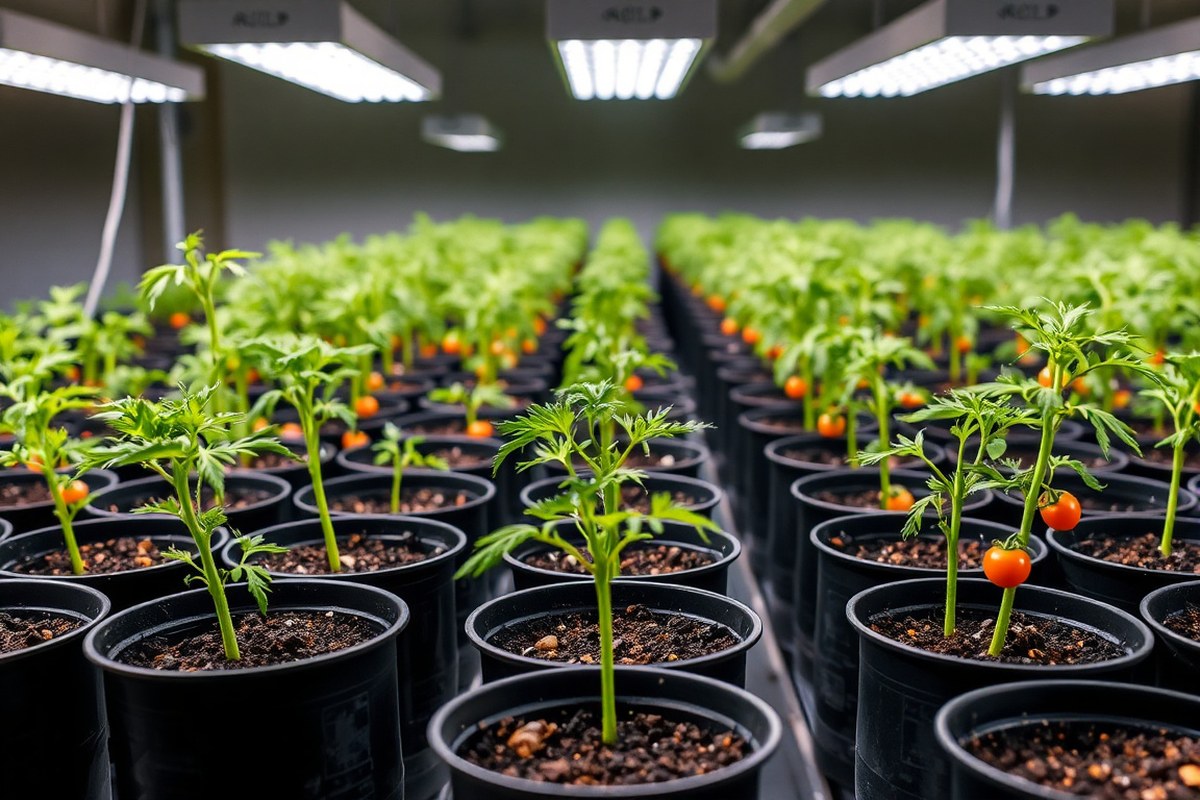
Tomato plants usually need 60 to 85 days to bear ripe fruit outside. From planting seeds indoors to picking tomatoes, plan for about 100 to 120 days. The total time varies with the tomato type and care you give.
Starting tomatoes from seed adds about 6 to 8 weeks before transplanting. Seedlings typically germinate in 5 to 10 days.
After seeds sprout, keep young plants indoors for 6 to 8 weeks. This prepares them for planting outside once the weather warms.
Different tomato varieties vary in growing time. Cherry tomatoes often mature faster, in 50 to 60 days after transplanting. Larger or heirloom types can take over 85 days.
Sunlight and climate change how fast tomatoes grow. They need at least 6 hours of direct sunlight daily. Getting 8 to 10 hours helps them grow faster.
You can speed up harvest time by choosing early-maturing varieties and growing seedlings indoors before transplanting. Avoid planting seeds directly in cold climates; that slows growth and delays harvest.
Plants fruit faster with steady warmth, light, and watering. This helps them produce tomatoes 60 to 85 days after moving outdoors.
Understanding the 6 Tomato Growth Stages and Timelines
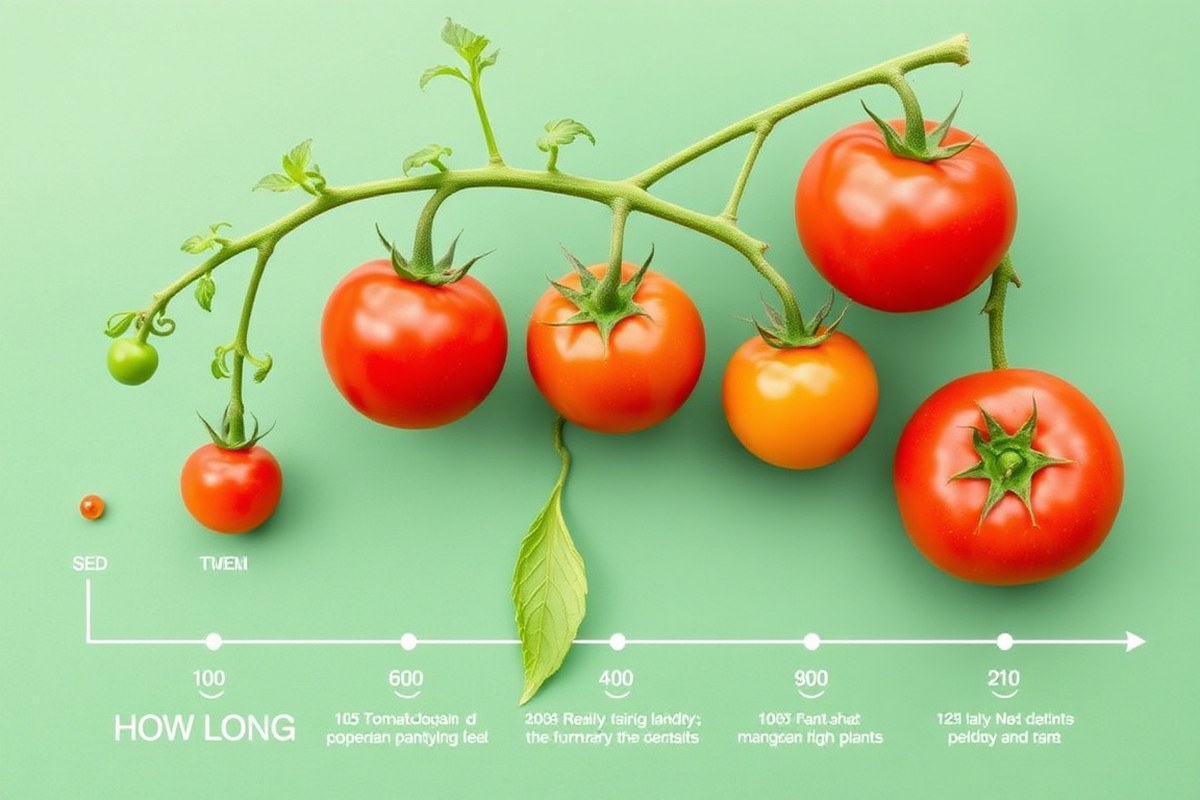
Tomato plants grow through six main stages: germination, seedling, vegetative, flowering, fruit development, and ripening. Each stage lasts a few days to several weeks. The plant’s looks change at each stage.
Its needs also change during each stage. Knowing these phases helps you care for your plants at the right time.
Germination and Seedling Development
Germination begins when you plant tomato seeds in warm, moist soil. Seeds take about 5 to 10 days to sprout. They then show tiny leaves called cotyledons.
After germination, seedlings grow true leaves for 3 to 6 weeks. Their roots fill the small pots or trays.
During the seedling phase, plants need plenty of light and temperatures near 70°F. They should stay moist but not soggy to avoid damping-off disease. You will notice rapid root growth, which helps when you transplant them later.
Vegetative Growth and Strengthening Stems
This stage starts about 3 to 4 weeks after germination. Tomato plants grow taller and develop many leaves.
They may reach 12 to 24 inches in height in 3 to 6 weeks. At this point, stems thicken and roots expand to support future fruits.
Feed plants with a balanced fertilizer but avoid too much nitrogen late in this stage. Excess nitrogen can delay flowering. Prune lower leaves and suckers to improve air circulation and direct energy to the main vines.
- Water seedlings regularly to keep soil moist but not wet.
- Give seedlings 12 to 16 hours of light each day. Use grow lights indoors if needed.
- Apply fertilizer low in nitrogen and moderate in phosphorus and potassium.
- Move seedlings outdoors slowly after they have 3 to 4 true leaves. Make sure nighttime temperatures stay above 50°F.
- Support stems with stakes or cages as plants grow taller.
- Pinch off suckers between main stem and branches if you want to control plant size.
- Watch for pests and signs of disease to catch problems early.
Too much fertilizer during vegetative growth can delay flowering and fruiting.
Flowering to Fruit Set and Ripening
Flowering begins 5 to 7 weeks after germination, with yellow star-shaped blooms appearing on the vines. Pollination during this 2 to 3 week phase is important for fruit set. You might see small green fruits 7 to 14 days after flowers open.
Fruit ripening takes 15 to 45 days or more depending on the variety and weather. Fruits change color from green to red, orange, or yellow. Keep watering and fertilizing at moderate levels to avoid cracking or poor fruit quality.
Determinate tomatoes set fruit in a tight window of 2 to 3 weeks. Indeterminate types keep flowering and fruiting all season. Monitor fruit size and color to know when to harvest.
How Determinate and Indeterminate Tomatoes Differ in Growth and Harvest Timing
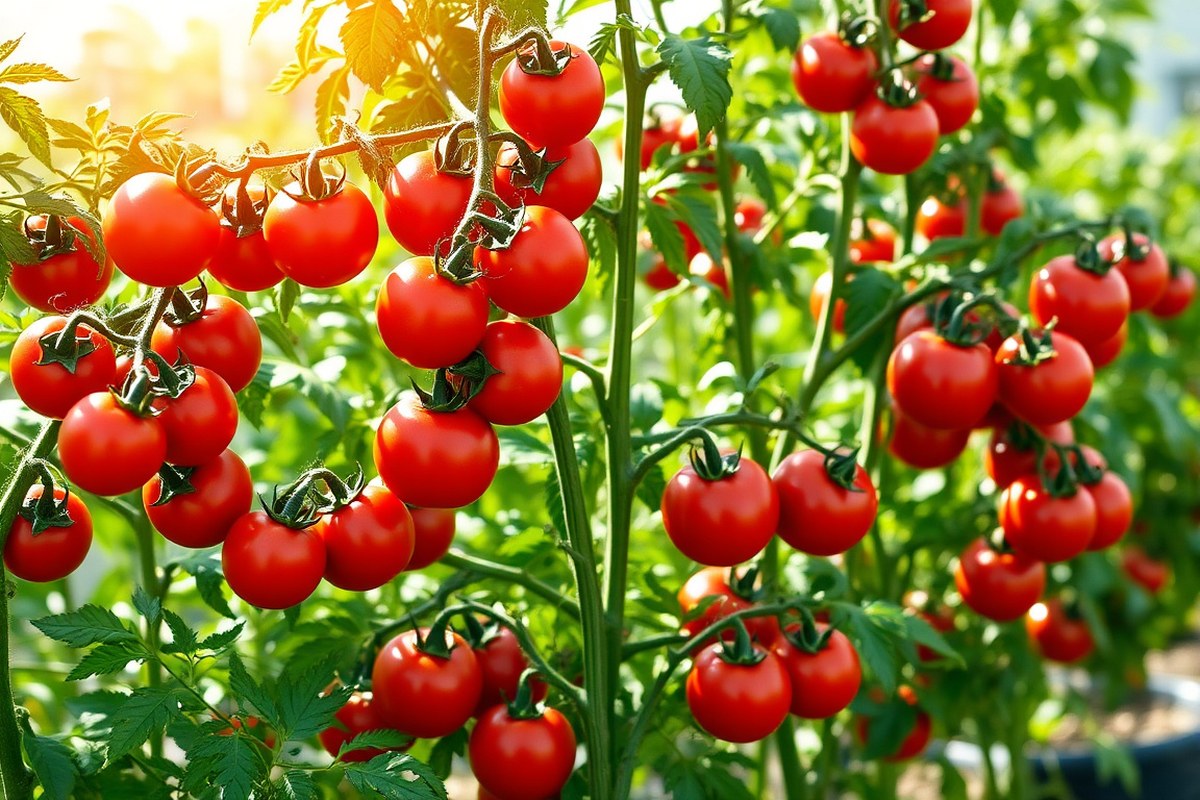
Determinate tomatoes grow to a set size and mature all their fruit at once, usually faster. Indeterminate tomatoes keep growing and producing fruit throughout the season.
But take longer to mature initially. Understanding these differences helps you plan when and how to harvest your tomatoes best.
Characteristics of Determinate Tomatoes
Determinate tomatoes, known as bush types, usually reach about 3 feet tall. They stop growing once flowers appear. They produce most fruit in 60 to 70 days.
The fruiting happens nearly all within that period. These plants often need little pruning besides some support when heavy with tomatoes.
Since they ripen all at once, determinate tomatoes are good for canning or making sauces. The compact size makes them easier to manage in small spaces or containers.
Features of Indeterminate Tomatoes
Indeterminate tomatoes grow as vines and can keep growing beyond 6 feet if unpruned. They continue producing new flowers and fruit until frost or disease ends the season. These types take about 70-85 or more days to mature their first fruits.
Indeterminate tomatoes set fruit over a long time. They ripen fruit over many weeks.
This means you can harvest fresh tomatoes regularly. They usually require tall stakes or cages and removal of side shoots to keep productive.
Recommended Uses and Growing Tips for Each Type
Use determinate tomatoes when you want a large harvest all at once. They work well for sauces and recipes needing many tomatoes at one time. Provide moderate staking and water consistently to keep fruits healthy.
Choose indeterminate tomatoes if you want fresh tomatoes all summer long. Support these plants with tall cages and prune to encourage airflow and fruit production. Remember, they need more space and ongoing care than determinate.
Here is a helpful table with tomato varieties and types. It shows days to maturity and notes. Use it to choose which to grow.
| Variety | Type | Days to Maturity | Notes |
|---|---|---|---|
| Early Girl | Indeterminate | 50, 59 | Reliable early producer, good flavor |
| Stupice | Indeterminate | 60, 62 | Cold-tolerant, excellent taste |
| Roma | Determinate | 70, 75 | Plum type, ideal for sauces |
| Beefsteak | Indeterminate | 80, 85 | Large fruits, needs staking |
| Sweet 100 (Cherry) | Indeterminate | 65, 70 | Continuous harvest, sweet flavor |
This table shows determinate types mature earlier but have a set harvest time. Indeterminate types may take longer but produce fruit steadily.
Key Factors Influencing How Fast Tomato Plants Grow
Tomato plants grow fastest when temperatures stay between 70°F and 85°F (21°C, 29°C). Nighttime lows should not fall below 50°F (10°C).
Soil temperatures must hit at least 60°F (16°C) before transplanting seedlings outdoors, or growth may stall. Cooler temperatures slow development and increase the time until fruit appears.
Sunlight affects how quickly tomatoes produce fruit. Your plants need at least six hours of direct sun daily to grow.
More than eight hours speeds growth and improves fruit quality. Shady spots often create weak plants with fewer tomatoes.
Water, soil, and nutrients also impact growth speed. Tomatoes require about 1 to 2 inches of water each week. Water at the soil level, not on the leaves, to avoid disease.
Well-drained soil with a pH from 6.0 to 6.8 encourages strong root systems and nutrient uptake. Using fertilizer with balanced nitrogen, phosphorus, and potassium fuels healthy leaf and fruit development.
- Maintain soil temperatures from 70°F to 80°F (21°C to 27°C) to help seeds sprout.
- Provide 6 to 8 hours of direct sunlight daily for healthy growth.
- Water 1, 2 inches per week at the base, avoid wetting foliage.
- Use soil with pH 6.0 to 6.8 and good drainage.
- Apply fertilizer with balanced N-P-K every 2 to 3 weeks.
- Wait to transplant outdoors until soil reaches 60°F (16°C) and nights stay above 50°F (10°C).
Any gap in these conditions slows your plants or causes stress. For example, too little water makes leaves wilt, delaying fruit.
Too much nitrogen fertilizer can produce leafy plants with fewer tomatoes. Watching temperatures and sunlight amounts lets you adjust care to speed growth.
Pruning and mulching also add a boost. Removing suckers concentrates energy on fruit, while mulch keeps soil moisture steady. These small care steps help your tomatoes meet their 60 to 90-day fruiting window.
When and How to Transplant Seedlings Outdoors Safely
Move tomato seedlings outdoors after the last frost, when nights stay above 50°F (10°C). Start hardening them off about a week before transplanting by gradually exposing them to outdoor conditions. This helps prevent shock and improves their chance to grow strong in the garden.
Determining the Right Transplant Time
Seedlings need 2 to 3 true leaf sets before you move them. This generally takes 6 to 8 weeks after starting seeds indoors. Transplant them outdoors only once the last frost has passed and nights remain above 50°F.
Early transplant risks frost damage and slow growth. Waiting until soil temperature warms too improves root development and nutrient uptake. Check your local frost dates and nighttime weather forecasts carefully before setting plants outside.
Hardening Off Procedures for Resilience
Hardening off means slowly adjusting seedlings to outdoor sun, wind, and temperature changes. Start about 7 to 10 days before transplanting. Set plants outside in indirect shade for a few hours the first day.
Increase sunlight and time outside each day, moving plants to sunnier spots. Bring seedlings in during cold nights or bad weather. This gradual change reduces transplant shock and builds strong stems.
- Pick a sheltered spot outdoors, away from harsh wind and direct midday sun.
- Place seedlings in filtered shade for just 1 hour on day one.
- Lengthen outdoor time by 1 to 2 hours each day.
- Move plants into full sun for several hours toward the end of the period.
- Bring seedlings indoors or cover them overnight if temperatures dip below 50°F.
- Check leaves daily for wilting or sunburn and adjust exposure.
- End hardening off with seedlings fully comfortable in sun and breeze.
Do not rush hardening off; sudden sun or cold exposure shocks tomatoes.
Planting Technique and Soil Preparation
Prepare the garden soil by adding compost and ensuring good drainage. Tomatoes thrive in loamy, well-drained soil with a pH between 6.0 and 6.8. Working organic matter into the soil improves fertility and moisture retention.
When transplanting, dig a hole deep enough to cover two-thirds of the seedling stem. Planting deep encourages roots to form along the buried stem, making sturdier plants. Space plants 18 to 24 inches apart for good air flow.
Water seedlings well after planting to settle soil around roots and reduce transplant stress. Mulch around plants to conserve moisture and keep weeds down.
How to Know When Tomatoes Are Ready to Harvest
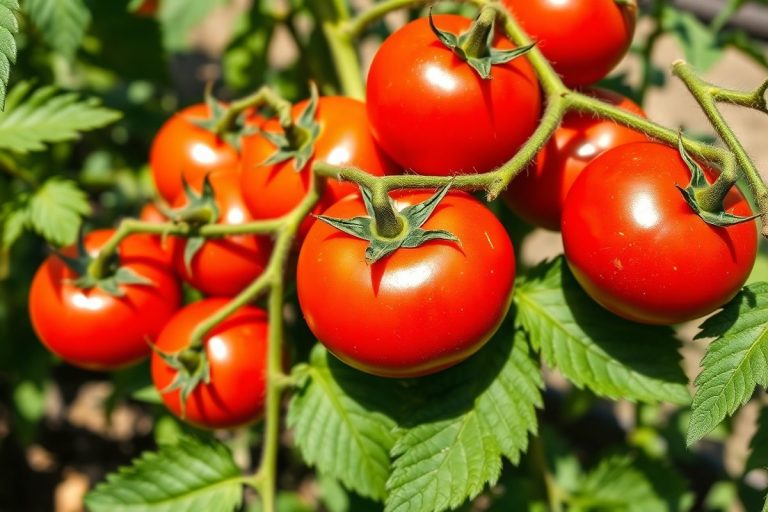
Tomatoes are ready to harvest when they reach full color for their variety. This means an even red, orange, yellow, purple, or striped shade without any green spots.
Gently squeeze the fruit. Ripe tomatoes feel firm but have a slight give under your fingers.
The smell also helps. A ripe tomato gives off a tangy, sweet aroma near the stem scar.
This scent shows the fruit’s sugars are ripe and ready. Picking tomatoes too early leads to less flavor and shorter shelf life.
Different tomato types change harvest signs. Early Girl turns bright red in about 50 to 60 days and is great fresh.
Roma tomatoes take 75 to 80 days and suit sauces or canning. Beefsteak needs 80 to 90 days and is perfect for sandwiches.
- Look for full, even color typical for your tomato variety.
- Check texture: firm skin with slight softness when squeezed.
- Smell the stem area for that fruity, tangy scent.
- Avoid picking if the tomato still feels hard or green.
- Plan to harvest within 20 to 40 days after color first appears.
- Handle gently to avoid bruising ripe fruit.
Once picked, store tomatoes at 55 to 70°F to keep flavor. The fridge can dull taste below 50°F. So keep tomatoes on the counter if possible. If tomatoes come off the vine a bit early, ripening indoors on a windowsill usually works well.
Common Issues That Delay Tomato Growth and How to Fix Them
Slow tomato growth often happens because of poor light. Tomatoes need full sun, about 6 to 8 hours daily.
Without enough light, plants stretch thin and produce fewer flowers. Move containers to a sunnier spot or trim nearby plants blocking light.
Watering mistakes also stunt growth. Overwatering drowns roots, leading to root rot. Underwatering dries out plants, causing leaves to wilt and drop flowers.
Check soil moisture by sticking your finger one inch deep. Water only when dry. Aim to keep soil evenly moist but not soggy.
Flower drop and poor fruit set often tie to temperature or nutrient issues. Tomatoes don’t set well if temps dip below 55°F or rise above 90°F. High heat also causes flowers to drop. Move pots to shade during hot afternoons or wait to plant until steady warmth.
Nutrient shortages cause yellow leaves and weak stems. Tomato plants need balanced fertilizer with nitrogen, phosphorus, and potassium.
Look for one formulated for vegetables or tomatoes. Feed every two weeks once flowers appear, following package directions to avoid overfeeding.
- Check light: 6-8 hours of direct sun needed
- Water right: soil moist but not soggy, water when dry 1 inch deep
- Manage temps: shade on hot days, avoid below 55°F
- Feed regularly: use vegetable tomatoes fertilizer every 2 weeks after flowering
- Watch for pests: aphids and hornworms reduce energy to fruits
- Inspect for diseases: early blight weakens plants, remove affected leaves promptly
Pests like aphids suck plant juices, slowing growth. Tomato hornworms can strip leaves fast. Spot pests by checking leaves weekly.
Handpick hornworms and use insecticidal soap on aphids. Early blight shows as brown spots on leaves. Cut off infected leaves and avoid overhead watering to reduce risk.
Sometimes blossom end rot appears as sunken black spots on fruit bottoms. This usually means uneven watering or calcium deficiency.
Keep watering steady and add crushed eggshells or garden lime to soil to boost calcium. Prevents ugly fruit and saves your harvest.
Variety and Climate Choices for Faster Tomato Harvests
Pick fast-maturing tomato varieties to speed up your harvest. Early varieties finish fruiting in about 50 to 85 days. They need less time to flower and set fruit compared to large beefsteak or slicer types.
Shorter seasons or cooler zones benefit from early tomatoes. These plants cope better with fewer warm days. You can grow tomatoes in cooler areas with season extenders.
Use row covers to keep plants warmer. Starting seeds indoors also helps before moving plants outside.
| Tomato Variety | Days to Maturity | Best for Climate |
|---|---|---|
| Early Girl | 50-60 | Short seasons, cooler zones |
| Celebrity | 65-70 | Moderate climates, short seasons |
| Sun Gold (cherry) | 57-65 | Short and long seasons |
| Beefsteak | 80-100+ | Long, warm growing seasons |
| Roma | 75-80 | Moderate to warm seasons |
Start seeds indoors using a heated propagator set between 64 and 70°F. Sprouts appear faster near 64°F. Transplant seedlings outdoors only after nighttime temperatures stay above 50°F. This avoids slow growth caused by cold stress.
In cooler or short-season climates, add cloches or cold frames to keep plants warm. Choose a south-facing wall or plot for extra sunlight and warmth. Fertilize lightly to encourage steady growth, but not too much nitrogen, which slows fruiting.
Check summer heat; anything above 85°F can stall tomato ripening and cause yellow fruit.
Tomatoes stop producing important pigments in heat above 85°F. The fruit may look ripe but stay yellowish-green inside. Adjust planting time to avoid hottest months or use shade cloth to reduce sun stress. This keeps fruit quality higher in warm climates.
Step-by-Step Action Plan for Growing Tomatoes Faster
Follow this plan to grow and harvest tomatoes successfully. Watch for signs that each step worked before moving on.
- Before planting: Choose a tomato variety suited for your climate. Check seed packets or plant tags for days to maturity.
- Day 1: Start seeds indoors 6 to 8 weeks before the last frost date. Seeds should sprout in about a week.
- Week 2: Provide seedlings with 12 to 16 hours of light daily. Seedlings should grow strong and healthy leaves.
- Week 4: Thin seedlings to one strong plant per pot. This keeps plants healthy and less crowded.
- 1 to 2 weeks before transplant: Start moving seedlings outside. Do it for a few hours each day. This helps harden them off. Plants will adjust to outdoor conditions.
- After frost danger passes: Transplant seedlings outdoors in full sun and rich soil. Water well and mulch to keep soil moist.
- Weekly during growth: Monitor for pests, diseases, and water needs. Fix problems quickly to avoid growth delays.
- Fruiting stage: Check tomatoes for color change to know when to harvest. Pick ripe fruit to enjoy fresh or store.
Frequently Asked Questions
How Long Do Tomato Seeds Take to Germinate?
Tomato seeds usually germinate in 5 to 10 days. Keep the soil warm and moist for best results.
What Is the Fastest Way to Grow Tomato Plants?
Give tomatoes at least 6 hours of sun daily and water regularly. Using good soil and fertilizer helps speed growth.
How Long After Transplanting Do Tomato Plants Start Flowering?
Tomato plants usually start flowering 3 to 4 weeks after transplanting. This depends on variety and care.
Can Tomato Plants Grow Indoors Successfully?
Yes, indoor tomato plants need bright light and warm temperatures. Choose dwarf varieties for better indoor growth.
What Is the Average Lifespan of a Tomato Plant?
Most tomato plants live for about one growing season, roughly 4 to 6 months. Indeterminate types can produce longer if cared for.
Do Tomato Plants Grow Faster in Containers or Garden Soil?
Tomato plants often grow slower in containers due to limited root space. Garden soil usually supports faster growth with better nutrients.
Final Thoughts
Tomato plants generally take 60 to 85 days to go from seed to harvest. The exact timing depends on the variety, care, and weather. Begin with good seeds.
Watch their growth closely. This helps get fresh tomatoes faster.