How Far to Plant Peaches: Complete Spacing Guide for Healthy Growth
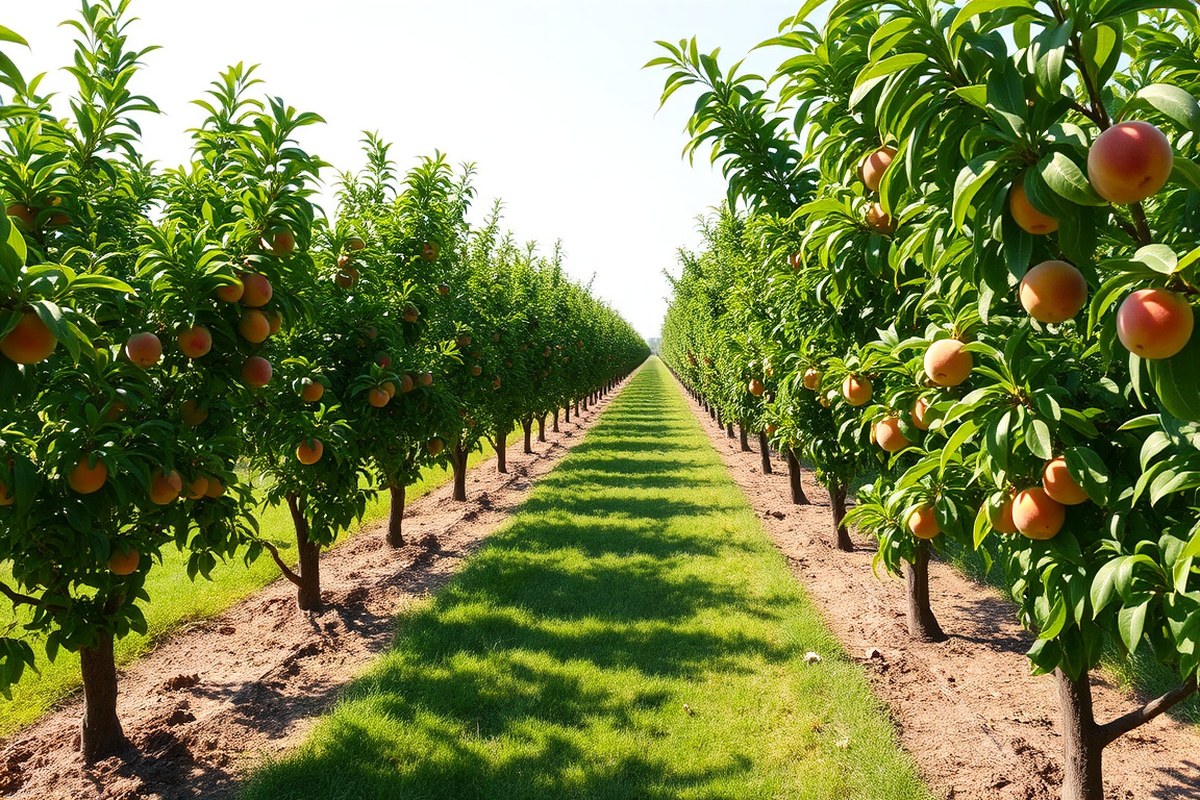
How far to plant peaches depends on the type and rootstock of the tree. Standard peach trees generally need about 15 to 20 feet between each tree.
This spacing prevents branches from tangling and ensures sunlight reaches all sides of each tree. Proper sunlight helps fruit ripen evenly and keeps trees healthy.
Dwarf peach trees require less space, usually around 10 feet apart, because they grow smaller and bushier. Semi-dwarf trees need distances between 12 and 18 feet to allow enough room for their moderate size. Giving trees enough space improves air circulation, which lowers the risk of fungal diseases like peach leaf curl.
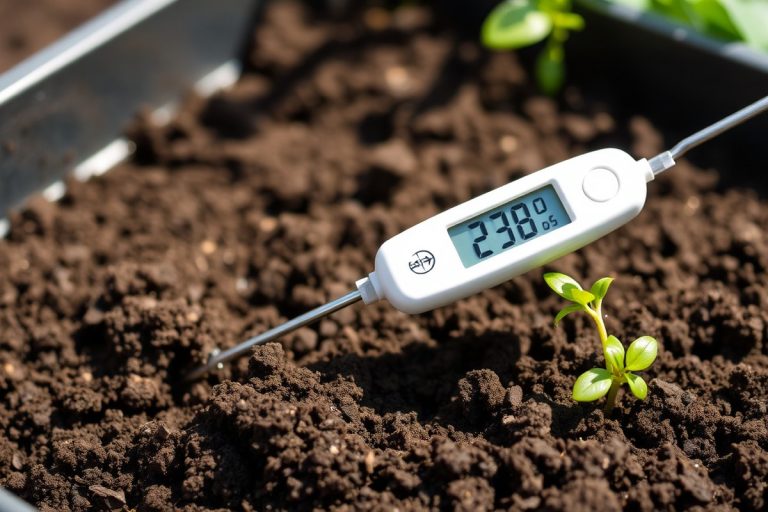
Before planting, measure your garden area precisely. Use stakes and string to mark where each tree will go for even spacing.
Maintaining proper distance also makes pruning and harvesting easier. So you won’t struggle reaching fruit or trimming branches.
Key Takeaways
- Space standard peach trees at 15 to 20 feet for proper growth.
- Space dwarf peach trees about 10 feet apart to avoid crowding.
- Mark planting spots with stakes and string to keep rows straight.
- Leave 12 to 18 feet between semi-dwarf peach tree trunks.
- Proper spacing improves sunlight and airflow around the trees.
- Keep different peach varieties within 50 feet for pollination.
How Far Apart to Plant Standard, Dwarf, and Semi-Dwarf Peaches
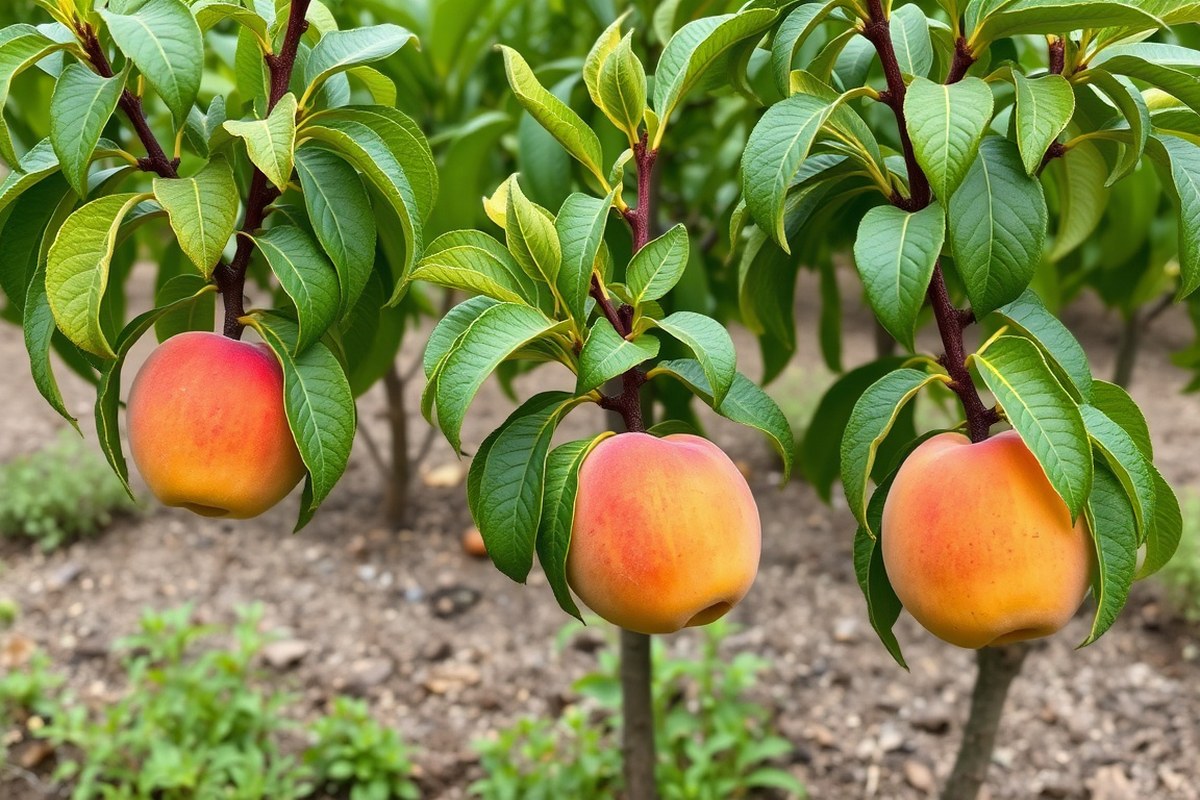
Give standard peach trees 15 to 20 feet of space to grow. Dwarf peach trees do well with 8 to 10 feet between each tree. Semi-dwarf trees fall in the middle and need 12 to 15 feet of space.
Standard Peach Tree Spacing
Standard peach trees reach 15 to 25 feet tall with wide branches. Space these trees 15 to 20 feet apart. This distance helps branches grow without crowding neighbor trees.
Spacing around 18 feet is a common choice, balancing airflow and ease of maintenance. It also helps when pruning or harvesting, as you have enough working space around each tree.
Dwarf and Semi-Dwarf Peach Spacing
Dwarf peach trees mature at about 8 to 10 feet tall. Plant these trees 8 to 10 feet apart to give their smaller canopy room to expand. This tight spacing works well in smaller yards or intensive gardens.
Semi-dwarf peaches grow slightly larger, 12 to 15 feet tall. Keep these spaced about 12 to 15 feet apart. This allows good root and branch growth while maximizing tree numbers per area.
Miniature and Espalier Peach Trees
Miniature peach trees grow 5 to 6 feet tall. Plant them 4 to 6 feet apart.
This spacing fits well in smaller spaces. They make great options for very limited space or patio gardens.
Espalier peach trees are trained flat against a fence or wall. Space miniature peach trees 4 to 6 feet apart.
This gives each trunk room to grow. It also saves you yard space.
Here’s a quick table to compare spacing by tree type and size:
| Tree Size | Approximate Height | Recommended Spacing (Feet) | Recommended Spacing (Meters) |
|---|---|---|---|
| Dwarf | 8, 12 ft | 8, 10 ft | 2.4, 3 m |
| Semi-Dwarf | 12, 15 ft | 12, 15 ft | 3.6, 4.6 m |
| Standard (Full) | 15, 25 ft | 15, 20 ft | 4.6, 6 m |
| Miniature | 5, 6 ft | 4, 6 ft | 1.2, 1.8 m |
| Espalier | Varies | 4, 6 ft | 1.2, 1.8 m |
Choosing the right spacing depends on your space and how large the tree will grow. Stick close to these guides to avoid crowded branches and roots. Proper spacing also helps keep trees healthy and easier to care for.
Why Proper Spacing Prevents Diseases and Improves Airflow
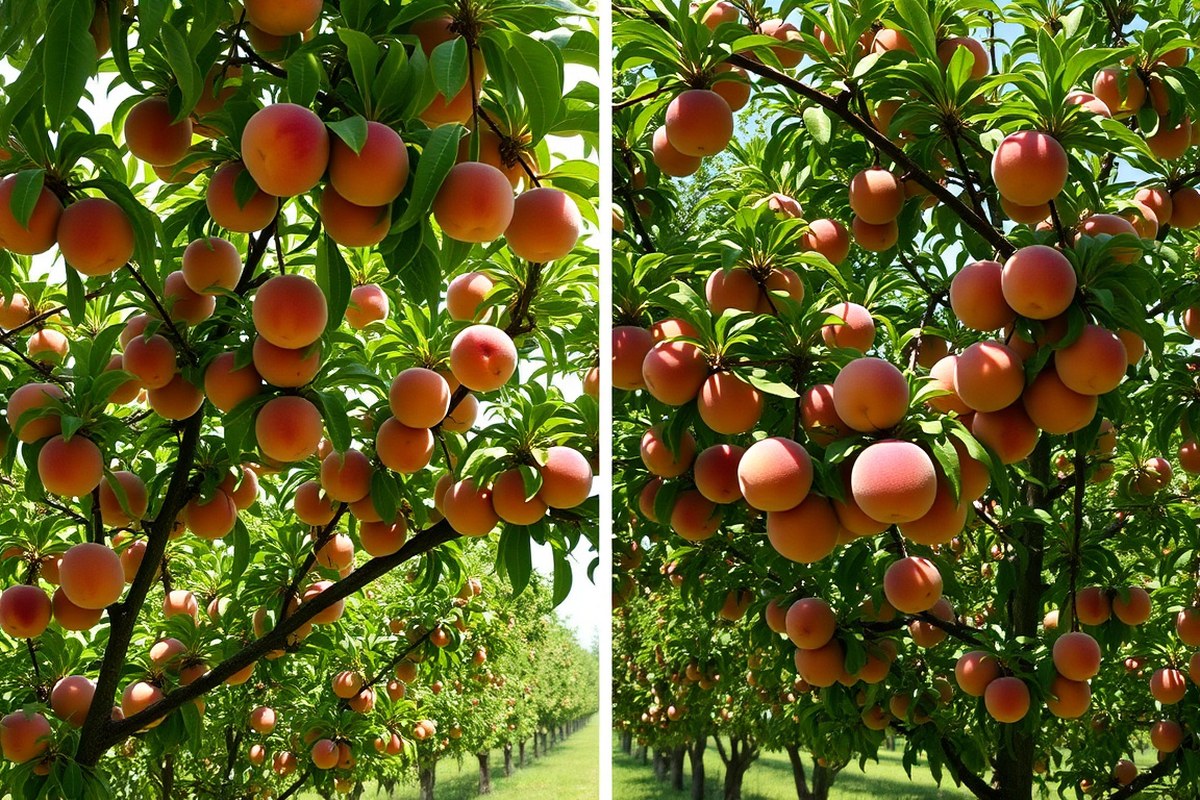
Spacing peach trees far enough apart helps sunlight reach every branch. Sunlight is important to keep leaves dry and strong. When branches overlap, leaves stay damp longer, which encourages fungal growth.
Good airflow between trees dries leaves and fruit quickly after rain or dew. This airflow reduces fungal diseases like powdery mildew and peach leaf curl.
Branches crowding each other slow air flow. This lets disease spread faster.
Plant peach trees 15 to 20 feet apart for standard varieties. This spacing stops branches from tangling and lets air move freely. For smaller trees, 8 to 12 feet apart works.
But stay closer to 12 feet for better airflow. Narrower gaps often cause fungal issues within a few years.
Prune trees yearly to keep the canopy open. Thin branches from inside the tree to improve light and air penetration. This pruning also prevents branches from touching neighbors, lowering disease risk further.
Space peach trees to avoid shade and crowded branches. Fungus thrives in dark, moist spots with little airflow.
In tight spaces, focus on pruning to improve air circulation and minimize fungal risk. Avoid planting trees too close in wet, humid places. Fungi spread easier there.
It can cause big health issues for your trees. Drier climates may tolerate slightly closer planting but still need airflow.
Spacing your trees correctly means less spraying and fewer sick branches. Healthy trees produce sweeter, larger peaches. Keep good spacing when planting peach trees.
This helps stop diseases from spreading. Diseases can ruin your whole season’s harvest.
How to Plan Row and Orchard Spacing for Accessibility and Equipment
Plant peach trees 15 to 20 feet apart within rows for enough sunlight and space. Space rows 12 to 15 feet apart in small orchards. For commercial orchards, use 20 to 24 feet between rows.
This helps with growth and maintenance. This layout helps you move around, prune, and harvest easily.
Recommended Row Spacing
Small orchards do well with rows spaced 12 to 15 feet apart. This spacing lets you walk and work easily between trees without crowding. For big commercial orchards, use wider spacing of 20 to 24 feet.
This space lets you fit tractors and sprayers between trees. It keeps equipment from damaging the trees.
Wider rows in commercial orchards also improve airflow and sunlight spread across the orchard. This helps reduce disease risk and improves fruit quality. Narrower rows might save space but limit machine access and increase maintenance time.
Spacing Between Trees in Rows
Plant standard peach trees with 15 to 20 feet between them. This distance stops branches from crowding each other. It also improves air flow under the canopy.
Spacing closer than 15 feet risks stunted growth and reduced fruit. Overly wide spacing reduces how many trees fit in your orchard. Semi-dwarf trees can be closer at about 10 to 15 feet apart.
Practical Layout Marking
Mark the orchard layout before planting to keep rows straight and trees evenly spaced. Use stakes placed at your chosen tree spacing along the intended row line. Then tie string between stakes to form a guide line.
This process helps you avoid uneven gaps and weird tree patterns. A neat layout improves orchard maintenance, harvest speed, and overall tree health. Follow these steps to mark your orchard layout:
- Measure and mark the first stake at your starting point.
- Stretch a tape measure along the planned row direction.
- Place stakes every 15 to 20 feet for tree spots.
- Tie string tightly between stakes to create a straight guide line.
- Repeat for each row, keeping 12 to 24 feet between rows.
- Double-check distances before digging or planting.
How to Measure and Mark Planting Spots Correctly
Measure and mark your peach tree planting spots carefully to keep the right spacing. Use tools like a tape measure, stakes, and string. Mark each spot clearly with paint.
This helps keep every location easy to see. Marking the spots before planting helps avoid crowding and supports healthy tree growth.
Tools Needed for Marking
Gather a tape measure for accurate distance measurements. You’ll also need wooden or metal stakes to mark each spot clearly.
String helps keep rows straight. Marking paint or spray sets permanent indicators on the soil. These simple tools make the layout easy to see and follow.
Marking Process
Begin at a fixed point, such as a fence corner. Measure from this point to keep tree spacing steady.
This makes your layout consistent. Measure out the distance between trees, usually 15 to 20 feet for standard peach trees.
Place a stake at every spot where a tree will grow. Then, connect the stakes with string to create straight planting rows and visualize the orchard layout.
- Choose a fixed starting point in your planting area.
- Use the tape measure to mark the first planting spot from that point.
- Drive a stake gently into the ground at the marked spot.
- Measure the desired distance to the next spot (15 to 20 feet for standard trees).
- Place another stake at this new spot.
- Repeat the process along the row until all spots are marked.
- Connect the stakes in a row with string to ensure straight lines.
- Use marking paint to outline each spot for extra visibility if needed.
Double-Check Measurements
Re-measure all distances between stakes before you dig to avoid spacing errors. This extra step can save plenty of trouble later on.
Check both along and across rows if you have multiple tree lines. Confirm that the spacing meets your peach tree type’s needs.
Adjusting Spacing for Small Gardens, Slopes, and Limited Space
Planting peach trees closer than the usual 12 to 15 feet can work in small gardens. Shrinking spacing to 8 to 10 feet is possible. You must prune regularly to keep trees healthy.
Pruning controls tree size and shape effectively. Keeping trees trimmed helps prevent crowding and maintains good air flow in tighter spots.
On slopes, spacing depends on how steep the land is. Steep slopes need more distance between trees, about 15 feet or more. This prevents root competition.
It also stops soil erosion. Gentle slopes with normal spacing can use contour planting.
It helps water soak into the ground. This also reduces runoff.
Very narrow yards suit dwarf or semi-dwarf varieties better. You can plant these closer. They reduce stress on the trees.
Space these at least 8 feet apart. Planting trees too close makes fruit smaller.
It also raises disease risks over time. Keep proper spacing to avoid problems.
When you need to adjust spacing, watch how your trees grow in the first two years. Branch crowding or still air under leaves means prune more often. Consider removing a tree if crowding continues.
Proper air flow reduces disease. Good airflow and room for sunlight directly affect fruit size and tree health.
Don’t plant peach trees closer than 8 feet without a good pruning plan. Management is key to healthy, productive trees.
How Root Spread Affects Spacing and Soil Preparation
The roots of peach trees spread wide as the tree grows. This means they need enough space underground to absorb water and nutrients without crowding each other.
Usually, roots can extend 12 to 18 feet beyond the branch edges. So spacing the trees at least 15 feet apart helps avoid root competition.
Peach trees need about 36 inches of water annually, or around 3 inches per month. Their roots need room to access this water efficiently.
In sandy soil, water drains quickly, so roots must explore more soil area. In heavy clay, roots might struggle but won’t spread as far because of poor drainage.
Soil type greatly affects root growth and, in turn, spacing needs. Rocky or shallow soil limits root depth and spread. In those cases, plant trees closer but expect slower growth.
Avoid planting in poor drainage soils because roots can rot, harming the entire tree. You can check your soil by digging a 2-foot test hole.
Look at the soil texture and how well it drains first. This helps before you start planting peach trees.
Before planting bare-root peach trees, soak the roots in water for several hours. This rehydrates them and encourages root growth after planting.
Strong roots will spread better and help the tree establish faster. Root growth also improves how the tree takes up nutrients, affecting overall health.
Pruning your tree to grow in one plane saves space. This way, you can plant trees 4 to 6 feet apart. Trees stay manageable and closer together.
This method suits small or espalier peach trees in gardens with limited space. Standard peach trees grow wider and taller than smaller types.
They need extra room both above and below ground. Give them enough space to spread.
Local advice matters because some peach rootstocks spread differently. Contact your local nursery or extension office for advice. They can help you pick the best peach tree varieties.
You can also learn about soil tips for your area. Local advice helps you set proper spacing and soil prep. Adjust those details to fit your climate and soil better.
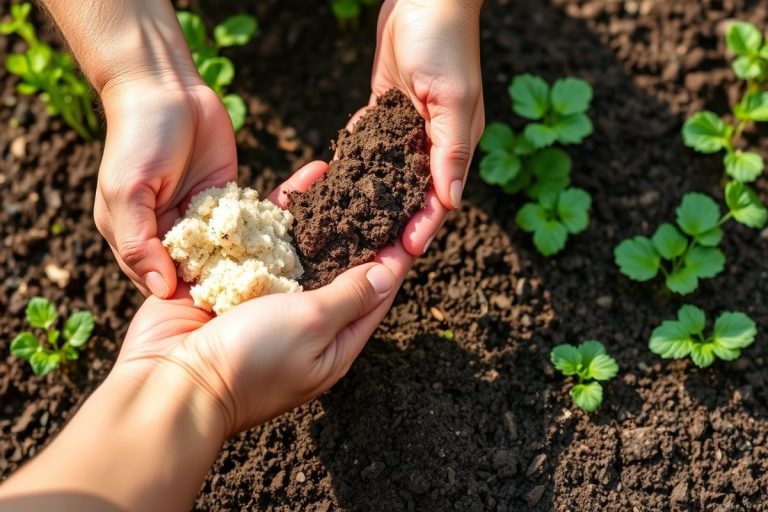
This makes your peach trees healthier. Preparing the soil means adjusting pH and adding compost.
You also need to make sure the drainage is good. These steps improve root growth and tree health.
Spacing for Pollination and Companion Planting Near Peaches
Peach trees are mostly self-pollinating, so you don’t have to plant two close together. Still, planting them 15 to 20 feet apart helps bees and wind spread pollen effectively.
Closer than that. You risk crowding, which limits sunlight and airflow, hurting fruit quality.
Plant peaches near a wall or fence to reflect heat. This helps fruit ripen better, especially in colder areas. For pollination, these nearby structures shouldn’t block sunlight or airflow.
Your trees need at least six hours of sun each day. Don’t plant them too close to walls or other plants. Give them enough room to grow.
Plant companion crops like garlic, chives, or marigolds near peaches. They don’t compete for space or nutrients. These are safe choices for your garden.
They can even repel pests that bother peach trees. Keep large shrubs and deep-rooted plants away from your peach trees.
They will compete for water and nutrients. That competition can hurt peach growth.
Spacing peach trees properly means less pruning later and fewer pest problems. For small gardens, pick dwarf peach varieties.
Plant them about 10 feet apart to save space. Larger trees need more room, up to 20 feet, to stay healthy and produce well.
Good pollination looks like consistent fruit set across many branches, not just sparse patches. Check tree spacing if fruit doesn’t set well.
Remove plants that block pollinators from reaching your trees. Remember, overcrowded peach rows create a mini jungle, making pollination and care harder.
Common Spacing Mistakes and How to Fix Them
Planting peach trees too close is a common mistake that leads to overcrowding. When trees are packed tightly, their branches compete for sunlight and airflow suffers. This increases the risk of disease and reduces fruit quality and yield.
Another frequent error is planting in low spots where frost settles early. This can kill blossoms or damage young trees in early spring. Also, forgetting to consider root spread can cause roots to compete underground, stressing the tree.
To check if spacing works, watch how branches grow and watch for crowded, shaded areas. Trees with good space have wide, open canopies with healthy new growth. Crowded trees often show less fruit and more disease signs.
- Space trunks about 12 to 18 feet apart for standard peach trees
- Plant on a slight rise or well-drained slope to avoid frost pockets
- Allow full canopy spread of 15 to 20 feet for mature trees
- Check yearly for crossing branches and prune to improve airflow
- Use stakes or markers to keep planting spots consistent and correct
- Adjust spacing for your garden size but keep enough room for growth
- Water regularly in early growth to help tree establish well
When peach trees grow, note the branch spread and tree height. If branches begin to crowd, prune early to maintain space. Trees squeezed too close may need thinning by removing some plants over time for better health.
Plant peach trees on slight rises to keep them safe from frost damage.
Step-by-Step Action Plan for Planting Peach Trees
Follow these steps to space your peach trees correctly and help them thrive. Each step ensures you set up for strong growth and easy care.
- Before planting: Measure your garden area accurately using a tape or rope. Mark tree spots based on standard, dwarf, or semi-dwarf spacing. Space your marks 15 to 20 feet apart for standard trees.
- Day of planting: Dig holes wide and deep enough to fit roots without bending. Aim for a hole twice as wide as the root ball. Make sure the soil drains well to prevent root rot.
- After planting: Water each tree deeply to settle soil and remove air pockets. Check soil moisture two days later to keep roots from drying out.
- First month: Add mulch around the tree base but leave a gap near the trunk. Mulch keeps roots cool and soil moist, reducing water needs.
- End of first season: Prune peach trees to open the center for airflow. This reduces fungal diseases and helps fruit ripen evenly.
- Each spring: Inspect your spacing and tree health. Thin out branches if crowding occurs, especially if you notice weak growth or poor airflow.
- Yearly: Adjust orchard rows if you add equipment paths or new trees. Maintain at least 12 feet between rows to allow mower access and avoid damaging roots.
Frequently Asked Questions
What Soil pH Is Best for Planting Peaches?
Peaches grow best in soil with a pH between 6 and 6.5. This range helps the tree absorb nutrients well and promotes healthy fruit production.
How Soon After Planting Should You Expect Peach Trees to Bear Fruit?
Most peach trees start producing fruit two to four years after planting. Dwarf varieties often fruit earlier than standard trees.
Can You Plant Peaches Near a Brick or Cement Wall?
Yes, planting near a brick or cement wall helps in frost-prone areas. The wall reflects heat and can protect trees from late-season frosts.
Is It Necessary to Plant More Than One Peach Tree for Pollination?
No, most peach trees are self-fertile and need only one tree to produce fruit. Plant more if you want a larger harvest, but it’s not required.
How Far Apart Should Peach Trees Be Thinned for Fruit Thinning?
Thin peaches 20 to 40 days after full bloom. Keep fruit 6 to 8 inches apart. This helps bigger, better-quality peaches grow.
Does Planting Peaches Too Close Increase Disease Risk?
Yes, planting too close causes dense branches and poor airflow. This creates a damp environment, raising risk for rot and other diseases.
Before You Go
Plant peach trees with space matching their type for strong growth and healthy fruit. Mark spots carefully before digging to avoid crowding or wasted room. Start measuring and marking your planting area today to get the best results for your orchard.