How Much Is Grass Seed? Costs, Quantities, and Budget Tips Explained
Grass seed prices range from $3 to $10 per pound based on type and quality. Plan to buy 5 to 10 pounds per 1,000 square feet for planting a new lawn. Overseeding needs about half that amount for the same space.
Prices vary because some seed bags include coatings, fertilizer, or mulch in the mix. Always check the actual seed weight inside the bag to avoid surprises.
Start by measuring your lawn area exactly. So you buy enough seed without wasting money.
Buying cheaper seed can save upfront, but premium, weed-free mixes often yield better results. Remember that seeding on slopes might require 15 to 20 percent more seed to prevent washout. Knowing these basics helps plan your budget and get your lawn growing right.
Key Takeaways
- Plan for 5, 10 pounds of seed per 1,000 sq ft for new lawns.
- Overseeding needs about half the seed compared to starting fresh.
- Seed costs range from $3 to $10 per pound based on species and quality.
- Check seed bags carefully to know actual seed weight without coatings.
- Measure your lawn first to buy the right amount of grass seed.
- Premium mixes often cost more but reduce weeds and improve lawn health.
How Much Does Grass Seed Cost per Pound and per Lawn Size?
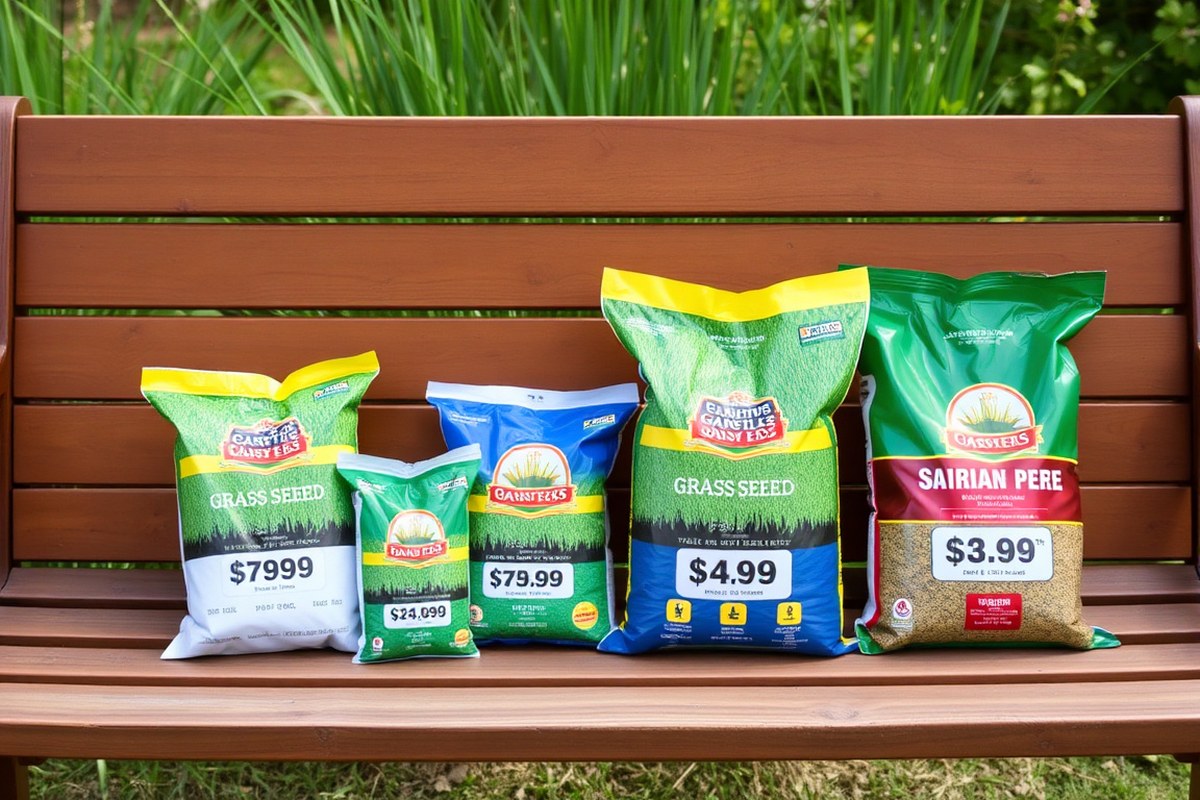
Grass seed prices vary widely by type, usually between $2 and $15 per pound. Common seeds like tall fescue cost around $2 to $6 per pound.
Premium types like Zoysiagrass can reach up to $41 per pound. The cost varies based on seed quality and whether it includes coating or additives.
Knowing your lawn size helps budget how much seed you need. A new lawn typically requires about 6 pounds of seed per 1,000 square feet.
For example, a 5,000 square foot yard would need roughly 30 pounds of seed. Price varies depending on the grass seed type you choose.
| Lawn Size | Average Total Cost (Labor + Materials) | Seed Cost Range (Materials Only) |
|---|---|---|
| 1,000 sq ft | $90, $150 | $20, $60 |
| 5,000 sq ft (typical home lawn) | $400, $750 | $100, $300 |
| ¼ acre (10,890 sq ft) | $980, $1,634 | $200, $650 |
| ½ acre | $1,960, $3,267 | $400, $1,300 |
| 1 acre | $3,920, $6,534 | $800, $2,600 |
To seed a 5,000 sq ft lawn, plan your budget well. Seed costs usually range from $100 to $300. This estimate helps you prepare for buying and planting.
The total project, including labor and materials, often falls between $400 and $750. Larger areas cost proportionally more but may have some labor savings per square foot.
Keep in mind that seed quality influences price. Coated or premium blends cost more. Besides seed, you might pay for soil prep and tools.
But seed is the main material cost. Buying the right amount and type of seed helps you get good coverage without wasting money.
How to Calculate the Amount of Grass Seed Needed for Your Lawn
Measure Your Lawn Area in Square Feet
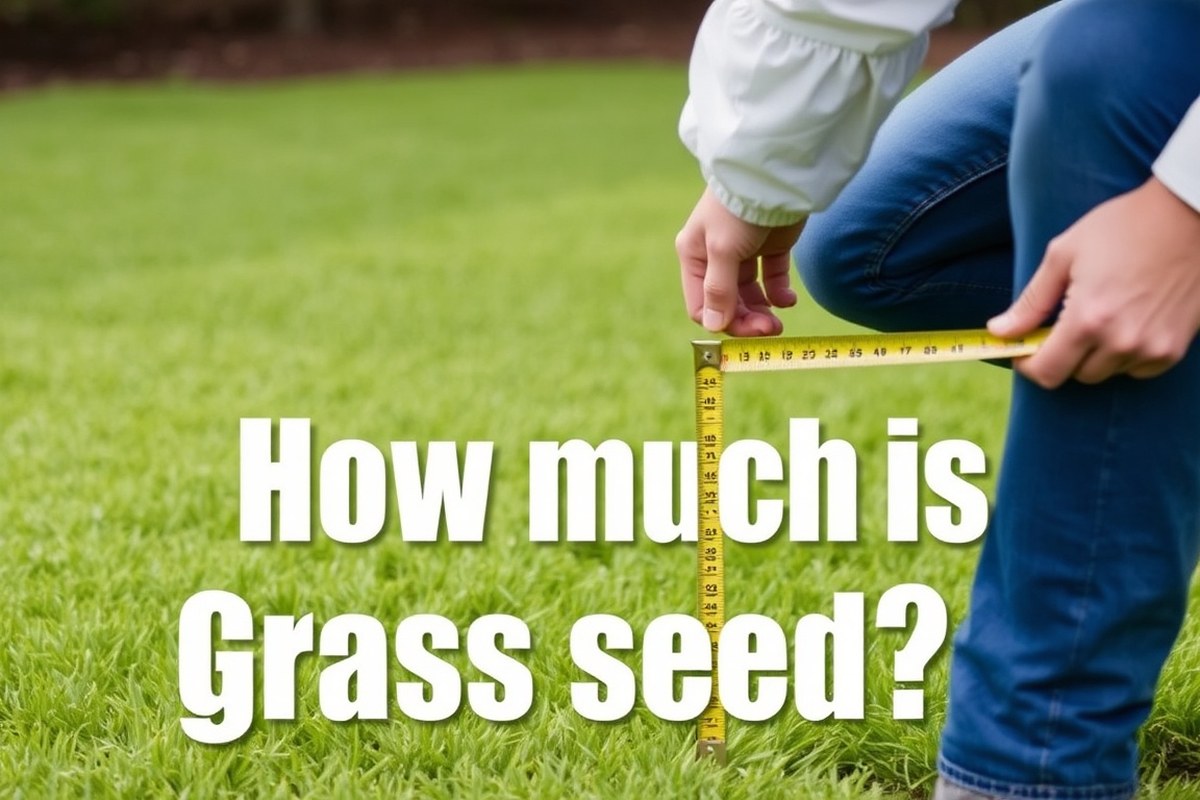
Before buying grass seed, measure your lawn’s total area in square feet. This number helps you estimate how much seed to buy. You can measure your lawn yourself using simple tools.
Use a tape measure or a measuring wheel to get the lawn’s length and width. Multiply those two numbers for rectangular or square lawns. For irregular shapes, divide the lawn into smaller rectangles.
Add each smaller section’s area to get the total. Write down the exact square footage to use in the seed calculation.
- Walk around the lawn with a tape measure or measuring wheel.
- Record the length and width for rectangular areas.
- Break irregular lawns into smaller rectangles or circles.
- Calculate each section’s square footage (length × width).
- Add up the square footage of all sections.
- Keep the total square feet handy for seed rate calculation.
Don’t guess your lawn size; even a 10% error changes seed costs significantly.
Select Seed Rate Based on Grass Type and Lawn Condition
The seeding rate depends on grass type and whether you’re planting new or overseeding. New lawns need roughly double the seed than overseeding existing grass. Seed rates per 1,000 square feet differ widely by grass type.
Kentucky Bluegrass, a cool-season grass, needs about 4 pounds of seed per 1,000 sq ft when planting new lawns. Fresh tall fescue lawns require up to 10 pounds per 1,000 sq ft. For overseeding existing lawns, use about half these seed amounts.
Warm-season grasses like Bermuda require around 2 lbs per 1,000 sq ft for new lawns. Bahia grass needs up to five times more seed than Bermuda per area. Check the recommended seed rate on your seed bag or label for best results.
Calculate Total Pounds and Number of Bags Needed
Find your lawn’s total area. Multiply that by the seed rate per 1,000 sq ft. This will give you the amount of seed to buy in pounds.
Divide the lawn size by 1,000, then multiply by your seed rate. This tells you the total weight of seed for the project.
Decide your seed bag size, usually 5, 10, or 20 lbs. Take the total pounds of seed you need. Divide that by the weight of one bag.
This tells you how many seed bags to purchase. Buying a little extra seed helps cover uneven spread or damaged areas.
For instance, a 2,500 sq ft lawn times 4 lbs per 1,000 sq ft equals 10 lbs of seed. This is for planting Kentucky Bluegrass on new lawn areas.5 × 4).
That needs two 5-lb bags or one 10-lb bag. Adjust if overseeding or using a different seed type.
Grass Seed Types and Their Impact on Cost and Coverage
Grass seed cost and coverage vary widely by type. Cool-season grasses like tall fescue and Kentucky bluegrass cost more. They cover less area per pound of seed.
Expect to pay more for less coverage. Warm-season grasses often cost less per pound and cover larger areas. Seed quality and blends also influence both price and seeding rate.
Cool-Season Grasses: Fescue, Kentucky Bluegrass, Ryegrass
Cool-season grasses suit northern climates and often come at higher prices. Kentucky bluegrass costs between $7 and $15 per pound. You need about 175 pounds per acre for new lawns.
This seeding rate helps the lawn grow thick. Ryegrass and tall fescue typically cost less, around $2 to $8 per pound. But require heavier seeding at about 435 pounds per acre.
One pound of Kentucky bluegrass covers roughly 550 square feet. Tall fescue and ryegrass cover about 200 square feet each.
Overseeding usually cuts these rates in half. Kentucky bluegrass produces fine texture but denser seeding means higher seed costs and more labor.
Warm-Season Grasses: Bermuda, Buffalo, Zoysia
Warm-season grasses thrive in southern regions and usually cost less per pound than cool-season types. Bermuda seed costs about $3 to $12 per pound. Each pound covers roughly 350 square feet.
New lawns require about 87 pounds per acre. Zoysia and centipedegrass are pricier, up to $40 per pound. But they cover larger areas, reducing seed volume.
Buffalo grass seed is the most expensive, $40 to $50 per pound. But each pound covers 500 square feet.
Warm-season grasses typically require lighter seeding rates, cutting direct seed expenses. Coverage differences matter most for large lawns where seed quantity drives overall cost.
Seed Quality Factors: Coated vs. Raw and Blended Seeds
Seed quality affects price and how much seed you need. Coated seeds often cost more because they contain treatments that improve germination.
When buying blends, cost depends on what varieties are mixed and their quality. Premium blends command higher prices but can deliver better lawn establishment.
Blended seeds mix fast- and slow-growing types to balance coverage and durability. They typically have moderate seeding rates between more expensive single-species seeds and cheaper bulk seeds. Buying good seed and using the right seeding rate saves money.
It lowers the chance of reseeding. You avoid patchy spots in your lawn later.
| Type of Grass | Average Price Per Pound | Coverage Per Pound (sq ft) | Typical Seeding Rate New Lawn (lbs/acre) | Typical Seeding Rate Overseeding (lbs/acre) |
|---|---|---|---|---|
| Kentucky Bluegrass | $7, $15 | 550 | 175 | 87 |
| Tall Fescue | $2, $6 | 200 | 435 | 218 |
| Ryegrass | $3, $8 | 200 | 435 | 218 |
| Bermudagrass | $3, $12 | 350 | 87 | 44 |
| Zoysiagrass | $8, $40 | Varies | Varies | Varies |
| Buffalograss | $40, $50 | 500 | Less common | Less common |
Looking at price, coverage, and seeding rates side by side helps you pick seed types. Bermuda and Kentucky bluegrass give you more coverage per pound. Tall fescue and buffalo grass cover less area.
Choose seed type based on coverage needs. Higher seed cost doesn’t always mean higher overall expenses if seeding rates are lower.
How Seeding Methods Affect the Total Cost of Grass Seed Projects
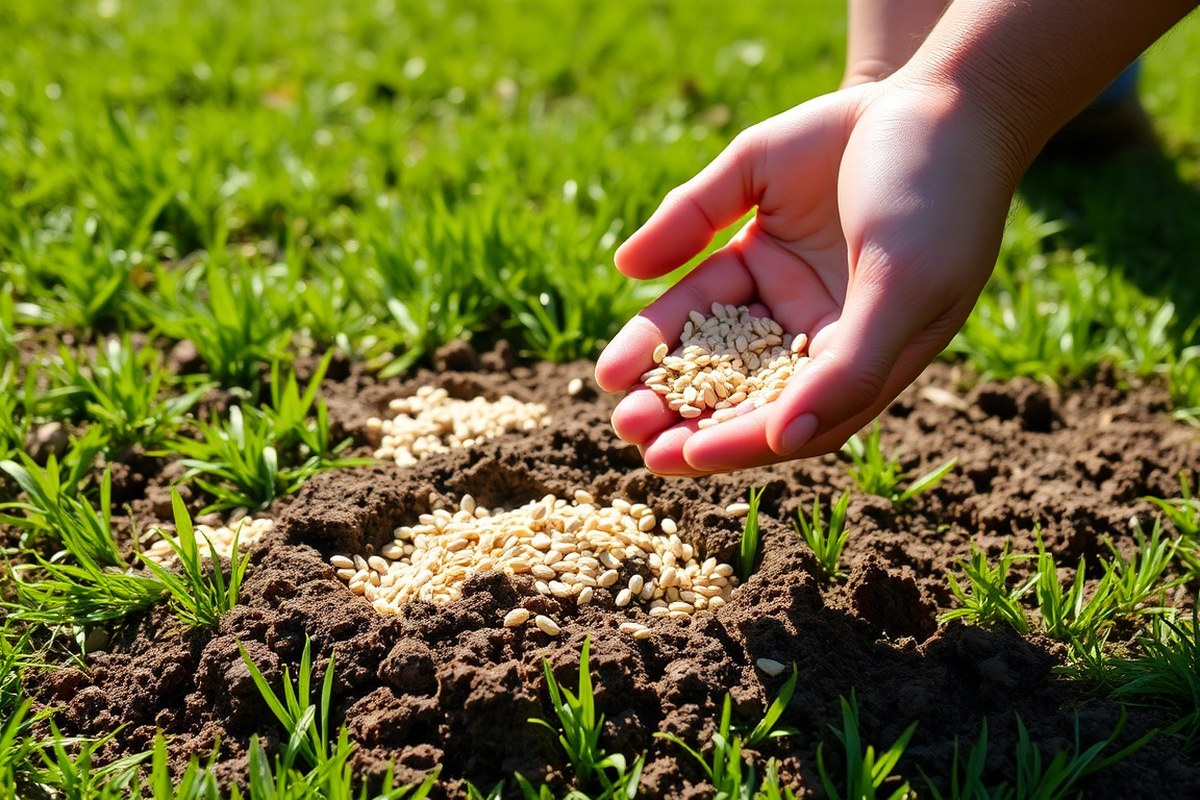
Hand spreading is the simplest seeding method. You scatter seed by hand over the soil. This method uses more seed because the spread is uneven.
Some areas get too much seed while others get none. This causes bare spots or overlapping seed patches. Expect to use about 10% more seed than with mechanical methods, which raises your cost slightly.
It works well on small, flat lawns. On slopes, seed might wash away. That makes this method tricky on hills.
Broadcast spreaders are common for medium or large lawns. These tools fling seed out in a wide pattern for more even coverage. You use less seed than hand spreading.
For new lawns, about 5 to 10 pounds per 1,000 square feet is enough. Broadcast spreading suits flat or gently sloped lawns well.
The seed costs less because you waste less. But you must rake lightly afterward to cover seeds and prevent bird feeding.
Slice seeding uses a machine that produces narrow grooves in the soil. Seeds are dropped directly into these cuts for better soil contact. This approach costs between $0.08 and $0.18 per sq ft and requires half to two-thirds less seed than spreading by hand.
Hydroseeding sprays a mix of seed, water, and mulch over the soil surface. The cost ranges from $0.07 to $0.21 per sq ft. This technique uses less seed because the mulch keeps moisture and coverage uniform, helping seed survive on large, sloped, or uneven areas.
For slopes or difficult terrain, slice seeding and hydroseeding are the best options. Both hold seeds in place better than loose methods. Hand or broadcast spreading risks seed loss to wind or water runoff on inclines.
Choosing the right method depends on lawn size, terrain, and your budget. Bigger lawns often benefit from slice seeding or hydroseeding.
These methods cost more up front. They save seed and help seeds grow better over time.
DIY vs Professional Seeding: Cost Comparison and When to Hire Help
Seeding your lawn yourself can save you $100 to $300 or more. The exact amount depends on your lawn size. Doing it yourself cuts out labor costs.
You pay only for materials and equipment, skipping labor costs. Professional seeding costs $45 to $95 per hour for labor.
Materials add more to the total cost. Most lawns end up costing $700 to $2,000 in total.
The table below shows typical costs for DIY and professionals. It helps you understand where your money goes.
Reviewing it can guide your budget decisions. Materials include seed, fertilizer, and mulch, while equipment covers spreaders and rakes.
| Category | Low | Average | High | Notes |
|---|---|---|---|---|
| Materials | $30 | $90 | $210 | Seed, starter fertilizer, mulch, soil amendments |
| Labor | $0 | $60 | $180 | DIY labor is free; pros charge per hour |
| Equipment | $0 | $15 | $60 | Spreaders, protective gear, rakes |
| Delivery/Disposal | $0 | $8 | $40 | Seed delivery and bag disposal fees |
| Warranty / Returns | $0 | $5 | $15 | Seed germination guarantees vary by supplier |
Doing it yourself is best if you have time and can prepare properly. You save labor costs but must rent or buy gear for about $15 to $60. Preparing the soil right before seeding is key to good results.
Hiring a pro makes sense for large or badly damaged lawns. Experts also help choose the right seed for your yard. You get better results with their know-how.
Professionals handle prep, spreading, and cleanup faster and more evenly. You’ll pay higher costs but often get better germination and growth.
Don’t skip soil prep, whether doing the work yourself or hiring help. Poor preparation often leads to patchy grass coverage. Good prep is key to even growth.
Additional Costs That Affect Your Grass Seeding Budget
Soil preparation often means tilling and adding starter fertilizer before seeding. Tilling costs $50 to $200 for small to medium lawns. The price depends on equipment and local rates.
Starter fertilizer costs about $10 to $20 per 1,500 square feet. It gives new grass nutrients needed to grow.
Aeration helps by loosening compact soil to let air and water reach roots. Renting an aerator runs around $60 to $100 per day.
You can rent equipment at garden centers, home improvement stores, or local rental shops. Using your own lawn spreader cuts extra costs significantly.
Adding mulch helps keep seeds moist and prevents them from washing away. Organic mulch costs between $30 and $100 for about 100 square feet.
You don’t always need this for small patches. But large areas benefit from a light mulch layer to keep moisture consistent.
Fertilizers and seed coatings also add to expenses. Fertilizer prices vary from $10 to $30 per bag, enough for several hundred square feet.
Seed coatings improve seed survival but can increase seed costs by 10 to 20 percent. Check packaging for exact amounts and follow manufacturer instructions carefully.
Delivery fees may apply if you order seed or soil amendments online or from distant stores. Urban areas often charge $20 to $50 for delivery.
Rural locations might charge less but add travel fees for soil amendments. Planning ahead to pick up materials locally can save you money.
Some projects need equipment rental besides aerators, like tillers or sprayers for hydroseeding. Renting a tiller can cost $50 to $150 per day. Hydroseeding equipment rental leans higher, starting near $100 or more each day.
Keep in mind how lawn size and desired seed density affect other costs. Larger lawns require more seed, fertilizer, and mulch, increasing overall expenses. A dense lawn needs more seed bags and soil prep to create ideal growth conditions.
How Environmental Factors and Lawn Conditions Change Grass Seed Needs
Steeper slopes need more grass seed because they lose moisture and soil faster. Use about 20 to 30 percent more seed than flat areas. This helps fill spots where seeds might wash away.
It gives your lawn better coverage on slopes. Covering the seed with mulch also holds soil in place and keeps moisture steady during germination.
How good your soil is changes how much seed you need. Poor soil with low nutrients needs better preparation before seeding.
Adding compost or fertilizer improves soil health, which helps seeds grow with less waste. Without this, you might need to reseed more often, raising costs.
Your lawn is patchy or thin. Overseeding uses less seed than starting new grass. Seed rates for overseeding usually run 25 to 50 percent less than seeding bare ground.
That’s because seeds fill in existing grass rather than lighting up empty soil. For overseeding, use about 3 to 5 pounds of seed per 1,000 square feet.
Sun exposure impacts seed amounts, too. Shady parts grow grass slower, so use shade-tolerant varieties and seed a bit thicker. Areas with full sun can get by with regular amounts.
Check your lawn’s sun patterns carefully. Then match seed type and rate to each spot. This saves you money and time.
Plan your seeding according to your lawn’s slope, soil, sunlight, and current grass. Your area drains fast or stays dry. Seed more often or pick drought-tolerant grass types.
Test your soil pH and nutrients at a local extension office. They tell you what amendments to add.
This helps your grass grow better. This reduces the chance of patchy growth and repeating the seeding.
Tips to Save Money and Ensure Successful Grass Seed Investment
Saving money and getting good results depend on smart buying and smart seeding. Buy grass seed at the right time for best results. Use ways to stop seed from going to waste.
This helps your lawn grow well with less expense. Also, using fertilizer and mulch helps the seed grow strong faster.
Buy Seed Off-Season or During Sales
Grass seed prices drop during off-season times. For cool-season grasses, shop late spring or summer, after peak demand ends. Warm-season grass seed often sells cheaper in fall or winter.
Buying in bulk or during clearance sales can reduce the price per pound. Seed packets on sale or old ones often cost less.
Look at the seed’s viability date before you buy. This tells if the seed will still grow strong.
Use Proper Spreading Techniques to Avoid Waste
Overapplying grass seed wastes money and can harm the lawn, causing dense patches or poor growth. Use a broadcast spreader for even coverage and set it according to the seed type’s recommendation.
Walk at a steady pace and overlap each pass slightly to avoid bare spots. Clear your lawn of debris before spreading seed.
Loosen the soil so seeds can settle better. This helps new grass roots grow well.
- Calibrate your spreader with a test run using seed or sand
- Apply half the seed in one direction, then cross-seed at a right angle
- Don’t apply seed when wind is strong to avoid drifting
- Keep track of the amount used to prevent going over the needed rate
- Water gently right after spreading to settle seeds into soil
Check your spreader calibration before starting to keep the right seed rate.
Apply Fertilizer and Mulch for Best Germination
Starter fertilizer rich in phosphorus encourages fast root growth. Applying it before or just after seeding improves germination rates. Test your soil to match fertilizer needs for best results.
Mulch slows water evaporation and protects seeds from birds and wind. Use a light straw or hay layer about a quarter-inch thick. Avoid thick mulch that blocks sunlight or traps too much moisture.
Choose Seed Quality That Matches Lawn Needs
Buy seed with a high germination rate, typically over 80%, to ensure more seedlings grow. Check the label for weed seeds and inert matter to avoid money on poor-quality batches.
Select seed types that fit your climate zone and lawn use. For instance, choose drought-tolerant seed for sunny, dry areas. Spending a little more on higher-quality seed saves on reseeding costs, which average $700 to $1,800.
Step-by-Step Action Plan for Budgeting and Seeding Your Lawn
Follow these steps to plan your grass seed purchase and planting process. Doing it right saves money and boosts your lawn’s chances of success.
- Before you start: Measure your lawn area carefully. Use a tape or online tool to get accurate square footage.
- Day 1: Choose the type of grass seed that fits your climate and lawn use. Check seed labels to estimate pounds needed per square foot.
- Day 2: Calculate total amount of seed based on your lawn size and seed coverage. Add about 10% extra for uneven ground or waste.
- Week 1: Compare prices from local stores and online sellers. Look for deals but don’t skip quality seeds for too low a price.
- Week 2: Prepare your lawn by mowing, raking, and removing debris. Good soil contact helps seeds germinate better.
- Week 3: Choose a seeding method: spread by hand, drop spreader, or hire a pro. Check your budget and skill level before deciding.
- After seeding: Water your lawn daily but lightly. Watch for green shoots to appear in about 7 to 21 days depending on seed type.
- After 4 weeks: Reduce watering frequency as grass grows. Inspect for thin spots and plan overseeding if needed.
Frequently Asked Questions
How Much Grass Seed Do I Need for a Quarter-Acre Lawn?
You’ll need about 25 to 50 pounds of grass seed for a quarter-acre. This depends on whether you’re planting a new lawn or overseeding an existing one. New lawns usually require more seed than overseeding.
Does Grass Seed Price Vary by Type?
Yes, grass seed price varies by type from $3 to $41 per pound. Common types like tall fescue and ryegrass are cheaper. Rare or specialty seeds like Zoysiagrass cost more.
How Does Budget Impact How Much Grass Seed to Buy?
Your budget decides whether you buy basic or premium seed blends. Premium seeds cost more but may include coatings or fertilizers. Decide what you need before getting expensive seed.
Is It Cheaper to Overseed or Start a New Lawn?
Overseeding generally costs less because you use half the seed amount. New lawns require 5 to 10 pounds per 1,000 square feet. Overseeding usually uses 2 to 5 pounds.
Can I Estimate Grass Seed Cost Without Professional Help?
Yes, you can calculate your lawn’s area and multiply by seed rate and price. Measure your lawn in square feet first. Then use seed cost per pound to estimate your total.
Does Seed Packaging Always Show Actual Seed Weight?
No, some bags include seed coating or fertilizer, reducing actual seed weight. For example, a 25-pound bag may have only 12-14 pounds of actual seed. Check bag details before buying.
Final Thoughts
Grass seed cost depends on seed type, lawn size, and seeding method. Start by measuring your lawn and picking the right seed type. Buy the right amount and plan your seeding carefully for the best results.