Are Peonies Bulbs? Clear Differences and Essential Planting Tips
Are peonies bulbs? The simple answer is no. Peonies grow from roots that look like tubers or thickened storage roots, not from true bulbs.
These thick roots extend deep into the soil, often reaching 12 to 18 inches below the surface. This depth allows peonies to store nutrients and survive cold winter temperatures effectively.
Because peonies grow from these deep roots, planting them requires holes that are deep enough. If you plant them too shallow, peonies may fail to bloom and become weak over time.
Peonies also need a sunny spot with at least six hours of direct sunlight daily. Choosing well-draining soil helps keep their roots healthy and prevents rot issues during wet seasons.
Key Takeaways
- Peonies grow from tuber-like roots, not bulbs, so plant accordingly.
- Dig planting holes at least 2 feet deep for their storage roots.
- Plant peony roots about 2 inches below the soil surface for best results.
- Provide at least 6 hours of direct sunlight daily for healthy growth.
- Use well-draining soil to prevent root rot and encourage root spread.
- Space plants 3 to 4 feet apart to improve air flow around leaves.
Are Peonies Bulbs or Tubers? Key Differences Explained
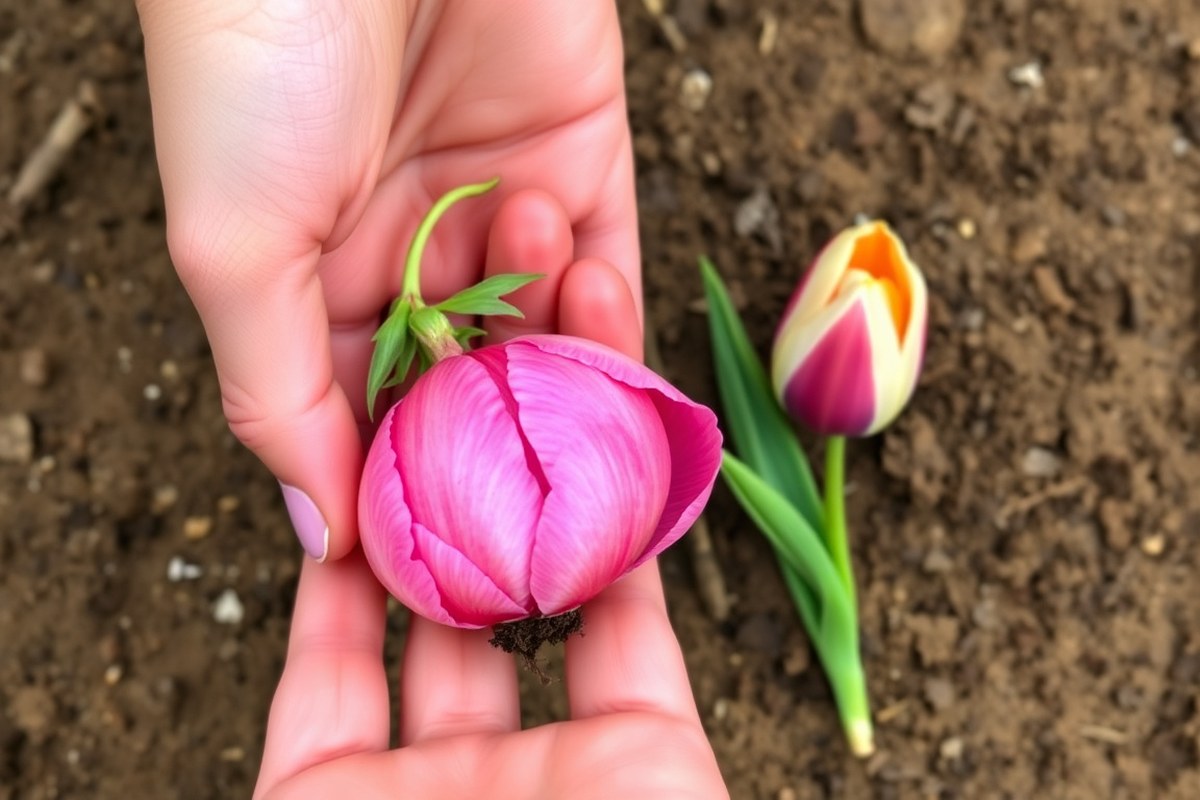
Peonies grow from thick root crowns, not from bulbs. These tubers store food and protect the plant during winter. Bulbs are different because they have a round, layered shape.
Bulbs like tulips and daffodils store energy inside. They have a fleshy, round shape made of layers. These layers or scales hold the food the bulb needs.
Peony tubers have a woody, irregular structure with several thick roots spreading out. The difference in root structure means peonies need different planting and care than true bulbs.
You can spot bulbs by their compact, layered look. They have visible scales around them. This makes bulbs easy to recognize from tubers.
Peony tubers are thick, irregular, and have a woody texture. Bulbs also often have a pointed end where shoots grow. But peony tubers show small rounded buds or eyes on the root crown.
You can grow bulbs by planting them 2 to 3 inches deep, pointed side up. Plant peony tubers shallowly, about 1 to 2 inches deep. Make sure the buds are just beneath the soil.
This helps the plant grow properly. Overwatering peony tubers can cause rot, which is less of a problem for bulbs.
The growing cycle differs too. Bulbs store all their energy inside. So they quickly sprout new leaves and flowers each season.
Peonies rely on their root crowns to slowly rebuild strength year after year. This slow growth means peonies take longer to mature and bloom fully.
Knowing these differences helps you care for your peonies properly. Avoid planting them too deep or watering them excessively. Treat peonies more like perennial shrubs with special tuberous roots rather than classic bulbs.
What Do Peony Roots and Tubers Look Like?
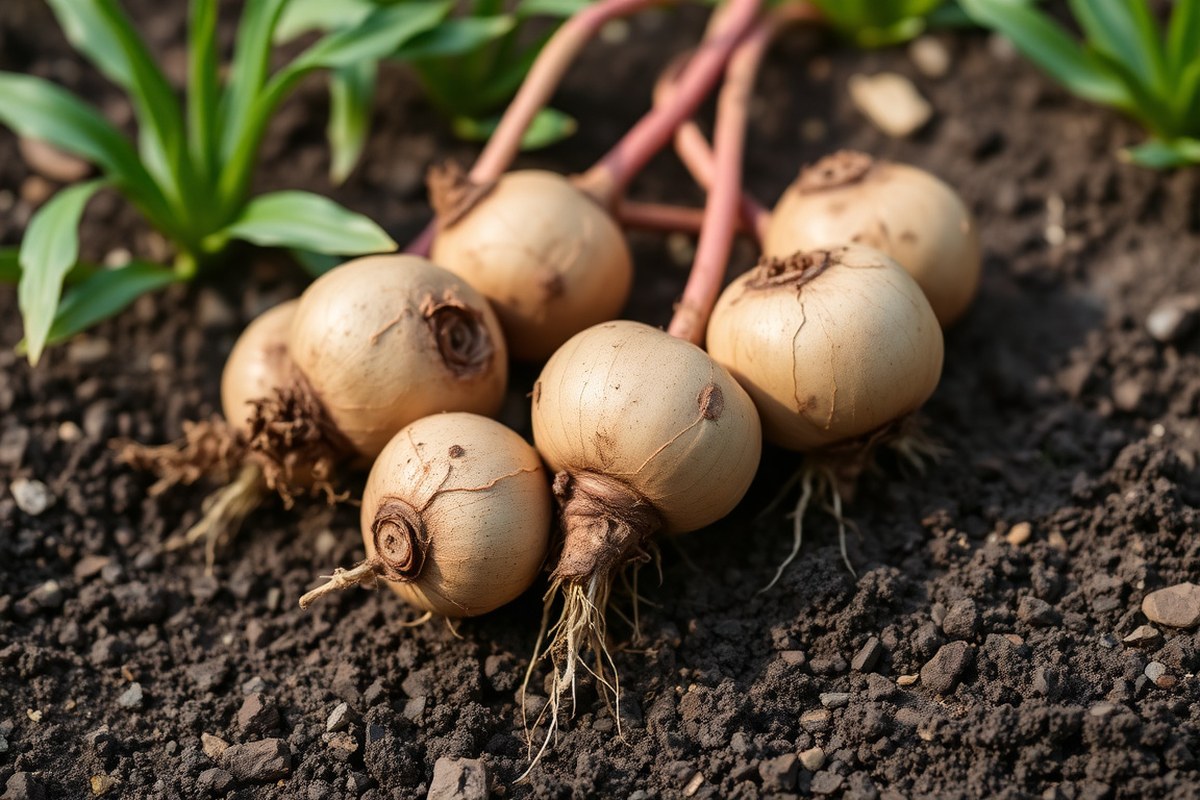
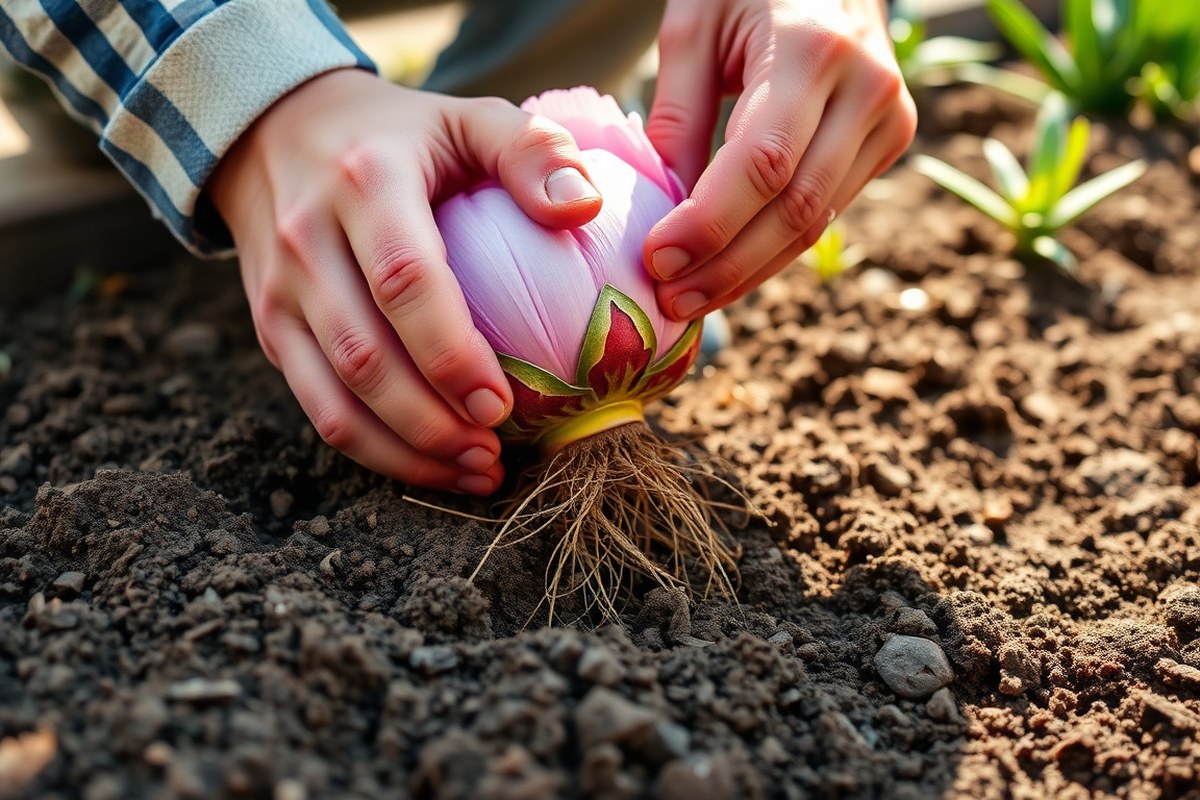
Peony roots look like thick, fleshy tubers rather than bulbs. They are long, fleshy structures that can grow 12 to 18 inches deep. These tubers store nutrients and support new shoots, which grow from buds called eyes.
Each bunch of peony roots has several eyes, which are small, pointy growth tips. These eyes are where new stems emerge in spring.
They look like round or slightly raised spots on tubers. These spots often show a pinkish or light color.
- Choose roots with firm, plump tubers, free of wrinkles or soft spots
- Look for at least 3 to 5 healthy eyes on each root division
- Avoid any roots with dark discoloration or mold
- The tubers should feel moist but not soggy
- Healthy roots are free of major cuts or bruises
Strong plants begin with healthy roots and well-formed eyes. Shallow or broken eyes can stop shoots from growing. Place peony roots with eyes just 1 to 2 inches under soil.
Before planting, soak roots in cool water for about 30 minutes. This helps hydrate the tubers and supports root activation. Peonies thrive in well-draining soil that lets these tubers develop a deep and strong network.
Never plant the roots deeper than 2 inches; it stops flowers from forming well.
When and How to Plant Peonies for Best Growth
Plant peonies in early fall for best root growth before winter. Set tubers 6 inches deep with the eyes 2 inches below the soil surface. Space plants 2 feet apart for herbaceous types and 4 to 5 feet for tree peonies.
Choosing the Right Planting Time
Fall is the ideal time to plant peony tubers, usually September or October. This timing lets roots develop before frost. In warmer climates, you can plant peonies a little later in fall.
Bareroot peonies may also be planted in early spring. However, fall planting usually results in better blooms the next years. Avoid planting when the ground is frozen or soggy.
Preparing Soil and Planting Hole
Pick a sunny spot with well-drained soil for peonies. They need soil that is neither too wet nor too dry. Spend time digging and loosening soil before planting.
Prepare a hole wide and deep enough for the roots to spread without bending them. Adding compost or organic matter improves soil fertility and drainage. Avoid fresh manure as it can burn roots.
Planting Depth and Eye Orientation
Plant tubers with the eyes facing up, about 2 inches below soil. Mark the depth with a stake to avoid planting too deep. Planting peonies deeper than 3 inches can cause fewer flowers.
Carefully place the roots spread out in the hole to encourage strong growth. Cover the tuber with soil and press lightly to remove air pockets. Water gently after planting to settle the soil.
Spacing and Positioning Guidelines
For herbaceous peonies, space tubers about 2 feet apart to avoid crowding. Tree peonies need 4 to 5 feet between plants because they grow larger. Space keeps airflow good and reduces disease risk.
Position plants so crowns sit level or slightly above soil line for best flowering. Plant with root system pointing down. Avoid planting near large shrubs or trees that compete for nutrients.
Follow these steps to plant peony tubers in your garden:
- Choose a sunny, well-drained spot with loose soil.
- Dig holes about 6 inches deep and wide enough for spreading roots.
- Place tubers with eyes facing up and roots spread out.
- Set the eyes about 2 inches below soil surface.
- Cover with soil and press gently to remove air pockets.
- Space plants 2 feet apart for herbaceous, 4-5 feet for tree peonies.
- Water the planting area lightly to settle the soil.
- Add mulch after soil freezes to protect roots in cold climates.
How Long Does It Take Peonies to Bloom After Planting?
Peonies usually take two to three years to bloom after planting. You won’t often see flowers the first year. Their roots need time to grow and settle in the soil before they produce blooms.
It helps to plant peonies about six weeks before the ground freezes. This timing lets their roots establish better before winter. If you plant in spring instead, expect to wait about a year longer for flowers.
Once established, peonies bloom every year reliably. Older plants, around five years or more, can produce 5 to 10 flower stems. Younger plants often grow only 2 to 3 stems, so blooms increase with age.
Peonies bloom in early summer, but exact timing depends on the variety. Nurseries often sell early, mid, and late blooming types. Mixing these varieties extends your garden’s bloom period over many weeks.
Water peonies only during dry spells. They don’t need constant watering once settled.
Planting in sandy soil may help them establish faster. But nutrients can wash away, weakening growth over time.
You can speed up blooming by choosing tree peonies. They bloom earlier than herbaceous types and have bigger flowers. Also, make sure peonies get full sun and well-drained soil to promote healthy growth and flowers.
Types of Peonies and How That Affects Planting and Care
Peonies come in three main types: herbaceous, tree, and Itoh (intersectional). Each type has unique traits that change how you plant and care for them. Knowing which kind you have helps avoid common growing problems and get the best flowers.
Herbaceous Peonies Overview
Herbaceous peonies are the classic bush type. They die back to the ground every winter and grow fresh stems each spring. Their blooms appear in late spring and can reach about 3 feet tall.
They need planting where the soil is well-drained and rich in organic matter. Plant their tuberous crowns just 1 to 2 inches below soil surface to get good blooms. Stake these plants during flowering to keep heavy blooms from drooping.
These peonies prefer full sun but tolerate some afternoon shade. Cut them back in the fall to stop disease and pests from overwintering on old stems.
Tree Peonies Overview
Tree peonies are woody shrubs that keep their stems above ground year-round. They grow taller, often reaching 6 feet.
Their flowers are bigger and more showy than herbaceous types. They bloom earlier in spring and have a sturdy structure.
Plant them a little deeper than herbaceous peonies, about 2 to 3 inches below soil surface. Tree peonies tolerate partial shade better, but they also benefit from well-drained soil. These plants don’t usually need staking because of their strong woody branches.
Prune dead wood only after flowering, and avoid heavy cutting. Mulch around the base to protect roots during winter, especially in colder zones.
Itoh (Intersectional) Peonies Overview
Itoh peonies are hybrids of herbaceous and tree types. They show traits of both: strong stems with colorful, large blooms. These plants bloom longer than herbaceous peonies and grow to about 3 to 4 feet tall.
Plant Itoh peonies with crowns 2 inches below soil. Choose full sun or light shade for them.
They also need staking to hold flowers upright because blooms are heavy. Fertilize yearly in early spring for best growth.
These peonies handle heat better and resist some common peony diseases. They die back in winter like herbaceous peonies but regrow robustly in spring.
| Peony Type | Height | Bloom Time | Planting Depth | Sunlight | Staking Needed |
|---|---|---|---|---|---|
| Herbaceous | Up to 3 ft | Late spring | 1-2 inches | Full sun to light shade | Yes |
| Tree | Up to 6 ft | Early spring | 2-3 inches | Partial shade to full sun | No |
| Itoh (Intersectional) | 3-4 ft | Late spring to early summer | About 2 inches | Full sun to light shade | Yes |
Knowing these key characteristics helps you plant your peonies correctly. It also guides pruning, staking, and sunlight needs to boost flowering and plant health.
Pest and Disease Prevention Basics
Peonies are generally tough plants with few pest or disease problems. Botrytis blight or powdery mildew can still appear.
This happens if the garden is damp or crowded. Good airflow by spacing plants well helps cut down risks.
Cut back peonies in the fall to remove dead stems where pests and diseases hide. Avoid overhead watering to reduce leaf diseases.
Spot pests like aphids? Use soapy water spray or insecticidal soap to control them.
Applying mulch keeps soil moisture steady and controls weeds. But keep mulch away from stems to prevent rot. Removing faded flowers also prevents seed pod formation that can sap energy from the plant.
Staking peonies before flowers bloom stops stem breakage from heavy flower heads later on.
Year-Round Care for Peonies: Water, Sunlight, and Fertilizer
Peonies need full sun for at least six hours daily to thrive. In hotter areas, a little afternoon shade helps protect them from stress.
The soil must drain well; heavy clay is a problem. You can mix in sand or perlite to loosen the soil before planting.
Water freshly planted peonies regularly to keep roots moist but not soggy. Once established, give about 1 inch of water weekly during dry spells. Avoid overwatering to prevent root rot.
Mulch around the base to keep moisture steady. Avoid piling soil or mulch over the crown.
Fertilize peonies lightly when stems reach about 6 inches tall in early spring. Use bone meal, compost, or a slow-release organic fertilizer for steady nutrients. Your soil might be poor.
Add fertilizer again in early summer after deadheading. Overfeeding can cause lots of leaves but few blooms.
Support is key when peonies bloom, especially for varieties with large flowers. Stakes or rings placed early help keep stems upright.
You can install supports as buds appear. So heavy blossoms don’t flop under their own weight.
In fall, peonies go dormant and need little care. Keep soil mulched lightly for winter protection. Don’t water much during cold months.
Divide established plants every few years if they outgrow their space or bloom less. This helps keep growth healthy and flowers strong.
Storing and Dividing Peony Roots for Longevity and Growth
Peony roots need cool, dry storage before planting to stay healthy. You don’t have to divide peonies often since they don’t like root disturbance. When division is needed, doing it the right way helps new plants grow strong.
When to Divide Peonies
Peonies usually only need dividing every 8 to 10 years to prevent overcrowding. Too much root disturbance can slow blooming or harm the plant. You should divide peonies in late fall.
Do it after the leaves die back. Do this before the harsh winter begins.
Splitting peonies when they start to bloom less or crowd their space helps keep them healthy. Avoid dividing peonies in spring or summer.
Roots grow actively then and get more vulnerable. Dividing at that time can stress the plant.
Proper Storage Conditions
Keep peony roots in a cool and dry place before planting. Temperatures between 35°F and 45°F work best for short-term storage. Avoid wet spots that cause rot or mold on the roots.
Store the roots wrapped loosely in damp newspaper or sawdust to maintain light moisture. Check them often during storage and remove any soft or damaged parts straight away. Good airflow helps stop mold growth.
- Store roots in a container or box with ventilation holes
- Keep the storage away from direct sunlight and heat sources
- Stay within 35°F to 45°F, like a cool basement or refrigerator
- Keep roots slightly moist but not soggy
Step-by-Step Root Division
Use sharp tools and clean hands to divide peony roots carefully. Cutting the roots correctly avoids damaging too much of the crown or root system. Below is the step-by-step process to divide peony clumps properly.
- Dig around the clump carefully, keeping roots intact
- Lift the entire root ball, shaking off loose soil
- Use a sharp knife or spade to cut the root ball
- Divide the clump into sections with at least 3 to 5 healthy eyes each
- Trim any broken or dead roots cleanly with pruning shears
- Dust the cuts with fungicide powder to reduce infection risk
- Plant divisions promptly in prepared soil, at the right depth
- Water thoroughly but avoid waterlogging during the first weeks
Healthy divisions show firm roots and plump buds or eyes. Damaged roots or mushy areas reduce success chances. Planting the divided roots within 24 hours keeps them fresh and ready to grow.
Common Peony Planting Mistakes and How to Avoid Them
One common mistake is planting peonies too deep. The roots or tubers should be no more than 2 inches below the soil surface. When planted too deep, peonies struggle to bloom and grow weak stems.
Avoid crowding plants. Space peonies at least 3 feet apart. Crowding blocks airflow and causes more disease problems.
Peonies don’t like soggy or heavy clay soil. This type stops water from draining well. Roots can rot if the soil stays wet too long.
To fix this, amend the soil with organic matter like compost or shredded bark. This improves drainage and soil texture.
- Plant tubers 1 to 2 inches below the soil surface
- Space peonies about 3 feet apart for good airflow
- Choose a sunny site with at least 6 hours of sunlight daily
- Add compost or organic matter to heavy or clay soil
- Avoid planting in spots where water pools after rain
- Limit fertilizer to twice a year; too much causes weak stems
Never plant peonies deeper than 3 inches or expect blooms to disappear.
Another error is over-fertilizing. Too much nitrogen encourages leafy growth but weak stems.
Feed peonies once in early spring and again after blooming with a balanced fertilizer. This supports healthy growth without sacrificing flower strength.
Choosing where to plant matters. Peonies need full sun for six hours or more daily. Partial shade can reduce blooms and make stems tall and floppy.
Also, make sure the spot doesn’t collect standing water after rain. Poor drainage often causes root rot.
Step-by-Step Action Plan for Planting and Caring for Peonies
Follow these steps to plant peonies right and help them grow strong. Each phase tells you what to do and how to check if it worked.
- Before Planting: Prepare the soil by adding compost. The ground should drain well and feel loose.
- Planting Time (Fall): Plant peony roots with eyes (buds) 1 to 2 inches below the soil. Check that roots look healthy and firm.
- First Month: Water regularly, about 1 inch per week. Soil should stay moist but not soggy.
- Spring Growth: Remove any mulch as new shoots appear. Shoots should reach 3 to 4 inches tall.
- After First Bloom (Year 2): Apply a balanced fertilizer. Look for fresh, vibrant leaves and strong stems.
- Late Fall Maintenance: Cut peony stems back to ground level after leaves die. This reduces pests and disease risks.
- Every 3, 4 Years: Divide peony roots during fall if plants crowd or flower production drops. New divisions should have several eyes.
Frequently Asked Questions
Are Peonies Bulbs?
Peonies grow from thick, fleshy roots called tubers, not bulbs. Knowing this helps you care for and plant them correctly. Tubers store nutrients for the plant’s growth season.
Can You Plant Peonies Like Bulbs?
You need to plant peonies differently since they have tuberous roots, not bulbs. Plant the roots shallow with eyes facing upward.
Do Peonies Need the Same Care as Bulbs?
Peonies require similar light and water. But they prefer well-draining soil and deeper planting than bulbs. Adjust care to their root type.
Why Are Peonies Often Mistaken for Bulbs?
Peony roots look fleshy and rounded, which looks bulb-like but they are tubers. This causes confusion for new gardeners.
Can Peonies Regrow If Their Roots Are Cut Like Bulbs?
Peonies regrow from tuberous roots but cutting roots can damage the plant and reduce blooms. Handle roots gently when dividing.
Are Peonies Dormant Like Bulbs in Winter?
Peonies rest in winter, similar to bulbs. Their tuberous roots stay below ground. They sprout again when spring arrives.
Before You Go
Peonies are not bulbs but tuberous roots. So planting deep and caring for roots is key.
Start by planting the roots just right and keeping the soil moist. Watch your plants grow well and enjoy their blooms in the next season.