What Size Is a Standard Garden Hose: A Complete Guide with Size & Flow Tips
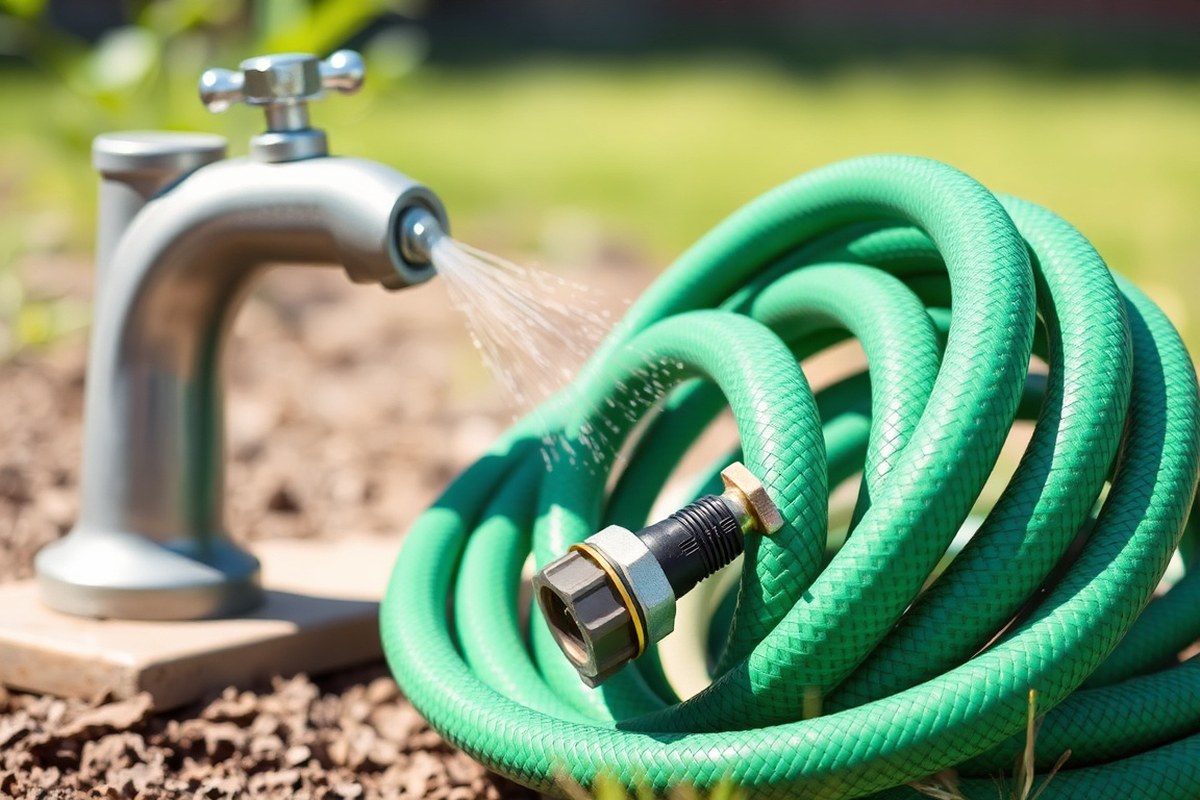
What size is a standard garden hose? The typical garden hose in the US is 5/8 inch in diameter.
It usually comes in 50-foot lengths, which fits most home gardens well. This size strikes a good balance for everyday watering.
Some garden hoses might be 1/2 inch or 3/4 inch wide. But 5/8 inch is the middle ground.
A 5/8-inch hose balances water flow and flexibility. It’s neither too heavy nor too stiff for most users.
Choosing the right diameter affects water pressure and hose weight. A 3/4-inch hose offers better flow for sprinklers but feels heavier. Meanwhile, a 1/2-inch hose is lighter but may restrict water flow.
When you pick your hose, check the diameter first. A 5/8-inch hose will generally work fine for common watering tasks. Avoid smaller diameters if you want better water flow over longer distances.
Key Takeaways
- The standard garden hose diameter is 5/8 inch inside.
- Most garden hoses come in 50-foot lengths for easy handling.
- Smaller 1/2-inch hoses suit light watering and small gardens.
- 3/4-inch hoses deliver more flow, good for filling large containers.
- Check hose diameter before buying for better water pressure.
- Standard garden hose thread size is 3/4-inch GHT.
What Is the Standard Size of a Garden Hose?
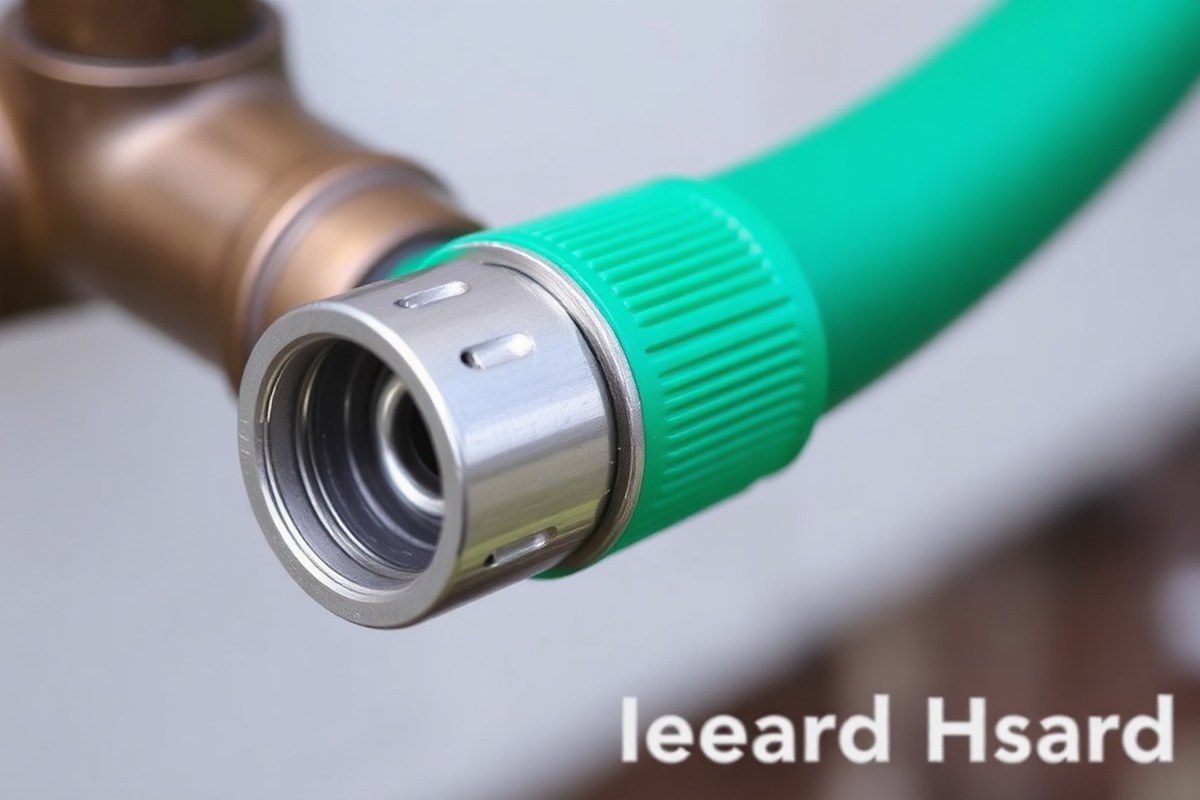
The most common garden hose diameter for residential use is 5/8 inch inside diameter. This size balances water flow and ease of handling well for most home gardening tasks.
Other popular diameters include 1/2 inch and 3/4 inch. But 5/8 inch is the standard choice in the US.
Standard garden hoses typically come in 50-foot lengths. These hoses reach far enough to water your garden easily. They are not too heavy or bulky to handle.
You’ll also find hoses sold in 25, 75, and 100 feet. But 50 feet is the most common size for everyday use.
For fittings, garden hoses use a 3/4 inch Garden Hose Thread (GHT) size. This thread has 11.5 threads per inch and fits standard outdoor faucets and hose connectors. The male thread is about 1 1/16 inches wide.
This size works with most nozzles and accessories. You can find them at hardware stores.
Thread size matters because it ensures a tight seal and prevents leaks. Many hoses and fittings sold in the US follow this standard to make swapping parts simple. Using a hose with non-GHT threads requires adapters, which can be less secure and more frustrating.
Your garden hose’s diameter influences water flow and pressure. A 5/8 inch hose allows steady watering without wasting pressure.
Thinner hoses, like 1/2 inch, restrict flow and may struggle with sprinklers. 3/4 inch hoses handle higher flow but weigh more and cost more.
Most home watering jobs use 50-foot hoses with 5/8 inch diameter. They have 3/4 inch GHT fittings for easy hookup. They are widely available, affordable, and easy to use.
You might want longer hoses or bigger sizes for more water or reach. These work better in bigger gardens or lawns. But stick with standard fittings for convenience.
How to Measure Your Garden Hose Diameter and Length
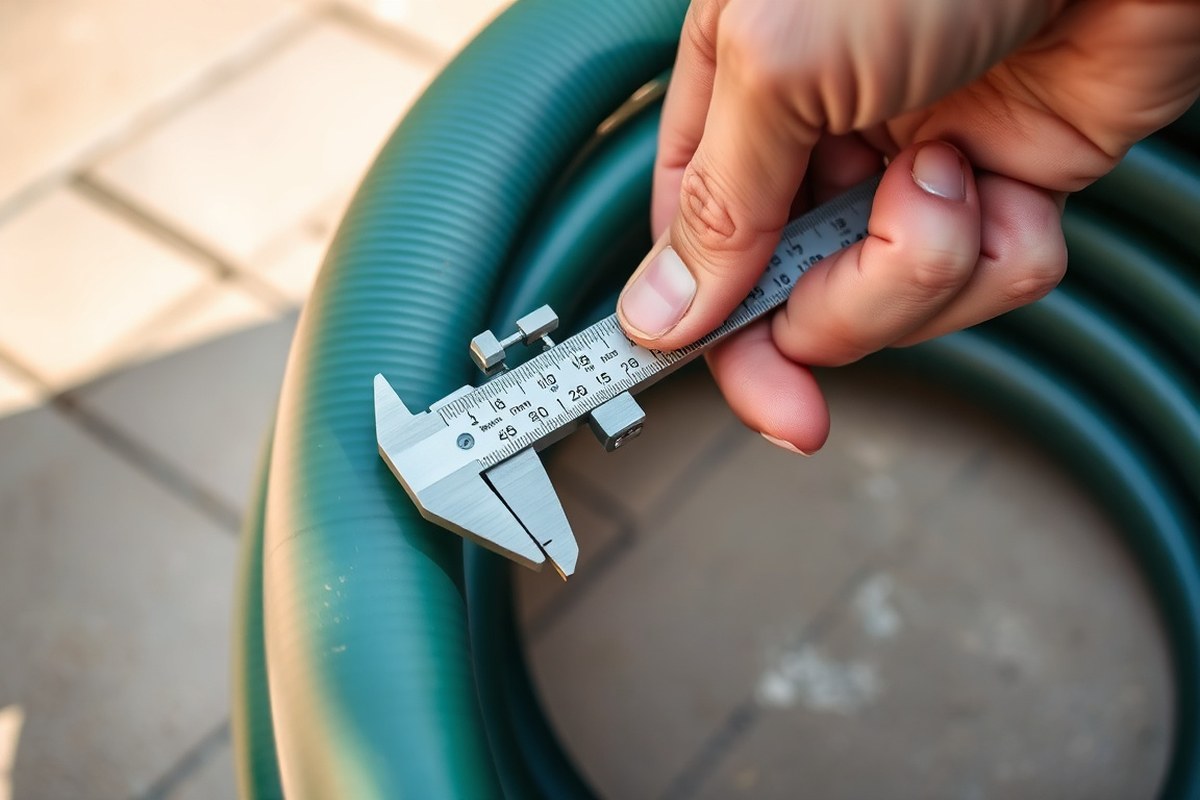
You measure a garden hose by checking its inside diameter, outside diameter, and length. Use a tape measure to find the circumference and length. Thread size needs a separate gauge or careful observation of the fitting.
Tools Needed for Measuring
A tape measure or flexible ruler works best for diameter and length. You’ll also need a caliper to get the most precise inside diameter. For thread size, a thread pitch gauge or a matching connector is helpful.
These tools are inexpensive and easy to find at hardware stores or online. A tape measure usually costs under $10. Calipers can range from $10 to $30 depending on quality.
Step-by-Step Inside Diameter Measurement
Measuring the inside diameter (ID) is key because it defines water flow capacity. Find the diameter before buying a connector or replacement hose. Here’s how to do it accurately using simple tools.
- Lay the hose on a flat surface. Cut a small section if you can. This gives better access to the inside.
- Look inside the cut or open end. Use a caliper to measure the ID. Measure the inside diameter directly for best results.
- Don’t have calipers? Measure the hose’s inside circle circumference with tape. Use that to figure out the diameter.
- Divide the circumference by 3.14 (π) to get the inside diameter.
- Repeat the measurement in a few places around the hose to check for consistency.
- Record the measurement in inches or millimeters (note that standard hoses have 5/8 inch ID).
Measuring inside diameter through circumference can be tricky. Make sure the tape fits snugly without stretching.
Determining Thread Size Accurately
Thread size affects how well your hose fits faucets and accessories. Most garden hoses and fittings in the U.S. Use the 3/4-inch 11.5 NH thread size. Confirm the size to avoid leaks.
Use a thread pitch gauge or compare threaded fittings with a known size thread. Alternatively, unscrew the hose fitting and match it with a properly sized connector at the store. This step prevents mismatched threads which may cause damage or leaks.
Common Garden Hose Sizes and Their Uses
Garden hoses commonly come in three diameter options: 1/2 inch, 5/8 inch, and 3/4 inch. Each one suits different types of watering tasks best. Choosing the correct size ensures good water flow and manageable handling.
The 1/2-inch hose is the smallest and lightest. It works best for hand-watering small plants or container gardens.
This size is easy to carry but limits water flow. So it is not ideal for sprinklers or large lawns.
The 5/8-inch hose is the most popular size for typical residential watering. It balances flow and flexibility well. You can use it for hand-watering, watering flower beds, and running sprinklers on medium-sized lawns.
| Hose Diameter | Best Use | Pros | Cons |
|---|---|---|---|
| 1/2 inch | Small gardens, hand-watering | Lightweight, easy to handle | Low water flow, not for sprinklers |
| 5/8 inch | Most home watering, sprinklers | Good flow and flexibility | Heavier than 1/2 inch |
| 3/4 inch | Large gardens, high flow needs | Higher water volume, less pressure loss | Heavier, less flexible |
The 3/4-inch hose is the largest common size, used for big gardens or high-pressure systems. It delivers more water with less pressure drop, good for large sprinklers or filling pools quickly. But it also weighs more and is less flexible, making it harder to move around.
Pick a 3/4-inch hose for big lawns. This size works well with high water pressure. It gives better flow for large watering tasks.
For everyday home watering, 5/8 inch usually works best. The smallest 1/2-inch size suits small jobs but can slow you down with low flow.
Understanding Hose Thread Sizes and Fittings
The standard garden hose thread size in the U.S. Is called Garden Hose Thread (GHT). It has a 3/4-inch diameter with 11.5 threads per inch and uses a rubber washer to seal. Knowing male and female fittings helps you pick the right connectors.
Use the right fittings for watering plants or washing your car. This makes sure your setup works without leaks.
Standard GHT Thread Dimensions
Garden Hose Thread (GHT) measures 3/4 inch in diameter, specifically 1.0625 inches across the outer thread. It has a pitch of 11.5 threads per inch, which is close to.
But different from, pipe threads. The GHT threads seal with a rubber washer inside the female fitting, preventing leaks.
This thread size standardizes hose fittings all across the U.S., matching outdoor faucets and water supply points. The rubber washer fits inside female connectors, keeping water tight without extra sealant. This differs from pipe threads, which are tapered and sealed with tape or compound.
Types of Hose Fittings
Garden hoses use male and female fittings to connect easily. Male fittings have external threads, which screw into female fittings that have internal threads.
Both types use the GHT size for compatibility. So they can fit garden spigots, sprinklers, and hoses alike.
Here are common types of fittings you’ll encounter:
- Male GHT fitting: external 3/4-inch threads, screws into female hose ends
- Female GHT fitting: internal threads, holds rubber washer for sealing
- Quick connectors: snap-on fittings that fit standard 3/4-inch GHT hoses
- Adapters for different sizes: small step-up or step-down bushing pieces
- Hose bib connections: standard threaded faucet ties that accept female fittings
Hose fittings come in brass, plastic, and stainless steel, changing durability and price. Matching a male to a female GHT ensures a leak-free connection using the rubber washer. Mismatched threads or missing washers cause water leaks or loose fittings.
Identifying Compatible Adapters
To match hose fittings, check the thread size is 3/4 inch GHT. Count threads per inch; it needs to be 11.
This helps you find the correct connector every time.5. Many hose accessories will state compatibility with “3/4 in GHT” or “national hose thread (NHT).”
When installing new fittings, always confirm the washer is present in female connectors. Without it, leaks often occur at the joint. You need an adapter for connecting to plumbing with NPT fittings.
NPT threads are different from garden hose threads. Using an adapter ensures a proper fit. They seal with tape instead of washers.
Use this simple checklist before buying adapters or fittings:
- Verify diameter is 3/4 inch (1.0625 inches male thread diameter)
- Count or confirm 11.5 threads per inch
- Check if the fitting is male (external) or female (internal)
- Ensure rubber washer is included or installed
- Match material types if possible (brass or plastic)
Good adapters fit snugly without cross-threading and seal tightly. Cross-threaded or wrong-sized fittings can damage hose ends and cause water waste. Buying adapters with clear markings helps avoid costly returns or garden mishaps.
How Hose Diameter and Length Affect Water Pressure and Flow
The diameter of your garden hose directly controls how much water flows through it. A larger diameter lets more water through, raising flow rates. It also needs more space and adds weight.
These factors affect how you handle the hose. A narrow hose might make water flow faster. But pressure drops faster, reducing flow at the end.
Length affects how much water pressure you lose. This happens because of friction loss, which builds up inside the hose as water moves through. Longer hoses lower water pressure.
The far end may get weak flow. Strong supply pressure doesn’t always fix this.
Choosing a bigger diameter hose helps keep good flow rates over longer distances. It reduces friction loss better than a narrow hose does. Measure the length you’ll need first.
Choose the biggest diameter that fits well. Make sure it handles pressure drop for that length.
| Hose Diameter | Water Flow (GPM) | Friction Loss (per 100 ft @ 10 GPM, PSI) | Best Use |
|---|---|---|---|
| 1/2 inch | 9 | 15.0 | Small patios, container gardening, short soaker hoses |
| 5/8 inch | 15 – 17 | 4.1 | Most residential lawns, medium sprinklers, manual watering |
| 3/4 inch | 23 | 1.5 | Large properties, multiple sprinklers, commercial landscaping |
For example, a 100-foot 1/2-inch hose causes about 15 PSI loss. This happens at 10 GPM flow. This is a big pressure hit, enough to reduce water flow noticeably.
Switching to a 5/8-inch hose cuts this loss to around 4 PSI. The 3/4-inch hose reduces friction loss further to 1.5 PSI, keeping more pressure at the far end.
Remember that a 5/8-inch hose balances flow and ease of handling. It fits most home gardens without heavy dragging. Only pick a 3/4-inch hose if your garden is big.
Use it if you need a lot of water fast. A smaller diameter hose makes sense for pots or small areas with low pressure needs.
Measure the hose path on the ground carefully. Add 10% more length to stop stretching and tight pulls.
Choosing the Right Hose Length for Your Garden
Garden hoses usually come in lengths between 25 and 100 feet. Fifty-foot hoses are the most popular because they work well in many yard sizes. Adding extra length helps you reach distant plants without stretching the hose tight.
Longer hoses aren’t always better. They can reduce water pressure and get harder to handle.
If your garden is small, a 25- to 50-foot hose is easier to maneuver. For larger yards, 75- to 100-foot hoses often work best but can weigh more.
Consider these tips when picking hose length:
- Measure the farthest spot you need to water from your faucet.
- Add 10 to 15 feet extra to move around bushes or garden beds.
- Use two shorter hoses with a connector for flexibility and storage.
- Choose a longer hose only if you irrigate a big area or multiple zones.
- Keep in mind heavier hoses need better storage solutions to avoid damage.
One way to check your needed length is walking your yard with a tape measure. Mark spots where you’ll water or clean out hard-to-reach corners.
Buying a little more hose than you measure helps you avoid constant replugging. A hose too short means watering will take longer and be more frustrating.
Garden Hose Materials and Their Impact on Durability
Garden hoses come in rubber, vinyl, and polyurethane, each with different durability and flexibility. Ply ratings tell you how many layers the hose has inside. More plies mean a heavier, tougher hose that resists damage and kinks.
Rubber Hoses: Strength and Durability
Rubber hoses are the toughest and last the longest. They can handle heavy use, rough surfaces, and extreme weather without cracking.
These hoses tend to weigh more and are less flexible than vinyl. But their high ply ratings boost their strength. That makes rubber hoses a good fit when you want long-lasting durability over lightness.
Rubber hoses often have 2 to 4 plies. Each ply is a reinforced layer, usually made from polyester or nylon. More plies create better burst resistance and fewer kinks but add to the weight.
Vinyl Hoses: Budget Friendly but Less Flexible
Vinyl hoses are lighter and more affordable than rubber hoses. They work well for light, casual watering jobs since they are easy to handle.
Vinyl is less durable and tears easily, especially under frequent use or harsh sunlight. These hoses usually have only 1 or 2 plies, making them prone to kinking and punctures.
Use vinyl hoses for small gardens or occasional watering. Avoid extended stretches or rough terrain when choosing these to prevent quick wear.
Polyurethane Hoses: Lightweight and Kink-Resistant
Polyurethane hoses combine durability and lightness. They’re about 40% lighter than rubber hoses and resist kinks even at low temperatures.
These hoses often feature 3 or more plies, giving them good burst strength while staying flexible. Polyurethane remains pliable in freezing weather, so it won’t crack or stiffen.
You can expect polyurethane hoses to last longer than vinyl but usually cost more. They suit gardeners who want both ease of use and solid performance.
- Rubber: Heavy, very durable, highly kink resistant, best for tough jobs
- Vinyl: Lightweight, least expensive, low durability, prone to kinks and tears
- Polyurethane: Light, flexible in cold, high durability, resists kinks, more costly
- Ply ratings: More layers mean stronger, heavier, less flexible hoses
- Hybrid hoses blend rubber and vinyl traits, balancing cost and performance
- Choose based on how often and where you’ll use the hose
How to Match and Maintain Hose Fittings and Accessories
Connecting garden hoses and fittings means matching threads and sizes carefully. Most garden hoses have 1/2, 5/8, or 3/4-inch diameters. The hose thread (GHT) type must also match for a tight seal.
Standard washers for garden hoses are flat rubber ones roughly 1 inch wide. These go inside the female couplings to prevent leaks. Washers wear out and should be replaced yearly or if you see leaks.
Cleaning your hose and fittings keeps water flowing well and stops damage. Dirt and mineral buildup can clog connectors and cause leaks. Use gentle brushes and mild soapy water for cleaning.
- Check the diameter of both hose ends using a tape measure.
- Match hose fittings with the same thread type (GHT for most outdoor hoses).
- If threads differ, use an adapter designed for those sizes and types.
- Replace the old washer inside each female coupling with a new 1-inch rubber washer.
- Clean hose ends and fittings with mild soap and a soft brush to remove build-up.
- Rinse thoroughly and dry to prevent rust or mold.
- Store the hose coiled in a shaded area to avoid damage and extend life.
Always replace worn washers when connecting hoses to avoid leaks and damage.
Step-by-Step Action Plan to Pick the Right Garden Hose Size
Follow these steps to find the best hose size for your watering needs. You will know you’re set when water flows well and the hose fits your space.
- Before you buy: Measure the distance from your spigot to the farthest plant. This ensures you choose a hose long enough without excess slack.
- At the store: Check the hose diameter options, usually 5/8 inch fits most home gardens well. The right diameter balances pressure and flow.
- Right after purchase: Inspect the hose fittings and threads. Make sure they match your faucet and any attachments to avoid leaks.
- First use: Unroll the hose completely and connect it securely. Turn on the water and watch for steady pressure and no drips.
- After watering a few plants: Check how easy the hose moves. See if it reaches all the spots. Notice any kinks or spots that drag. Adjust the length next time if needed.
- Once a month: Check hose and fittings for cracks or leaks. Early fixes prevent bigger problems and water waste.
Frequently Asked Questions
What Is the Typical Length of a Standard Garden Hose?
Most standard garden hoses are about 50 feet long. This length suits most home gardening tasks without being too bulky to store.
Does a Garden Hose Size Affect Water Delivery Speed?
Yes, a larger hose diameter improves water flow and pressure. Smaller hoses may restrict water, slowing down watering.
Are 5/8 Inch Hoses Compatible with All Garden Faucets?
Generally, 5/8 inch hoses fit most outdoor faucets. Some older or specialty faucets might need adapters.
Can a Garden Hose Size Impact the Ease of Carrying and Storage?
Yes, smaller diameter or shorter hoses are lighter and easier to coil. Larger hoses hold more water, making them heavier.
Is There a Standard Garden Hose Size for Commercial Use?
Commercial hoses are often 3/4 inch or larger for higher flow rates. They handle longer distances and heavier use.
What Hoses Work Best with Sprinkler Systems?
Sprinklers usually connect to 5/8 inch hoses for adequate flow. Matching hose size to sprinkler specs avoids pressure loss.
Wrapping Up
Most garden hoses are 5/8 inch wide. They come in lengths from 25 to 100 feet. Choose the size that suits your yard.
Choose a size that fits your garden layout and water needs for the best results. Measure your garden space first.
Check the hose fittings carefully. This will make watering easier and save time.