How Tall Will a Money Tree Grow: Complete Guide to Indoor and Outdoor Sizes
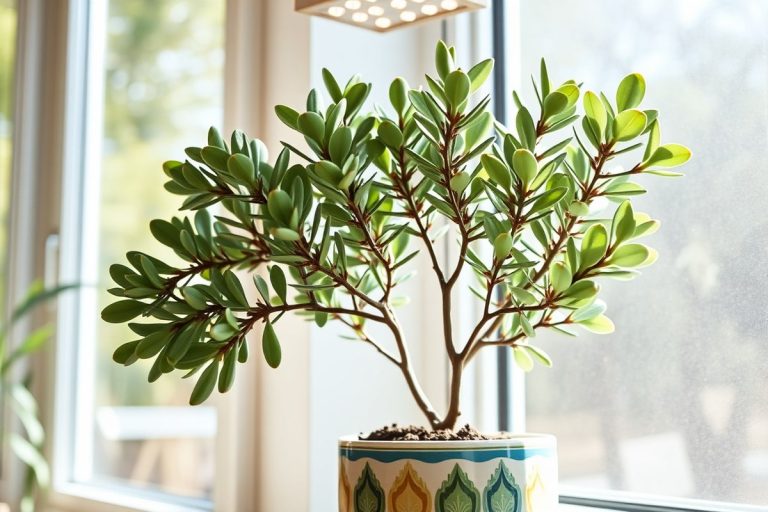
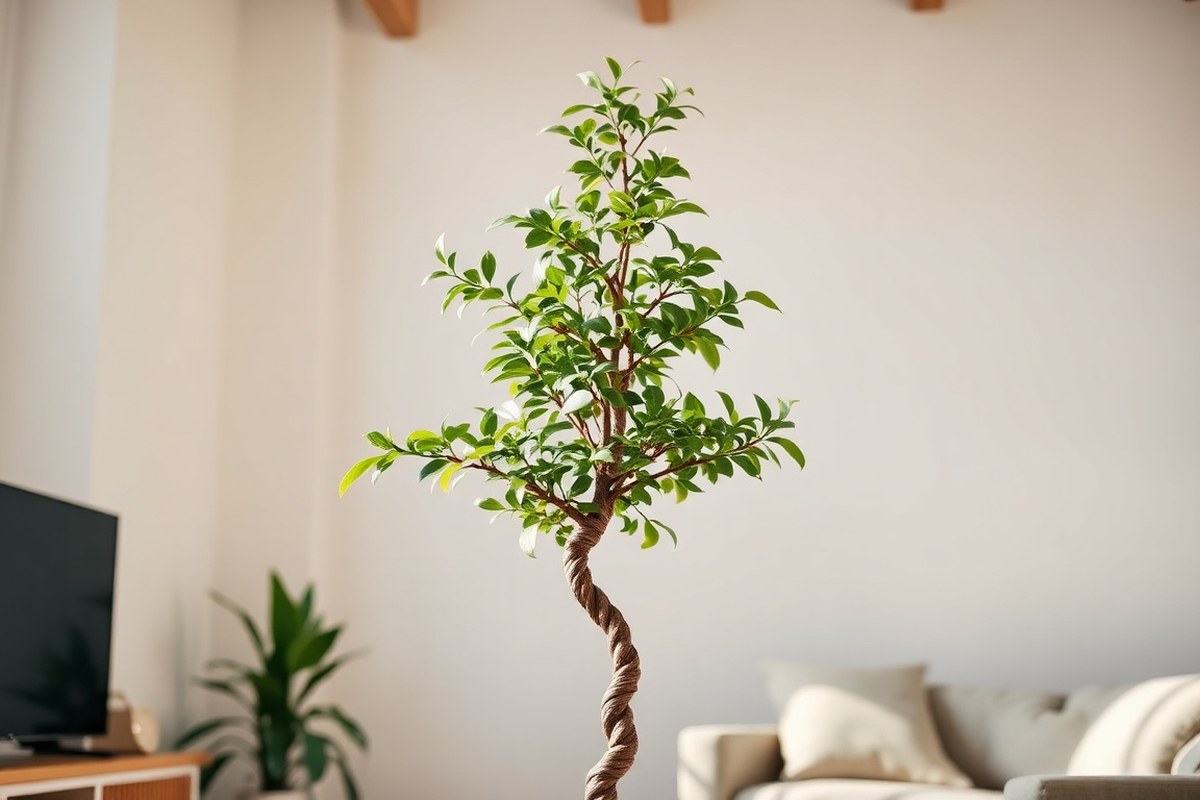
Indoors, a money tree usually grows 6 to 8 feet tall. Outdoors in warm climates, it can reach up to 60 feet. The tree’s size depends a lot on its environment and care.
Where you grow the tree and how you care for it affects its height. Pot size limits root growth, which controls height. Pruning and light also play key roles in its growth.
Indoors, money trees grow slowly and take years to reach full height. Regular pruning stops them from getting too tall or leggy. Bright, indirect light helps them grow well without too much height.
Outdoor money trees grow faster, especially in warm, humid areas. They can grow tall in just a few years with good conditions. Pruning outdoors helps keep them at a manageable size and shape.
Key Takeaways
- Indoor money trees typically grow 6 to 8 feet tall with proper care.
- Outdoor money trees can reach 30 to 60 feet in tropical zones.
- Use an appropriately sized pot to limit or encourage vertical growth.
- Regular pruning controls height and promotes a full canopy.
- Good light and watering help your money tree grow steady indoors.
- Growth is slow; expect several years to reach mature indoor size.
How Tall Does a Money Tree Typically Grow Indoors and Outdoors?
The typical indoor money tree grows between 6 and 8 feet tall. Its spread usually measures 3 to 5 feet wide. The growth speed is about 1 to 2 feet per year for standard varieties.
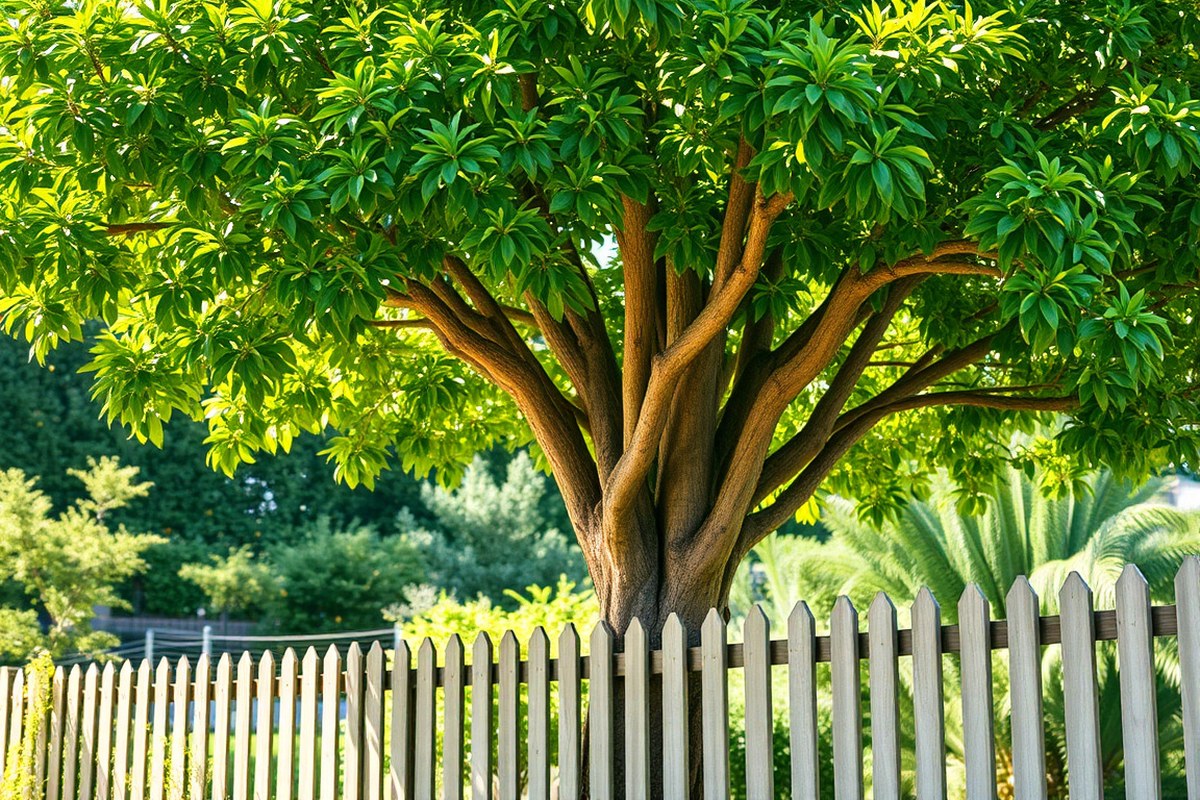
Outdoor money trees can grow much taller. In ideal tropical zones like USDA 10 and up, money trees grow tall.
They can reach heights of 30 to 60 feet there. Some trees even exceed 60 feet when left to mature naturally.
Here’s a quick comparison:
| Environment | Typical Height | Growth Rate | Notes |
|---|---|---|---|
| Indoors (Standard) | 6, 8 feet | 1, 2 feet/year | Best for rooms with 8 to 10-foot ceilings |
| Indoors (Golden Shower) | 8, 12 feet | 1.5, 3 feet/year | Needs tall ceilings, more space |
| Outdoors (Tropical) | 30, 60+ feet | Several feet/year | Requires USDA zones 10+ |
Indoor ceiling height often limits a money tree’s growth. Most homes have ceilings between 8 and 10 feet.
Your money tree will likely stay smaller if you don’t prune. It also stays short if you keep it indoors.
Outdoors, natural factors like climate, soil, and sunlight set the height limit. Tropical heat and ample rain help trees grow very tall. Cooler or drier regions keep them smaller and slower-growing.
Growth slows in winter indoors since money trees rest during colder months. Outdoors, growth depends on the local growing season.
Give your money tree enough root space, light, and water indoors. This helps it grow to the taller side of its range.
How Pot Size and Root Space Affect Money Tree Height
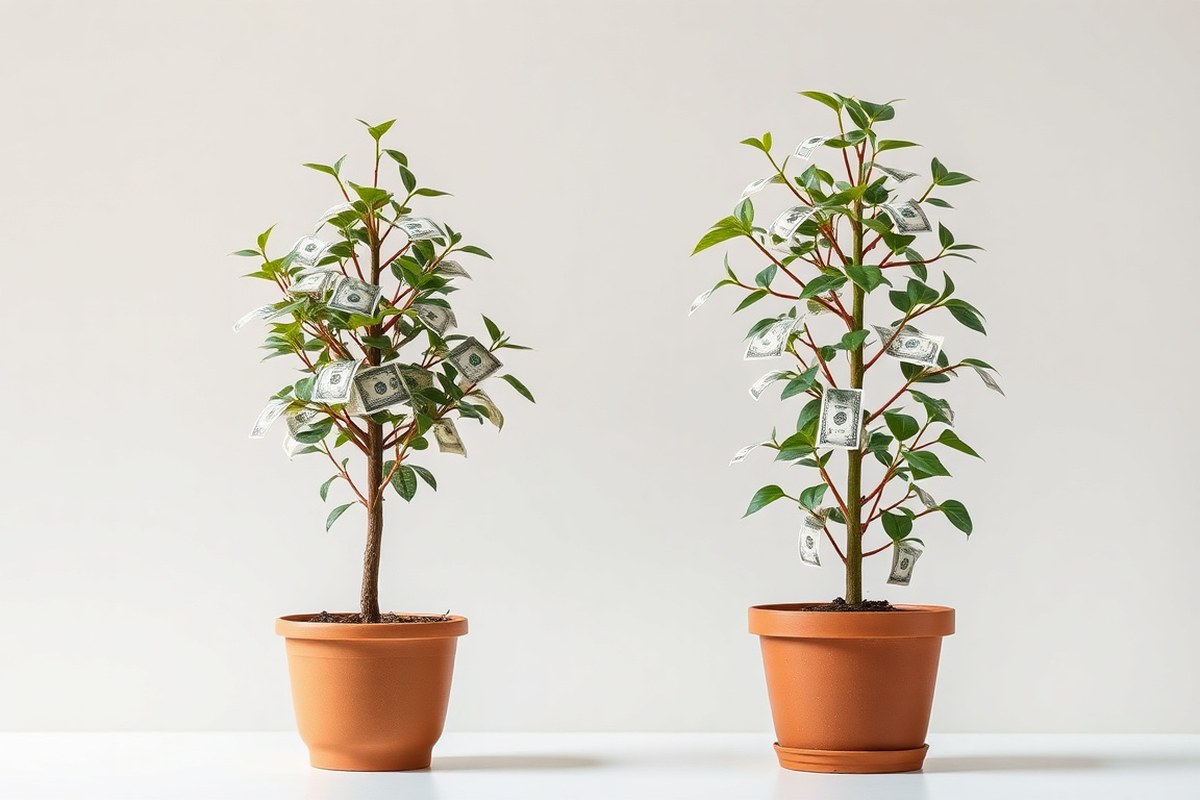
Your money tree’s height depends on pot size and root space. Small pots limit growth. Bigger pots let roots spread and plants grow taller.
A small pot limits root growth, keeping the plant shorter. A larger pot encourages root spread, which helps the tree grow taller indoors.
How Pot Size Limits Growth
Choosing a pot too small restricts root space, causing the money tree to become root-bound. This limits its ability to take up water and nutrients, which stunts height growth. Conversely, a pot that’s too large can hold excess water, suffocating roots and also slowing growth.
For a compact indoor plant, pick a pot only slightly larger than the root ball. This keeps root growth in check and helps maintain a smaller height without frequent pruning. Larger pots let roots expand, supporting taller growth over time.
Root Volume and Height Relationship
Root space impacts how much the money tree can grow vertically. More root volume means the plant can absorb more water and nutrients.
This fuel helps money trees grow 12 to 18 inches each year indoors. Growth happens mostly during the plant’s prime years.
Indoor money trees typically take 10 to 15 years to reach 6 to 8 feet tall. Root-bound trees in small pots may stay under 12 inches for years, resembling bonsai.
Roots that can’t grow limit the plant’s support for tall growth. No room means shorter trees.
When and How to Repot for Taller Growth
Repot your money tree every 1 to 2 years during the growing season to encourage height. Move it into a pot about 2 inches larger in diameter than the current one. This gives roots enough room to expand without holding excess water.
Start by soaking the plant to make soil removal easier. Carefully loosen roots, check for rot, and trim only dead parts. Put the tree in a new pot with fresh soil.
Use soil that drains well. Water lightly to help roots settle in.
Stay away from pots bigger than needed, as they cause soggy soil that stops root growth. Choose pots with drainage holes to stop water buildup.
Good drainage keeps roots healthy. Healthy roots support taller plants.
Decision Guide for Pot Size and Expected Height
A 6-inch pot holds about 200 cubic inches of root space. This size usually keeps money trees under 2 feet tall indoors. An 8-inch pot offers around 400 cubic inches of root space.
This size supports plants 3 to 4 feet tall indoors. A 10-inch pot holds 700 cubic inches or more of root space. These pots can let your money tree grow 6 to 8 feet tall.
This choice depends on your space and how tall you want your money tree to grow. For small apartments, pick a pot around the root ball size and prune regularly.
For open spots, pick a bigger pot to give roots room. Fertilize in spring and summer to help your plant grow tall.
Choose a pot with good drainage to avoid water buildup. Increase pot size slowly to prevent root rot.
Pruning Techniques to Control or Encourage Height Growth
Pruning a money tree directly affects its height and fullness. Cutting the top 2 to 4 inches of new growth encourages branching.
This keeps the tree fuller while controlling its height. To grow it taller, prune selectively to remove lower branches and direct energy upward.
Best Pruning Times for Money Trees
Late winter or early spring is ideal for pruning money trees. The plant is about to enter its active growing season then. Pruning at this time helps the tree recover quickly and grow new, healthy branches.
For indoor money trees, prune any time you notice leggy branches. Outdoor ones benefit from thinning every 2 to 3 years in late winter. Avoid pruning during cold drafts or extreme heat to reduce stress.
Tools Needed for Safe Pruning
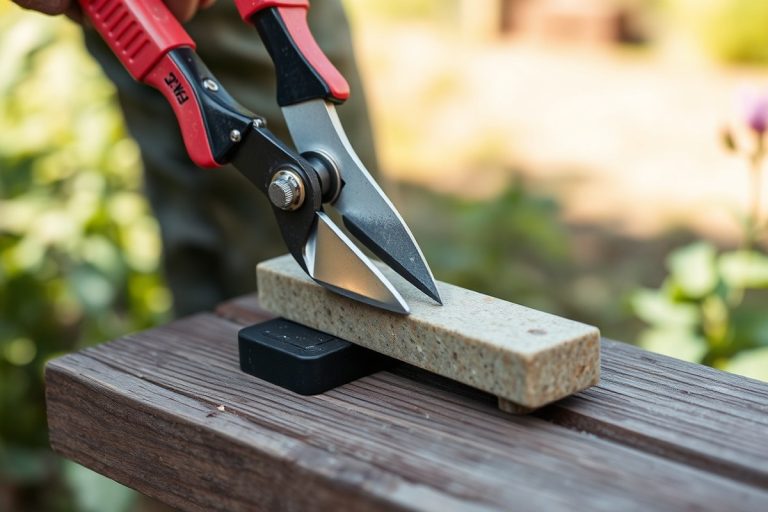
Use sharp, clean pruning shears or scissors to make neat cuts. Clean tools prevent infections that can harm your money tree. Avoid tearing the stems, which can slow healing and cause damage.
You might need gloves if branches have rough cuts. Gloves also help when managing a larger outdoor tree. They protect your hands better in these cases.
Isopropyl alcohol works well to disinfect blades before and after pruning. Keep your tools handy and well-maintained for the job.
Pruning Methods for Height Control vs. Increase
Tip pruning means cutting 2 to 4 inches of new growth. This controls the tree’s height. It also helps make the tree fuller.
This method creates bushier branches and keeps the tree compact around 3 to 4 feet tall. It prevents the tree from becoming leggy or top-heavy indoors.
To encourage taller growth, remove some lower branches carefully. This focuses energy on vertical growth. Pruning bigger plants over 6 feet tall helps keep their shape.
Cut selectively so you don’t lose all the height. This keeps the tree balanced.
For small plants, frequent light pruning works best to keep a tabletop size. Larger money trees recover better when pruning is less frequent but more selective.
How Often to Prune for Desired Size
Indoor money trees benefit from pruning once or twice per year. Regular pruning stops excessive height and encourages bushier growth. Prune your tree once a year to control its size.
Use a modest pot size too. This keeps your tree between 3 and 6 feet tall.
To grow a taller, statement plant, prune less often. Remove only crossing or weak branches every 2 to 3 years. This keeps the tree healthy.
Over-pruning may slow height growth or cause sparse branching. Adjust pruning with your plant’s growth rate.
Follow these steps for safe and effective pruning:
- Inspect your money tree for leggy or overgrown branches.
- Disinfect your pruning shears with alcohol.
- Cut the top 2 to 4 inches of new shoots for bushier growth. Or remove lower branches to encourage height. Both techniques reshape your plant effectively.
- Trim back any crossing or inward-growing branches to improve airflow and shape.
- Dispose of trimmed material to prevent disease spread.
- Check the plant over the next few weeks for new growth patterns.
- Adjust watering and light to support recovery and growth.
Ideal Indoor Conditions to Achieve Desired Money Tree Height
Light, temperature, and humidity inside play a big role in how tall your money tree grows. Bright, indirect light helps it grow steadily.
The right warmth and moisture keep it healthy. Without good conditions, your tree may stay short or develop weak leaves.
How Light Affects Your Money Tree’s Growth
Money trees need bright, indirect light to grow well indoors. Direct sunlight can burn the leaves.
But dim corners slow growth to less than six inches a year. Place your tree near an east or west-facing window where it gets plenty of gentle light.
In brighter spots, your money tree can grow up to 2 feet yearly. Limited light often causes slower growth and stunted leaves. Using a grow light during darker months helps keep growth steady without risking leaf damage.
Temperature Ranges That Support Growth
Keep temperatures between 65 and 75°F (18 to 24°C) for the best growth. Cooler temperatures below 60°F slow the plant’s metabolism and stunt height. Hotter spots above 80°F can stress your tree and dry the soil too fast.
Avoid placing the tree near heating vents or drafty windows. Stable indoor heat helps maintain steady growth and leaf health. Using a thermostat or room heater can balance temps in colder climates without extra work.
Humidity Levels to Promote Height and Leaf Health
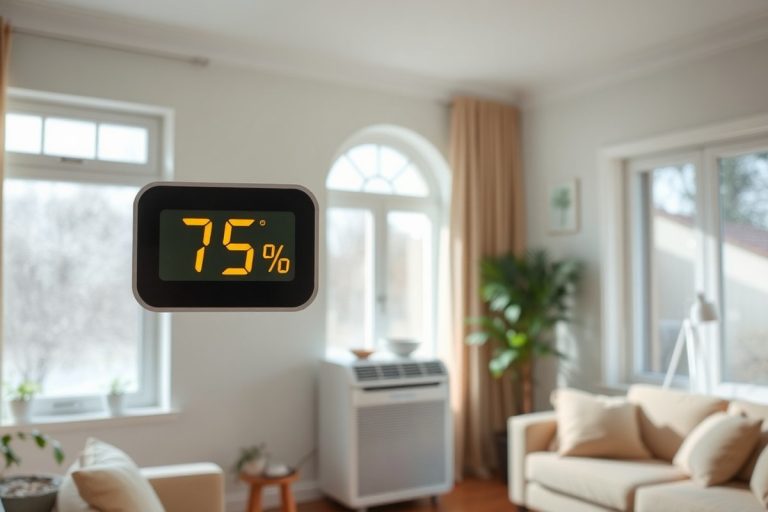
Money trees thrive with humidity around 50% to 60%. Dry indoor air, especially during winter, can cause leaf edges to brown and lower growth rate. To increase humidity, use a humidifier or place a water tray with pebbles beneath the pot.
Grouping your money tree with other plants also creates a microclimate that boosts moisture levels. Humidity below 40% can slow height growth and dry leaves.
Signs Poor Conditions Are Limiting Growth
Small, yellowing leaves and slow height gain often point to bad light or dry air. Weak, leggy stems mean your tree is reaching for more light. Brown leaf tips show dry air or temperature extremes.
A stressed money tree may need more light and humidity. Adjust temperatures away from vents or cold drafts. Watch how the plant responds over a few weeks to find better conditions.
Practical Tips to Optimize Indoor Environment
Place your money tree near a bright, east-facing window for ideal light without burns. Use a humidity tray or small humidifier to keep levels steady between 50% and 60%. Keep room temperature steady within 65 to 75°F, avoiding heat or cold drafts.
In winter, add a grow light for 6 to 8 hours daily and monitor humidity carefully. Check leaves weekly for signs of dry air or too little light, adjusting placement as needed. These simple steps help your money tree grow taller and healthier over time.
Growth Rate Timeline: How Long to Reach Mature Height Indoors
Money trees grow about 10 to 24 inches each year indoors. They usually reach their mature height between 5 and 7 years.
When mature, they can be 3 to 6 feet tall indoors. They grow steadily until reaching this height in your home.
In the first year, a young money tree often grows 10 to 12 inches. By the third year, expect about 2 to 3 feet of height.
Growth slows after 5 years. The tree nears its mature size of 3 to 6 feet.
This slowdown happens because the tree focuses more on thickening its trunk and spreading its leaves. Light, temperature, and watering affect how fast the tree grows. Good light and warmth can push it closer to the 2-foot yearly growth.
Root space matters too. A 12 to 18-inch pot is common and lets the money tree grow well.
The pot size and water drainage affect root health, which helps steady growth. You might see stunted height if the roots get cramped or too wet.
A basic timeline: Year 1: 10-12 inches tall Year 2-3: 2-3 feet tall Year 4-5: Growth slows, reaching 3-4 feet Year 6-7: Full maturity around 5-6 feet, depending on care
Don’t overwater your money tree; soggy soil slows growth and harms roots.
How Outdoor Climates and USDA Zones Impact Money Tree Size
Money trees grow best outdoors in USDA zones 10 to 12. These zones have warm temperatures from 65 to 95°F and high humidity above 60%. Money trees planted in the ground can grow very tall.
They often reach between 30 and 60 feet. This height depends on the climate and care.
These plants like full sun and fertile, well-drained soil. Under these conditions, they grow quickly. These trees can grow 3 to 4 feet each year.
This growth usually happens during their first ten years. After reaching about 10 feet, they grow thicker trunks and spread out with many branches.
Outside these zones, colder temperatures or dry air can limit their growth. In cooler or less humid places, money trees grow smaller. They might not survive a frost there.
They can also stop growing tall if planted in poor soil or shady spots. For the best height, plant money trees in zones 10 to 12. These zones have steady warmth and humidity.
| USDA Zone | Temperature Range | Humidity Level | Typical Outdoor Size |
|---|---|---|---|
| 10, 12 | 65, 95°F (warm year-round) | Above 60% (high) | 30 to 60 feet tall, 25+ feet spread |
| Below 10 | Below 65°F (seasonal cold) | Varies, often lower | Rarely taller than 8 feet, may not survive winter |
Keeping a Money Tree Small: Indoor Size Management Strategies
Keeping your money tree small indoors means trimming it often and using the right pot. Pruning helps stop the tree from getting tall and heavy enough to fall over. A smaller pot limits root space, which keeps the tree from growing too big.
You can keep a money tree as a tabletop plant. You can also train it like a bonsai. Both ways work well indoors.
A braided trunk looks nice on a money tree. It does not stop the tree from growing taller. You’ll still see height growth.
Your tree’s trunk under one foot will likely stay small. Proper care helps it stay that size for years.
Pruning every few months is key to controlling size. Remove any leaves or branches that grow too long or look weak.
This encourages bushier growth, keeping your plant compact and healthy. Avoid fertilizing too much, as that makes growth fast and harder to control.
- Use a pot that is 6 to 8 inches wide for small plants
- Cut back branches just above a leaf node every 3 to 4 months
- Water when the top 1 inch of soil feels dry, not daily
- Place in bright, indirect light to avoid leggy growth
- Trim yellow or damaged leaves promptly to keep health
- Avoid heavy fertilizer; use a balanced one at half strength quarterly
- Consider wiring small branches if you want a bonsai shape
Regular care and patience matter. Smaller pots and pruning won’t stop growth but will keep your money tree manageable indoors. Neglect can make money trees grow tall quickly.
They often become weak and start to fall apart. A small, trimmed tree can stay decorative on tables for years with the right steps.
Common Problems That Stunt or Stop Money Tree Growth
Overwatering is a top cause of stunted money tree growth. When you pour too much water, roots can rot because they stay wet too long. Signs include yellowing leaves, a bad smell from soil, and mushy base stems.
Cut back on watering to once the top 1 to 2 inches dry. Wait until the soil surface feels dry before watering again.
This helps prevent overwatering your plant. Replace soggy soil and repot in fresh, well-draining mix if needed.
Underwatering also causes trouble. Leaves turn brown or crispy and drop off. The plant looks weak and stops growing taller.
Keep the soil slightly moist during watering. Water about every 1 to 2 weeks.
Heat and light levels affect how often you water. Check soil moisture by feeling below the surface.
Pests can weaken your money tree and slow growth too. Look closely for tiny bugs, sticky residue, or holes in leaves. Common offenders are spider mites and mealybugs.
Wipe leaves with a damp cloth to clean dust and bugs. Spray insecticidal soap every few days.
Do this until the pests go away. Don’t forget to inspect rarely seen undersides of leaves.
Poor lighting slows growth and makes stems thin and leggy. Money trees like bright, indirect light near windows. Move your plant to a brighter spot with filtered sunlight.
This helps if leaves stretch toward the light or drop. The plant will get better light there. Avoid harsh direct sun that burns leaves.
Let the top soil dry out completely before watering again. This avoids root rot. It keeps your money tree healthy and strong.
Step-by-Step Action Plan to Manage Your Money Tree’s Height
Follow these steps to grow or control your money tree’s height indoors or outdoors.
- Before planting: Choose a pot size that fits the tree’s growth goal. Check if roots have space after a month.
- Week 1: Place your money tree where it gets bright, indirect light. Notice if leaves perk up in a few days.
- Week 2: Start watering when the top inch of soil feels dry. Watch for steady leaf growth as a sign.
- Month 1: Apply a balanced fertilizer once a month to encourage healthy growth. Check for new shoots or fuller leaves.
- Month 2: Trim growing tips to keep or reduce height. See if new branches form below the cuts.
- Month 3: Rotate the pot weekly for even light exposure. Confirm the trunk grows straight with balanced leaf growth.
- Seasonal: Adjust watering and light based on plant needs and weather changes. Watch for signs of watering stress or light shock.
Frequently Asked Questions
Can a Money Tree Grow Taller Than 10 Feet Indoors?
Yes, a money tree can grow taller than 10 feet indoors if not pruned. Most indoor plants grow between 6 and 8 feet tall.
Proper care helps them stay this size. Space limits also keep them from growing taller.
Do Money Tree Height Differences Depend on the Plant Variety?
Yes, some Pachira aquatica varieties grow taller than others. Picking smaller cultivars helps keep your money tree compact indoors.
Can Lighting Type Affect the Height of a Money Tree?
Strong, bright light encourages taller growth in money trees. Placing it near a window or under grow lights supports healthy, tall development.
Will Frequent Repotting Influence How Tall My Money Tree Grows?
Repotting can give your money tree more root space, promoting height. But repot only when roots crowd the pot to avoid stress.
Does Fertilizing Impact a Money Tree’s Height?
Fertilizers provide nutrients that help your money tree grow taller. Use balanced, diluted fertilizer during growing season to support steady height gains.
Are Braided Money Trees Shorter Than Single-Trunk Ones?
Braided money trees usually stay shorter because of training. They can grow up to 6 to 8 feet indoors.
This depends on care and space. Braiding shapes the trunk but doesn’t stop height growth.
The Bottom Line
Your money tree’s height depends on care, space, and environment. Start with proper pot size and regular pruning. Check your plant weekly to keep its growth on track.