Does Bread Compost? A Complete Guide with Safe, Effective Tips
Does bread compost? Yes, you can compost bread, but it needs care.
Bread breaks down well in the right compost setup. You should add it thoughtfully to avoid pests and smells.
Bread breaks down in a compost pile over 2 to 3 weeks. Hot compost piles speed up decay and reduce bacteria levels. Bury bread under 12 inches of compost to prevent pest problems.
Stale or moldy bread is fine for compost. But avoid bread with seeds or nuts.
Mixing bread with dry leaves or yard waste helps balance moisture. This mix supports faster, cleaner composting.
Adding small amounts of bread at a time helps keep your compost healthy. Overloading with bread might attract rodents or create bad odors. Turning your pile regularly also speeds up the process and keeps things fresh.
Key Takeaways
- Bury bread at least 12 inches deep to deter pests and speed decomposition.
- Use a hot compost pile with temperatures of 90-140°F for best results.
- Break bread into small pieces before adding to help it compost faster.
- Avoid bread with seeds, which may survive compost unless very hot.
- Mix bread with dry yard waste to balance moisture and carbon-to-nitrogen ratio.
- Composting bread in cold piles can take much longer, sometimes months.
Can You Compost Bread and Is It Safe?
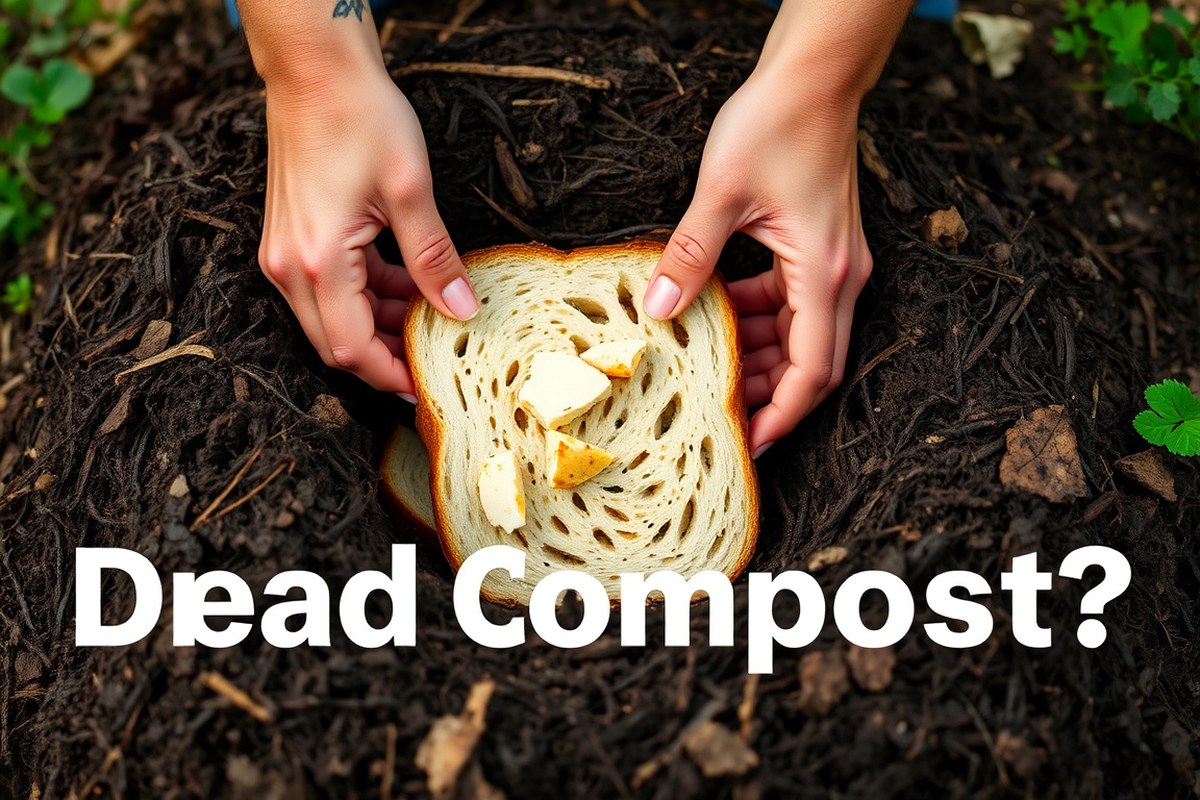
You can compost bread safely in a home compost pile if you handle it right. Bread, including moldy bread, breaks down thanks to compost microbes. Mold is a natural part of decomposition and won’t harm your compost if buried deeply.
However, bread can attract pests like rodents, raccoons, and birds. These animals sniff out bread easily.
So avoid leaving it on top or near the pile surface. Burying bread under at least 6 inches of other compost materials helps keep pests away.
Strong smells may develop if bread makes your compost too damp. When moldy bread breaks down in wet conditions, it can slow decomposition and cause odors. Mix bread with dry materials like leaves or shredded paper.
This balances moisture well. It also helps reduce bad smells.
Using a secure compost bin or a compost pit with a cover limits pest access. Regularly turning the compost spreads bread pieces and speeds up breakdown. This also stops pests from finding bread and keeps your pile smelling fresh.
Some breads with preservatives may not compost well. They could slow microbial activity and delay decomposition.
Whole grain bread suits compost best because it has more nutrients. It breaks down faster than white or processed bread.
Composting moldy bread comes with a moisture risk. Moldy bread can make your pile too wet, so add it in small amounts. Always mix it well and bury it beneath dry compost to prevent flies and bad smells.
Add bread in small amounts only. This keeps your compost healthy and balanced. Too much bread ups pest risk and may cause an imbalance in your compost.
Mix bread with other “brown” materials for best results. It blends smoothly and feeds garden soil well.
How Does Bread Break Down in Compost? Decomposition and Timing
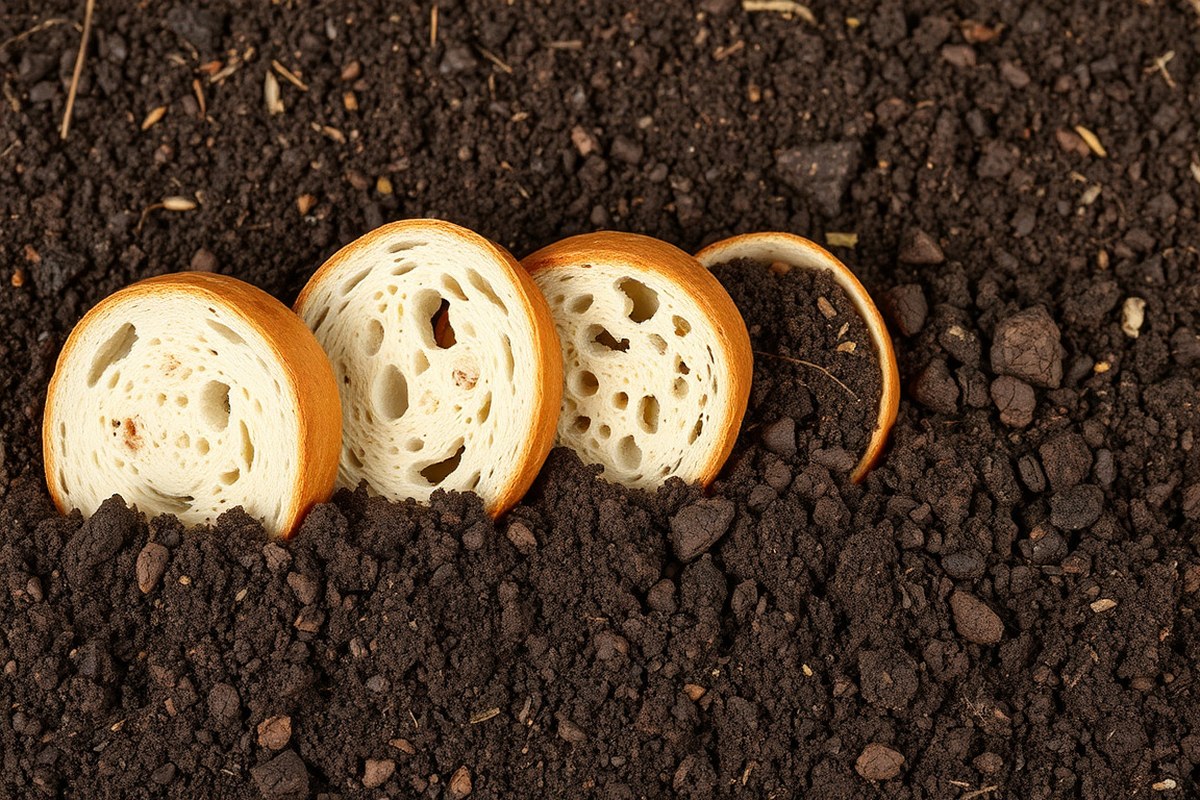
Bread usually takes about 2 to 3 weeks to break down in a compost pile. The soft, porous nature of bread helps microorganisms digest it fairly quickly. Breaking the bread into small pieces speeds this process and improves airflow in the pile.
Where you place the bread matters a lot too. Bury it 8 to 12 inches deep, ideally near the hot center of your compost pile. This spot has higher temperatures, around 131°F to 160°F (55°C to 71°C).
These temps speed up decomposition. They also help reduce pest problems.
Your compost’s moisture and mix affect bread’s breakdown. Moist conditions promote microbe activity. But too much water can make bread slimy and slow decomposition.
Adding garden soil or aged manure can jump-start the decomposition because they carry helpful microbes. Your compost is cold or dry. Bread will take longer to break down.
Moldy bread can actually help decomposition since mold cells feed compost microbes. Mixing bread with other kitchen scraps like fruit and veggie peels also speeds the process. Avoid bread covered in oil or grease.
Oil slows breakdown. It can upset the compost balance.
Cut or tear bread into small pieces. Bury it deep in your hot compost. This speeds decomposition and keeps pests away.
Types of Bread: Which Are Best or Worst for Composting?
All types of bread can be composted, but some work better than others. Whole grain and stale bread add more nutrients than white or heavily processed bread. Moldy bread is also fine, as long as mold color looks normal.
Whole Grain Versus White Bread
Whole grain and artisanal bread break down well and add useful nutrients. They have more carbon and nitrogen, which help microbes break down your compost.
White bread also composts just fine. But it is less rich in nutrients than whole grain. Using whole grain bread supports better soil health when your compost is done.
Moldy and Stale Bread Considerations
Stale bread is better for compost than fresh bread. Tearing bread into small pieces helps it break down more quickly.
Bury these pieces deep in the compost pile to avoid pests. This method speeds up composting and keeps bugs away.
Moldy bread can boost your compost with helpful microbes. Skip bread showing strange colors or thick black mold. These types might be harmful and should not go in compost.
The average shelf life for bread is 5 to 6 days. Waiting until bread is stale or moldy helps it compost more successfully.
Effect of Additives and Preservatives
Bread with preservatives can be composted, but check ingredient lists first. Some additives may slow decomposition or leave residues.
Non-biodegradable ingredients, like plastic wraps or coatings, must be removed before adding bread to compost. Otherwise, avoid large amounts of breads with many additives. Here’s a simple table showing how different types of bread perform in compost:
| Bread Type | Compostability |
|---|---|
| White Bread | Yes, but in moderation |
| Whole Wheat Bread | Yes, beneficial for compost |
| Stale Bread | Yes, ideal for composting |
| Bread with Additives | Can be composted, check for non-biodegradable ingredients |
Adding stale or moldy bread in small amounts avoids smell and pests. Tear it up, bury it well, then mix compost regularly to speed decay. This careful approach gives better, nutrient-rich compost for your garden.
How to Prepare and Add Bread to Your Compost Successfully
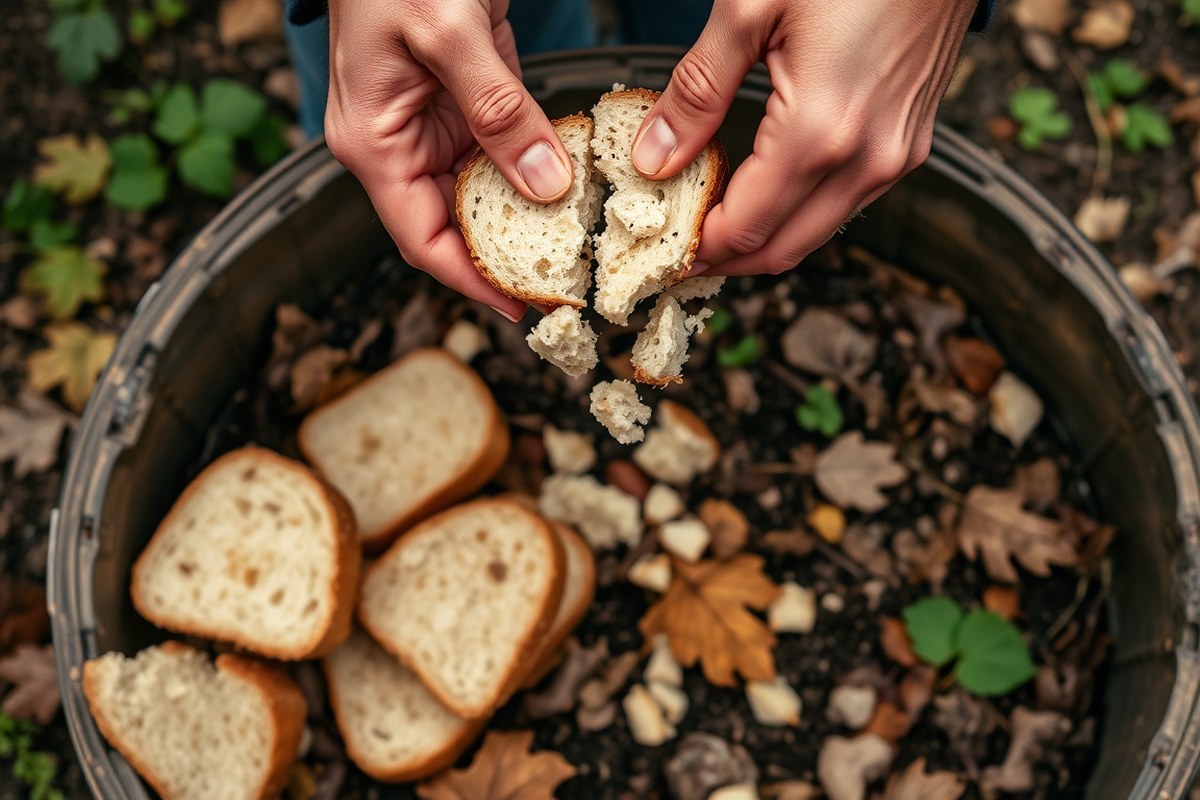
Start by cutting bread into small pieces, then bury it deep in your compost pile. Add it gradually and mix it with plenty of brown and green materials. Proper preparation helps the bread break down faster without attracting pests or causing odors.
Breaking Bread into Small Pieces
Cutting bread into small pieces speeds up decomposition. Small bits mix more easily with other compost materials and help airflow. Larger chunks take longer to break down and might cause mold spots.
You should moisten dry bread a bit before adding it to compost. This helps microbes start working right away. Avoid adding whole slices or big chunks.
Burying Bread at the Right Depth
Place bread pieces in the center of your compost pile. Bury them at least 6 to 8 inches deep. This keeps pests away and controls odor.
Burying bread under a thick layer of compost or soil also reduces its scent. It prevents rodents and insects from sniffing it out. Always avoid leaving bread visible on the surface.
Mixing Bread with Browns and Greens
Bread is rich in nutrients and needs balance with carbon-rich “browns.” Add dry leaves, shredded cardboard, or sawdust alongside the bread. This maintains the right compost moisture and air flow.
Add green materials like kitchen scraps only in moderate amounts. Too much bread can throw off the compost’s balance and slow down decomposition. Introduce bread in small amounts over time.
Follow these steps to prepare and add bread successfully:
- Break the bread into small, bite-sized pieces.
- Slightly moisten dry bread to help it decompose.
- Put the bread right in the middle of your compost heap.
- Bury the bread at least 6 to 8 inches deep.
- Add a thick layer of brown materials over the bread.
- Mix the bread with other compost ingredients for balance.
- Add bread gradually to avoid overwhelming the pile.
- Monitor the pile and adjust bread amounts if breakdown slows.
Avoiding Pests and Odors When Composting Bread
Composting bread can attract pests like rodents and insects that smell its sugars. Covering your compost bin with a tight-fitting lid keeps pests out and traps odors. Using a bin designed to be rodent-proof adds extra protection against animals digging in.
Layering bread pieces between dry brown materials helps reduce smell and pests. Tear or crumble bread into small bits. This helps it break down faster.
It also reduces strong smells. Avoid adding large bread amounts at once.
It raises nitrogen levels quickly. This can attract more bugs.
- Use rodent-proof bins or barriers to block larger animals
- Always cover bread with dry leaves, wood chips, or shredded cardboard
- Break bread into small pieces for easier composting and less smell
- Add fresh bread in small amounts to avoid attracting pests
- Turn or aerate your compost frequently to speed decomposition
- Keep your compost pile moist but not wet to reduce odors
- Check your compost regularly for signs of pests or strong odors
Turning your compost every week encourages faster breakdown and reduces places pests can hide. Moist but not soggy compost activates microbes that outcompete pests for food. Smelling strong odors?
Add more brown materials. Turn the pile to mix everything well.
Always limit the amount of bread you add at one time to prevent pest problems.
Balancing Bread with Other Compost Materials for Optimal Results
Bread counts as a green compost material because of its high nitrogen content. Even dry or browned bread breaks down faster than typical browns like leaves. You want to mix bread with dry leaves or shredded cardboard.
This helps keep the carbon-to-nitrogen ratio healthy in your pile. A good balance prevents problems during composting.
A good carbon-to-nitrogen ratio is between 25 and 30 parts carbon. For every 1 part nitrogen, you need 25 to 30 parts carbon. This balance helps compost break down well.
Bread has a lot of nitrogen and should be added in small amounts. Use much more brown materials to avoid slimy, smelly compost. Too much bread causes a messy compost pile.
Also, bread is moist. So it’s essential to balance moisture by adding plenty of dry material.
Here’s a quick table to help balance bread with other compost materials for good results:
| Compost Material | Type | Role | Notes on Use |
|---|---|---|---|
| Bread | Green (Nitrogen-rich) | Provides nitrogen and moisture | Mix in small amounts; high moisture |
| Dry Leaves | Brown (Carbon-rich) | Absorbs moisture, balances nitrogen | Use as a cover over bread |
| Shredded Cardboard | Brown (Carbon-rich) | Absorbs moisture, adds carbon | Good for balancing damp bread |
| Grass Clippings | Green (Nitrogen-rich) | Boosts nitrogen, speeds composting | Combine with bread in moderation |
| Wood Shavings | Brown (Carbon-rich) | Dries the pile and adds carbon | Use to cover bread and hold air |
To keep moisture in check, avoid dumping large amounts of bread at once. Spread it throughout the compost and cover with dry materials right away. Turn your pile every week to introduce air and prevent damp pockets.
Temperature matters too. Hot composting between 90°F and 140°F improves breakdown speed and kills pathogens. Watch that moisture stays like a wrung-out sponge.
Too wet, and the pile smells; too dry, and microbes slow down. Adjust dry and wet materials accordingly to keep things balanced.
Comparing Hot, Cold, and Bokashi Methods for Bread Composting
Bread breaks down differently depending on the composting method you use. Hot composting heats bread quickly, speeding up decay and killing pests. Cold composting takes longer and may attract pests.
Bokashi fermentation lets you handle bread safely indoors. It avoids smells and pests. After that, bury the material or add it to compost.
Hot Composting Temperatures and Benefits
Hot composting means keeping your pile around 130° to 160°F. These high temps help bread break down fast, usually within a few weeks. The heat also kills mold spores and pests that bread can attract.
To make hot compost, mix bread scraps with plenty of green and brown materials. Turn the pile every few days to keep air flowing. Hot compost piles need moisture like a wrung-out sponge to maintain heat but not get soggy.
Municipal compost facilities use hot systems and usually accept bread waste. Hot composting at home can be hard to maintain.
You need enough material. Proper management keeps the pile hot.
Cold Composting Conditions and Risks
Cold composting breaks down bread without heat. So the process takes months to a year.
This slow decay risks attracting pests like rodents or flies. Moisture and mixing might be less consistent in cold piles.
To cold compost bread, cut it into small pieces first. Then add it to large compost piles.
Mix bread with dry leaves and grass clippings to balance moisture. Covering the material with soil helps reduce smells and pests.
Cold compost piles need more time and care to prevent odors and critters. Regularly turning the pile helps but won’t speed bread decay as much as hot composting does.
Bokashi Fermentation for Bread Waste
Bokashi composting uses fermentation and beneficial microbes to break bread down quickly indoors. You add bread scraps to a sealed bin with Bokashi bran, which starts anaerobic breakdown. This method traps smells and stops pests.
After 2 to 4 weeks in a Bokashi bin, the fermented bread isn’t fully composted yet. Bury bread in soil to help it decompose.
Or add it to a traditional compost pile. This step avoids nutrient loss and completes breakdown.
Bokashi works well if you want to compost bread indoors. It also helps where pests are a problem.
You’ll need a Bokashi starter and airtight bins. They cost between $20 and $50 depending on size and brand.
Here is a quick comparison of the bread composting methods:
| Method | Time to Break Down | Pest Control | Materials Needed | Temperature | Indoor Use |
|---|---|---|---|---|---|
| Hot Composting | 2 to 6 weeks | High, pests die from heat | Bread + green/brown mix + moisture | 130° to 160°F | No, usually outdoor |
| Cold Composting | 6 months to 1 year | Moderate, pests attracted if unmanaged | Bread + dry leaves + grass clippings | Ambient outdoor temps | No, outdoor |
| Bokashi Composting | 2 to 4 weeks + burying | Very high, sealed bin prevents pests | Bread + Bokashi bran + airtight bin | Room temperature | Yes, indoor |
Using hot composting gets bread to break down faster and keeps pests away by killing them. Cold compost works if you have space and time but needs pest prevention steps.
Bokashi stops pests and works well inside. You still need a second outdoor step to finish composting.
When to Avoid Composting Bread and Alternative Disposal Options
Don’t compost bread if it has meat, cheese, or oily toppings. These attract pests like raccoons and rats. They also slow down decomposition and can cause odors in your compost.
Old bread with mold should also be avoided. Mold can spread unwanted spores and might disrupt your compost’s balance. Consider other disposal methods for small amounts of leftover bread.
Some breads, like thick bagels or very dense loaves, take longer to break down. They might not compost fully before you need to use or turn your pile. Skip composting them if your compost system is small or slow.
- Avoid bread with meat, cheese, or oily toppings in compost.
- Skip moldy bread to prevent unwanted spores in your pile.
- Dense, thick bread like bagels breaks down slowly.
- Add only small amounts of bread to avoid overwhelming the pile.
- Mix bread well with brown materials to reduce pests and odors.
- Use bread within two weeks after adding to your compost.
- Keep compost turned regularly for even decomposition.
You can feed leftover bread to backyard chickens or frogs. Doing this helps cut waste and avoids pests. You can also make breadcrumbs or croutons if the bread is still fresh enough.
Freeze bread you won’t eat soon. It stays good this way. This keeps it out of the compost bin.
Another eco-friendly option is to donate excess fresh bread to local food banks or shelters. This avoids waste and helps those in need. Avoid landfill disposal to reduce methane emissions when composting isn’t an option.
Only add bread without toppings to your compost. Always mix it with plenty of dry leaves or shredded paper.
Step-by-Step Action Plan for Composting Bread
Follow these steps to add bread to your compost safely. This will help avoid pests and bad smells. You’ll get better compost results this way.
- Before you start: Break bread into small pieces, about 1-inch chunks, to help it decompose faster.
- Day 1: Break bread into pieces. Mix it with brown materials. Use a ratio of one part bread to two parts leaves or paper. Check that bread is covered to stop pests.
- Week 1: Turn your compost pile or bin to aerate it. A good smell and no visible pests mean it’s working well.
- Week 2: Add kitchen scraps to your compost. Don’t put more than 1 cup of bread per 5 gallons compost. This keeps the mix balanced. Watch out for slimy textures or foul smells.
- Week 3: Check for signs of bread breakdown. Crumbly, dark material means decomposition is happening properly.
- Week 4: If using a hot compost bin, keep the temperature between 130°F and 150°F. This kills most mold and pests.
- After 6 weeks: Screen your compost before use. Use finished compost only if it looks rich and smells earthy.
- Ongoing: Avoid adding bread if your compost attracts rodents or smells sour. Switch to alternatives like Bokashi or trash disposal then.
Frequently Asked Questions
Can You Compost Bread Crust Alone?
Yes, you can compost bread crust alone as it breaks down fast. It still contains nutrients and helps feeding microbes in your compost pile.
Does Toast Compost Differently Than Fresh Bread?
Toast composts similarly to fresh bread but breaks down a bit slower. The toasting process makes it drier and tougher for microbes to digest.
Is Sourdough Bread Good for Composting?
Sourdough bread is great for composting because it’s less processed and nutrient-rich. It breaks down well when mixed evenly in the pile.
Can Bread Crumbs Be Composted?
Bread crumbs compost well, especially if spread throughout the pile for faster breakdown. They add carbohydrates that feed microbes efficiently.
What Happens If You Compost Moldy Bread?
Moldy bread can compost safely if buried deep in the pile to avoid pests. It breaks down but can attract animals if left on top.
How Much Bread Is Too Much in Compost?
Adding too much bread risks imbalance by creating excess moisture and attracting pests. Use bread in moderation and balance with dry materials like leaves.
Key Points to Remember
Bread can compost well if you prepare and manage it carefully. Keep it balanced with other materials and watch for pests. Break your leftover bread into small pieces before adding it.
Mix the crumbs into your compost today. This helps it break down faster.