When to Fertilize Citrus Trees: Timing and Tips for Best Growth
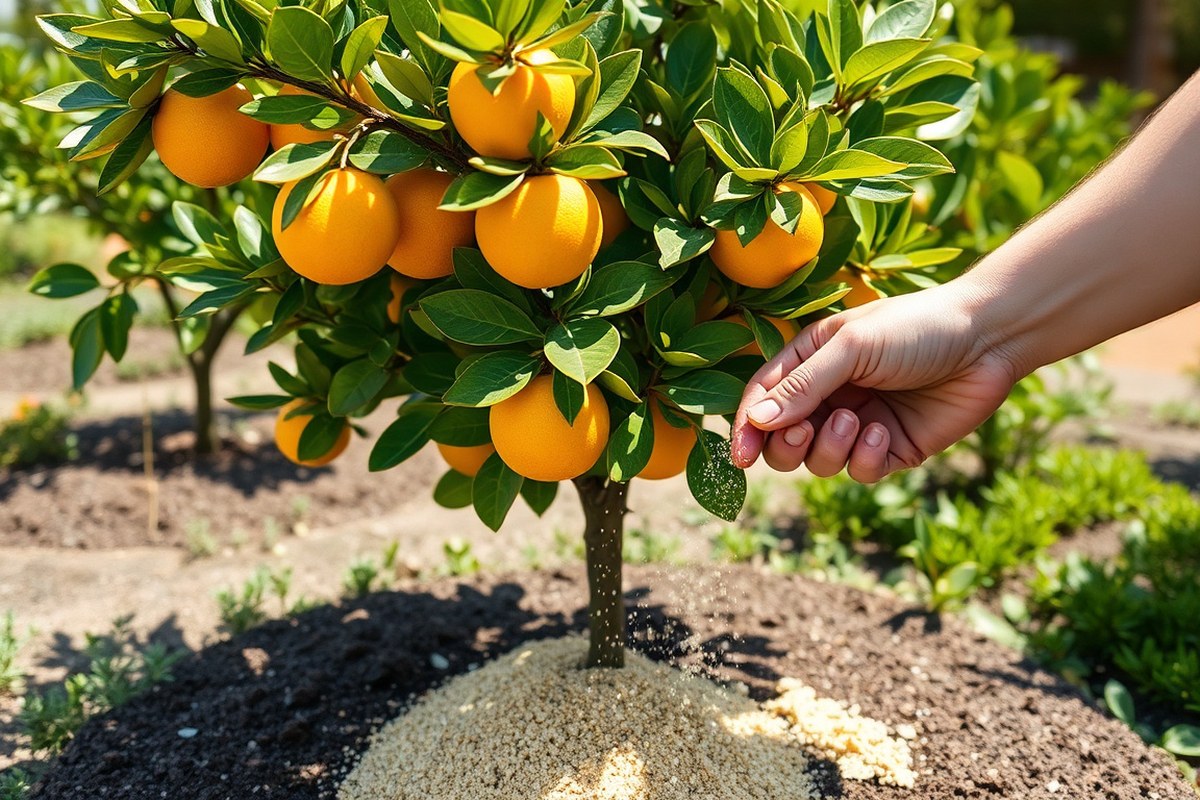
Wondering when to fertilize citrus trees for the best growth? Start feeding your citrus in early spring. Keep feeding every 6 to 8 weeks.
Do this throughout the growing season. This timing gives your tree the nutrients it needs to grow strong and produce tasty fruit.
Don’t fertilize when temperatures drop below 40°F because the tree’s growth slows down. In pots, feed lightly every 4 to 6 weeks since nutrients wash out faster there. This approach keeps your trees healthy without overdoing it.
Always water your tree deeply after fertilizing to help nutrients soak into the soil. For new trees, spread the fertilizer a bit away from the trunk, about 30 inches out. These details help get the right nutrients to the roots where they matter most.
Key Takeaways
- Fertilize established citrus trees every 6 to 8 weeks during active growth.
- Feed potted citrus trees more often, every 4 to 6 weeks.
- Avoid fertilizing when temperatures fall below 40°F to prevent stress.
- Water deeply after fertilizing to move nutrients into the root zone.
- Spread fertilizer about 30 inches away from young tree trunks.
- Use a balanced fertilizer formula designed for citrus trees.
When Is the Best Time to Fertilize Citrus Trees?
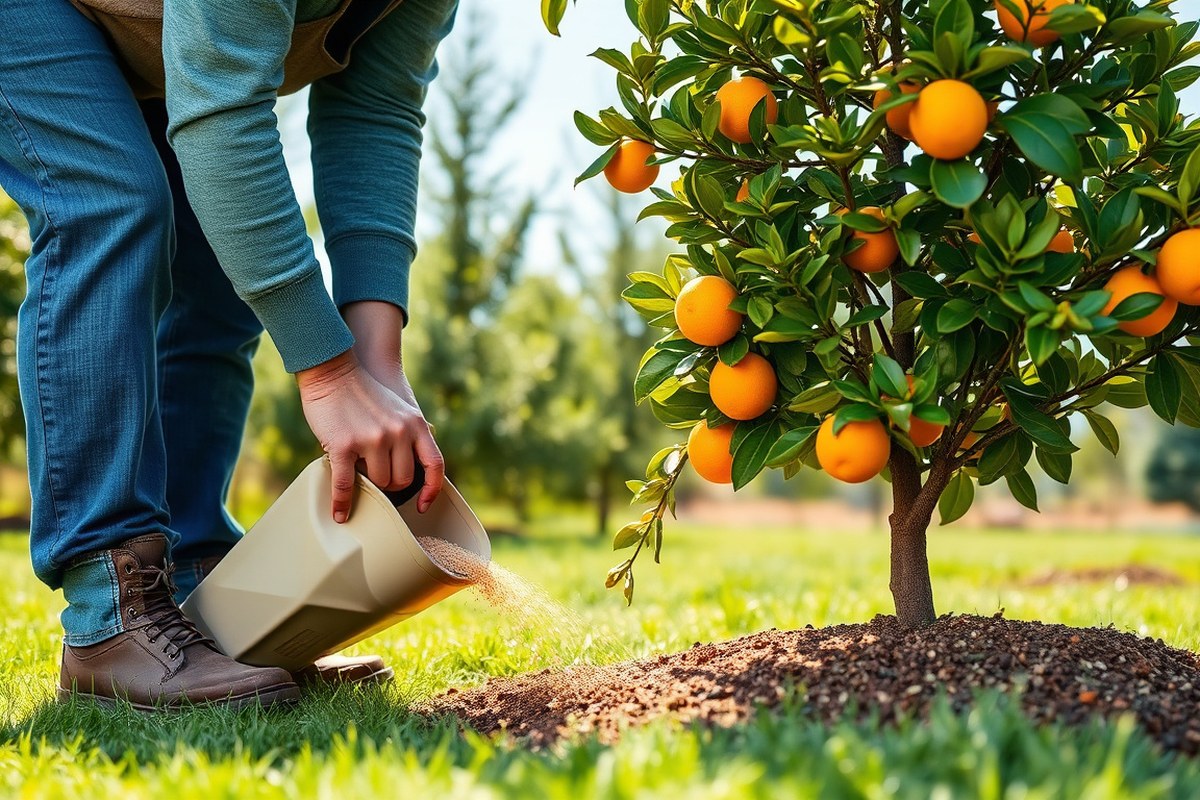
Start fertilizing citrus trees in early spring, just before new growth begins. This timing gives your tree the nutrients to support budding leaves and fruit. In warm climates like zone 9, begin as early as February or March.
Apply fertilizer every 6 to 8 weeks during the growing season. This season usually lasts until late summer. Potted citrus trees need light feeding every 4 to 6 weeks.
Their soil loses nutrients faster than garden soil. Use a balanced fertilizer that includes nitrogen for strong growth and better fruit.
Stop fertilizing by late summer or early fall. This prevents new growth that won’t harden before cold weather.
Exact timing depends on your local climate. Avoid feeding when temperatures drop below 40°F. In places like California, fertilize around mid-February, late May, and early September for best results.
How to Adjust Fertilizing for Different Climates and Tree Types
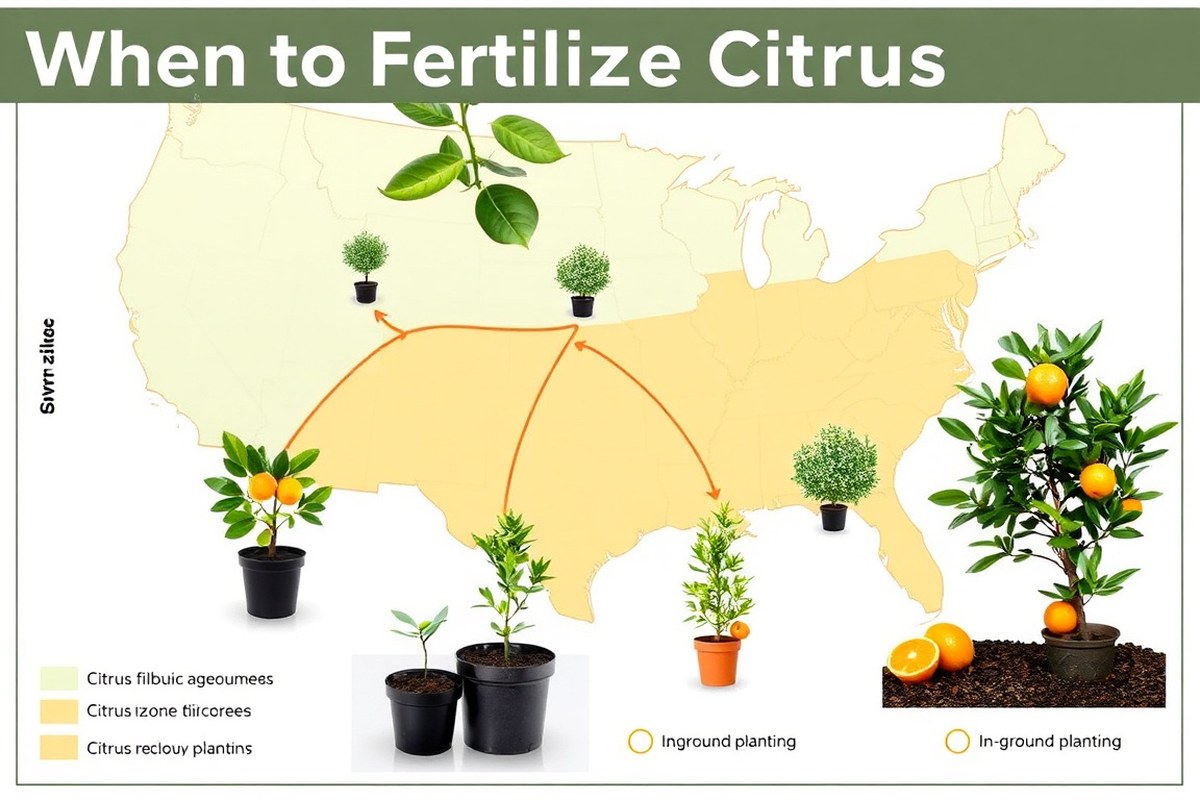
Fertilizing schedules for citrus trees change by USDA zone. Growth cycles shift with the climate. This affects when and how you feed your trees.
In warmer zones like Zone 10, start feeding trees earlier. This covers South Florida and Southern California coasts. Feed often in January or February.
Feed them multiple times through summer to match their long growing season. Cooler zones need you to wait until spring.
Growth starts around March or April. Only then should you begin fertilizing.
Container-grown citrus trees need a more frequent feeding schedule than in-ground trees. These trees lose nutrients faster because you water them more. Water washes fertilizer out of the soil.
That’s why they need more frequent feeding. Using fertilizer spikes works well for pots because they release nutrients steadily without overdoing it. In-ground trees get deeper watering with fertilizer every six weeks.
This happens during the growing season from late winter to early fall. Use liquid or granular fertilizer.
Tropical zones with warmer, humid conditions let citrus grow almost year-round. Fertilize these trees steadily from late winter through summer. Use balanced fertilizers like 8-8-8 or 10-10-10.
This supports consistent growth. Subtropical zones have colder winters and slower growth. So limit feeding to early spring through late summer to avoid stressing the tree.
Stop fertilizing in fall before dormancy starts. This avoids pushing new growth that could freeze. All zones follow this rule.
The exact amount depends on tree size and type. Established trees often use about one cup of fertilizer per three feet of tree height. Water fertilizer deeply for trees in ground or containers.
This prevents root burn. It’s important to soak the soil well. For container trees, reduce the quantity to fit pot size and apply in smaller doses monthly.
Do not fertilize citrus trees in winter unless you live in a frost-free tropical area. Feeding too late can harm the tree.
These adjustments can prevent common problems like yellow leaves or weak growth caused by mistimed fertilizing. Knowing your USDA zone and tree location helps you. This timing matches feedings to growth phases.
It makes fertilizing more effective. A regular, tailored feeding schedule keeps trees healthy and productive.
It prevents wasting fertilizer and harming the tree. Follow your zone’s guide closely.
What Nutrients Do Citrus Trees Need for Fertilization?
Citrus trees need a mix of 12 important nutrients for healthy growth and good fruit. The main ones are nitrogen, phosphorus, and potassium. They also need micronutrients like zinc, iron, magnesium, and manganese to avoid common problems.
Primary Nutrients: Nitrogen, Phosphorus, and Potassium
Nitrogen plays the biggest role in leaf and shoot growth. It keeps the tree vigorous, especially during the early growing season. Phosphorus supports root growth and flowering, which helps the tree produce more fruit.
Potassium improves fruit quality, flavor, and size. It also helps the tree resist diseases. Fertilizers with an NPK ratio around 10-5-10 or 15-5-12 work well for citrus trees.
Young trees need less nitrogen than mature ones. Applying the right balance helps avoid weak or overly leafy trees without fruit. Blood and bone meal can add slow-release nitrogen and phosphorus too.
Essential Micronutrients: Zinc, Iron, Magnesium, Manganese
Micronutrients might seem like small needs, but citrus can’t do without them. Zinc, iron, magnesium, and manganese support photosynthesis and enzyme function. Without them, growth and fruiting suffer.
Iron is especially important since deficiency causes yellowing leaves. Magnesium keeps leaves green and healthy.
Manganese aids disease resistance and nutrient uptake. Micronutrient-rich citrus fertilizers help prevent these issues.
Look for fertilizer labels listing these micronutrients. They are often marked as “trace elements” or “micronutrients.” This confirms it covers your citrus tree’s full nutritional needs.
Signs of Common Nutrient Deficiencies in Citrus
Yellowing leaves often indicate iron or magnesium deficiency. Iron shortage causes yellowing between leaf veins.
Magnesium deficiency causes yellowing at leaf edges. Both can lower fruit yield.
Lack of nitrogen results in slow growth and pale leaves. Deficient potassium shows up as small, poor-quality fruit and a higher risk of disease. Check your tree regularly for these signs.
Using a fertilizer balanced for citrus nutrients stops these problems before they start. Adjust your feeding plan if you notice these symptoms to restore tree health and fruit production.
How to Calculate and Apply the Right Amount of Fertilizer
Fertilize citrus trees by measuring the trunk diameter and using 1 pound of fertilizer per inch. Spread the fertilizer evenly under the canopy, starting a few inches from the trunk. Proper application helps nutrients reach feeder roots without harming the tree.
Measuring Tree Size and Calculating Fertilizer Weight
Measure the trunk diameter 6 inches above the soil line. Use a tape measure or ruler for accuracy. This diameter helps determine the fertilizer amount.
Apply about 1 pound of citrus fertilizer for each inch of trunk diameter. For example, a tree with a 4-inch diameter needs 4 pounds of fertilizer per feeding. Adjust slightly for younger trees that may need less.
Step-by-Step Fertilizer Application Around the Tree
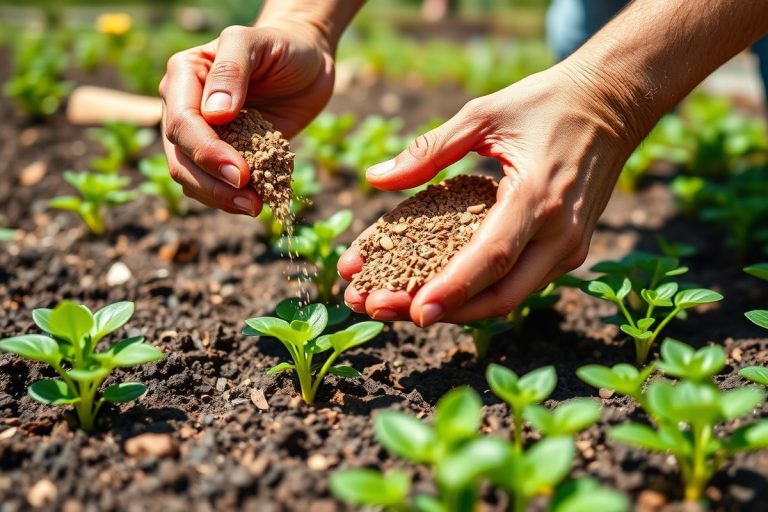
Spread fertilizer where feeder roots grow, roughly under the tree canopy’s drip line. Avoid placing fertilizer right next to the trunk to prevent root damage. Applying fertilizer evenly gives your tree better access to nutrients.
- Measure trunk diameter 6 inches above ground.
- Calculate pounds of fertilizer (1 lb per inch of diameter).
- Clear away mulch or debris from under the canopy.
- Scatter fertilizer evenly starting a few inches from the trunk.
- Extend spread outward to the drip line of the tree.
- Lightly work fertilizer into the topsoil if possible.
- Replace any mulch carefully over the fertilizer area.
Watering in Fertilizer and Safety Tips
Water the fertilizer in immediately after application. This helps dissolve nutrients and carries them to the roots. Avoid overwatering, which can wash fertilizer away or cause runoff.
Keep fertilizer off the trunk to avoid chemical burn. Use gloves while handling to protect your skin. Follow product instructions and apply during dry weather when possible for best results.
Choosing the Best Fertilizer Types for Citrus Trees
Slow-release fertilizers help reduce how often you fertilize citrus trees. They break down gradually over weeks or months. This means less work and fewer chances of overfertilizing, especially if you prefer a low-maintenance approach.
Liquid fertilizers work fast. You can see effects in days because nutrients are quickly absorbed through leaves or roots. Use liquid fertilizer during active growth phases or when your tree shows signs of nutrient deficiency.
Organic fertilizers, like Dr. Earth Citrus, feed soil and tree slowly. They improve soil health and encourage beneficial microbes. Organic fertilizers usually have lower NPK values but support long-term tree health well.
Synthetic fertilizers offer precise nutrient blends, such as Miracle-Gro Citrus with higher nitrogen content. They deliver fast results but risk burning roots if overapplied. You must follow package directions carefully to avoid damage.
| Product | Type | NPK Ratio | Best For |
|---|---|---|---|
| Dr. Earth Citrus | Organic | 5-2-2 | Eco-friendly gardens |
| Miracle-Gro Citrus | Synthetic | 8-2-4 | Fast results |
| Jobe’s Citrus Spikes | Slow-Release | 9-12-12 | Low maintenance |
For homemade feeds, use comfrey leaves as mulch or make liquid feed. This boosts soil health but does not replace a balanced fertilizer. Combine it with a good citrus fertilizer for best results.
Slow-release types like citrus spikes suit busy gardeners who don’t want to fertilize often. Apply spikes around the drip line every 3, 4 months. Liquid feeds fit smaller or container citrus needing quick nutrition.
Avoid overusing synthetic fertilizers to prevent root burn; always follow label rates.
Choose fertilizers rich in nitrogen since citrus needs it most. Ratios like 7-3-3 or balanced 6-6-6 work well. Lemon and lime trees may need 10% more fertilizer than others, so adjust accordingly.
Organic fertilizers alone usually meet basic citrus needs. However, adding synthetic or liquid feeds helps during peak growth or if quick correction is needed. Monitor leaf colour and growth to decide whether to boost feeding or slow it down.
Signs Your Citrus Tree Needs Fertilizing or Is Overfertilized
Yellowing leaves often mean your citrus tree lacks nutrients. Look for pale or yellow leaves starting at the bottom branch tips. Poor fruit production and stunted growth also signal nutrient shortages needing fertilizer.
Too much fertilizer, especially nitrogen, can damage your tree. Signs include burnt leaf edges, dark green leaves, and fewer fruits.
Overfertilized trees might also grow too quickly but produce weak branches or no fruit. Stop fertilizing immediately if these signs appear and flush the soil with water.
Check your tree for these symptoms regularly:
- Yellow or pale leaves at branch tips
- Slow or stunted growth compared to previous years
- Scant or small fruit on the branches
- Burnt or brown leaf edges indicating fertilizer burn
- Excessively dark green leaves and weak wood
- Leaf drop or fewer new shoots forming
Yellow leaves or slow growth mean your tree needs balanced fertilizer. Apply nitrogen-heavy fertilizer in spring or summer.
Use 1 pound per inch of trunk width, spread under the drip line. Water thoroughly afterwards to protect roots from damage.
For overfertilized trees, stop feeding for a month. Flush the soil with 5 gallons of water per square foot area around the roots. This helps wash excess nutrients away.
Trim damaged or burnt leaves to reduce stress. Avoid fertilizing when temperatures fall below 40°F, as trees won’t absorb nutrients effectively.
Seasonal Fertilizing Mistakes and How to Avoid Them
Applying fertilizer at the wrong time can hurt your citrus trees. Fertilizing during winter when trees are dormant may cause root burn or unwanted growth.
That growth gets weak and can suffer from cold damage. So avoid feeding your trees when temperatures drop below 50°F.
Using too much fertilizer is a common mistake. Adding excessive amounts stresses the roots and wastes your money. Split the total annual fertilizer into three meals.
Do this in early spring, early summer, and early fall. This helps the tree absorb nutrients better. This practice fits what citrus naturally needs throughout its growth cycle.
Pay close attention to nitrogen levels. Excess nitrogen leads to leafy growth but fewer fruits.
Instead, choose balanced fertilizers and organic options that support helpful soil microbes. They improve nutrient availability and avoid overreliance on nitrogen, phosphorus, and potassium alone.
- Don’t fertilize during cold months; wait for soil temperatures above 55°F.
- Apply fertilizer evenly under the tree’s canopy, avoiding the trunk.
- Water after fertilizing to prevent root burns and nutrient runoff.
- For young trees, use half the amount of mature tree fertilizer to protect roots.
- Check soil moisture before fertilizing; avoid dry or waterlogged soil.
- Use slow-release or organic fertilizers to feed trees steadily.
- Avoid excessive nitrogen; aim for balanced nutrient mixes.
Young citrus trees need gentler fertilizing than mature ones. Use about half the recommended amount and apply it more frequently.
This approach protects their smaller root systems and avoids shocking them into weak growth. Mature trees can handle full doses spaced evenly through the growing season.
Timing, amount, and technique all affect how well your citrus uses fertilizer. Following this schedule and tips helps avoid fertilizer burn or nutrient runoff.
Good soil preparation and choosing the right fertilizer type also play a role. Careful timing protects your trees from stress and encourages steady fruit production.
Adjusting Fertilization for Young Trees Versus Mature Citrus
Young citrus trees need less fertilizer and more frequent applications than mature trees. Mature trees take more nutrients but only need feeding during their active growing season. Adjust your fertilizing method to protect young roots and support healthy fruit production in older trees.
Nutrient Requirements by Tree Age and Growth Stage
Young citrus trees use nutrients mainly for root and branch growth. They require lower nitrogen, phosphorus, and potassium levels, often using a 6-6-6 or 8-8-8 formula. Established trees focus nutrients on fruit production and benefit from a balanced 10-10-10 fertilizer.
As trees mature, their nutrient demand grows, reaching about 1.0 to 1.5 pounds of nitrogen per tree annually. This matches studies showing mature navel oranges get the best yields at those levels. Applying too much nitrogen early can harm young trees and delay fruiting.
Fertilizing Young Citrus: Dosage and Frequency
Start feeding young trees with small amounts of 6-6-6 or 8-8-8 fertilizer. Feed the trees three to four times a year. Use small portions each time.
Start this schedule once the tree is established, usually one year after planting. Use about a quarter to half a pound of fertilizer each time.
Spread it in a circle around the tree’s drip line. Make sure to cover the area evenly.
Young trees need frequent, gentle feeding to avoid burning roots or pushing excessive growth. Stop fertilizing after June to avoid new growth that won’t harden off before colder weather. Water fertilizer in well to keep nutrients accessible but prevent runoff.
Fertilize young citrus lightly and often, then stop by early summer to protect next winter’s growth.
Feeding Mature Trees for Maximum Fruit Yield
Mature trees benefit from applying 1 to 1.Apply 5 pounds of nitrogen yearly in total. Divide it into three or four feedings. Start feeding from late winter until early summer.
Using a 10-10-10 balanced fertilizer helps maintain steady growth and good fruit quality. Applying fertilizer evenly around the canopy edges ensures proper root absorption.
Try slow-release fertilizers for convenience and fewer feedings. This is helpful in hot places like Florida. You can start feeding as early as January or February.
Stop feeding in June to prevent tender new growth that freezes easily. Mature trees tolerate stronger feeding but watch for leaf burn or overgrowth signs.
Liquid fertilizers can improve nutrient uptake in mature trees, improving fruit texture and health. Applying fertilizer after rainfall or watering helps nutrients reach tree roots efficiently and reduces waste.
Step-by-Step Action Plan for Fertilizing Citrus Trees
Follow these steps to fertilize your citrus tree at the right time with the right amount. You’ll see healthy leaves and better fruit grow as you go.
- Early spring: Apply a balanced citrus fertilizer to boost new growth. Look for fresh, bright green leaves after two weeks.
- Mid-spring: Add a smaller dose of fertilizer to support fruit development. Check that fruit size improves by early summer.
- Early summer: Fertilize again with a high-nitrogen formula if leaves look pale or growth slows. Leaves should regain rich color in about two weeks.
- Late summer: Avoid fertilizing after August to prevent pushing late growth that cold weather can damage. Watch leaves harden off as fall approaches.
- Fall: For warmer climates, use a low-nitrogen fertilizer to prepare the tree for winter. Confirm that new shoots stop growing by late fall.
- Monitor monthly: Check tree leaves for yellowing or spots that suggest nutrient problems. Adjust fertilizer type or amount as needed.
- Young trees: Fertilize them every 6 weeks during the growing season. Use half the amount you apply to mature trees. Expect steady leaf and branch growth.
- Mature trees: Fertilize three to four times per growing season with a full recommended dose. Fruit should improve in size and flavor.
Frequently Asked Questions
How Often Should I Fertilize Citrus Trees in Containers?
Fertilize citrus trees in containers every 4 to 6 weeks. Use a lighter dose than ground trees to avoid root burn.
Can I Fertilize Citrus Trees During Winter?
Avoid fertilizing in winter when trees are dormant. Fertilizing too cold can harm roots. Wait until early spring when growth begins.
Is It Better to Use Liquid or Granular Fertilizer for Citrus?
Both liquid and granular fertilizers work well for citrus trees. Liquid offers quicker nutrient uptake. Granular feeds longer with less frequent applications.
How Does Soil Type Affect Citrus Fertilizing Schedules?
Sandy soils require more frequent fertilizing than clay soils. Sandy soil drains quickly and loses nutrients faster. Adjust your schedule based on how your soil holds moisture.
Should I Fertilize After Pruning My Citrus Tree?
It’s a good idea to fertilize after pruning. Fertilizer supports new growth and helps recovery. Do it during the growing season for best results.
Can Organic Fertilizers Meet All Citrus Tree Nutrient Needs?
Organic fertilizers can supply many nutrients but usually slower. They improve soil health over time. You might need supplementing with specific nutrients occasionally.
The Bottom Line
Fertilizing citrus trees at the right time and dose helps them grow strong and bear fruit. Check your tree’s needs often and adjust carefully. Start your fertilizing routine now and watch your tree thrive.