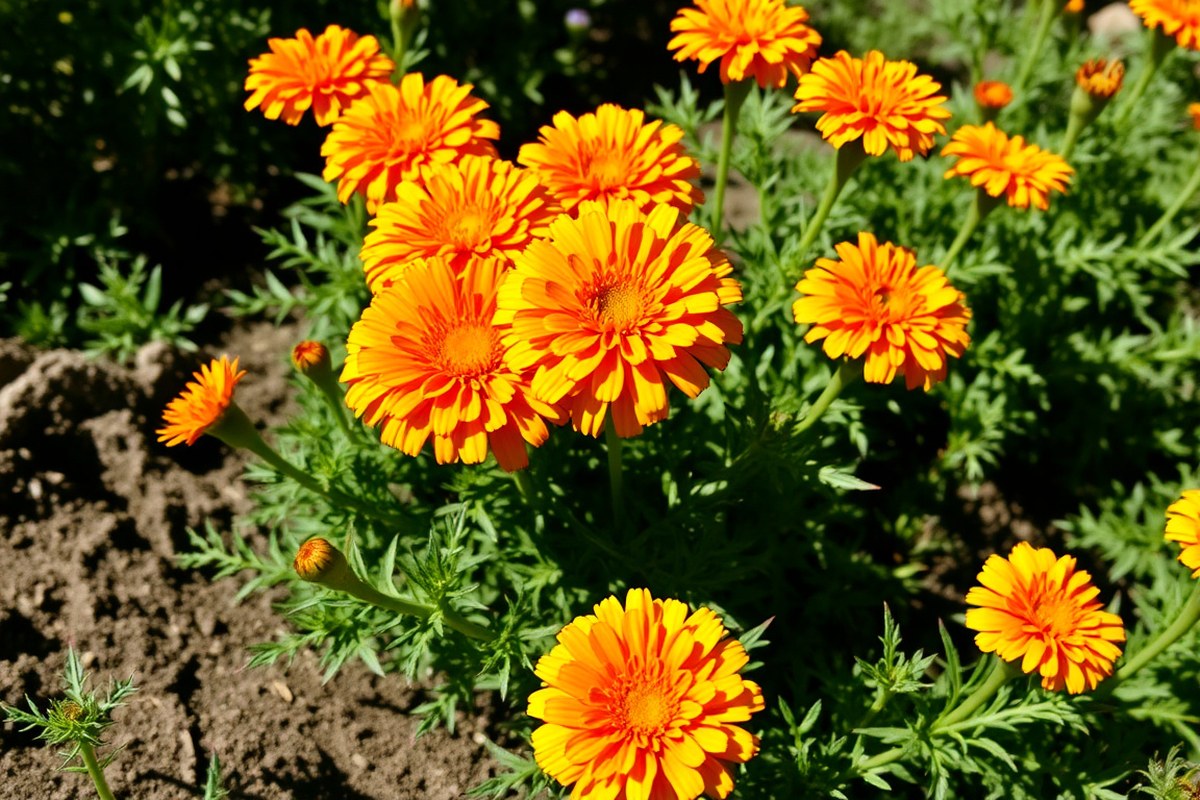
How Much Sunlight Do Marigolds Need for Best Blooming Growth
Marigolds thrive with a minimum of 6 hours of full sun daily. Giving them 6 to 8 hours boosts strong growth and vibrant flowers. Plan your garden spot to meet this sunlight range for best blooms.
Sunlight affects their leaves and flower production directly. Without enough sun, marigolds may become leggy and bloom less. Watch your plants for signs of too little light.
Plant them where they can soak up morning sun and some afternoon shade. In very hot areas, some protection during the afternoon can prevent sunburn. Starting with a sunny spot sets your marigolds up for success.
Avoid shaded areas that block sunlight for more than a few hours. In low light, flowers stay smaller and plants weaken faster. Adjust your garden layout if you notice slow growth or pale leaves.
Key Takeaways
- Provide marigolds with no less than 6 hours of direct sun daily. This light level supports healthy leaves and colorful blossoms. Adjust placement if they don’t get enough bright sun.
- 6 to 8 hours of sun is ideal for vigorous growth and blooming.
- Check for leggy growth as a sign of insufficient sunlight.
- Provide afternoon shade in hot climates to prevent heat stress.
- Choose planting spots with morning sun and partial afternoon shade.
- Wait to plant marigolds until soil warms above 60°F after frost.
How Many Hours of Sunlight Do Marigolds Need Daily?
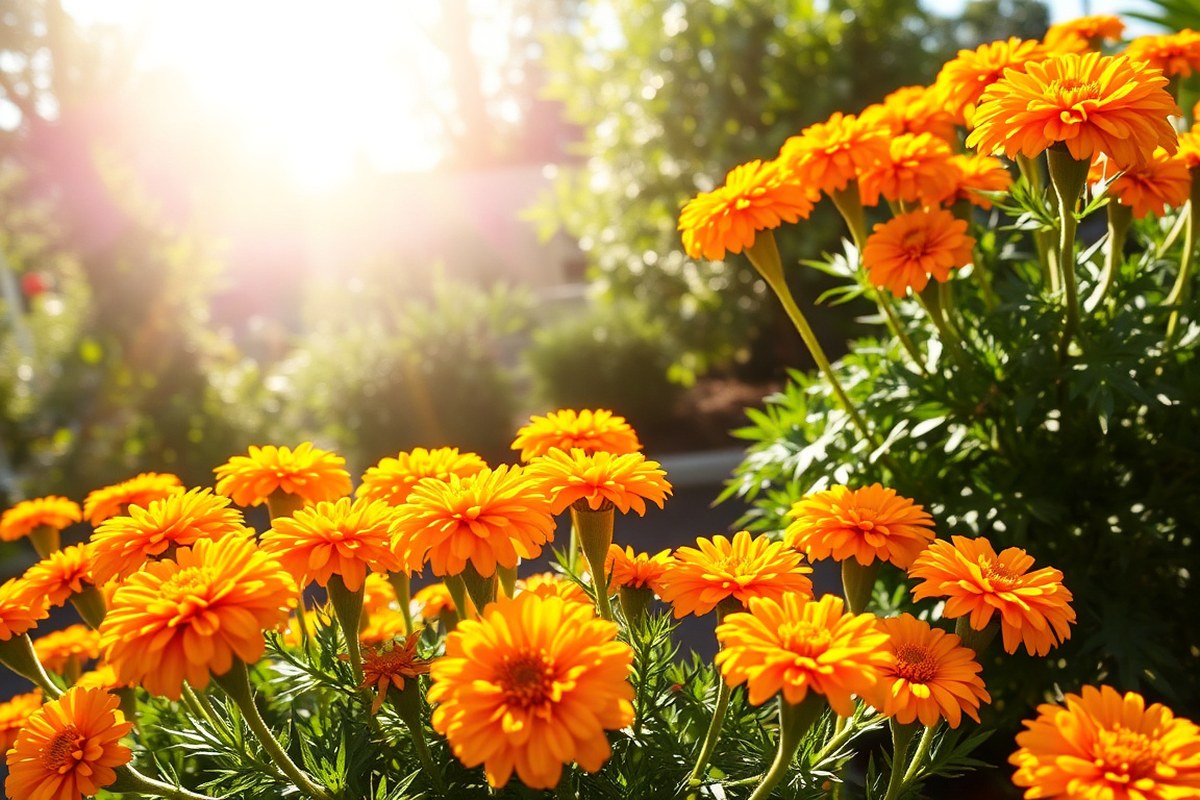
Marigolds need at least 6 hours of direct sunlight every day to grow well. They grow best with 6 to 8 hours of full sun daily. Full sun means sunlight without any shade.
Marigolds need this to thrive. This amount of sunshine helps them bloom fully and keeps their stems strong.
Full sun means your marigolds get direct light all day. Or they get it for at least half the day. This helps them grow well.
Usually, a south- or west-facing spot in your garden offers this kind of sunlight. It’s not just bright light they need for growth.
Sunlight must shine directly on the plants. No leaves or buildings should block it.
Your marigolds might grow leggy without enough full sun. They could also flower less if shaded. They need sunlight to stay healthy.
You can still grow them with 4 to 6 hours of sunlight if you must. But expect smaller plants and fewer blooms. Choose a spot that gets 6 to 8 hours of sun.
Keep this area free of tall plants. Those plants could cast unwanted shadows.
Differences in Sunlight Needs Among Marigold Varieties
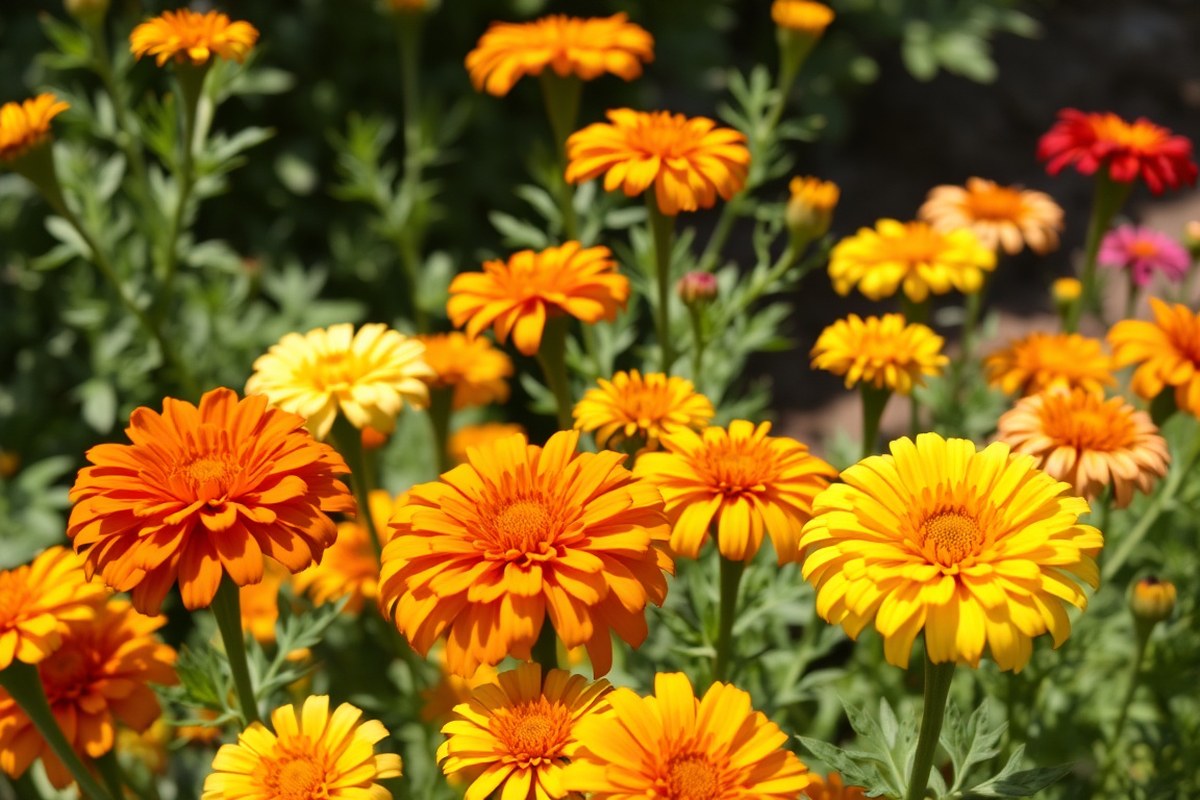
Different marigold types vary in sunlight needs and blooming habits. African marigolds prefer full sun and handle heat well. French and Signet marigolds can tolerate partial shade, making them good for less sunny spots.
French Marigold: Sunlight and Bloom Characteristics
French marigolds grow compact and bushy with small to medium blooms. They need 6 to 8 hours of sunlight but tolerate some shade. This variety works well in containers and borders where sunlight may be limited.
French marigolds stand up to some wet conditions better than others. They bloom steadily in moderate sun and can handle afternoon shade in hot climates. Their tolerance for partial shade lets you grow them near taller plants.
African Marigold: Ideal Light and Growth Patterns
African marigolds produce large pom-pom flowers on tall, upright stems. They thrive best with 8 to 10 hours of full sun daily. In hot climates with temperatures above 90°F (32°C), shade in the afternoon helps avoid leaf scorch.
This variety is great for garden backdrops and cut flowers. They tolerate drought well but need more space due to their height. African marigolds bloom heavily in full sun but show stress signs without it.
Signet and Pot Marigolds: Sunlight Tolerance and Uses
Signet marigolds have tiny single flowers and grow in delicate mounds. They need 6 to 8 hours of sun but handle partial shade better than African types. Signets are perfect for edible garnishes and containers needing some shade protection.
Pot marigolds, also called Calendula, prefer 4 to 8 hours of sun and cool temperatures. They bloom well in moderate climates and need less heat than other marigolds. Calendula suits herb gardens and medicinal uses, mostly thriving outside hot summer heat.
Here’s a handy guide showing sunlight needs, bloom habits, and how each marigold varies:
| Marigold Type | Min Sun (hrs) | Ideal Sun (hrs) | Bloom Size | Growth Habit | Best Use |
|---|---|---|---|---|---|
| French (Tagetes patula) | 6 | 6, 8 | Small to medium | Compact, bushy | Borders, containers, companion planting |
| African (Tagetes erecta) | 6 | 8, 10 | Large pom-pom | Tall, upright | Backs of beds, cut flowers, focal points |
| Signet (Tagetes tenuifolia) | 6 | 6, 8 | Tiny single | Mounding, delicate | Edging, edible garnish, containers |
| Pot Marigold (Calendula) | 4 | 6, 8 | Medium daisy-like | Upright, branching | Herb gardens, medicinal, cool-season color |
The table highlights how some marigolds need more sun than others. Choosing the right type depends on your climate and garden spot.
For instance, French marigolds fit shaded edges. African types need full sun for big blooms.
In very hot places, give African marigolds some afternoon shade. This helps stop leaf burn. It also helps the flowers keep blooming longer.
How Sunlight Affects Growth, Blooming, and Plant Health
Sunlight fuels photosynthesis, giving marigolds the energy to grow and bloom. Without enough light, marigolds grow leggy with thin stems and fewer flowers. The leaves may turn pale or yellow, signaling low chlorophyll production due to poor light.
Marigolds bloom best with strong sunlight. They need six or more hours of direct light daily.
Too much shade leads to fewer and duller blooms. For instance, French marigolds require steady sunlight to produce healthy flowers.
Too much sun, especially intense afternoon heat, can stress marigolds. Leaves may wilt or develop brown spots from sunburn. This limits photosynthesis and slows growth.
Very hot afternoons can harm marigolds. Giving them partial shade late in the day helps them survive. This keeps the plants healthier through the heat.
Low sunlight also causes disease problems by keeping soil damp longer. Without enough sun, marigolds can get stem rot. Moisture near the base causes fungal infections.
Sunlight helps keep the plant dry and healthy. Proper sunlight dries the soil quickly, cutting down disease risk and promoting strong roots.
Proper sunlight makes marigolds strong and bushy. They produce many bright flowers fully open. Good light keeps the plant compact and healthy.
They use sunlight to convert nutrients into energy efficiently. Without it, you’ll notice small, sparse blooms and more fragile stems, plus slower growth.
Adjust planting location and spacing to maximize sunlight exposure. Space marigolds 8 to 12 inches apart for good airflow and light reach.
Shift containers or trim nearby plants if blooms seem weak or sparse, indicating light shortages. These actions help maintain healthy marigold growth through the season.
Growing Marigolds in Partial Shade and How to Manage Expectations
Marigolds can grow in partial shade but not as well as in full sun. They need at least 4 to 6 hours of direct sunlight for decent growth. In shaded areas, expect thinner stems and fewer blooms compared to sunnier spots.
Partial shade can help protect marigolds in very hot climates or during seedling stages. However, less sunlight slows their growth and can reduce flower size and color intensity. You may also notice paler leaves and delayed blooming in shadier spots.
To grow marigolds successfully in partial shade, follow these care tips:
- Choose a spot that gets morning sun or filtered light for 4 to 6 hours.
- Trim surrounding plants or branches that block sunlight.
- Use reflective mulch or light-colored pots to boost light around plants.
- Water more carefully to avoid fungal problems from damp shade.
- Fertilize monthly with a balanced fertilizer to support slower growth.
- Monitor for pests like aphids more often, as shade can attract them.
- Prune leggy or stretched stems to encourage bushier growth.
Shady spots can keep marigolds alive but won’t support their full potential. You should expect smaller plants with fewer flowers and slower bloom cycles. In cooler areas, marigolds may survive in shade but need at least partial sun to thrive.
The right care can help marigolds tolerate some shade, especially in climates with strong summer heat. Watch for signs like pale leaves or long stems. Moving plants to brighter spots or adjusting shade levels will improve their look and bloom count.
Protecting Marigolds from Heat Stress and Sunburn in Hot Climates
Marigolds can get sunburn and suffer heat stress in intense afternoon sun. Too much direct sunlight can cause leaf scorch and faded petals.
This happens most often in hot zones like USDA 9, 10, and 11. It occurs especially during the hottest part of summer.
Heat stress makes marigold leaves wilt and turn brown at the edges. Petals may also look bleached or dry.
In containers, soil heats up fast and worsens stress because roots get too hot. Taking simple steps helps keep marigolds healthy and blooming.
To protect marigolds from harsh sun and heat, balance sunlight with shade. Morning sun with afternoon shade limits damage.
It also gives plants six or more hours of light. Use these steps to reduce heat stress:
- Plant marigolds where they get morning sun only. Choose spots with shade from noon onward to avoid the hottest rays.
- Use shade cloth or lightweight fabric. Install it over plants during afternoon peak heat (12 p.m., 4 p.m.) to filter sunlight.
- Water deeply and regularly. Keep soil moist but not soggy, especially before hot afternoons.
- Add mulch around plants. Mulch keeps soil cooler and retains moisture to reduce root stress.
- Move container plants to shaded areas. Bring pots into partial shade during the hottest hours for relief.
- Use fans or natural airflow. Good ventilation lowers leaf temperature and dries excess moisture, preventing mildew.
- Check daily for signs of sunburn. Look for leaves curling, browning edges, or pale flowers and adjust shade or water.
- Consider heat-tolerant marigold varieties. French marigolds handle hot and variable weather better than others.
Don’t rely only on morning sun in very hot zones. Afternoon shade can save your marigolds from burning.
Choosing the Best Location and Sun Exposure Pattern for Marigolds
Choose a spot that gets at least 6-8 hours of direct sunlight. Early morning sun is gentler and boosts marigold health. Avoid areas with harsh midday heat to prevent stress and blooming issues.
Morning Sun Benefits for Marigolds
Morning sunlight is less intense than afternoon sun, making it easier on marigolds. It warms the plants gently, helping them dry off dew and avoid diseases. Early sun also wakes the plants up for stronger growth and vibrant flowers.
Planting where marigolds get morning sun reduces heat stress. This means the plants use water efficiently and stay healthy. Reflective surfaces, like light walls or paths, help boost morning light where direct sun is limited.
Afternoon Sun Risks and Rewards
Afternoon sun provides intense light and heat, especially from noon to 4 p.m. This strong sun can cause leaf burn and drying if marigolds aren’t well watered. It does encourage bigger blooms but can also shorten the flowers’ lifespan.
Use afternoon sun spots only if marigolds get enough water and airflow. Shade from taller plants or a shade cloth in the hottest part of day helps. Without protection, afternoon sun can lead to faded colors and slower growth.
Mixed or Interrupted Sunlight Effects
A mix of morning sun and afternoon shade works well in hot climates. This pattern lets marigolds bloom and stay cool in extreme heat. Interrupted sunlight, like dappled shade from trees, can limit blooming but saves water.
Choose sites that mimic these patterns for best results in different zones. Keep the soil well-drained and check sun patterns weekly to adjust plant positions. Moving pots as the sun shifts ensures marigolds get enough light without burning.
Use the table below to find the best spots for planting. It shows sun exposure timing. This helps you match plants to the right conditions.
| Sun Exposure | Time of Day | Marigold Benefits | Considerations |
|---|---|---|---|
| Morning Sun | 6 a.m., 10 a.m. | Gentle warming, disease prevention, strong early growth | Less intense; may need reflective surfaces in shady yards |
| Afternoon Sun | 12 p.m., 4 p.m. | Encourages large blooms, boosts flowering phase | Risk of leaf burn and water stress; requires watering and shade |
| Mixed Sunlight | Morning sun + afternoon shade | Balances growth and prevents overheating | Ideal in hot climates; may slightly reduce total bloom count |
| Dappled/Interrupted Light | Through trees or structures | Reduces water need, avoids heat stress | Slower growth, fewer flowers compared to full sun |
Finding the best spot depends on your garden’s sun patterns and climate. Track sunlight over a week to see when and where your garden gets sun. This helps you place your marigolds where they thrive without getting stressed.
Adjusting Indoor Lighting for Marigold Seedlings and Container Plants
Indoor marigolds need strong, full-spectrum light to grow well. Use grow lights if natural sunlight is weak. Container marigolds thrive with plenty of light and good air circulation indoors.
Lighting Duration and Intensity for Seedlings
Marigold seedlings indoors need 12 to 14 hours of light daily. Use full-spectrum grow lights that mimic natural sunlight. Keep the light 6 to 12 inches above the seedlings to avoid burning or stretching.
High light intensity helps marigolds produce more flowers and healthy leaves. Adjust the light closer for better intensity but watch for wilting. Seedlings grown too far from light become leggy and weak.
Container Placement for Optimal Sun
Place container marigolds near a south-facing window for the best natural light. Move them slightly east in summer to get cooler morning sun and avoid heat stress. Rotate the pots weekly so all sides get equal light exposure.
If sunlight is limited, supplement with grow lights that stay on 12 to 14 hours a day. Choose containers with drainage holes and use well-draining soil to keep roots healthy. Good air flow helps prevent fungal problems.
Common Indoor Growing Challenges
Without enough light, marigolds become leggy and bloom poorly. Low light also increases their risk of fungal diseases like powdery mildew. Monitor plants closely and increase light as needed.
Indoor heat or moisture can also stress marigolds. Avoid overcrowding containers, and water only when soil feels dry about an inch deep. Too much moisture invites root rot and fungus.
Follow these steps to start marigolds indoors with artificial lighting:
- Sow seeds 6 to 8 weeks before the last frost in a well-draining potting mix.
- Place the seed trays in a warm area, ideally 70 to 75°F (21-24°C).
- Set full-spectrum grow lights 6 to 12 inches above the seedlings.
- Keep lights on 12 to 14 hours daily to mimic sunlight duration.
- Water the soil lightly to keep it moist but not soggy.
- Thin seedlings to allow enough space for growth once leaves appear.
- Shift containers to a sunny window or keep under grow lights as they grow.
- Gradually reduce light time if moving plants outdoors after frost risk passes.
Identifying and Fixing Common Sunlight-Related Problems in Marigolds
Marigolds require about six to eight hours of direct sunlight daily to thrive. If they don’t get enough light, their stems become thin and fragile. They stretch out trying to reach more light and bloom less, with flowers fading quickly.
Too much sun or heat can also stress marigolds. Leaves may turn pale or yellow and show signs of sunburn. Too much hot, bright light can stress marigolds.
This heat may cause the flowers to drop. This problem is worse in very warm climates.
- Leggy, thin stems suggest not enough sunlight
- Few or no blooms after several weeks is a warning sign
- Yellowing or pale leaves can signal excess sun or heat stress
- Brown patches on leaves indicate sunburn damage
- Small, weak plants with minimal growth point to light deficiency
- Wilting during midday heat hints at too much direct sun or heat
To fix too little light, move the marigold to a sunnier spot. Check the hours of direct sun by observing the garden through the day. Consider pruning weaker branches; this helps the plant focus on stronger growth.
Adding reflective mulch or white surfaces nearby can boost light levels. Avoid dense shade or crowded plantings that block sun.
Provide afternoon shade if marigolds get too much sun. You can also transplant them to spots with morning sun only. These options help protect marigolds from heat stress.
Water deeply but avoid soggy conditions, which make root rot worse. Using shade cloth during hot afternoons can protect leaves and blooms. Keep an eye on soil moisture and adjust watering during heat waves to prevent stress.
Watch your marigolds closely in the first weeks after moving them. Sunlight adjustments can take a few days to show improvement or symptoms.
Step-by-Step Action Plan for Growing Marigolds in Ideal Sunlight
Follow these steps to give your marigolds the right sunlight for healthy growth and vibrant blooms.
- Before planting: Pick a spot with at least six hours of sunlight. Marigolds need plenty of direct light to grow well. Avoid shady areas to keep them healthy.
- Day 1 of planting: Put your marigold seeds or young plants where taller plants won’t block light. Check for open space above the spot. This helps them get enough sun. Check for immediate sunlight exposure after planting.
- Week 1: Watch for new growth. Healthy, bright green leaves signal proper sunlight levels.
- After 2 weeks: In hot climates, provide partial shade during the hottest afternoon hours. Notice if leaves stay healthy and blooms continue.
- Month 1: Move marigolds if they look long and weak or have pale leaves. Use containers or change their spot to improve conditions. This encourages stronger growth. This shows they need more light.
- Ongoing: Keep indoor marigolds near a south-facing window for good light. Use grow lights for 10 to 12 hours if natural light is low. This helps them grow healthy indoors. Check if seedlings stand upright and buds form.
- Seasonal check: As daylight changes, monitor your plants for signs of too much sun or shade. Adjust location to maintain steady bloom and color.
Frequently Asked Questions
Can Marigolds Survive in Full Shade?
Marigolds usually don’t do well in full shade. They need some direct sunlight to grow and bloom.
Is Morning Sun Better Than Afternoon Sun for Marigolds?
Morning sun is gentler and ideal for marigolds. Afternoon sun can be harsh and cause stress if too hot.
How Does Cloudy Weather Affect Marigold Growth?
Cloudy weather can limit sunlight but won’t harm marigolds short term. They just grow slower without enough light.
Can Marigolds Grow Under Artificial Lights Only?
Marigolds can grow under strong artificial lights but need at least 12-16 hours daily. Natural sun is easier for healthy growth.
Do Marigolds Need Less Sunlight in Cooler Climates?
Cooler climates might reduce sunlight stress on marigolds. They still need at least 6 hours of direct light daily.
Is It Okay to Move Marigolds to Shade During the Hottest Hours?
Yes, giving marigolds shade during peak heat helps prevent sunburn and stress. It protects them while keeping enough light.
The Bottom Line
Marigolds do best with six hours or more of sunlight daily. Keep a close eye on how your plants respond and adjust their light exposure as needed. Start by picking the sunniest spot in your garden today.