What Is a Garden Hoe Used for? A Complete Guide to Types and Uses
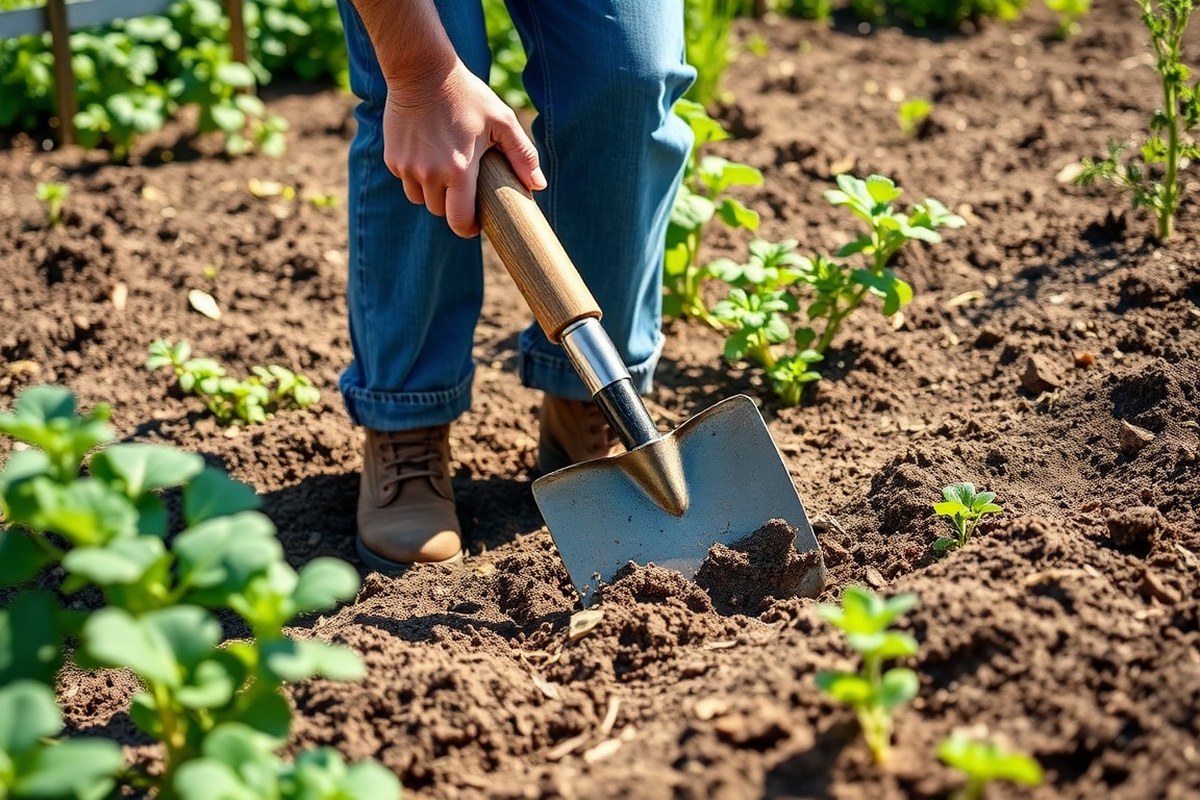
A garden hoe is mainly used to break up soil, remove weeds, and shape planting rows. Its flat or angled blade cuts through dirt and roots. The long handle gives you better reach, helping you work quickly and comfortably.
Garden hoes keep beds tidy and improve water and nutrient flow. Start by loosening soil before planting. Then pull weeds without bending over, which protects your back.
The angled blade lets you work while standing, saving your back and knees. Different hoes suit different tasks like chopping tough roots or slicing surface weeds. Choosing the right hoe for your soil and plants makes your work faster and easier.
Key Takeaways
- A garden hoe loosens soil, removes weeds, and shapes rows for planting.
- Use a hoe to pull surface weeds without disturbing nearby plants.
- Start your garden prep by breaking up compacted soil with a draw hoe.
- Choose a hoe blade style based on your soil type and weeding needs.
- Hold the hoe handle at a comfortable angle to avoid strain.
- Use chopping motions for tough roots and slicing motions for light weeds.
What Is a Garden Hoe Used For?
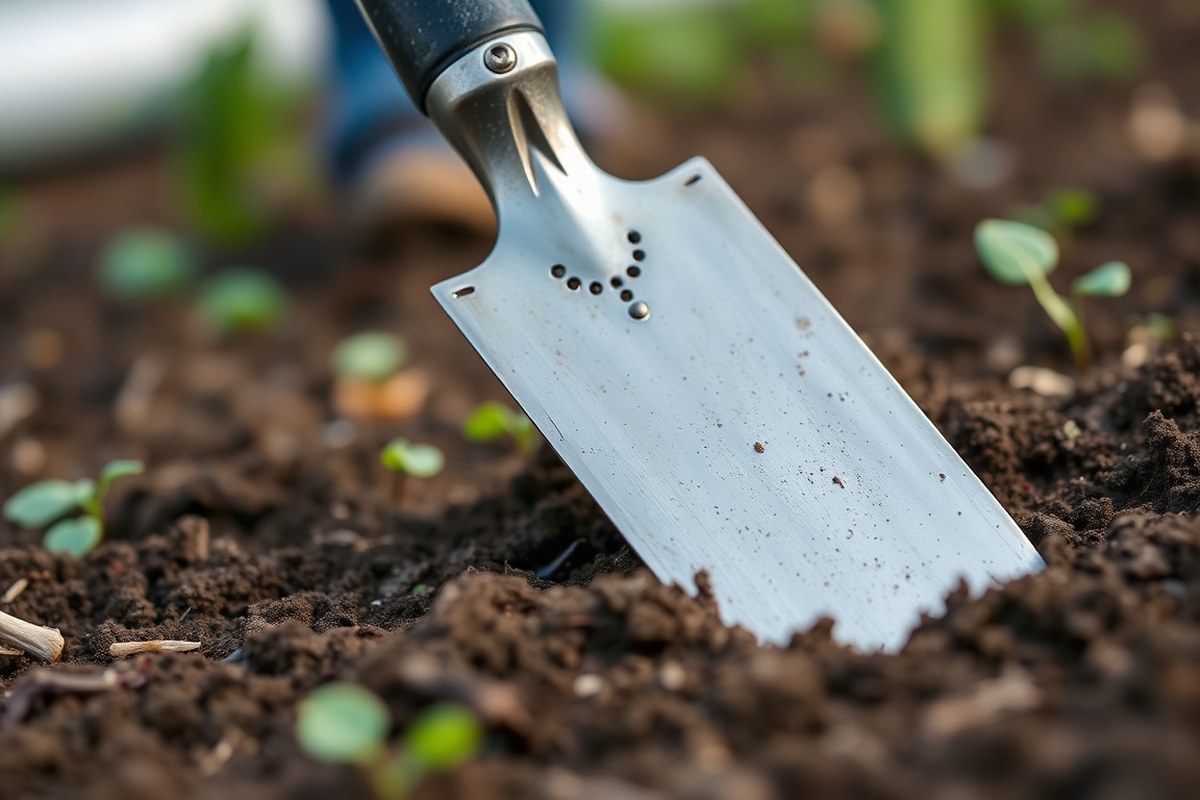
A garden hoe helps you prepare soil and keep your garden tidy. Its main job is to break up hard soil before planting. You push or pull the blade just beneath the surface to loosen dirt and remove clumps.
Using a hoe also makes weeding faster and easier. It slices through weeds without bending or pulling, saving your back and avoiding nasty chemicals. You drag the hoe in short, quick strokes to cut weed roots just under the soil.
Another key use is aeration. Stirring soil with a hoe improves oxygen flow and drainage around plant roots. You skim the surface, breaking crusty layers so water reaches deep where plants need it most.
Garden hoes help create straight furrows or trenches for seeds or irrigation lines. You press the blade down and drag it along to carve even rows. This keeps seeds spaced properly and water flowing uniformly.
Finally, hoes clear debris by pushing or pulling old mulch and dead plants aside. Working this way keeps pathways and beds open and easy to work in. It’s the kind of regular cleanup that helps gardens stay healthy and neat.
The amount of effort depends on soil type. Heavy clay needs more force and longer work, while loose soil takes less time. Try to keep the blade sharp and the handle at a comfortable length for best results.
Main Types of Garden Hoes and Their Uses
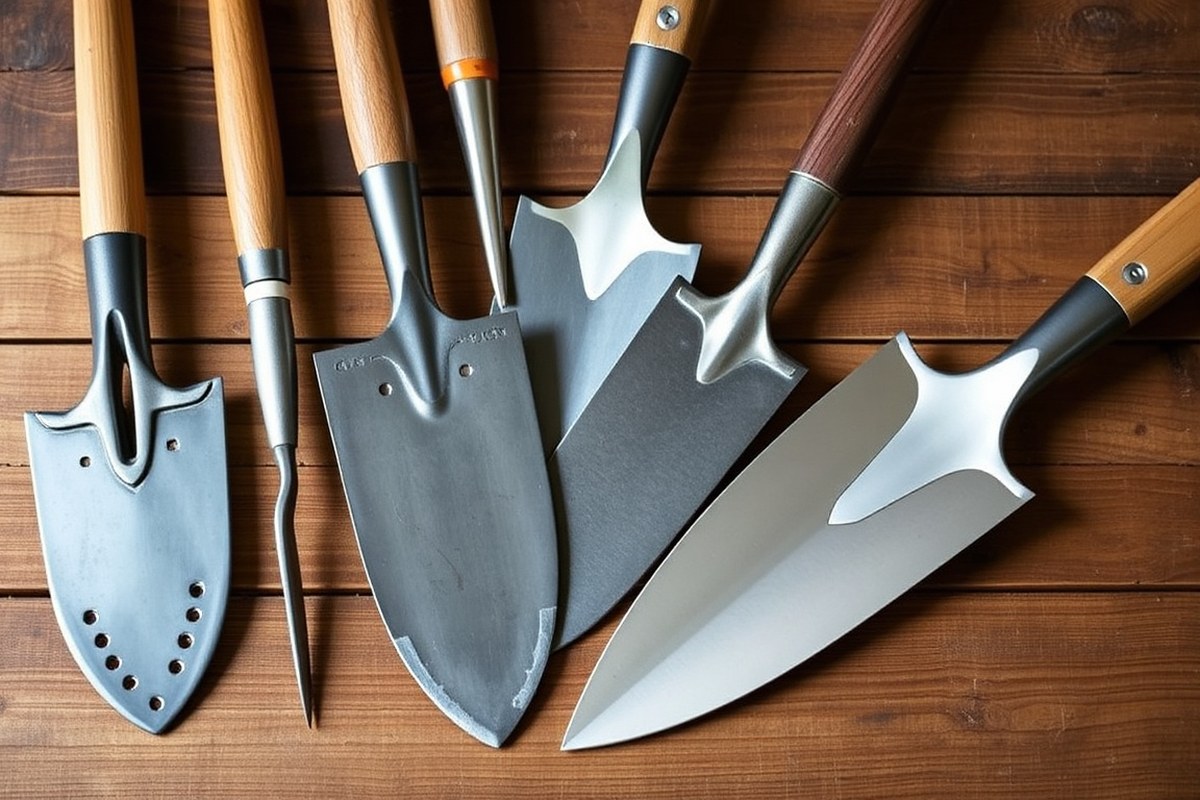
Garden hoes come in several main types, each made for a specific job. Their blade shapes and how you move them affect how well they work in different soils. Matching the hoe to your task helps you weed, dig, or break soil faster and easier.
Draw Hoe Characteristics and Uses
A draw hoe has a wide, flat blade set at right angles to the handle. It works best when you pull it toward you to chop or break soil. This makes it great for clearing clods, making seedbeds, and furrowing.
Draw hoes shine in larger beds with mixed soil types. They handle tough breaking and hilling jobs well. These hoes are rough for close work.
Avoid them near delicate plants. Use it to prepare new beds and edges.
Stirrup (Scuffle) Hoe Overview
The stirrup hoe has a looped blade that cuts weeds on both push and pull strokes. This back-and-forth motion slices weeds just under the soil surface for quick clearing. It excels in tight rows where surface weeds grow fast.
This hoe works best in loose or moderately firm soil where you can sweep it easily. It keeps weeds down in vegetable beds without disturbing roots below. Avoid deep digging with this type.
Dutch and Warren Hoe Differences
The Dutch hoe has a flat, sharp blade. You push it or pull it. It cuts surface weeds.
It’s efficient for large beds with loose soil, perfect for vegetable gardens and flower beds. It slices weeds before they root deeply.
The Warren hoe is stronger with a thick blade for chopping tough weeds and precision digging. It’s ideal in dense plantings where you need close control to remove roots. Avoid using it for heavy soil breaking or on sod.
Collinear and Specialty Hoes Explained
The collinear hoe features a narrow blade for scraping tiny weeds in crowded crops. Its straight edge allows precise work around delicate plants and seedlings. It’s useful for shallow cultivation and careful weed removal.
Specialty hoes like the grub hoe work well in hard soil. They suit rocky or compact ground. Use them to dig out roots.
Diamond hoes cut perennial weeds but suit hard soils more than loose beds. Choose based on the soil and plant setup.
| Hoe Type | Main Use | Best For |
|---|---|---|
| Draw Hoe | Soil breaking & trenching | Larger beds & seedbed preparation |
| Dutch Hoe | Slicing surface weeds | Vegetable gardens & flower beds |
| Stirrup Hoe | Fast surface weeding | Tight rows & continuous weeding |
| Warren Hoe | Tough weed chopping & root removal | Dense plantings & precise digging |
| Collinear Hoe | Precision scraping | Crowded crops needing gentle care |
Different hoes use different motions. Pull with a draw hoe. Sweep with a stirrup hoe.
The blade shape and edge type also impact what soil and weeds they work best in. Choosing the right one helps save time and protects your plants.
Use a stirrup hoe in loose soil to avoid damaging roots below the surface. Avoid heavy chopping with it.
How to Use a Garden Hoe Correctly
Hold the hoe with both hands near the top and middle of the handle. Use steady, controlled movements to work the soil or weeds without digging too deeply. Choose push, pull, or sweep motions based on the hoe type and the task at hand.
Pulling and Chopping Motions
Pulling and chopping motions work best with a traditional garden hoe, which has a flat blade. Plant the blade into the soil about an inch deep before pulling it toward you. This action cuts weeds at the roots and loosens soil simultaneously.
To chop, lift the hoe slightly then bring the blade straight down onto weeds or soil. Chop firmly, but avoid hitting soil too deeply to protect plant roots. These motions help clear tough weeds and break up compacted soil.
Pushing and Sweeping Techniques
Push and sweep motions suit breaking up soil and minor weed removal. Position the blade just below the surface about one inch deep. Then push the hoe forward to loosen soil or sweep it side-to-side to clear small weeds.
Sweeping efficiently covers more ground with less effort. Light pressure is better since deep digging can harm seedlings. These techniques work well when preparing garden beds or cleaning between plants.
Using a Stirrup Hoe Back-and-Forth
The stirrup hoe is also called the scuffle hoe. It has a blade that pivots. You use it with both push and pull motions.
Hold the hoe so the blade scrapes soil at a 15 to 20-degree angle. Push and pull the hoe back and forth gently over soil surface.
This motion cuts weeds just below the surface without disturbing roots nearby. It’s ideal for maintaining weed-free beds without replanting damage. The back-and-forth scuffle action keeps weeds from growing back quickly.
Follow these steps for best results:
- Grip the hoe firmly with both hands, one near top of handle and one midway down.
- Position the blade based on the motion: flat side for pull/chop, angled for push/sweep.
- Hold the handle at a comfortable height to avoid bending too much.
- Insert the blade about one inch into the soil for weeding or cultivation.
- Use pulling motions to cut weeds and loosen soil, or chopping motions for tougher roots.
- Push or sweep the blade lightly to break up soil or clear small weeds.
- With a stirrup hoe, move blade back and forth gently to scrape weed roots.
- Keep consistent, controlled motions to avoid damaging nearby plants or soil structure.
When and Why to Use Each Type of Garden Hoe
The draw hoe works best for general tasks like cultivating and weeding larger garden beds. It has a wide blade angled to chop through soil and pull up weeds effectively. Use it in loose or firm soil.
Clear broad areas fast. Good for vegetable rows or flowerbeds.
The stirrup hoe fits well in large, loose garden beds that need fast, light weed control. Its loop-shaped blade cuts weeds just below the soil surface with a back-and-forth motion.
It’s faster than the draw hoe for small weeds. Not great for thick or deep roots.
Tight spaces like raised beds call for a precise hoe with a narrow, angled blade. The Warren hoe has a triangular blade. It shapes beds and removes weeds.
It does this without disturbing roots. This prevents damage to shallow-rooted plants in crowded spots.
The collinear hoe works best in raised beds. It fits well in narrow rows. Space stays tight.
Its thin blade allows you to clip tiny weeds around crops without hurting their surface roots. This hoe works well in gardens with delicate plants and requires careful weed control.
Match the hoe to your soil too. Hard, compact soil needs a strong blade. Use the draw or field hoe.
They break up the soil. Softer soil benefits from light blades that clean between plants without uprooting them. Using the right hoe saves time and protects plants.
Use the draw hoe early in the season. Prepare beds and remove tough weeds. It works well for this.
Switch to a stirrup hoe once the soil loosens for quick weed control. Then switch to a Warren or collinear hoe.
Use them in raised beds next. Finish weeding near roots.
Choosing the best hoe for your garden lets you work efficiently and keep plants healthy. It takes practice. Using the right tool matters a lot.
Match the tool to the task and soil. It improves your results. Start with the draw hoe for broad work.
Add specialized hoes as your garden grows. Keep it efficient.
Maintaining and Sharpening Your Garden Hoe
To keep your garden hoe sharp and lasting, regular care is essential. You need to sharpen it often, clean off dirt, and store it properly. These simple tasks help it work better and prevent damage.
Sharpening with a File or Stone
Use a flat metal file or a wet sharpening stone to sharpen your hoe. Hold the tool steady and stroke the beveled edge at about a 30-degree angle. This angle keeps the blade sharp for cutting through soil and weeds easily.
Sharpen the hoe blade regularly, especially if you use it weekly. Dull blades make work harder and increase injury risk. Taking five minutes after every few uses keeps the hoe efficient.
- Choose a metal file with a fine to medium grade or a water-soaked sharpening stone
- Secure the hoe blade for safety before sharpening
- Stroke evenly in one direction along the bevel, about 10 to 20 strokes
- Check for any nicks and smooth the edge until it feels sharp
- Wipe off metal filings with a cloth after sharpening
Be careful not to change the blade shape; just focus on the edge.
Cleaning and Rust Prevention
After each use, rinse the hoe to remove dirt and plant residue. Dirt left on the blade can hold moisture and cause rust. Use a stiff brush if soil sticks hard.
Dry the hoe blade with a towel well to avoid water spots. You can wipe the blade with an oily rag to stop rust. Spray light machine oil on the blade for extra protection.
This helps keep rust from forming on your garden hoe. This step is more important for carbon steel hoes than stainless steel ones.
Storage Tips for Longevity
Store your garden hoe in a dry, sheltered spot like a shed or garage. Avoid leaving it outside where rain or humidity can cause rust. Hanging the hoe up protects the blade and handle from damage.
During winter or long breaks, clean and dry the hoe completely before storing. Apply a thin layer of oil on the blade to stop corrosion. Check the handle regularly for cracks and smooth rough spots with sandpaper.
Common Mistakes with Garden Hoes and How to Fix Them
Using a garden hoe the wrong way can hurt your plants and waste effort. One big mistake is chopping weeds instead of scooping and pulling them out. This can damage nearby roots and soil structure, making your garden less healthy.
Avoid straining your back by keeping the hoe’s handle long enough. Long-handled hoes let you stand upright and push the tool with your legs, not your back. Short handles cause bending and can quickly lead to soreness or injury.
- Don’t use the hoe to dig deep; it’s for surface work only.
- Keep the blade sharp and oiled to cut weeds efficiently and prevent rust.
- Use a back-and-forth motion with a scuffle hoe for shallow weed cutting.
- Avoid bending over too much, stand straight and move your legs when hoeing.
- Take breaks every 15 to 20 minutes to prevent fatigue and maintain posture.
- Choose shorter handles for tightly planted flower beds to avoid damage.
- Shape soil carefully to protect plants, using your hoe to form rows and mounds.
Many gardeners make mistakes by pushing hard with the hoe. They sometimes swing it like an axe. This damages the tool and plants.
Instead, it’s best to scrape weeds gently just below the soil surface. Good hoe work loosens soil, removes weeds, and shapes plant beds without disturbing roots.
You should clean the blade often and add a thin oil layer. This stops rust and keeps the blade sharp. A well-kept hoe works better and lasts more seasons.
Choosing the Right Hoe for Your Garden Size and Soil
For small or raised bed gardens, pick a hoe blade 4 to 6 inches wide. This size works best for tight spaces. It helps you control weeding and digging better.
A shorter handle, between 24 and 36 inches, gives you better control and fits smaller spaces. These sizes help you work precisely without hitting nearby plants or garden edges.
Heavy or rocky soil needs a heavy-duty hoe made from strong steel or durable alloy. Look for hoes with thicker blades and reinforced handles to handle tough digging. These tools often cost more but last longer and save frustration when breaking hard ground.
Deciding between a heavy-duty and regular hoe depends on your garden’s soil and job type. Your soil is soft after rain and easy to work. Choose a regular hoe for light weeding and tilling.
It’s the simplest tool for this soil type. Heavy clay or soils with stones demand heavier, sturdier hoes to avoid bending or breaking.
To pick a hoe, think about garden size first. Consider your soil type next. Then decide what tasks you mostly need to do.
Measure your garden space and soil hardness, then match those to hoe sizes and materials. Look for handles that feel comfortable in your hands.
Check if the blade shape matches your main task. Choose chopping blades for big weeds, or narrow ones for precise weeding.
Most quality hoes cost between $15 and $50. Heavy-duty hoes usually cost more, near $50. The price reflects the hoe’s durability and materials.
Good hoes stay sharp, resist rust, and weigh right, not too heavy but tough enough. Avoid very cheap hoes with thin blades. They won’t hold up and need replacing often.
Using a Garden Hoe Safely and Effectively
Choose a garden hoe with a comfortable, ergonomic handle for easier grip. A balanced tool helps you work longer without strain or pain. Avoid hoes that feel heavy or awkward in your hands to lower fatigue.
Hold the handle firmly but not too tight. Keep your back straight and bend your knees slightly for a good stance. This stance protects your lower back and gives better hoe control.
Use the hoe with a consistent angle to the soil. This reduces the effort needed to cut weeds or loosen dirt.
Moving the hoe like a shovel causes blisters and tired muscles. So use smooth, sweeping motions instead.
- Wear gloves to prevent blisters from rubbing on the handle.
- Take short breaks every 15 to 20 minutes to stretch your hands and back.
- Stop hoeing if you feel sharp pain or numbness.
- Adjust hoe length or type depending on your height and task.
- Keep the blade sharp and clean to reduce force needed.
Pay attention to any slipping or discomfort in your grip. Adjust your hold immediately to avoid accidents.
Rest when you feel muscle fatigue or wrist strain. Overdoing it can cause injury and slow down your gardening. Even brief pauses to shake out your hands and stretch your arms help maintain energy.
Gardening with the right posture and tool reduces injury risk. It makes hoeing safer and more comfortable.
You enjoy working in your garden. You won’t dread the task anymore.
Step-by-Step Action Plan
Use this plan to start using your garden hoe effectively right now.
- Day 1: Choose the right hoe based on your garden size and soil type. Pick a triangular hoe for rows or a flat hoe for weeds.
- Day 2: Sharpen the hoe blade so it cuts easily. Try it on a small patch and check if it slices through weeds smoothly.
- Week 1: Practice safe hoeing by keeping your back straight and wearing gloves. Notice less strain and no blisters after use.
- Week 2: Use the hoe to remove weeds before they flower. See fewer weeds take hold in your garden beds.
- Month 1: Loosen soil around plants with a wavy hoe to help roots grow. Watch plants look healthier and soil stay crumbly.
- After 6 weeks: Clean and sharpen the hoe again to keep it working well. Check that it glides easy through soil.
- Begin the season by keeping your hoe in a dry spot to stop rust. Check that it is dry and clean before putting it away.
Frequently Asked Questions
How Long Has the Garden Hoe Been Used in Gardening?
Garden hoes have been around for over 4,000 years. This makes them one of the oldest gardening tools still in use today.
Can a Garden Hoe Be Used for Planting Seeds?
Yes, you can use a hoe to carve shallow planting furrows. This helps you plant seeds evenly and neatly in rows.
What Types of Garden Soil Are Best Suited for Using a Hoe?
Garden hoes work well in loose to moderately compacted soil. Very hard or rocky soil may require a different tool first.
Is It Safe to Use a Garden Hoe on Raised Beds?
Using a garden hoe on raised beds is safe with care. Control your swings to avoid damaging wooden sides or plant roots.
What Kind of Gardening Tasks Should Not Use a Garden Hoe?
Avoid using a hoe to prune plants or harvest fruits. It’s meant mainly for soil work and weed control, not cutting or picking.
Can a Garden Hoe Be Used for Aerating Soil?
Yes, you can use a hoe to gently break up soil surface for aeration. It improves air and water flow near plant roots.
Wrapping Up
Your garden hoe is a simple tool that makes weeding and soil care easier. Using the right hoe regularly keeps your garden tidy and healthy. Try measuring the results next week by how much easier your gardening feels.