How Long Does It Take for Peas to Germinate? Complete Guide with Tips
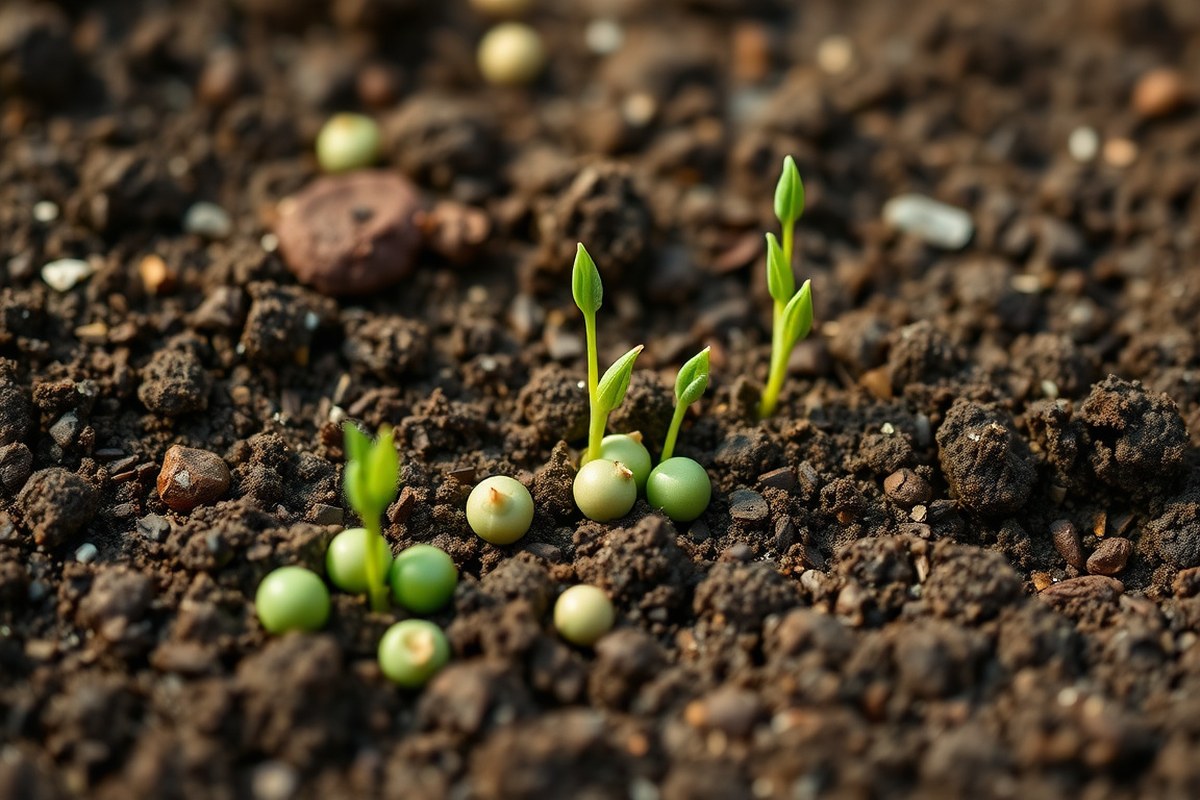
How long does it take for peas to germinate? Peas usually sprout in 7 to 30 days.
The exact time depends on soil temperature, moisture, and seed quality. Cooler soils can slow this process to nearly a month.
Peas germinate faster when the soil stays moist and warm, ideally between 70°F and 75°F. If soil is cooler, around 40°F, expect peas to take up to 3 or 4 weeks to sprout. Starting with fresh seeds gives you the best chance for a quick start.
Soaking pea seeds in water for 24 hours before planting softens their tough coat. This step helps them absorb moisture faster and speeds up germination. Make sure you plant peas at the right depth to avoid weak or slow sprouting.
Key Takeaways
- Peas generally germinate within 7 to 30 days depending on conditions.
- Warm soil between 70°F and 75°F speeds up pea sprouting.
- Soil temperatures in the 40s may extend germination to 3, 4 weeks.
- Soaking seeds for 24 hours before planting improves germination speed.
- Use fresh seeds for better germination rates and faster sprouts.
- Keep the soil moist but not waterlogged for steady growth.
How Long Does It Take for Pea Seeds to Germinate?
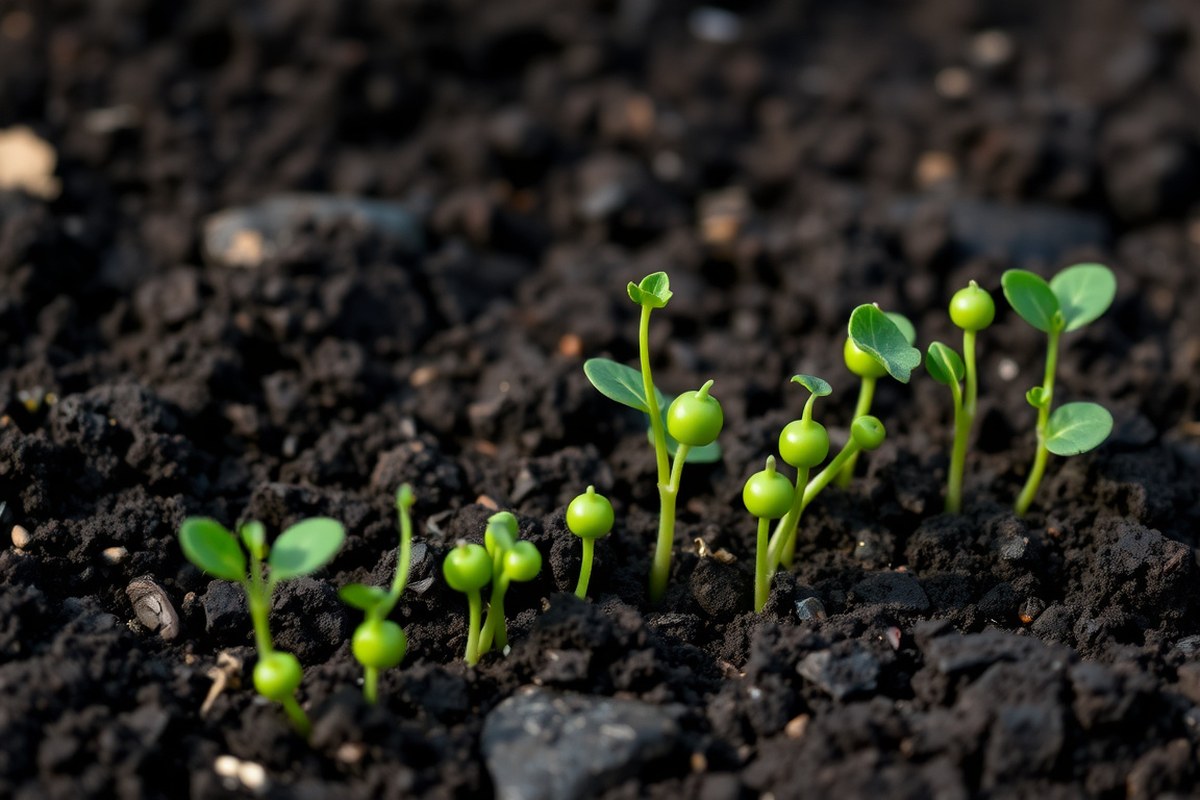
Pea seeds usually take 7 to 14 days to germinate under normal garden conditions. You can expect seedlings to break through the soil in this time.
This happens if the soil temperature stays between 50°F and 68°F. Those numbers are 10°C to 20°C in metric units. Cooler soil slows germination, stretching the time to 2 to 4 weeks.
Temperature matters a lot. Peas can sprout in soil as cool as 40°F, but growth is slow. Soil above 75°F reduces germination rates.
Seedlings may also struggle to grow well. Keeping your planting within the ideal temperature range speeds up sprouting and improves results.
Seed quality and age also affect germination time. Fresh seeds have the best vigor and sprout quicker. Seeds older than 1 or 2 years often take longer or fail to germinate.
Soak seeds for 8 to 12 hours before planting. This softens the hard seed coat. It also helps seeds sprout faster by absorbing more water.
How Soil Temperature Influences Pea Germination Speed
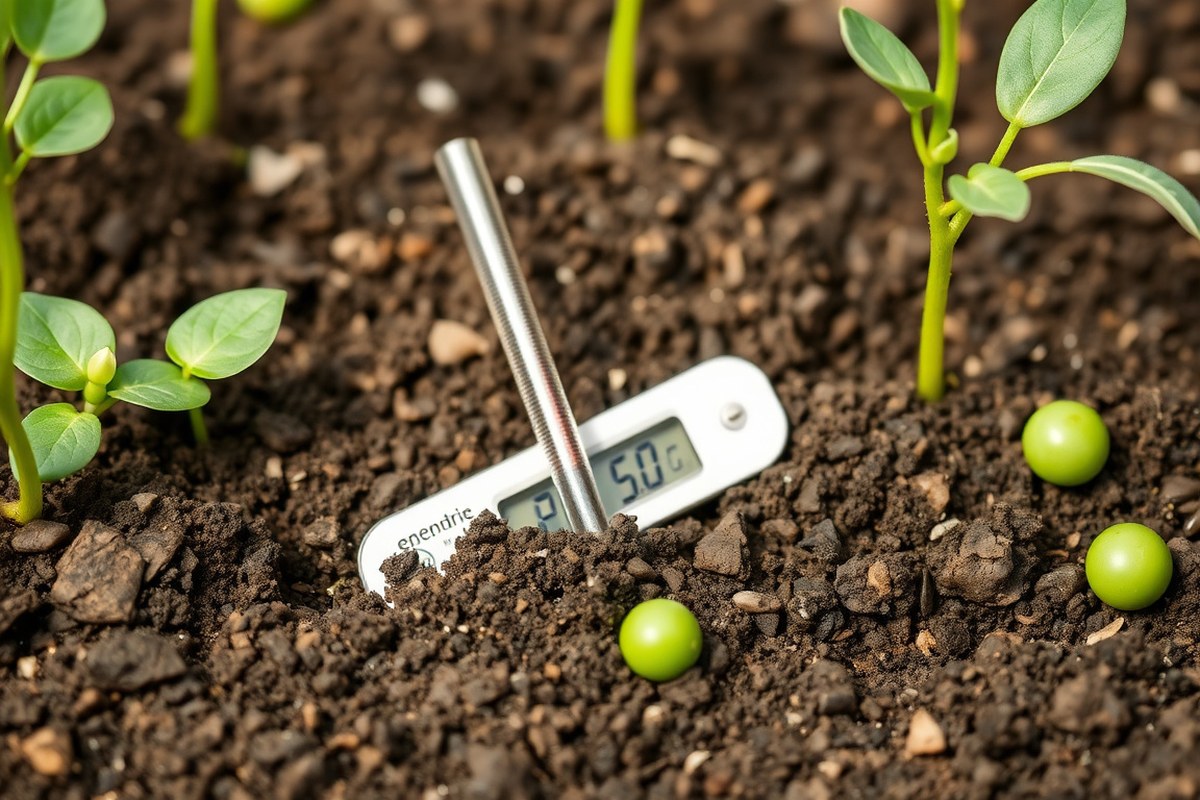
Pea seeds germinate fastest when soil temperatures stay between 65 and 70 degrees Fahrenheit. Cooler soils slow germination down to several weeks.
Very warm soil reduces the germination success rate. Watching soil temperature helps you time planting for quick, reliable sprouts.
Optimal Temperature Range for Rapid Germination
Soil temperatures near 65 to 70 degrees Fahrenheit speed up germination. It takes about 7 to 14 days for peas to sprout. This is the ideal soil temperature range for them.
This range keeps your seeds active without stressing them. Keeping soil evenly moist within this temperature zone helps peas push through the soil efficiently.
Using raised beds or clear plastic covers can help warm the soil in early spring. Check the weather forecast before planting to avoid too cold or hot soil.
Soil temperatures from 55°F to 75°F (13°C to 24°C) work well. But 65°F to 70°F is best.
Effects of Cooler Soil Conditions
When soil temperatures drop to the 40s Fahrenheit (4 to 9 degrees Celsius), germination slows considerably. You can expect peas to take 3 to 4 weeks to sprout at these cooler levels. Lower seed vigor and uneven moisture can extend that time even more.
Soil around 50°F to 55°F supports pea seed germination. This slower process takes about 12 to 21 days. Lower temperatures lengthen the time needed for sprouts to show.
Seeds remain alive but inactive at these temperatures. Moist soil and consistent warmth encourage the seed’s biological clock to tick.
Risks of Excessive Heat for Seeds
Soil temperatures above 75°F (24°C) cause peas to germinate faster but less reliably. The higher heat stresses seeds and lowers the germination rate. Uneven moisture combined with heat slows pea germination.
The process can take up to 28 days in poor conditions. This makes germination less predictable and more frustrating.
Warm soil feels dry quickly and encourages seed rot or failure. Avoid planting peas during heat waves or when soil is over 75°F. Covering soil during midday sun can protect seeds in hotter climates. Here is a table summarizing the impact of various soil conditions on pea seed germination:
| Condition | Typical Germination Period |
|---|---|
| Ideal: 10‑20°C (50‑68°F), evenly moist soil | 7‑14 days |
| Slightly cooler: 8‑10°C (46‑50°F), moist | 12‑21 days |
| Warm and dry: >22°C (72°F), uneven moisture | 14‑28 days |
| Early‑maturing variety, optimal conditions | 5‑7 days |
| Poor seed vigor or aged seed | 14‑28 days |
Checking soil temperature with a probe thermometer before planting can save you time. Adjust planting time or soil warming methods to stay within recommended ranges for better germination.
Keep soil moist but not soaked during germination. Too much water combined with high heat harms seeds.
How Moisture and Watering Practices Affect Pea Sprouting
Pea seeds need soil that stays evenly moist to sprout well. The soil shouldn’t be so dry that it cracks or so wet it pools water. Moisture helps seeds break dormancy and absorb water, which starts germination.
When soil dries out, seeds might stay dormant or sprout unevenly. Overly wet soil can cause roots to rot or cut off oxygen, harming seedlings. A good rule is to water gently enough to keep the soil damp but without puddles.
How often you water depends on your soil and weather. Warmer, sunny conditions dry soil faster than cool or cloudy days. Usually, watering every day or every other day is enough to keep the top inch moist.
- Check soil daily by touching the surface; it should feel damp, not wet.
- After planting, water gently using a watering can or fine spray nozzle.
- Water in the morning to reduce evaporation and give seeds moisture for the day.
- Avoid heavy watering that causes pooling or washes seeds away.
- Consider pre-soaking seeds for 4, 6 hours before planting to speed up germination.
- When soil dries often, cover it with light mulch to keep moisture.
- In stubbornly dry spots, mist the soil surface daily to keep it just damp.
Moderate moisture keeps seeds hydrated without drowning them. Too dry soil slows the process and weakens sprouts, while waterlogged soil kills them. Keeping soil damp but not soaked is the key to timely and healthy pea germination.
Seed Preparation Techniques to Speed Up Pea Germination
Yes, soaking pea seeds before planting can speed up germination. Soak them for 24 to 48 hours. This softens the seed coat.
It helps sprouts break through faster. Cleaning and selecting quality seeds also boost your chances of success.
Soaking Duration and Procedures
Soak peas in plain water for 24 to 48 hours before planting. Avoid soaking longer than 48 hours to prevent seeds from rotting. After soaking, plant the seeds immediately while they are still moist.
Here’s a simple step-by-step soaking method to follow:
- Fill a bowl with enough room-temperature water to cover your seeds.
- Place peas in the water and let them soak for 24 to 48 hours.
- Check the water daily; change it if it gets cloudy or smelly.
- After soaking, drain the water completely to reduce mold risk.
- Plant the seeds as soon as possible after soaking for best results.
Cleaning and Sorting Seeds
Cleaning peas removes dust, debris, and damaged seeds that might slow germination. Washing seeds gently with water is enough. Avoid harsh scrubbing to prevent hurting the seed coat.
Sorting seeds by size and appearance helps pick the healthiest ones. Discard shriveled, cracked, or overly dry seeds. This step raises your chances for faster and more uniform sprouting.
Choosing High-Quality Fresh Seeds
Fresh, high-quality seeds germinate faster and more reliably. Seeds stored beyond a couple of years lose vigor and sprout poorly. Buy pea seeds from trusted sources with a recent packaging date.
Look for seeds that feel firm and are free from cracks or holes. Plant these soon for the best germination speed and success rates in your garden.
Proper Planting Depth and Spacing for Optimal Germination
Plant pea seeds at a depth of 1 to 2 inches to ensure good germination. Shallow planting risks drying out, while too deep slows sprouting or stops it completely. Press the soil lightly over the seeds so they stay moist and can push through easily.
Space the seeds about 1 to 2 inches apart within a row. This close spacing helps seedlings share warmth and moisture but still gives them room to grow. Avoid crowding seeds tightly because it can cause poor airflow and weak sprouts.
Keep rows about 1 to 2 feet apart. Give plants enough room to reach and get air around them. This helps to reduce diseases.
It also makes it easier to take care of the plants. It also helps when you add supports for climbing pea varieties.
Use a ruler or stick to plant seeds exactly 1.5 inches deep and 2 inches apart for best results.
Planting depth affects germination time. If seeds are planted too deep, they may sprout slowly. It can take twice as long as usual.
Normally, sprouts appear between 7 and 30 days. Peas near the 40°F minimum soil temperature take four to five weeks to emerge. So depth matters more in cooler soil.
When soil warms above 50°F, plant at the shallower end (around 1 inch). Plant seeds 2 inches deep in soil near 40°F. This helps keep seeds moist and safe.
Cooler soil needs deeper planting to protect seeds. These small adjustments improve your chances of quick, steady pea growth.
Troubleshooting Common Germination Problems in Peas
Pea seeds often fail to sprout due to soil conditions that are too warm or wet. Soil temperatures above 80°F can cause seeds to rot before they even start growing. Prolonged wetness also invites mold, which can cover seeds with fuzzy gray or white growths.
You can spot problems early by checking the soil and seeds after about ten days. Soft, darkened seeds that don’t push through the soil are usually rotting.
Mold looks powdery or fuzzy and tends to cluster around seeds or on the soil surface. Delayed sprouts beyond two weeks often mean seeds didn’t survive or conditions aren’t right.
When seeds show rot or mold, gently remove the affected soil. Let the soil dry out before planting again to stop fungus growth.
Choose well-draining soil and avoid watering too much to prevent future problems. Replant fresh seeds once the soil temperature settles between 50°F and 70°F. This range is best to encourage steady and healthy sprouting.
After replanting, keep the soil moist but not soggy. Check daily, especially during warm weather. Peas sometimes take 7 to 14 days to sprout.
But if you see no signs by two weeks, consider replacing seeds. New seeds often improve your chance for good germination. They also reduce the risk of mold or seed rot.
Differences in Germination Times Among Pea Varieties
Pea varieties show small differences in sprouting times. Snap peas usually germinate faster than shelling peas.
This happens because shelling peas have thicker seed coats. These coats need more water and time to soften before sprouts break out.
Sugar snap peas resist warmer soil better than other types. That means you can plant them a bit earlier in spring.
Snow peas and garden peas tend to wait longer in cold soils. So, choosing your variety affects when you sow the seeds.
Here’s a quick comparison of common pea types and their germination traits:
| Pea Type | Seed Coat Thickness | Germination Speed | Best Soil Temperature Range (°F) | Suitability for Early Planting |
|---|---|---|---|---|
| Snap Peas | Thin | Fast (7-10 days) | 45-75 | Good (can handle cool soils) |
| Snow Peas | Medium | Medium (8-12 days) | 45-70 | Fair (prefer stable cooltemps) |
| Shelling Peas (Garden Peas) | Thick | Slower (10-14 days) | 45-65 | Poorer (better after soil warms) |
Snap peas work well if you want your garden up early. Seeds sprout reliably in cooler soil down to 45°F. Shelling peas need more warmth and often take a week longer to germinate.
Choosing the right type lets you plan your planting better. For example, sow snap peas as soon as ground thaws. Wait to plant thick-coated shelling peas until soil hits mid-60s °F. That avoids patchy, slow sprouting or seed rot problems.
How to Track and Know When Peas Have Successfully Sprouted
You can spot pea germination by small cracks in the soil. Look for tiny white roots appearing first. These signs show the peas are starting to grow.
Sprouts usually push through the soil surface about 7 to 14 days after planting. Watching for these signs keeps you up to date on progress.
It helps you find problems early. You can then fix issues before they grow.
Emergence Timelines to Expect
Pea seeds planted about 1 inch deep usually sprout in one to two weeks. Keep the soil moist for the best results. This timeframe lets you plan your garden care.
Soil temperatures near 50°F or higher speed up germination. So warmer soil means quicker sprouts. Cooler soil below 40°F delays sprouting and might slow progress for several weeks.
Watch for seedlings breaking the surface between day 7 and day 14. This period can stretch slightly depending on weather and soil moisture. Dry soil slows germination, so consistent moisture helps keep the timetable steady.
Visual Indicators of Successful Sprouting
Early clues include small cracks in the soil where the seed swells and breaks open. Then, a tiny white shoot appears underground, followed by green leaves slowly rising above soil level. These first leaves are narrow and fragile, signaling healthy seed start.
Look for the stem bending gently as the sprout breaks free. Leaves will unfold fully within a few days after the shoot appears above ground. Check soil moisture and temperature if you don’t see growth after 14 days.
These conditions affect pea seed sprouting. Adjust watering or warmth as needed.
Recording Growth for Garden Management
Track progress by creating a germination checklist to log daily observations. Note the planting date, soil temperature, moisture level, and seedling appearance each day.
This routine helps you spot delays or issues quickly. So you can adjust care if needed.
Use a notebook or simple spreadsheet to record:
- Date seeds were planted
- Daily soil temperature readings
- Signs of cracks or root emergence
- Date when sprouts first break soil
- Notes on seedling leaf development
- Any problems like mold or no sprouting
- Watering amounts and frequency
Review your notes after two weeks to see if growth matches expected timelines. Adjust watering or check soil temperature next season based on your records.
Check soil moisture every day; too much or too little water can delay sprouting.
Step-by-Step Action Plan for Getting Your Peas to Sprout Fast
Follow these steps to help your pea seeds germinate quickly and grow strong. Watch carefully to catch signs of success early.
- Before planting: Soak pea seeds in room-temperature water for 6 to 8 hours. This softens the seed coat and helps with germination. Check seeds for swelling or slight sprouting as a sign it worked.
- Day 1: Plant seeds 1 to 1.5 inches deep in loose, well-draining soil at 45 to 70°F. Cover the seeds evenly and water gently but deeply.
- First 3 days: Water the soil once daily to keep it moist but not soggy. Check often and water more if needed. Watch daily for small sprouts pushing through the soil.
- Days 4 to 7: Continue consistent watering and check temperature to stay above 45°F. Look for seed leaves (tiny first leaves) appearing. That means germination succeeded.
- Week 2: Thin seedlings to 2 to 3 inches apart to reduce crowding. Seedlings spaced well grow faster and stronger.
- After 2 weeks: Start feeding gentle fertilizer every 10 to 14 days if growth seems slow. Healthy green leaves show your peas are thriving.
Frequently Asked Questions
How Long Does It Take for Peas to Germinate Under Ideal Conditions?
Peas usually sprout in 7 to 14 days in moist soil. Keep soil temperatures between 50°F and 68°F for best results.
This range helps peas start growing well. Cooler or warmer soil slows germination. So keeping soil in that range helps speed things up.
Can Old Pea Seeds Still Sprout Well?
Seeds older than 1 or 2 years tend to sprout slower and with lower success. Soak a few seeds before planting to test germination.
This shows if your seeds will grow. It’s a simple way to check seed health.
Does Soaking Pea Seeds Affect Germination Time?
Soaking pea seeds for 8 to 12 hours before planting can speed up sprouting. It helps soften the seed coat and jump-starts germination once planted.
How Does Planting Depth Impact Pea Seed Sprouting?
Plant peas about 1 to 2 inches deep for best germination. Too shallow means seeds dry out; too deep slows growth by limiting oxygen.
What Should You Do If Pea Seeds Don’t Sprout After Three Weeks?
Check soil moisture and temperature first; peas like consistently cool and moist soil. Older or poor-quality seeds might also fail, so consider replanting fresh seeds.
Do Different Pea Varieties Germinate at Different Speeds?
Yes, early-type peas often germinate faster, sometimes within 5 days in good conditions. Other varieties might take up to 30 days, so check seed info.
Final Thoughts
Peas usually germinate within 7 to 14 days under good conditions. Watch for firm, green shoots breaking the surface as your signal. Now, prepare to support young plants for a productive harvest soon.