How Do Coconut Trees Reproduce: A Complete Guide with Timelines and Tips
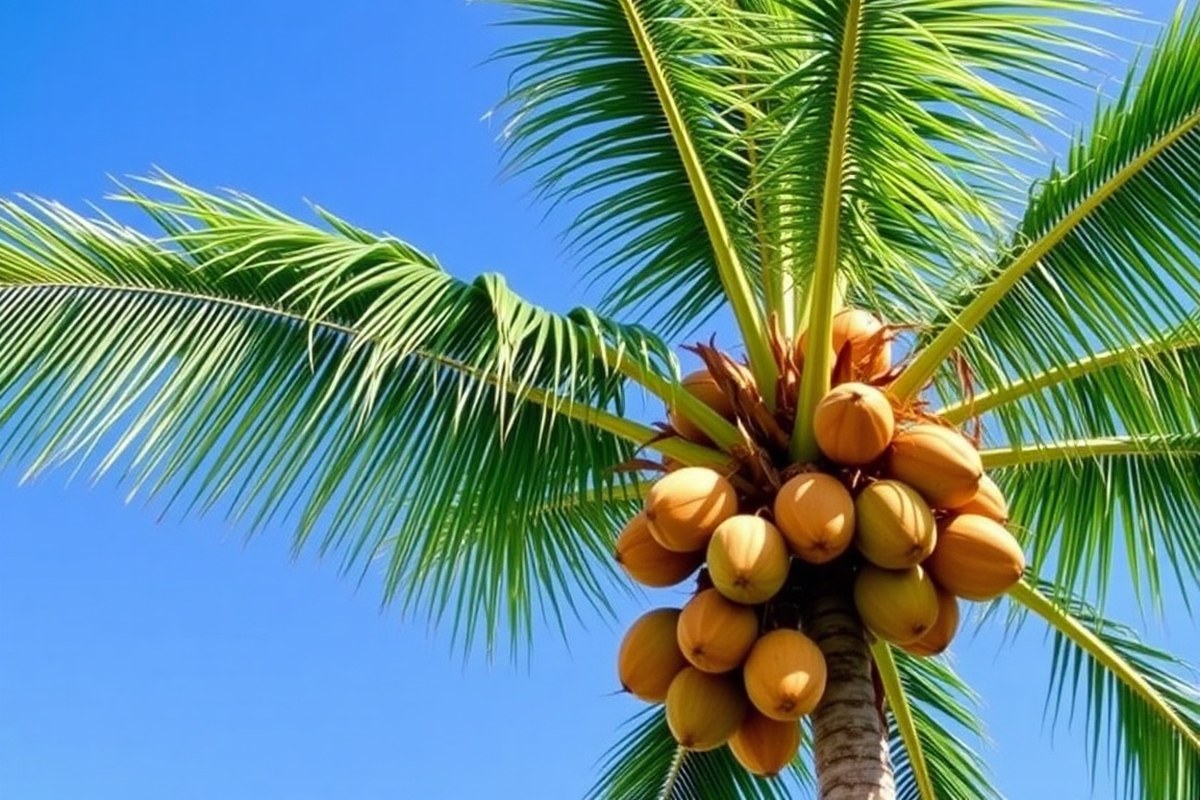
How do coconut trees reproduce? They do so through flowers that develop into fruit. Each tree produces both male and female flowers to complete reproduction naturally.
Pollination allows the female flowers to turn into coconuts over time. The flowers appear on large clusters near the top of the tree.
The male flowers release pollen that pollinates the female flowers via wind or insects. After pollination, coconuts take about 11 to 12 months to mature fully.
You can predict harvest times by watching flowers emerge on the tree. Trees can produce fruit year-round in ideal conditions.
Only a fraction of flowers produce fruit; many coconuts abort early on. Warm, humid weather helps support flower growth and fruit development.
Growing conditions like temperature and moisture impact how well trees reproduce. Nutrient-rich soil also encourages better flower and fruit production.
Key Takeaways
- Coconut trees have both male and female flowers on the same inflorescence.
- Wind and insects are key pollinators for coconut flowers.
- Pollinated female flowers need about one year to produce mature coconuts.
- Flower and fruit development works best in temperatures from 68°F to 90°F.
- Only 30 to 40 percent of flowers become mature coconuts.
- Monitoring flower growth helps plan harvest schedules accurately.
How Coconut Trees Reproduce Naturally
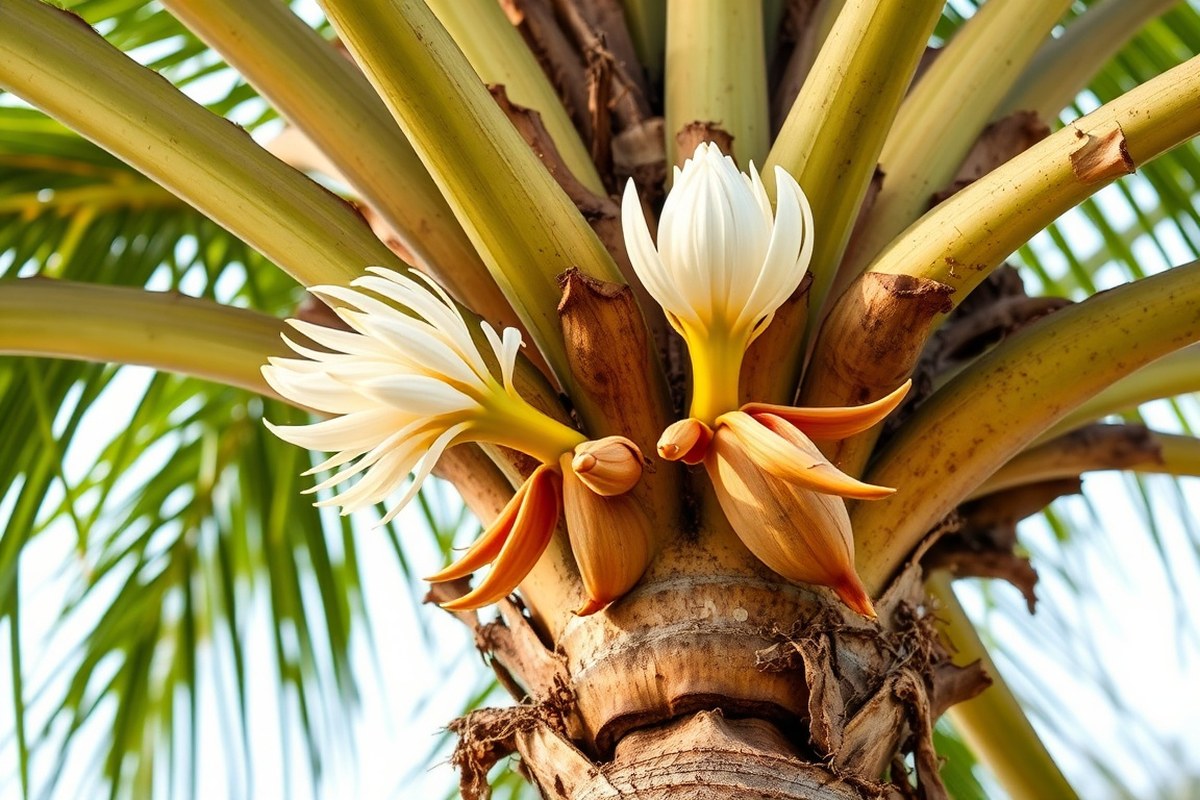
The coconut tree reproduces naturally through flowers that produce pollen and seeds. Unlike many fruit trees, a coconut palm is monoecious. This means it has both male and female flowers.
They grow on the same tree. These flowers are separate but grow together in clusters called inflorescences.
The male flowers are slender and crowded on a long stalk. Female flowers are fewer and sit at the base of that stalk. This setup lets pollen move from male flowers.
It travels easily to the female flowers on the same tree. Pollinators like insects or wind help transfer pollen.
This pollen fertilizes female flowers. It starts coconut fruit development.
Because coconut palms are monoecious, they don’t need another tree nearby to produce fruit. Male flowers mature and release pollen first. Female flowers become receptive later.
This prevents self-pollination and helps cross-pollination. This natural system supports the tree’s reproduction without special care beyond growing conditions.
The Role and Timing of Male and Female Flowers
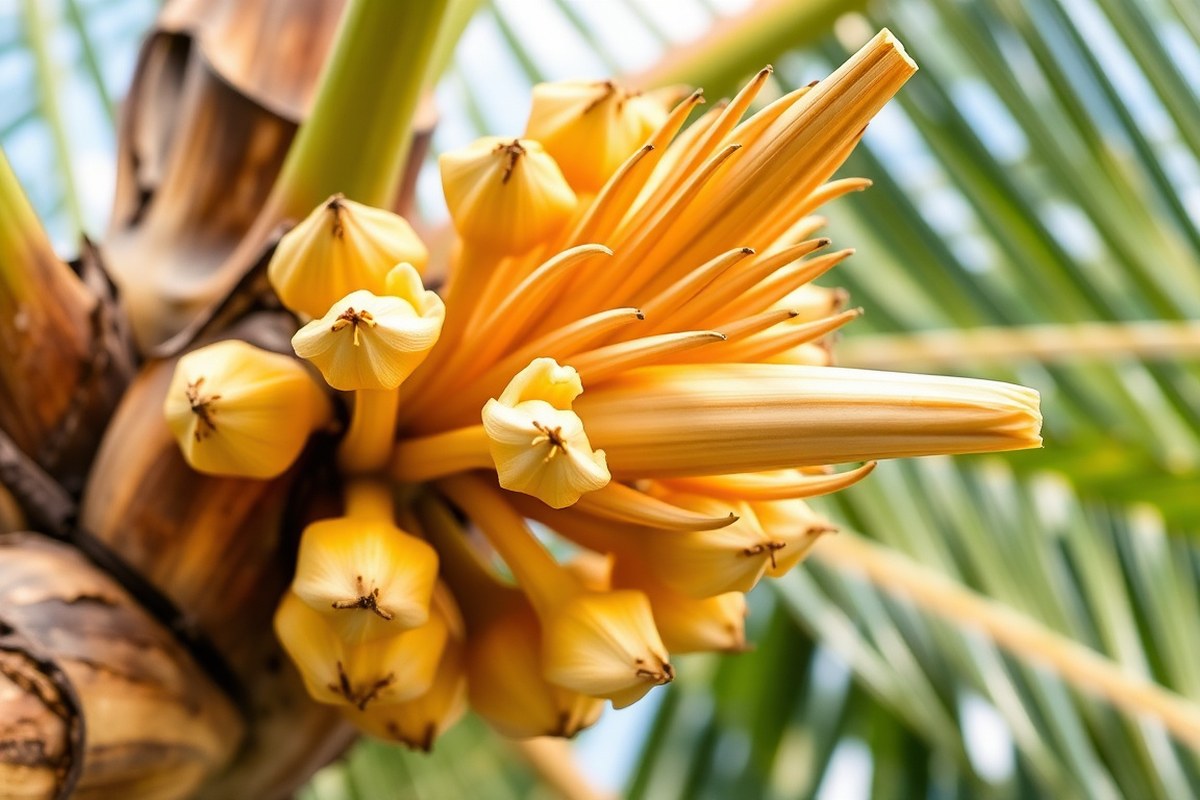
Coconut trees produce both male and female flowers, which open at different times to help cross-pollination. Male flowers bloom first, releasing pollen before female flowers become receptive. This timing is called protandry, and it helps the tree avoid self-pollination.
Male Flower Characteristics
Male flowers appear at the top of each spikelet and open from the top down. They release fresh pollen, which is light and fine, suited for wind or insect transport. This release usually peaks early in the morning.
Humidity is moderate then. This helps pollen stay viable longer.
Male flowers come in seasonal flushes, creating several waves of pollen release over weeks. The pollen must be fresh and abundant to ensure high fruit set.
Male trees too far away means female flowers miss pollen. This lowers coconut yield.
Female Flower Characteristics
Female flowers are fewer and bigger than male flowers. They grow at the base of the spikelet. The spadix holding them is broad.
They remain enclosed by a protective spathe until they start to open and become receptive. This happens about 19 to 20 days after the spathe opens.
Female flowers only accept pollen for a short time. This time is usually one to three days. This applies mostly to tall coconut varieties.
Once fertilized, these flowers begin transforming into young coconuts. This brief timing means pollinators must visit during a narrow period for successful fruit development.
Understanding Protandry in Coconut Flowers
Protandry means the male flowers open and shed pollen before the female flowers become receptive. This separation encourages cross-pollination between different coconut trees. Cross-pollination improves genetic diversity, which makes trees more resilient and adaptable.
Male flowers open early to provide pollen early. This happens before female flowers become receptive. It ensures pollen is ready when needed.
This timing works well with the activity of pollinators like honeybees and the local wind patterns. A mismatch in timing lowers the chances for fertilization and fruit set.
Make sure male and female flowers overlap in timing for better coconut fruit production.
Pollination Methods: Wind and Insects Working Together
Pollination in coconut trees happens mainly through wind, but insects also help. Wind carries pollen from male to female flowers, spreading it over short distances. Insects like bees assist by moving pollen while searching for nectar, boosting pollination efficiency.
Environmental factors strongly influence how well coconut pollination works. Warm temperatures between 80°F and 95°F help flowers produce viable pollen.
Humidity also plays a role, as very dry air reduces pollen survival. Gentle breezes improve pollen spread, but strong winds can damage flowers and reduce success.
| Factor | Effect on Pollination | Notes |
|---|---|---|
| Wind | Main pollen carrier | Works best with mild breezes; strong winds hurt flowers |
| Insects (bees, other pollinators) | Supplement wind pollination | Active near female flowers, improve fruit set |
| Temperature | 80°F to 95°F ideal | Ensures pollen viability and flower receptiveness |
| Humidity | Moderate humidity favors pollen survival | Very dry conditions lower pollination success |
| Proximity of male trees | Close planting boosts pollen availability | Recommended to have male palms within wind range |
If you have poor pollination or few insects, plant male coconut trees nearby. This helps wind deliver more pollen to female trees.
Encourage insect activity by adding flowering plants close to your palms. This attracts bees that can increase fruit set.
Pollination problems show as many flowers dropping before fruit forms. Small or misshapen coconuts also signal trouble.
You might want to try hand pollination in dry or windy areas to improve fruit production. Monitor wind and insect activity during flowering to decide if extra help is needed.
Timeline from Flowering to Fruit Maturity
Coconut trees begin developing their inflorescence about three years before harvest. The inflorescence tip first appears in the leaf axil. From that point, the spathe takes 75 to 95 days to open.
It opens fully and releases the flowers for pollination. The flowers then become available for pollinating insects or wind.
Flowering marks the start of the fruit development cycle. After fertilization, coconuts take about 11 to 12 months to mature. Harvest usually happens 9 to 11 months after the tree flowers.
This ensures the coconuts are fully developed. It also keeps them from becoming overripe or spoiled.
Healthy coconut palms produce 12 to 15 inflorescences yearly. This steady production lets one tree hold fruit at many stages. You can see new flowers and mature nuts together.
That means some nuts are ready for harvesting while others grow. Some coconut varieties begin fruiting as early as 3 years old. Still, full production often takes 6 to 10 years.
| Stage | Timeframe | Description |
|---|---|---|
| Inflorescence primordium initiation | ~3 years before harvest | Inflorescence begins forming at the leaf axil |
| Spathe opening | 75, 95 days after inflorescence appears | Flower clusters are exposed for pollination |
| Flowering and pollination | Ongoing over days after spathe opens | Male and female flowers release and receive pollen |
| Fertilization to fruit maturity | 9, 12 months | Fruit develops fully, ready for harvest when brown |
| Tree fruit-bearing age | 3, 10 years | Starts fruit production, peak usually later |
The long development timeline matters for managing coconut groves. Farmers track inflorescence emergence to predict harvest dates well ahead. Since trees carry several fruit stages simultaneously, picking can happen twice yearly or more.
Observing the spathe helps time pollination and treatment of any infections to improve fruit set. Collecting coconuts too early can mean immature seeds.
Waiting too long risks rot or drop. A calendar based on flowering and fruit age ensures better yields and seed quality.
Fertilization, Ovule Development, and Seed Formation
After pollination, fertilization happens inside the female coconut flower. The pollen grain grows a tube that travels to the ovule.
This tube carries sperm cells to the ovule’s egg cell. It helps the cells fuse and starts the seed’s growth.
The ovule is basically a tiny seed within the flower. Once fertilized, it begins to swell and develop into a full seed. This seed will become the coconut inside the fruit’s hard shell, maturing over several months.
Most of the coconut seed is made up of the endosperm. This thick white substance, which you eat, stores nutrients that help the seed germinate. It acts as a food supply for the embryo while it grows and prepares to sprout.
Inside the mature coconut, the embryo forms as a soft, spongy mass. When the seed starts to sprout, this structure produces the first leaves. The embryo and the nourishing endosperm ensure the seedling has the energy to grow.
The coconut seed takes time to germinate. Often, it requires up to four months before you see a shoot. This slow start lets the endosperm provide steady nutrients, supporting the seedling’s early growth.
Make sure to handle fertilized flowers gently. Damage can stop seed development and reduce fruit yield.
Germination Process and Early Seedling Growth
Coconut germination starts inside the whole fruit, which acts as the seed. It usually takes three to six months for a coconut seed to germinate. The seedling uses the coconut’s stored nutrients to grow into a juvenile palm.
Preparing the Coconut for Germination
Select mature coconuts that have fallen naturally or ripened on the tree. Avoid ones that are too green or have dried out to improve germination chances. The fruit’s husk should be intact to protect the seed during early growth.
Before starting germination, soak the coconut in water for up to two days. This softens the husk and jumpstarts the seed’s development. After soaking, put the coconut on a shaded surface.
Keep it moist there. This prevents the coconut from drying out during the process.
Optimal Soil and Water Conditions
Use well-draining soil with good aeration to avoid waterlogging, which damages roots. Coconut trees don’t tolerate salty soil, so ensure the site’s salinity is low. Maintaining consistent moisture helps the seedling grow without letting the soil become soggy.
Keep the germinating seed in a warm area with temperatures around 80°F. Avoid direct, harsh sunlight at first. Filtered light supports steady seedling growth. Regularly check soil moisture but do not overwater to prevent root rot.
Stages of Seedling Emergence
The seedling grows from the coconut’s interior using a specialized structure, the haustorium. This part absorbs the coconut water and nutrients stored inside to fuel new growth. The shoot then pushes out from one of the coconut’s three “eyes” or germination pores.
Once the shoot appears, it develops roots that anchor the seedling into the soil. Leaves begin to form as the young palm starts photosynthesizing. The seedling stage lasts several months before the tree moves into juvenile vegetative growth.
Follow these steps to start coconut seed germination:
- Select mature, whole coconuts with intact husks.
- Soak the coconuts in fresh water for 1 to 2 days.
- Place soaked coconuts on moist, shaded soil or sand.
- Maintain soil moisture without waterlogging the area.
- Keep the temperature steady between 75°F and 85°F to speed growth.
- Watch for sprout emergence from one of the eyes after 3 to 6 months.
- Allow roots to develop and leaves to form before transplanting young palms.
Environmental Factors Affecting Reproduction and Fruit Set
Coconut trees reproduce best when temperatures stay between 80°F and 95°F. Lower temperatures can delay flowering and fruit setting. High heat over 100°F might stress trees, reducing pollination success.
Humidity also plays a role. Moderate to high humidity helps keep flowers fresh and supports pollen viability.
Very dry air can cause premature flower drop or poor fruit set. Aim for 60% to 80% humidity if you control the environment.
Spacing between coconut palms influences how well they reproduce. Crowded trees shade each other and lower airflow.
This creates a moist, hot microclimate that encourages diseases and reduces pollination. Plant trees about 25 to 30 feet apart to allow space for sunlight and wind.
- Provide full sun, avoiding shaded spots for best flowering.
- Maintain soil moisture but avoid waterlogging to protect roots.
- Keep humidity steady with mulching or nearby water features if dry.
- Trim lower fronds to improve air circulation around flowers.
- Space new trees at least 25 feet apart to reduce competition.
- Monitor temperature spikes and provide shade netting when needed.
- Remove weeds competing for soil nutrients near the palms.
Weather changes impact coconut reproduction because they affect flower timing and pollen spread. A sudden dry spell might speed up flower shedding and reduce fruit yield. Regular watering and mulching can help keep flowering steady during dry months.
Planting in coastal or tropical areas usually provides the right conditions naturally. Growing coconut trees inland or in drier spots may need more humidity. Using misting systems helps palms stay humid.
Grouping palms near water also works. These methods aid flower growth and fruit set.
Maximizing Coconut Reproduction: Harvesting and Seed Viability Tips
Harvest coconuts for planting when they are mature but still fresh. Proper timing preserves seed viability and increases your germination success. Store harvested nuts carefully to keep them viable until planting time.
Ideal Harvest Timing for Seed Viability
Harvest coconuts when the husk is brown and dry but the nut still feels heavy. This indicates the seed inside is mature and viable for planting. Immature green coconuts usually won’t germinate well.
The best time to harvest seeds is the dry season. It helps protect the nut’s moisture inside. This keeps the seeds healthy longer.
Avoid picking coconuts that have fallen naturally because pests or mold may have damaged them. Remove them from the tree just before the husk hardens fully to ensure freshness.
For example, on tall coconut varieties, wait for about 12 months from flowering before harvest. Dwarf varieties mature faster and can be picked around 9 to 10 months after flowering. Tracking the flowering date can help you plan harvest more precisely.
Proper Coconut Storage Conditions
Store harvested coconuts in a cool, shaded, and well-ventilated place. Keeping them out of direct sunlight prevents drying out or heat damage that reduces seed viability. Avoid plastic bags or sealed containers that trap moisture and cause mold.
Keep coconuts on a raised platform or rack to avoid ground moisture and pests. Rotate the nuts every few days to prevent mold forming on one side. Aim to plant seeds within three weeks after harvest for best results.
Store coconuts longer than three weeks by wrapping them in a moist sack. Covering with damp leaves also works well.
This helps maintain the husk’s moisture content and improves germination rates. High humidity around 70% and temperatures near 70°F (21°C) are ideal.
Common Germination Mistakes to Avoid
Don’t store coconuts too long before planting, as seed viability drops quickly after three weeks. Extended storage leads to drying of the embryo, causing poor germination. Plan your planting schedule and harvest accordingly.
Avoid damaging the husk or the seed coat when handling coconuts. Cracks or punctures expose the seed to infections and reduce germination chances. Use gentle tools and careful handling during preparation.
Never plant coconuts directly in dry soil or without pre-soaking; dry conditions prevent sprouting. Instead, soak coconuts in water for 2 to 3 days before planting. This softens the husk and kick-starts germination.
Check coconuts for cracks and mold before planting, damaged seeds rarely sprout well.
Step-by-Step Action Plan to Boost Your Coconut Tree Yield
Follow these clear steps to support your coconut trees through their reproduction stages. Watch for signs that each step is working before moving on.
- Before flowering: Choose healthy, disease-free coconut seedlings for planting. You’ll know you picked right if the leaves look strong and the trunk is firm.
- During flowering: Check for the presence of both male and female flowers on your trees. This mix is essential for pollination and proper fruit set.
- Pollination time: Encourage natural pollinators like bees by planting flowers nearby. You’ll see more bee activity on coconut flowers if this works.
- Fruit development phase: Remove any damaged or unhealthy nuts early. Healthy nuts should grow steadily and look free of spots or shriveling.
- Pre-harvest timing: Monitor nuts for size and color changes indicating maturity. They turn brown and fall off easily when ready.
- Seed harvest and germination: Pick mature coconuts from the tree or ground. Plant them in soil that drains well. This helps the seed start growing. Healthy seed germination shows the sprout emerging within 3 to 4 months.
- Post-germination care: Water seedlings regularly but avoid waterlogging. Watch for firm, green leaves, which means the seedling is thriving.
Frequently Asked Questions
How Do Coconut Trees Produce Both Male and Female Flowers on the Same Plant?
Coconut trees are monoecious, meaning they bear both male and female flowers. Male flowers produce pollen, and female flowers develop into coconuts after fertilization. This setup helps ensure successful reproduction without needing separate plants.
Why Do Most Coconut Fruits Abort Before Reaching Full Maturity?
About 60 to 70 percent of coconut fruits abort within three months due to resource limits. Trees prioritize a few fruits by dropping others early to focus nutrients on developing healthy coconuts.
How Tall Can Coconut Trees Grow During Their Lifetime?
Tall coconut trees often reach up to 100 feet. Their height helps spread pollen over a larger area, aiding cross-pollination by wind and insects.
What Climate Conditions Best Support Coconut Tree Reproduction?
Coconut trees thrive in warm, humid climates with 20°C to 32°C temperatures. Staying in this range encourages healthy flowering, pollination, and fruit development.
How Long Does It Take for a Coconut to Mature from Pollination?
After pollination, coconut fruits take about 12 months to mature fully. This slow growth ensures the seed inside is ready for germination.
Can Coconut Trees Live Long Enough to Produce Fruit for Many Years?
Yes, coconut trees can live 60 to 80 years in ideal conditions. Their long lifespan means they produce coconuts for decades.
Before You Go
Coconut trees rely on timed flowering and good pollination to reproduce well. You can grow better coconuts by helping each stage along. Start by checking your trees’ flowers today and supporting pollinators nearby.