What Do Worms Do? A Complete Guide to Their Vital Soil Role
What do worms do in soil? They break down dead plants and recycle nutrients.
Worms tunnel through dirt, improving air and water flow for roots. This helps plants grow stronger and makes soil healthier over time.
Worms also make castings, which act like natural fertilizer for your garden. Their burrows create spaces that drain water efficiently, preventing puddles and root rot. You can spot worms by seeing small piles of soil on lawns called casts.
A healthy garden needs worms working below. Start by avoiding harmful pesticides and keeping soil moist but not soaked. These steps help keep your soil full of worm activity for better plants.
Key Takeaways
- Worms break down dead organic matter into nutrients plants use.
- Their tunnels improve soil drainage and air circulation for roots.
- Worm castings enrich soil with valuable, natural fertilizer.
- Reducing pesticide use protects earthworms and supports soil health.
- Keeping soil moist attracts more worms and boosts their activity.
- About 500,000 worms per acre can create a drainage system like pipes.
What Do Worms Do in Soil and Nature?
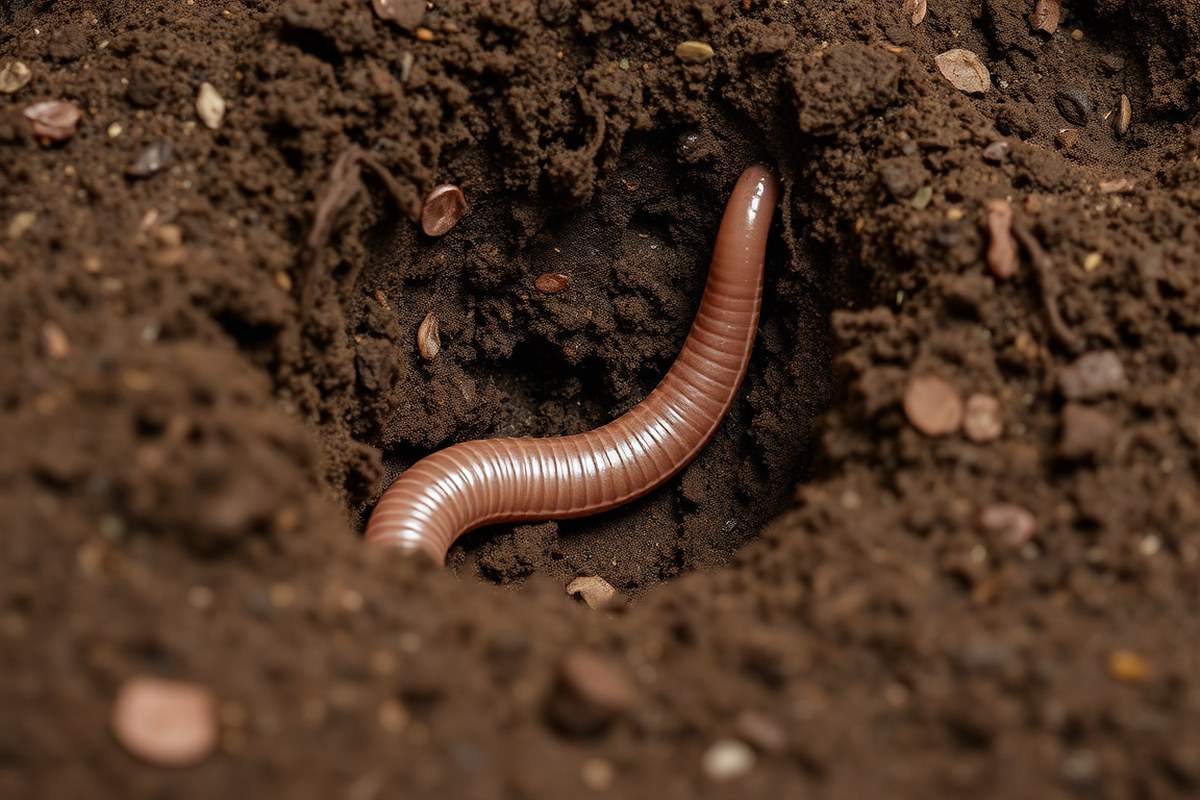
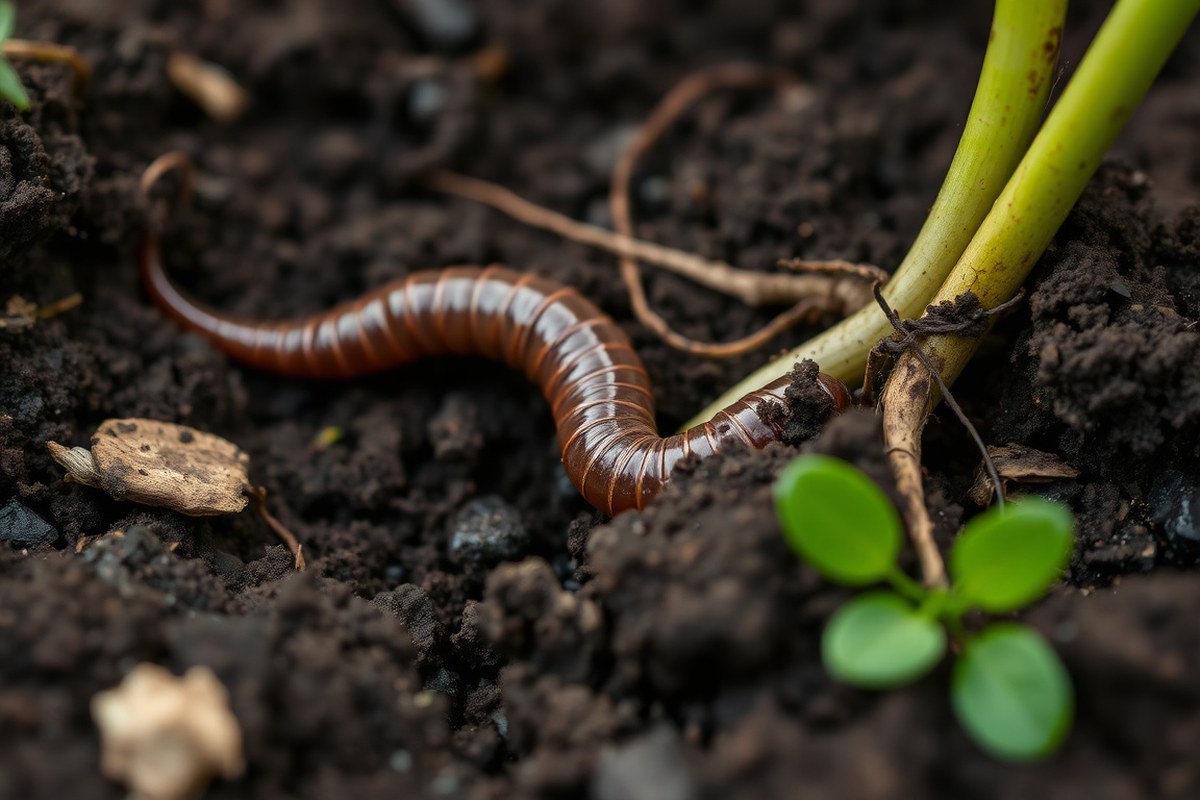
Worms spend most of their time burrowing through soil, breaking it up as they go. This tunneling creates tiny channels that let water and air reach plant roots. For example, 500,000 worms in an acre can form drainage like 2,000 feet of six-inch pipe.
As worms move, they pull in dead leaves and other organic debris. They digest this material, turning it into nutrient-rich bits that enrich the soil. This recycling of nutrients supports other plants and soil life, keeping the ecosystem balanced.
Worms also influence soil texture. Their movement mixes soil layers and adds worm casts, which help clump soil particles together. This natural action helps soil structure.
It makes roots grow easier. It also helps soil hold moisture better.
The holes worms make let oxygen enter and carbon dioxide escape. These gas exchanges are essential for healthy roots and soil microbes. Without this, soil can become compacted and suffocate plants, reducing growth and yield.
Worms help beyond the garden too. They provide food for birds and small mammals. Their role supports the bigger ecosystem.
Their presence indicates a thriving soil environment, which is important for healthy landscapes and natural spaces. When soil dries out or freezes, worms move deeper or go dormant. So moisture levels partly control their activity.
How Worms Improve Soil Health and Plant Growth
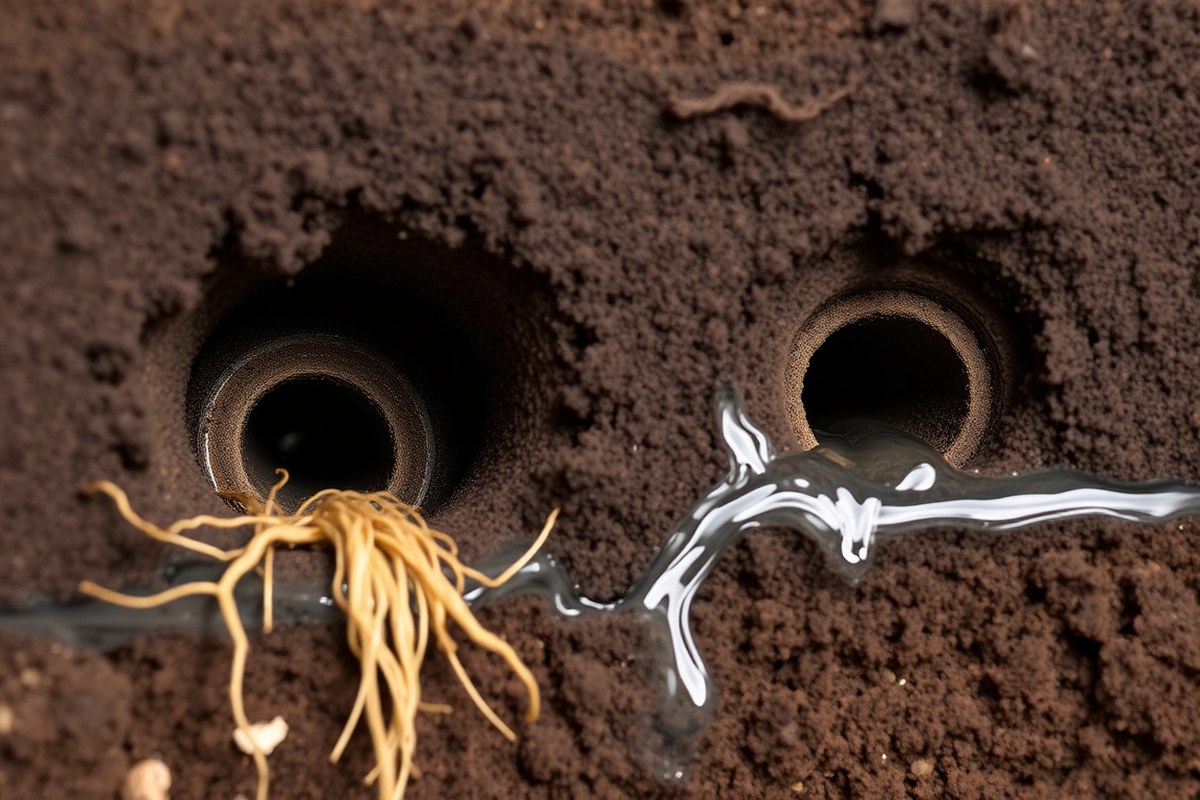
Worms make small tunnels as they move through the soil. These tunnels let air and water seep deeper into the ground.
More oxygen in the soil helps plant roots breathe and grow stronger. The tunnels also improve drainage, so water doesn’t pool and drown plants.
While eating, worms mix organic material into the soil. This breaks down dead leaves and roots, freeing nutrients like nitrogen and phosphorus. These nutrients are essential for plants to build leaves and flowers.
Worms carry nutrients from deep soil layers up to the surface. Plants can access these nutrients more easily near the topsoil. This helps the plants grow better.
Worms’ digestion creates worm castings, which are packed with nutrients and microbes. When these castings mix with soil, they improve water retention and soil structure.
This means plants get steady moisture and a rich environment for roots to spread out. Well-hydrated and nutrient-rich soil helps plants grow bigger and produce more fruit or flowers.
Don’t compact soil around plants; it blocks worm tunnels and harms their work. Keep soil loose and moist for the healthiest worm activity.
What Are Worm Casts and Why Are They Important?
Worm casts are little piles of soil that earthworms excrete after eating. They are made of digested organic matter, microorganisms, and minerals. This material is different from regular soil because it’s richer in nutrients and biological activity.
The reason casts are nutrient-rich is that worms break down organic matter inside their bodies. This digestion releases nutrients like nitrogen and phosphorus in forms plants can absorb. Worm casts can contain up to five times more nitrogen than soil.
They also have seven times more phosphorus than the surrounding soil. This boosts soil fertility and helps plants grow stronger.
Besides nutrients, casts contain more helpful bacteria and fungi. These microbes help break down organic matter further and support healthy soil life. Worm activity mixes organic matter evenly through the soil, improving fertility and structure.
- Worms consume organic matter like fallen leaves and soil particles
- Their digestion processes release usable plant nutrients
- They excrete nutrient-rich castings rich in nitrogen and phosphorus
- Casts contain up to 1000 times more beneficial bacteria than soil
- This rich mixture improves soil texture and water retention
- Gardeners find worm casts helpful for boosting plant growth
You can spot worm casts as small, moist piles on the soil surface. They often appear during cooler months from autumn to spring. Leaving these casts in your garden helps keep soil fertile without extra fertilizer.
Worm casts also aerate soil, allowing roots and microbes to work better. You don’t need special tools to encourage casts.
Healthy organic matter and soil moisture are key. Avoid disturbing these piles to let worms continue enriching your garden naturally.
How Worms Eat, Digest, and Process Organic Matter
Worms eat dead leaves, decaying plants, and other organic matter found in soil. They also eat soil while they burrow. Inside the soil, they digest tiny bits of organic material.
This helps them get food as they move. This diet breaks down waste and turns it into nutrients that plants can use.
Inside a worm’s gut, organic matter mixes with mineral soil and digestive enzymes. The gut contains helpful microbes that break down tough materials, speeding decomposition. The process turns waste into a soft, nutrient-rich substance that worms excrete as castings.
A single worm can eat its own weight each day. It eats both soil and organic matter. This helps break down soil in your garden.
This adds up to significant recycling. In fertile pastures, worms process 2 to 20 tons of organic waste per hectare yearly. Their steady work helps keep soil full of nutrients and healthy bacteria.
Worms prefer moist soil with plenty of organic material to survive and thrive. Without enough food or moisture, they slow down or move away. Keep a layer of mulch or compost on your garden soil.
This feeds the worms all the time. It helps keep your soil healthy.
Worms move organic matter down into deeper soil layers while digesting it. Their burrowing helps mix the soil and improves air and water flow. Worms mix nutrients evenly through the soil as they move.
This helps plants grow strong roots. Even nutrient spread means better soil health.
Worm composting, or vermicomposting, uses worms to turn kitchen scraps and yard waste into rich fertilizer. Feed worms scraps like fruit peels and coffee grounds. It helps recycle waste faster.
Your soil gets a powerful nutrient boost this way. Keep the compost moist and airy so worms stay healthy and active.
Different Types of Worms and Their Roles in the Ecosystem
There are thousands of worm species worldwide. But a few stand out in gardens and compost bins. Each species has special traits that shape its role in soil and organic matter breakdown.
Some worms build tunnels deep in soil. Others work best breaking down food scraps above ground.
Common Earthworms
The common earthworm, Lumbricus terrestris, is found in many gardens. It grows up to 14 inches long and makes deep vertical burrows to aerate soil. These burrows help water soak in and plant roots get oxygen.
Earthworms like these improve soil by mixing in organic material and creating channels. Their presence can increase pasture productivity by 25% to 30%, according to research. You’ll often spot their rounded castings on garden soil surface.
Composting Worm Species
For composting, Eisenia fetida, known as red wigglers, is the best choice. They are smaller than earthworms.
They grow about 3 to 4 inches long. They prefer rich organic matter over deep soil.
Red wigglers eat quickly and produce nutrient-dense worm castings, making them ideal for worm bins. You can buy them from worm growers to start your compost system successfully. Brandling worms, a pinkish-red type, also thrive in compost piles but are smaller and less common.
| Worm Type | Size | Habitat | Role |
|---|---|---|---|
| Lumbricus terrestris | Up to 14 in (35 cm) | Deep soil | Aerates soil, improves water infiltration |
| Eisenia fetida (Red Wiggler) | 3 to 4 in (7.5 to 10 cm) | Rich organic matter, compost bins | Breaks down food scraps, produces nutrient-rich castings |
| Brandling Worm | Smaller than common earthworms | Compost piles | Helps decompose organic waste |
| Gippsland Earthworm | Up to 10 ft (3 m) | Australian soil | Large soil burrows, rare species |
| Ice Worm | Varies, generally small | Glaciers and freezing environments | Survives in extreme cold |
Choosing the right worm depends on your goal. Earthworms are great for improving garden soil’s physical structure. Red wigglers are best if you want quick composting and nutrient-rich castings for plants.
Unique or Large Worms
Some worms grow exceptionally large, like the Gippsland earthworm from Australia. It can reach 10 feet long and creates deep, wide tunnels in soil. These tunnels help with drainage but this species isn’t common in gardens.
Ice worms survive freezing temperatures inside glaciers, an unusual trait compared to most worms. While fascinating, they don’t have a role in everyday gardening or composting. Their extreme habitat shows the wide diversity among worms worldwide.
Add at least 1 pound of worms per square foot. Use worms in your bin or garden. This helps healthy soil activity start.
How Worms Reproduce and What Affects Their Lifespan
Worms reproduce by exchanging sperm with each other since they are hermaphrodites. Their eggs develop in tiny capsules that hatch after about a month or more. A worm’s lifespan varies, often lasting up to 10 years if conditions are just right.
Hermaphroditic Reproduction Explained
Every worm has both sexes, so they can mate with any other worm. They pair up head to head and swap sperm together. This can go on for hours, so each stores sperm to fertilize eggs later.
After mating, the worm forms a mucous ring that slides forward to collect eggs and sperm. Fertilization happens inside this ring, which becomes the egg capsule. This capsule is where the baby worms develop safely until ready to hatch.
Egg Capsule Development Timeline
The egg capsules are tiny, about the size of a match head, and golden-brown in color. Each capsule usually holds two to seven baby worms, with three as the most common number. They take between 30 to 75 days to hatch, depending on environmental conditions.
After hatching, baby worms quickly grow by eating organic matter in the soil or compost. It can take months for them to reach maturity and reproduce themselves. Keeping the environment stable helps support healthy growth through these stages.
Environmental Factors for Breeding
Temperature plays a big role in worm reproduction. Eisenia fetida worms, common for composting, breed best between 59 and 77 degrees Fahrenheit. Outside this range, worms become less active or stop breeding entirely.
Worms also need moisture to stay healthy and reproduce. The soil or bedding should be damp but not soaked, roughly like a wrung-out sponge. Too dry or too wet conditions can slow down breeding or cause stress on the worms.
Good airflow and avoiding harsh chemicals in the worm bin or garden soil are important. These factors help keep worms active and ready to reproduce over their lifespan. Proper conditions encourage a thriving worm population to improve your soil naturally.
Surprising Abilities and Biological Features of Worms
Worms breathe through their skin because they have no lungs. Their skin must stay wet to take in oxygen from the air. Hot weather or dry soil can make it hard for worms to breathe.
Some worms can regenerate lost body parts. A worm’s head end can sometimes regrow missing body parts. This happens when the worm is cut.
The tail end usually doesn’t survive. This ability helps worms recover from injuries caused by soil disturbances or predators.
Worms’ bodies are built to survive underground. Worms have a tube inside another tube. The outer tube is muscle.
The inner one is the digestive system. This shape helps them squeeze through soil and process organic matter efficiently.
- Skin respiration requires constant moisture to absorb oxygen
- Regeneration can restore lost body parts, mainly from the head end
- The body has a muscular outer wall for movement through soil
- The digestive tract runs inside the body, starting at the mouth
- Worms consume and excrete soil and organic matter daily
- They secrete mucus to keep skin moist and protect from drying
- Movement relies on tiny bristles called setae for gripping soil
Worms move using muscles that squeeze and stretch their bodies. Tiny bristles on their segments help them grip the soil while inching forward. Worms produce mucus that keeps their skin wet and smooth.
This helps them move more easily. Mucus also stops their skin from getting damaged.
These biological features let worms live in different soils and climates. Moisture is the trickiest to keep up, especially if the topsoil dries out in summer. Keeping your garden soil healthy and moist will help worms breathe, move, and survive better.
How to Encourage and Protect Worms in Your Garden
Keeping worms happy in your garden starts with good soil care. Moisture, temperature, and feeding them right help worms thrive. Avoiding harmful chemicals protects them and your plants.
Ideal Soil Moisture and Temperature
Worms prefer soil that feels like a wrung-out sponge. It should be moist but not soggy because too much water reduces oxygen. When the soil is dry, worms go deeper or become inactive.
They do best in temperatures between 55 and 77°F. Hotter than 85°F stresses worms. Freezing stops their activity. Water your garden regularly to keep soil moist during dry spells.
Check soil by pressing your finger about 2 inches deep. When soil crumbles or feels dry, add water slowly. Avoid flooding or letting puddles form.
Organic Matter and Mulching Tips
Feed worms kitchen scraps, leaves, and other natural materials. They digest most organic matter except salty, oily, or ammonia-rich waste. Adding mulch keeps soil moist and offers worm food.
Spread 2 to 4 inches of shredded leaves, straw, or grass clippings over soil. Mulching reduces evaporation, moderates soil temperature, and provides shelter for worms.
- Use vegetable peelings, fruit scraps, and coffee grounds
- Avoid meat, dairy, and oily foods which attract pests
- Add a thin layer of compost often to feed worms continuously
- Keep mulch a few inches away from plant stems to prevent rot
- Turn soil gently every month to mix in organic matter
Feed worms regularly but avoid too much fresh material at once. It can heat up or smell bad, driving worms away.
Avoiding Chemicals Harmful to Worms
Many common pesticides, herbicides, and fertilizers harm worms directly or degrade their habitat. Synthetic chemicals can kill worms or reduce their numbers over time.
Use natural pest controls like handpicking bugs or companion planting. Compost tea or organic fertilizers nourish both plants and worms. Avoid salty or ammonia-based fertilizers that disrupt worm health.
Read product labels carefully for warnings about earthworms or soil life before application. Apply chemicals only far from worm-rich areas when needed.
Don’t till or disturb soil when worms are active near the surface. It harms their tunnels.
Signs of a Healthy Worm Population
Good worm activity appears as loose, crumbly soil that’s dark and smells earthy. You may spot worm tunnels or casts on the soil surface after rain or watering.
Pull back mulch or dig a few spots about 6 inches deep. Seeing 5 or more worms per handful of soil is a healthy sign. Sparse worms or compacted soil suggests poor conditions or chemical damage.
Soil with many worms holds moisture better and supports richer plant growth. You’ll notice your garden plants looking stronger and the soil is easier to work with.
Step-by-Step Action Plan to Boost Worm Activity in Your Garden
Follow these simple steps to help worms thrive and improve your soil. Watching for changes will show your progress.
- Before you start: Clear garden debris but leave some leaf litter. This gives worms food and shelter.
- Day 1: Add organic mulch like shredded leaves or straw. It keeps soil moist and boosts worm activity.
- Week 1: Water your garden deeply but avoid flooding. Check if soil feels damp, not soggy.
- Week 2: Start a small compost pile or bin near your garden. Worms will migrate if they find fresh food.
- Month 1: Avoid pesticides and chemical fertilizers. Healthier soil encourages more worms to stay.
- Month 2: Turn the top inch of soil gently to let air in. This helps worms breathe without disturbing them too much.
- Ongoing: Keep adding organic matter regularly. Watch for increased worm tunnels and castings as signs of success.
Frequently Asked Questions
How Do Worms Help with Soil Drainage?
Worms create tunnels that act like natural drainage pipes. These tunnels let water flow through soil and prevent flooding in your garden. About 500,000 worms can build drains as long as 2,000 feet per acre.
Can Gardening Worms Regenerate Body Parts?
Yes, some earthworms can regrow parts like their tail. This helps them survive after being injured by digging or predators. The skin where they regenerate also helps them breathe.
What Is Vermiculture and Why Is It Useful?
Vermiculture means breeding worms to recycle waste or improve soil. You can start vermiculture at home for composting food scraps. It helps reduce trash and feeds plants naturally.
Are Worms Part of the Food Chain in a Garden?
Worms are food for animals like birds, frogs, and hedgehogs. They support animals higher in the food chain that keep your garden balanced. Protecting worms helps local wildlife survive.
What Do the Bristles on Worms Do?
Tiny bristles called setae let worms grip soil and move around. These bristles help them navigate underground tunnels smoothly. Without them, worms couldn’t burrow or feed properly.
How Many Types of Worms Live in Gardens?
There are many worm species, such as about 26 in the UK. Different worms do different jobs like casting or burrowing. Knowing which worms you have helps improve garden soil.
Before You Go
Worms play a key role in keeping your soil rich and plants healthy. Adding organic matter invites more worms to help naturally. Start with mulch today to see the difference worms can make.