How Can I Aerate My Lawn: Complete Guide with Tools, Timing & Tips
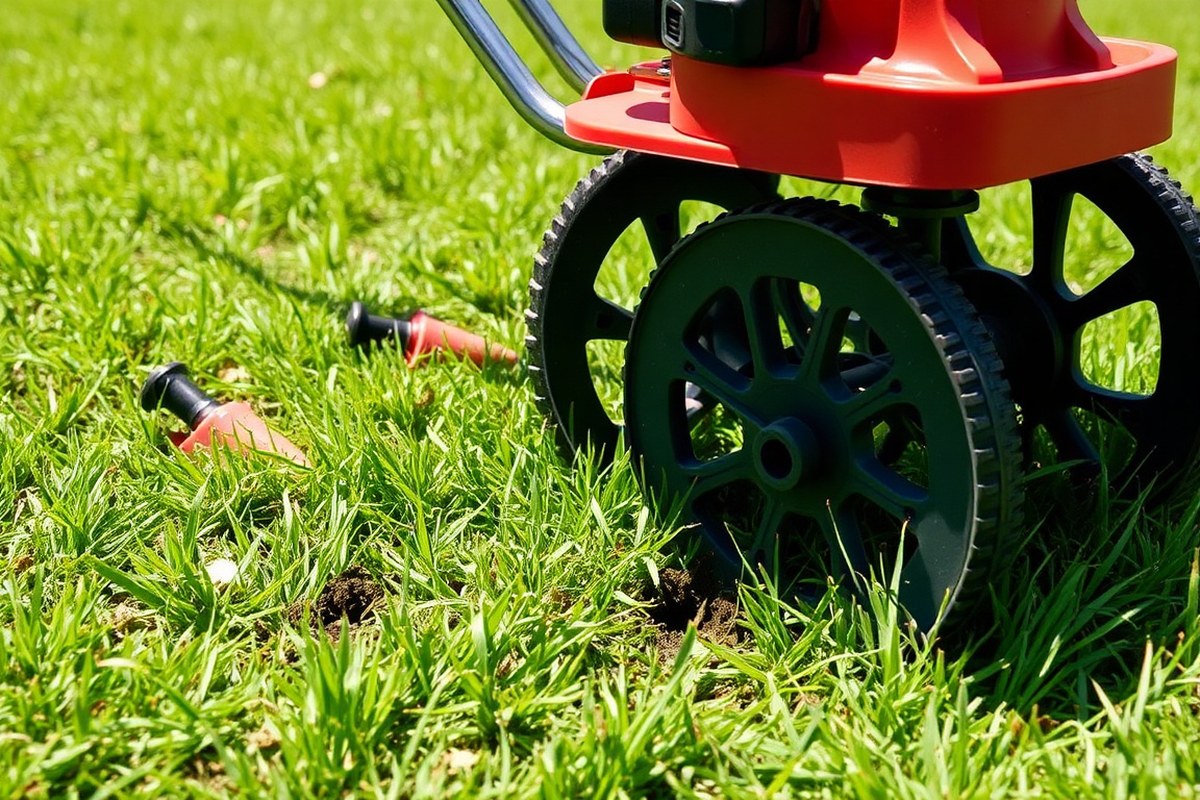
How can I aerate my lawn to keep it healthy and green? Aeration means making small holes in your soil to reduce compaction. This lets air, water, and nutrients reach the roots better, helping grass grow stronger.
Start by checking if your lawn really needs aerating. Cut out a 1-foot square patch about 6 inches deep. Check the soil for compacted layers.
This helps you see if aeration is needed. The soil may be hard with a thin compacted layer. Aeration can help improve your lawn’s health.
When aerating, make holes 2 to 3 inches deep. Space holes about 3 inches apart. This helps air and water flow better.
Aerate using a grid pattern for even coverage. Pull plugs that are 2 to 4 inches long. The plugs should be narrow, too.
Key Takeaways
- Aerate your lawn every 1 to 5 years to avoid soil compaction.
- Choose core aeration over spike aeration for better soil relief.
- Perform aeration when grass is actively growing for best results.
- Water your lawn a day before aerating to soften the soil.
- Apply fertilizer or overseed right after aeration to boost growth.
- Give your lawn 24 hours of rest before heavy use post-aeration.
How Can I Aerate My Lawn Effectively?
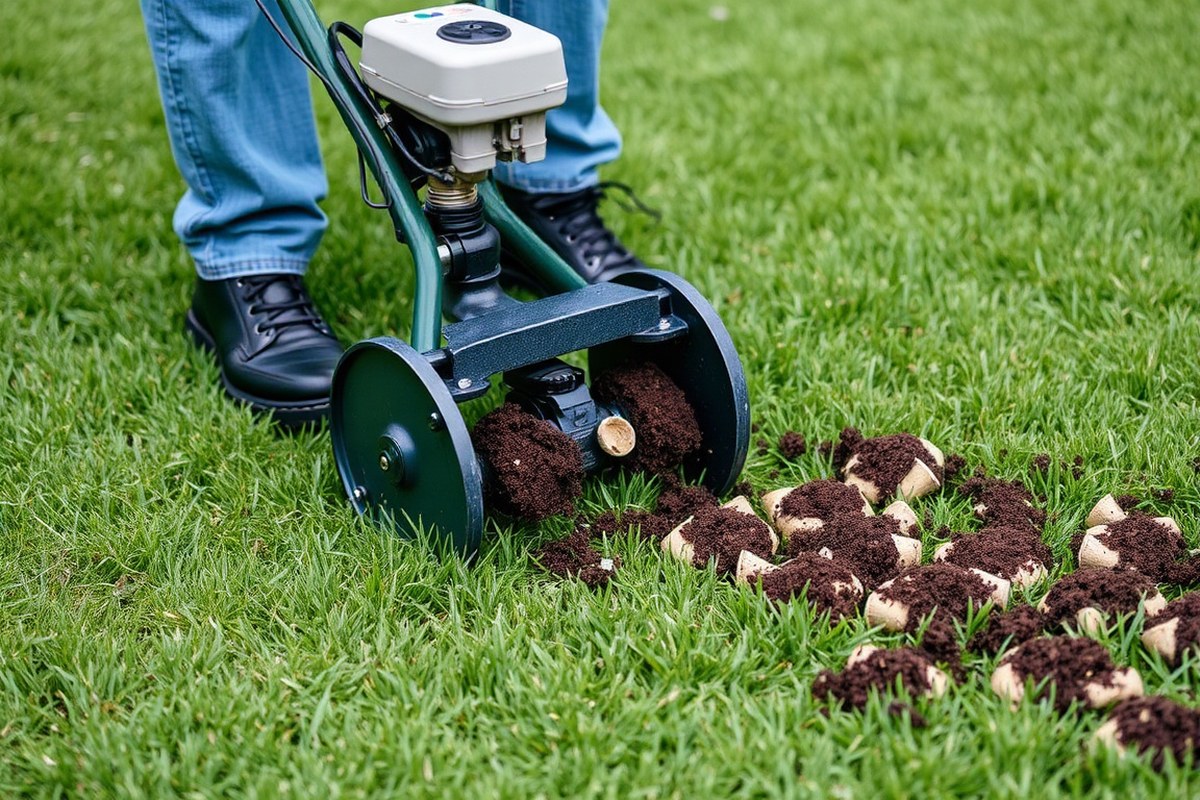
To aerate your lawn effectively, start by choosing the right method. Core aeration works best for most yards. It pulls soil plugs 2 to 3 inches deep.
This helps improve your lawn’s health. This loosens compacted soil better than spike aeration, which just pokes holes without removing soil.
You can aerate by hand or rent mechanical tools. Hand aerators cost less but take longer, especially on large lawns. Power aerators or towing attachments behind a riding mower work faster for bigger areas.
Expect to spend 1 to 3 hours on a 10,000 square foot lawn. The time depends on the tool you choose.
Timing matters. Aerate during your grass’s active growing season, ensuring soil is moist but not soggy. Before aerating, mow your grass and remove any debris.
After aeration, add fertilizer or overseed to boost results. Repeat aeration every 1 to 5 years to avoid compaction build-up.
| Method | How It Works | Depth | Cost Range | Best For |
|---|---|---|---|---|
| Core Aeration | Removes plugs of soil | 2, 3 inches | $100, $200 (10,000 sq ft) | Most lawns, solves compaction |
| Spike Aeration | Pokes holes without soil removal | Less than 2 inches | $85, $150 (10,000 sq ft) | Small lawns, less severe compaction |
| Manual Tools | Handheld core or spike aerators | Varies | Under $50 | Small lawns or spot aeration |
| Powered or Tractor Attachments | Mechanized core aerators | 2, 3 inches | Rental fees $50, $100/day | Large lawns, faster work |
For a smaller or tighter budget, hand tools make sense but expect more effort. Mechanical aerators speed up the job, especially on lawns over 5,000 square feet. Core aeration removes soil plugs to improve air, water, and nutrient flow.
It works better than just poking holes. That builds stronger roots and greener grass over time.
After aerating, look for better soil softness and water penetration. Avoid aerating when soil is dry or frozen.
Your lawn might stay compacted even after aerating. Hiring professional aeration services could be worth the cost.
When Is the Best Time to Aerate Your Lawn?
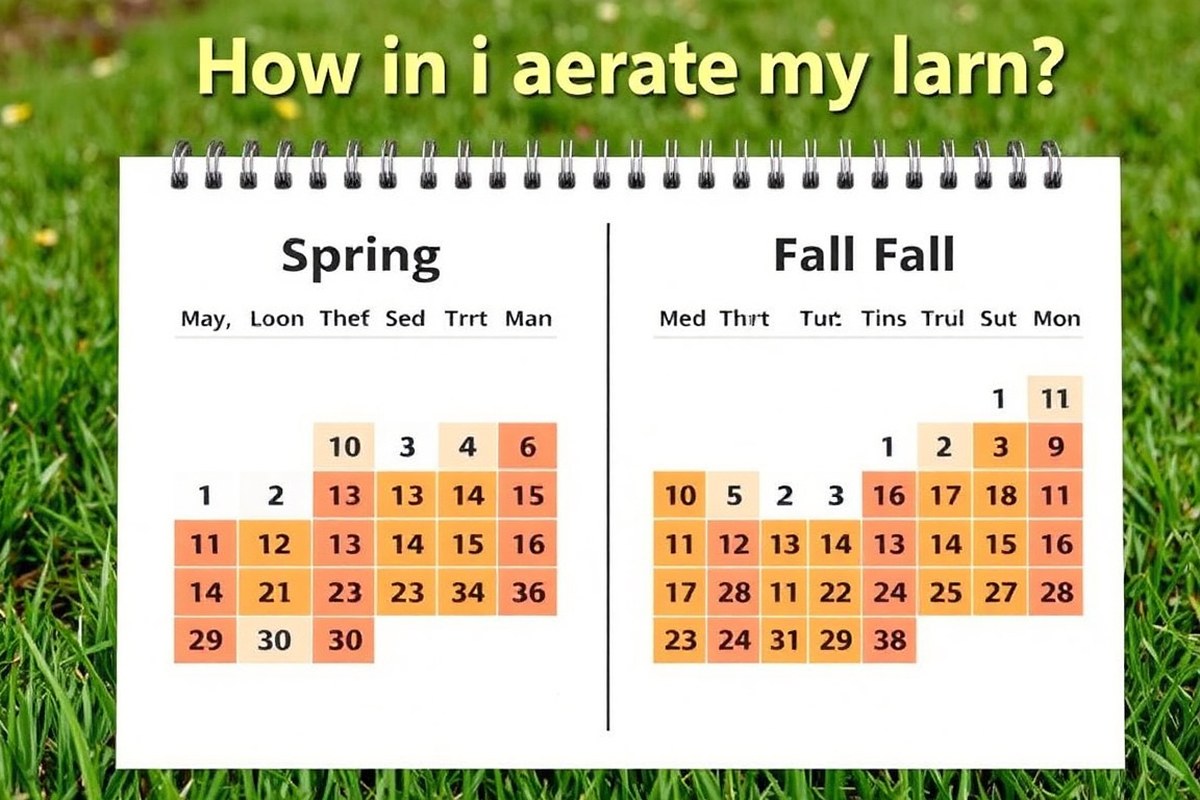
The best time to aerate varies by grass species and local weather. For cool-season grasses such as tall fescue and Kentucky bluegrass, early fall or spring works well. Aerating during fall promotes root growth and faster recovery before winter.
Warm-season grasses like Bermudagrass and Zoysiagrass need aeration in late spring. Early summer also works well to improve soil and root health. Aerating at this time supports active growth.
Aerating during their peak growing season helps the grass heal quickly. Do not aerate warm-season grasses when they are dormant in winter.
The grass won’t recover properly during this time. Wait until the growing season returns for best results.
Avoid aerating your lawn during drought or when the soil is oversaturated from heavy rain. Dry or soggy ground can make aeration less effective and damage your lawn. Water your lawn one day before aerating to soften the soil.
Avoid making the ground muddy or soggy. Soil should be damp but firm for easier aeration.
Don’t aerate if your lawn is dry or waterlogged. The soil needs to be moist but firm for best results.
Timing your aeration right helps your lawn bounce back quickly. Check local guides or your seed packet to identify your grass type. This helps you pick the best time for aeration.
Knowing your grass makes lawn care easier. Aerate your lawn during its active growing season to help fill holes.
This timing lets grass recover and thicken after aeration. Aerating only works well when grass is growing.
How Do I Know If My Lawn Needs Aeration?
Your lawn might need aeration if it looks thin or patchy. Compacted soil stops air, water, and nutrients from reaching roots. This keeps grass from growing evenly and can cause water to pool on the surface.
Check your lawn for these signs:
- Grass thinning or patchy growth
- Hard soil that’s tough to dig with a screwdriver or knife
- Water puddling instead of soaking in
- Discolored grass, especially brown or yellow spots
- Thick layer of thatch on the surface
- Areas where foot traffic is heavy, such as walkways or play spots
Test soil compaction by pushing a screwdriver into your lawn. Push it about 3 to 6 inches deep. Use a metal rod if you don’t have a screwdriver.
Try pushing the rod in with little force. Hard to push means the soil is compacted. Try this in a few spots to see if compaction is widespread.
For example, try to push the screwdriver into your lawn. If it only goes 1 inch deep with effort, the soil is compacted. That means your soil is too hard.
Try pushing the screwdriver in 3 inches. If it goes in easily, your soil is in good shape. This simple test helps guide whether aeration is worth the effort.
Aeration isn’t necessary if your soil feels loose and water soaks in quickly. Avoid aerating during drought or stress periods, as it may harm grass. Also, lawns with sandy soils usually need less frequent aeration than clay soils, which compact faster.
How to Prepare Your Lawn Before Aerating
Before aerating your lawn, mow and water it properly, and mark any underground utilities. These steps help make aeration more effective and protect your property. Preparing right also eases the work and protects equipment.
Mowing Height and Lawn Maintenance
Mow your lawn a day or two before aerating to reduce grass height. Cut the grass to about 2 inches tall. This height lets aeration tools reach the soil.
Aim for no taller than 3 inches. Avoid mowing too short because that can stress your grass.
Mowing first makes pulling soil plugs easier and cleaner. It also prevents grass from getting caught in the aerator. Use sharp mower blades to get a clean cut without tearing the grass blades.
Watering Guidelines Before Aeration
Water your lawn deeply about 1 inch the day before aerating. This means watering enough so moisture reaches 4 to 6 inches below the surface. The soil should be moist but not soggy.
Moist soil lets the aerator penetrate more easily and reduces stress on your equipment and turf. Avoid aerating a wet lawn.
Wet plugs may become clumpy. The tool can also compact soil.
Marking Utility Lines and Avoiding Hazards
Call 811 at least three days before you aerate. Utility companies will come out and mark underground lines for free. This prevents damaging gas, electric, cable, or water lines while aerating.
Check your yard for other hazards like sprinkler heads or buried cables. Mark these areas with flags or paint to avoid damaging them or your aeration tool. Stay safe and avoid costly repairs.
Gathering and Checking Aeration Equipment
Get your aerator ready the day before. Check for sharp tines or blades that can penetrate soil easily. For manual aerators, make sure handles are sturdy and the tool moves smoothly.
Rent a machine early. This gives you a full day to work.
Carry extra gloves, water, and knee pads for comfort and safety. Clean your equipment after use to keep it in good shape.
Follow these steps to prepare your lawn before aerating:
- Mow grass to a height of 2 to 3 inches and clean up clippings.
- Water the lawn with about 1 inch of water a day before aeration.
- Call 811 to have underground utilities marked at least three days in advance.
- Inspect the yard and mark sprinkler heads or other hazards clearly.
- Inspect your aeration tool for sharpness, damage, and clean operation.
- Gather gloves, water, and knee pads for your comfort and safety.
- Pick up rented equipment early. Getting started on time becomes easier.
Step-By-Step Guide to Aerate Your Lawn
Aerating your lawn means making small holes 2 to 3 inches deep. These holes are spaced about 2 to 3 inches apart. This helps air, water, and nutrients reach the roots.
This lets air, water, and nutrients reach the roots well. Follow simple steps to do it right with either a manual or powered aerator.
Setting Depth and Hole Spacing
Set your aerator to dig 2 to 3 inches deep. That depth removes plugs long enough to ease soil compaction. Space holes about 2 to 3 inches apart to cover the lawn evenly without stress.
This spacing ensures enough open soil areas for the grass roots. Plugs should be around 0.5 to 0.75 inches in diameter. Make sure your tool removes plugs rather than just poking holes.
Aerating in Multiple Directions for Coverage
Work the aerator over the lawn in one direction first. Then repeat going at a right angle to fill any gaps. This crisscross pattern avoids spots left compacted.
Moving in two directions creates a grid of holes for better air and water flow. It also helps keep the soil plugs spread evenly. Avoid just one pass; it won’t loosen the soil enough.
Using Manual vs Powered Aerators
Manual aerators need you to push or step on them to dig plugs out. They work best for small yards and tight spaces. Step slowly to make clean plugs about 2 to 3 inches deep.
Powered aerators spin tines automatically to dig and remove plugs in one pass. These machines save time on bigger lawns. However, they cost more to rent.
Rental fees are usually around $50 to $80 per day. Use steady speed and pressure to get plugs out evenly.
The choice depends on your yard size, budget, and strength. Both remove plugs, which helps grass roots grow deeper and stronger.
Leaving Soil Plugs to Decompose
Leave the plugs on the lawn. Let them dry and break down naturally. This process usually takes about 1 to 2 weeks.
These plugs are full of nutrients that feed the lawn as they disappear. Don’t rake them away unless you want a tidy look quickly.
Breaking them up after drying helps the lawn look uniform again. Avoid watering heavily right after aerating; let plugs dry a day before applying water. This keeps the lawn less stressed and speeds recovery.
Allowing Time Between Aeration and Lawn Use
Let your lawn rest for 1 to 2 weeks before heavy foot traffic. The grass needs time to heal from the holes and stress. Walking or mowing too soon can damage new roots and slow recovery.
Within a few weeks, grass fills in the holes as it grows stronger. See fewer visible soil plugs and a healthier lawn. Plan aeration when you can give the lawn quiet time afterward.
- Water the lawn about an inch the day before to soften soil.
- Set aerator for 2 to 3-inch depth and 2 to 3-inch hole spacing.
- Run the aerator in straight lines, covering the entire lawn.
- Go over the same area at a right angle for full coverage.
- Leave soil plugs on the lawn to dry and break down naturally.
- Hold off from heavy use for at least 1 week after aeration.
Choose a core or plug aerator over spike types for better results.
How to Care for Your Lawn After Aeration
Your lawn needs extra care after aeration. This helps you get the most from the holes. Water and fertilize carefully to help growth.
Watering, fertilizing, and overseeding help the soil absorb nutrients and seeds better. Following a clear plan lets your lawn recover fast and grow thick and healthy.
Watering Schedule and Amounts After Aeration
Water your lawn soon after aerating to help the soil settle and start soaking nutrients. Aim to keep the soil moist but not soggy for about two weeks. Overwatering can drown the roots, so balance is key.
Start by watering lightly every day or every other day, around 0.1 to 0.2 inches each time. After two weeks, reduce frequency and water more deeply. This encourages roots to grow deeper and makes your lawn tougher.
- Water the lawn within 24 hours after aerating
- Keep the top 2 inches of soil moist during the first two weeks
- Avoid soaking the lawn, which can cause fungus or runoff
- Switch to watering 2 to 3 times a week after two weeks
- Water early in the morning to reduce evaporation
This watering routine supports new seed germination and nutrient absorption from fertilizers. You’ll notice the lawn feels softer and looks greener as the soil loosens.
Fertilizing and Adding Soil Amendments
After aeration, your lawn absorbs fertilizer much better. Use a light fertilizer balanced for your grass type to avoid burning the new growth. This step feeds the grass and helps repair any bare spots.
You can also add soil amendments like compost or topsoil to the surface. They improve soil structure and add organic matter that keeps the soil healthy over time. Lightly rake these in so they settle into the holes.
- Fertilize within 24 to 48 hours after aeration
- Apply a slow-release, nitrogen-rich fertilizer in recommended amounts
- Use compost or organic matter to improve soil health if needed
- Spread amendments thinly to avoid smothering grass
- Follow label instructions carefully for safe fertilizing
This approach feeds existing grass and new seedlings, boosting growth. Poor fertilizing can cause yellow patches or overgrowth, so less is more right now.
Overseeding Best Practices
You should overseed anytime your lawn looks thin or patchy after aeration. The holes let seeds reach the soil directly, improving germination rates. Use premium grass seed suited for your climate and lawn type.
Scatter seed evenly across the lawn and lightly rake it to cover seeds with soil. Water gently every day to help seeds sprout. This will fill bare spots faster and create a dense lawn.
- Choose seed mix that matches your existing grass
- Seed within 24 hours after aeration for best soil contact
- Spread seed evenly for consistent coverage
- Rake lightly to cover seeds but avoid burying them deeply
- Water daily with light irrigation until seedlings grow strong
Using a seed like Pennington Smart Seed helps ensure hardy grass. Skipping overseeding can leave thin areas that invite weeds and pests.
When to Resume Normal Lawn Care
Wait 3 to 4 days before heavy walking on your lawn. This lets the seed settle properly. Keep traffic light during this time.
You can mow lightly once the new grass reaches 3 inches tall. Use a clean mower blade for best results.
Return to regular mowing heights and schedules after 2 to 3 weeks. This timing lets the grass recover and grow thicker without stress. Continue watering and fertilizing as usual to keep your lawn healthy.
- Avoid heavy foot traffic for 3 to 4 days after aeration and overseeding
- Mow lightly once grass reaches 3 inches
- Use sharp mower blades to avoid pulling young grass
- Resume normal mowing height after 2 to 3 weeks
- Keep up regular watering and feeding routines
Walking or mowing too soon can disturb seeds and damage tender shoots. Correct timing helps your lawn recover faster and look better longer.
Common Problems When Aerating and How to Fix Them
Your aerator might not pull plugs properly if the soil is too hard or dry. Hard soil makes it tough for tines to penetrate fully, leaving incomplete holes. Try moistening your lawn a day before aeration to soften the ground without making it muddy.
Uneven or shallow holes usually happen if you don’t maintain steady speed or pressure. Moving too fast or light means the tines won’t go deep or cover consistently. To fix this, slow your pace and apply enough downward force while walking with the aerator.
It’s normal for your lawn to look rough or patchy right after aeration. Soil plugs on top and exposed roots can make grass seem thin or messy. This temporary look clears up within a couple of weeks as roots get oxygen and water.
Your soil might still feel hard after aeration. Try a walk-behind core aerator next time. Solid plugs pull more soil out and relieve compaction better than spike aerators.
You might need to aerate your lawn more than once a year. Lawns with clay soil or heavy foot traffic especially need this. Getting it done twice can really help.
- Moisten soil lightly the day before aeration
- Walk slowly and apply firm pressure with your aerator
- Choose a core aerator over spike types for dense soil
- Repeat aeration in spring and fall for heavy traffic lawns
- Allow 2-3 weeks for lawn recovery and plug decomposition
- Rake loose plugs or leave them to improve soil naturally
Sometimes aerators compact soil next to holes, causing uneven benefits. Avoid overworking one area or missing spots, which leads to uneven results. Aim for a pattern covering every inch without gaps, ensuring balanced air and water flow.
Equipment quality and sharp tines also affect your results. Dull or damaged tines won’t penetrate well and reduce plug removal. Check your aerator parts before starting your work.
Sharpen or replace dull parts often. This keeps your lawn healthy and makes the job easier.
Should I Hire a Professional or Aerate My Lawn Myself?
Hiring a professional lawn service to aerate your lawn usually costs between $75 and $225. This covers labor and equipment, saving you the hassle of doing it yourself. Professional aeration comes with the advantage of expertise and often faster completion.
DIY aeration requires renting or buying equipment, which can range from $100 to over $300. You’ll need to invest time and effort, especially with larger lawns or heavier soil.
DIY can take several hours. Pros typically finish in an hour or two for the average yard.
| Method | Best For | Cost |
|---|---|---|
| Core Aerator | Heavy compaction, clay soil, large lawns | $100 per day rental |
| Manual Aerator | For lawns smaller than 1,000 sq. Ft., you should treat problem areas only. Focus on the spots that need attention instead of the whole lawn. This saves time and effort on a small space. | $30-$60 to buy |
| Spike Aerator | Mild compaction, sandy soil only | $50-$80 to buy |
| Liquid Aerator | Light maintenance, supplement to mechanical aeration | $20-$40 per bottle |
Buying a core aerator makes sense if you use it yearly. It’s helpful for large lawns or ones that are very compacted. Having your own tool can reduce rental costs over time.
A manual tool fits smaller yards better but takes more effort. Spike aerators cost less but work only for mildly compacted or sandy soil.
Hire a professional for big or very compacted lawns. They can finish the job faster when time is short. Professionals also have the right equipment for tough conditions.
Also consider professionals if you want precise timing and soil condition management. Doing it yourself works well for small lawns or if you like lawn care.
You can also save money by not hiring a service. DIY lets you work on your own schedule.
Use core aeration only when grasses are actively growing to avoid harming your lawn.
Step-by-Step Action Plan for Lawn Aeration
Follow these steps to aerate your lawn and see improvement in grass health and soil drainage.
- One week before aeration: Water your lawn deeply to soften the soil. Soft soil lets the aerator cores penetrate better.
- Day of aeration: Mow your lawn slightly shorter than usual. This gives the aerator easier access to the soil.
- Start aerating: Use the aerator to cover the entire lawn evenly. You should see small soil plugs removed all over.
- Immediately after aeration: Leave the soil plugs on the lawn to break down naturally. This adds nutrients back into the soil.
- Within 24 hours: Apply a balanced fertilizer to boost grass recovery. Watch for greener, thicker grass in the next weeks.
- One week after aeration: Water your lawn deeply and regularly for best results. The roots will absorb moisture better now.
- Two weeks after aeration: Avoid heavy foot traffic on your lawn to prevent compaction. Healthier grass grows back stronger.
Frequently Asked Questions
Can I Use a Garden Fork for Aerating Small Lawn Areas?
A garden fork with two to four tines works well on small areas. It loosens soil easily without special tools but takes extra effort on larger spots.
How Deep Should Aeration Holes Be for Best Results?
Holes should be about 2 to 3 inches deep for effective aeration. This depth helps roots get air and water, improving lawn health soon after.
Can I Aerate My Lawn If It’s Dry or Overwatered?
Avoid aerating if the lawn is too dry or overwatered. Soil that’s too hard or soggy won’t aerate well and could harm grass roots.
Are There Tools That Let Me Aerate by Walking?
Yes, aerator sandals with spikes strap onto your shoes. Walking across the lawn lets the spikes punch holes, making it easier for small areas.
How Often Should I Aerate My Lawn for Best Health?
Aerate your lawn every 1 to 5 years depending on soil and traffic. Soils that compact easily or busy lawns need yearly aeration to stay healthy.
How Long Does It Usually Take to Aerate a Lawn?
Aeration takes about 1 to 3 hours based on lawn size and method. Doing it when grass is growing helps the lawn recover faster.
Before You Go
Aerating your lawn opens up the soil, letting air, water, and nutrients reach the roots. Start by watering your lawn well before aerating this weekend. That first step makes your effort more effective and your grass happier.



One Comment