What Kind of Soil Do Strawberries Like: A Complete Guide with Proven Tips
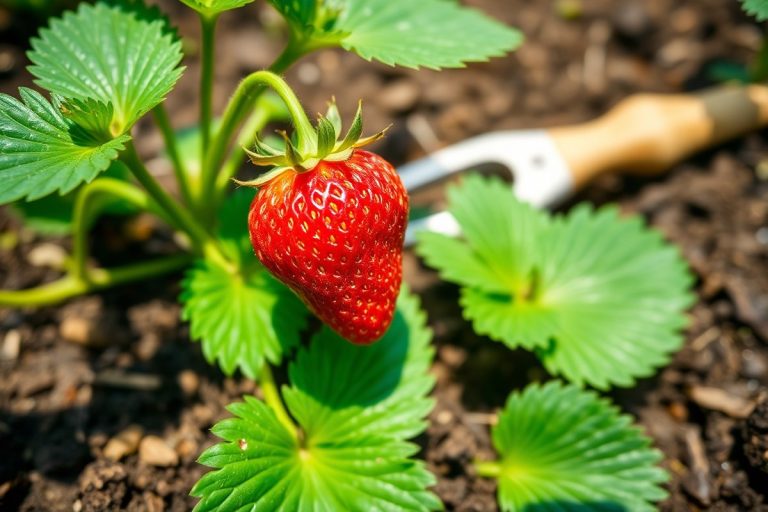
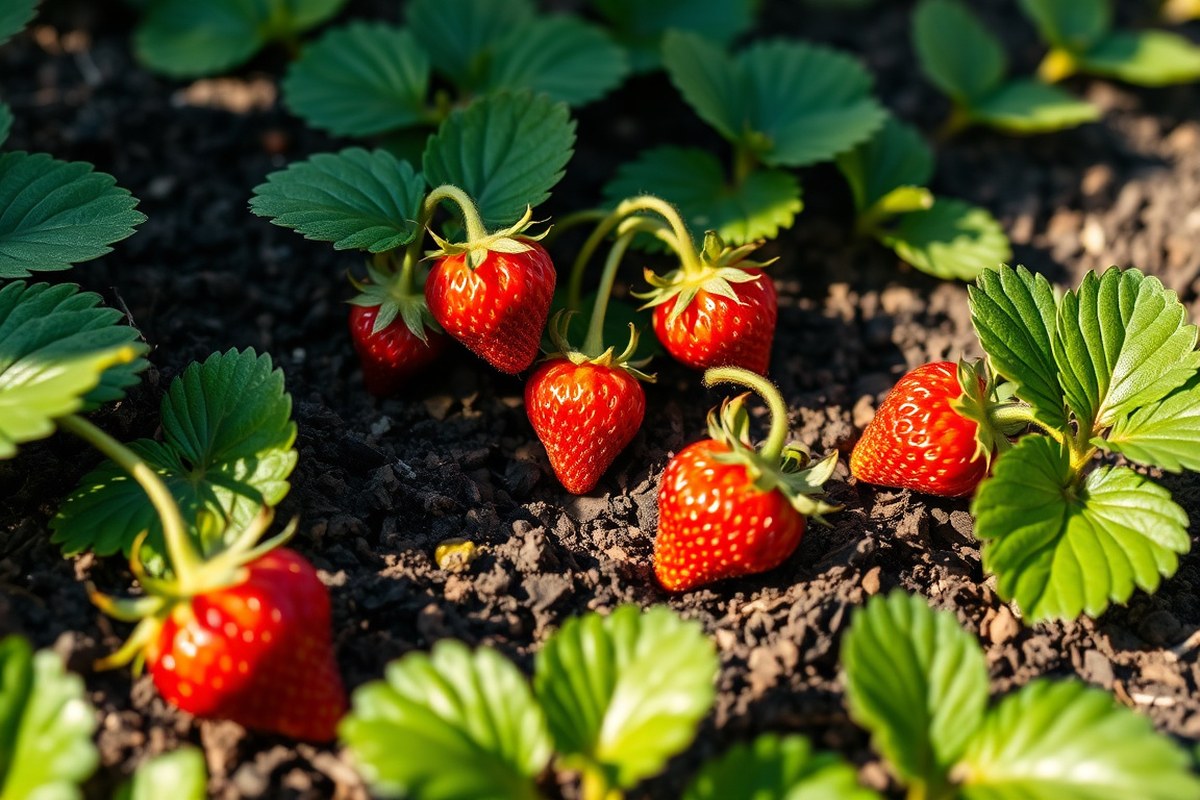
What kind of soil do strawberries like is a common question for gardeners. Strawberries prefer loose, well-draining soil rich in organic matter. They thrive best in soil with a slightly acidic pH between 5.8 and 6.2.
Because strawberries have shallow roots, about 6 to 8 inches deep, the topsoil quality matters most. Add 2 to 3 inches of compost evenly to your soil. This helps feed the roots and makes soil better.
Compost improves soil structure for healthier plants. Avoid clumps of amendments because uneven soil leads to poor root growth.
Loosening garden beds to about 8 to 12 inches deep helps roots spread freely. Use a pot that holds at least 6 inches of soil. Add gravel at the bottom to help with drainage.
This setup keeps roots from sitting in water. Strawberries also need at least 8 hours of direct sunlight daily to grow well.
Key Takeaways
- Choose well-draining soil with 2, 3 inches of compost mixed into the top 6, 8 inches.
- Keep soil pH between 5.8 and 6.2 for best strawberry growth.
- Loosen garden soil 8, 12 inches deep before planting to help shallow roots spread.
- Use a container at least 6 inches deep with 1, 2 inches of gravel for drainage.
- Plant strawberries 18 inches apart in rows 48, 52 inches apart for healthy spacing.
- Pinch off flowers during the first year to encourage runner and bed expansion.
What Type of Soil Do Strawberries Prefer?
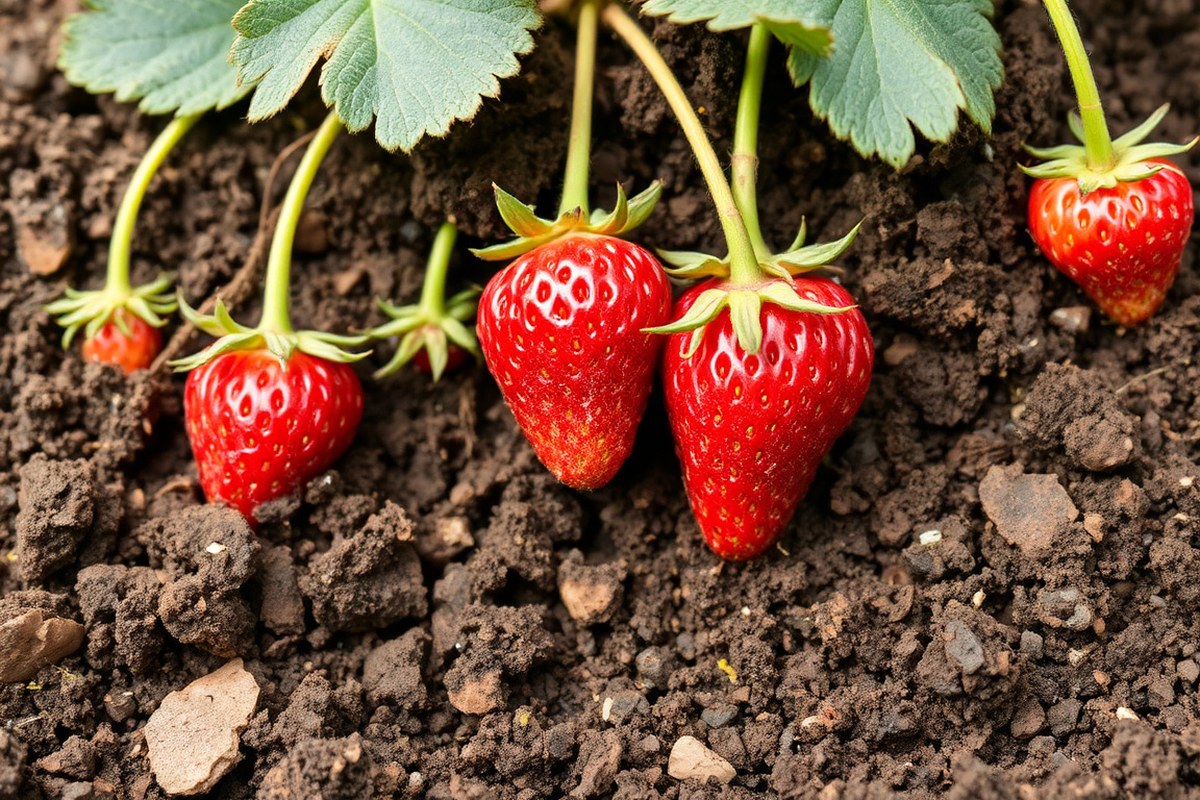
Strawberries thrive best in well-drained, loamy soil with a slightly acidic pH. Aim for a pH between 5.5 and 6.5 to balance nutrient access and reduce disease risk. Soil outside this range can lock up nutrients or encourage harmful pathogens.
The ideal soil texture is sandy loam, which offers good drainage and proper aeration. This type of soil prevents water buildup around roots, which can cause rot and stunt growth.
Heavy clay soils hold too much water. So add organic matter or use raised beds to improve drainage.
Organic matter should make up about 2 to 4 percent of your soil by weight. It feeds your strawberries essential nutrients while improving soil structure and moisture retention. Compost, aged manure, or peat moss are good organic materials you can mix in before planting.
Good drainage helps roots get oxygen and prevents waterlogging, which damages strawberries. You can test drainage by digging a hole and filling it with water.
Water drains within a few hours means your soil drains well enough. Slow drainage means you should add coarse sand or organic matter.
Rich organic soil not only supports nutrient uptake but also keeps the soil loose. Loose soil lets roots grow freely. This leads to healthier plants.
You’ll get bigger fruit too. Avoid compacted soil by walking carefully.
Add organic matter regularly. This keeps soil friable and balanced.
How to Test and Adjust Soil pH for Strawberries
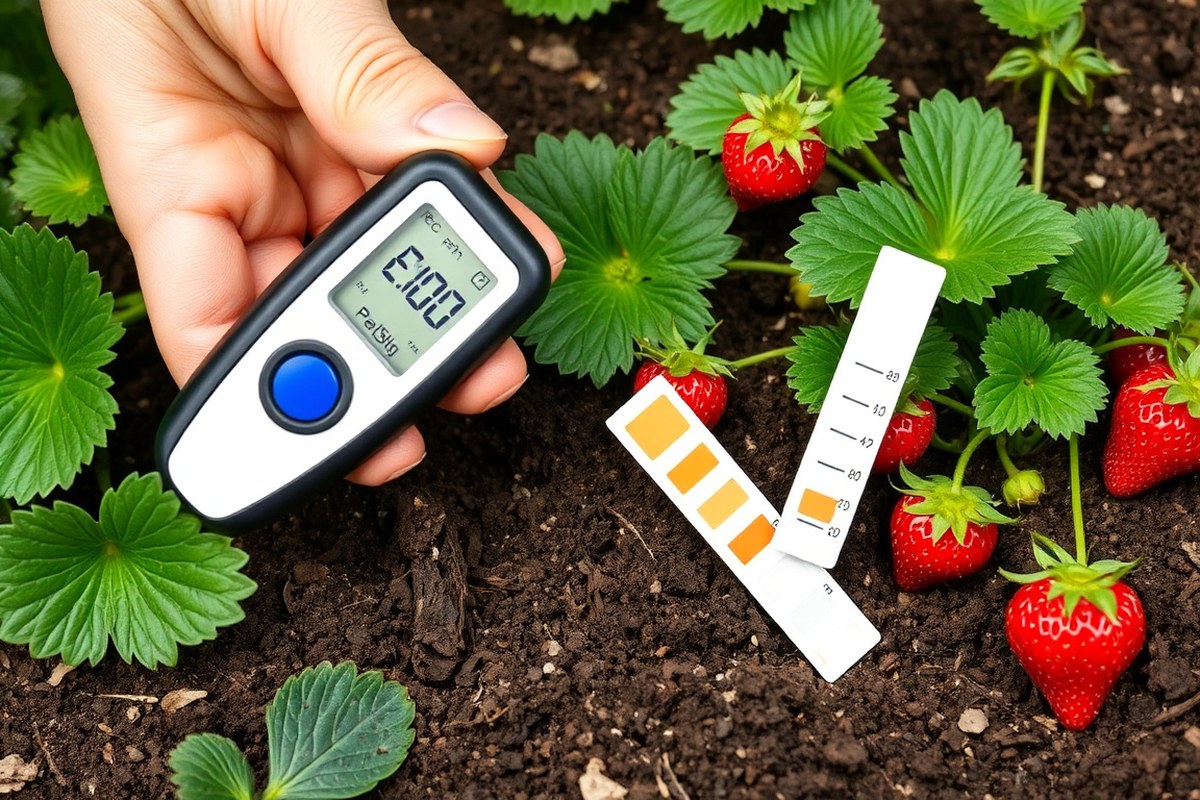
Strawberries prefer soil with a pH between about 5.5 and 6.5. Checking your soil’s pH shows its acidity or alkalinity level. This helps you know if you must change the soil.
You can add materials to adjust the pH for better plant growth. Adjusting soil pH takes a few weeks to months, depending on the method and soil type.
Testing Soil pH: Home Kits and Lab Analysis
You can test soil pH yourself with an inexpensive home test kit. These kits usually include test strips or a liquid that changes color based on pH. Using them gives quick results and costs about $10 to $20.
For more detailed results, send a soil sample to a local cooperative extension or private lab. Lab tests typically cost $15 to $30 and can include nutrient analysis. Labs offer precise pH readings and recommendations tailored for strawberries.
- Collect soil samples from different garden spots, about 4 to 6 inches deep.
- Mix the samples and remove any debris like roots or stones.
- Follow the home test kit instructions or package soil to send to a lab.
- Record the pH readings carefully and note if it’s below 5.5 or above 6.5.
Test soil pH each spring or before planting new strawberries to catch changes early.
Raising Soil Acidity with Sulfur and Organic Mulches
Use elemental sulfur to lower soil pH if it’s above 6.5. This works slowly, needing several weeks or months to take effect. Spread sulfur evenly and water it in for better results.
Adding acidic mulches like pine needles helps lower the soil pH. Ericaceous compost works too and improves soil over time. These mulches make soil more acidic gradually.
These improve soil texture and acidity gently while feeding your plants. Be ready to retest pH each season for adjustments.
- Measure the current soil pH to know how much sulfur you need.
- Apply sulfur at about 1 to 3 pounds per 100 square feet for small pH changes.
- Work sulfur lightly into the top 2, 3 inches of soil.
- Add acidic mulches or organic matter to maintain lower pH naturally.
- Water the area well after applying sulfur to activate it.
- Test soil pH again after 1 to 3 months to check progress.
Adding too much sulfur at once can harm strawberry roots. Go slow and test often.
Using Lime to Raise pH Safely and Effectively
Soil with pH below 5 is very acidic and not good for strawberries. You should raise the pH to keep your plants healthy. Lime can help increase the soil pH.5, spread agricultural lime to make it less acidic.
Dolomitic lime adds magnesium, helpful if your soil lacks it. Lime works gradually, so expect results in a few months.
Incorporate lime into the top 6 inches of soil before planting or during early spring. You can reapply lime every 2 to 3 years depending on soil acidity and rainfall. Keep in mind, too much lime raises pH beyond the ideal range for strawberries.
- Test soil pH to determine how much lime you need.
- Apply 5 to 10 pounds of lime per 100 square feet to mildly acid soil.
- Mix lime into the topsoil 3 to 6 inches deep for best results.
- Water the soil after liming to help it react.
- Retest soil pH 2 to 3 months later to check changes.
- Repeat lime application every 2 to 3 years if soil acidity returns.
Overliming can cause nutrient problems, so keep pH within 5.5 to 6.5 for strawberries.
Choosing Between Garden Bed and Container Soil Mixes
Soil needs differ for garden beds and containers when growing strawberries. Raised beds work best with a mix of garden soil and potting mix. This helps improve drainage and gives nutrients to plants.
Mixing these two makes the soil better for growing. Containers require lighter, well-draining soil mixes based on peat or coir to prevent root rot.
Aim for 8 to 12 inches of soil depth in garden beds. This depth gives roots enough space to grow well. It applies to both garden and raised beds.
Containers should hold at least 10 to 12 inches of soil to support healthy plant growth. Shallower soil can dry out quickly or restrict roots. Deeper soil in beds helps maintain moisture.
Adding perlite, coarse sand, or coconut coir to container mixes improves drainage and airflow. Heavy clay soil in garden beds holds too much water. Adding coarse amendments and compost can stop this waterlogging.
These help the soil drain better and stay healthy. Proper drainage avoids root rot and keeps strawberries productive.
| Product | Best For | Approx. Price |
|---|---|---|
| FoxFarm Ocean Forest Potting Soil | Containers and hanging baskets | $18, 25 (12 qt) |
| Espoma Organic Potting Mix AP16 | All-purpose, raised beds | $16, 22 (16 qt) |
| Miracle-Gro Performance Organics Container Mix | Budget pick, multiple containers | $10, 15 (6 qt) |
| Burpee Premium Organic Potting Mix | Small pots and towers, moisture retention | $12, 18 (9 qt) |
| Pro-Mix Organic Vegetable and Herb Mix | Raised beds, top-dressing | $12, 18 (9 L) |
Commercial potting mixes often work well for strawberries in containers. They’re already balanced for drainage and moisture retention.
However, avoid using potting mix alone in in-ground beds. Mix it with garden soil and compost for nutrients and structure.
You can make clay soil better by building raised beds. Use soil mixes that have coarse amendments and compost. This mix helps plants grow by improving drainage and nutrients.
This setup boosts drainage and root aeration compared to flat garden beds. Planting on a slight slope also helps water drain away.
Soil in raised beds and containers can change pH faster due to their isolation. Test soil pH more often and apply smaller, frequent amendments to keep strawberries happy. This attention helps prevent sudden nutrient problems and improves production.
How to Prepare Soil for Planting Strawberries
Prepare soil by loosening it deeply. Add organic matter. Smooth the surface and check moisture before planting.
Follow clear steps to help roots grow well and avoid clumps or dry spots. Good soil prep sets up healthy, productive strawberry plants.
Loosening Soil to the Appropriate Depth
Strawberries send roots down about 6 inches. You should loosen soil at least that deep to help roots spread easily. Use a garden fork or tiller to break up compacted soil and improve drainage.
Loosen soil deeper than 6 inches if soil is dense. Go up to 8 or 12 inches for heavy clay. Avoid coming close to the surface only, because shallow soil limits root growth and water uptake.
Incorporating Compost and Organic Amendments
Spread 2 to 3 inches of compost or manure on top. Work it into the soil well.
Organic matter improves drainage, water holding, and fertility. Mix amendments evenly through the loosened soil to avoid clumps.
Start preparing soil a month before planting. This timing helps compost blend fully into the soil. It also shifts pH slightly acidic.
That suits strawberries best. Avoid fresh manure, which can burn young plants.
Leveling and Smoothing Soil for Even Planting
After mixing amendments, rake the soil flat and smooth the surface. A level bed lets water soak in evenly.
It stops crowns from sitting in water or drying out. Fill low spots to prevent pooling and check for clumps.
Use a hand rake or a board dragged over the soil. Press down lightly with your hands to settle the soil but avoid compacting it too much. Lightly packed soil supports strong root growth and easy runner spread.
Watering and Testing Soil Moisture Before Planting
Check soil moisture by squeezing a handful. It should feel moist, not soggy or dry.
Water the soil lightly a day or two before planting if it’s dry. Excess water can suffocate roots during early growth.
Soil that stays damp but drains well encourages quick root establishment. Avoid planting in wet soil because it leads to diseases. Moist soil helps new strawberry crowns settle into their new home.
- Use a garden fork or tiller to loosen soil 6 to 8 inches deep.
- Spread 2 to 3 inches of compost or aged manure evenly over soil surface.
- Mix amendments thoroughly into soil to a depth of 6 to 8 inches.
- Level and smooth the soil surface with a rake or board.
- Lightly press soil to settle without compacting it.
- Check soil moisture by squeezing the soil; water if too dry.
- Wait at least a day after watering before planting crowns or runners.
Best Organic Amendments and Fertilizers for Strawberry Soil
Adding organic matter like dry leaves, bark, or well-rotted compost helps your strawberry plants grow strong. This material improves soil structure and provides essential nutrients slowly. Compost helps roots grow healthy in the top 6 to 8 inches.
Strawberry roots spread out there. It encourages strong root development in this zone.
You should fertilize strawberry plants about every six to eight weeks during the growing season. Use a balanced slow-release fertilizer to feed the soil and roots without overwhelming them. A good slow-release fertilizer feeds plants for up to three months.
You won’t need to apply it often. It saves time and effort.
Apply about 20 pounds of 10-10-10 fertilizer per 1,000 square feet. Do this each spring for established beds. This amount works well for strawberries.
For containers, use diluted liquid feed every two to four weeks. It helps growth without too many leaves.
This keeps your plants balanced. Too much nitrogen leads to lots of leaves but fewer berries, so balance is key.
Mix fresh compost into the soil before planting or when refreshing the soil. Adding organic material holds moisture and helps nutrients get to roots. It also supports tiny soil organisms plants need.
This improves soil health. Avoid heavy, wet soils by mixing in coarse materials like sand.
This improves drainage and stops root problems. It keeps soil from staying soggy.
Don’t over-fertilize strawberries; excess nitrogen means more leaves, fewer fruits.
Remove old roots and sterilize soil before planting new strawberries. This prevents diseases in old beds. It keeps your plants healthier.
After solarizing, add fresh compost and a slow-release fertilizer to replenish nutrients. This combined approach helps your plants get off to a healthy start with nutrient-rich soil.
Organic matter is a steady nutrient source that improves strawberry soil over time. Healthy soil aeration and moisture support fibrous roots. These roots take up nutrients more efficiently.
It helps your plants grow better. Well-fed plants produce bigger, juicier berries and stand up better to pests and weather.
Maintaining Soil Health and Moisture for Optimal Strawberry Growth
Strawberries need soil that stays evenly moist without waterlogging. Water consistently, aiming to keep the soil damp but not soggy. Saturated soil will cause root rot, a common problem that kills strawberry plants quickly.
Use mulch to keep moisture steady and block weeds. Organic mulches like straw, pine needles, or shredded bark work well. They help keep water in the soil.
They protect shallow strawberry roots from drying out. They also stop roots from overheating.
Check soil moisture by feeling it daily. Stick a finger 1 to 2 inches into the soil. It should feel moist but not wet.
Water gently until the soil feels damp again when dry. Too wet means ease up on watering to avoid harming roots.
- Water early in the day to let leaves dry and prevent diseases
- Use drip irrigation or soaker hoses to focus water at roots
- Apply 2 to 3 inches of organic mulch around plants after planting
- Remove weeds regularly to reduce water competition
- Test soil moisture with a moisture meter for more accuracy
- Refresh mulch each spring to maintain moisture retention
- Amend soil in fall or early spring with compost or aged manure
Established beds need soil refreshed yearly, often in early spring or fall. Add compost or well-rotted manure to improve moisture hold and nutrients.
This helps strawberries grow healthy roots and boosts fruit size. Avoid heavy watering; give roots time to breathe and avoid compaction.
For containers, soil dries faster than beds. Water strawberries in pots once daily or every other day, depending on weather.
Use a soil mix designed for moisture retention but that drains well. Overwatering container strawberries creates soggy soil conditions quickly, which harms roots.
Fighting Common Soil Problems and Diseases Affecting Strawberries
Phytophthora root rot is a common soil-borne disease that affects strawberries. This fungal pathogen grows well in wet, poorly drained soil. It causes leaves to wilt and turn yellow.
Roots become brown and mushy from this problem. Add sand or build raised beds to improve drainage.
Good drainage stops water from pooling in the soil. This helps prevent root rot from spreading.
Other soil pests include nematodes and fungi that harm roots. These pests cause smaller berries and stunted plant growth. Lack of calcium, magnesium, or micronutrients like iron causes problems.
Leaves turn yellow and fruits do not set well. Test the soil pH and nutrients every spring.
Early checks catch problems, so you can add amendments. Fix issues before symptoms become worse.
Strawberries grow best in slightly acidic soil, pH 5.5 to 6.5. Acidic soil makes nutrients easier for plants to absorb. Neutral or alkaline soils reduce nutrient availability and increase disease risk.
Change your strawberry planting spot every 3 to 4 years. This rotation stops soil pathogens from building up around the roots. This practice reduces diseases like Phytophthora and also refreshes soil nutrients.
Plant strawberries after non-berry crops like leafy greens or beans. This breaks the cycle of pests and diseases.
Watch plants closely for early disease signs like wilting leaves. Quick action helps stop problems from spreading further. Avoid overwatering and keep the soil loose and well-aerated for best root health.
Cost-wise, improving drainage or moving beds can be a one-time effort. Testing and adjusting pH is an affordable yearly job that keeps disease problems low.
When and How to Rotate or Refresh Soil for Strawberries
Rotate strawberry beds every two to three years to avoid diseases. Refresh soil between crops by adding compost and balanced fertilizers. Avoid planting strawberries where tomatoes or potatoes grew before to prevent pathogen buildup.
Signs It’s Time to Rotate or Refresh Soil
Strawberries growing slower or producing fewer berries can signal soil needs attention. Yellowing leaves and stunted growth often point to nutrient depletion or diseases.
Notice soggy soil or poor drainage? That means you should refresh or move your bed.
Soil that hosted tomatoes, potatoes, or peppers last season may harbor pathogens harmful to strawberries. Look for patches where fungal diseases or wilt appeared before. Rotating your planting site helps keep soil healthy and productive.
Preparing New Beds for Rotation
Choose a new spot at least 10 feet from old strawberry beds to reduce disease risk. Avoid land recently used for solanaceous crops like tomatoes or peppers. Clear all debris and till soil to loosen it well before planting.
Mix a 3-inch layer of compost on the soil surface. Work it into the top 6 to 8 inches of soil. This helps improve fertility and drainage.
Apply a balanced fruit and vegetable fertilizer if your soil lacks nutrients. Prepare beds in early spring so amendments settle before growth begins.
Steps to prepare new beds:
- Clear old plant residue and weeds from the new site.
- Till soil to a depth of 6 to 8 inches to loosen it.
- Spread a 3-inch layer of compost evenly across the bed.
- Mix compost thoroughly into the soil using a garden fork.
- Test soil pH and adjust it, aiming for 5.5 to 6.5 for strawberries.
- Apply balanced fruit and vegetable fertilizer according to package instructions.
- Level the bed surface and shape raised rows if desired.
- Water the area lightly to settle the soil before planting.
Refreshing Soil with Compost and Amendments
Add 2 to 3 inches of compost over the soil surface after harvesting strawberries. Mix it gently into the top 4 to 6 inches to boost organic matter. Compost improves drainage and nutrient content, encouraging strong roots.
Apply amendments in fall or early spring to give them time to integrate before plants grow. Avoid late summer lime applications since it can raise pH and reduce winter hardiness. Use natural fertilizers to reduce chemical residues.
Disinfecting Soil to Manage Pathogens Safely
Soil pathogens grow if strawberries stay in one spot too long. This causes wilt and rot. Rotate plants to prevent these problems.
Use crop rotation coupled with soil disinfection methods to reduce risks. Solarization or treating soil with approved fungicides helps kill harmful fungi.
Solarization involves covering moist soil with clear plastic for 4 to 6 weeks in summer. The heat kills many disease agents without chemicals. Fungicides labeled for verticillium wilt control may be used as recommended alongside rotation.
Never plant strawberries where potatoes or tomatoes grew unless soil is deeply refreshed and treated.
Step-by-Step Action Plan to Grow Strawberries in Ideal Soil
Follow these steps to get your soil ready and keep your strawberry plants healthy. Check each step to make sure your soil supports strong growth.
- Before planting: Test your soil pH and adjust it to 5.5, 6.5 using lime or sulfur. You’ll know it worked when the test shows the right range.
- One week before planting: Mix 2 to 3 inches of organic compost into soil. Work it into the top 6 inches. This improves soil for your strawberries. The soil should look dark and crumbly after mixing.
- Planting day: Use raised beds or containers with well-draining soil mix rich in organic matter. Check if water drains quickly without pooling.
- First month: Water consistently to keep soil moist but not soggy. The top inch of soil should feel damp but not wet.
- Six weeks after planting: Apply a balanced organic fertilizer according to label instructions. Look for steady plant growth and healthy leaves.
- Monthly: Remove weeds and mulch around plants using straw or pine needles. Mulch should cover soil evenly to hold moisture and prevent weeds.
- End of season: Test soil for nutrient depletion and signs of disease. Refresh soil by rotating or adding fresh compost as needed.
Frequently Asked Questions
What Kind of Soil Texture Do Strawberries Like Best?
Strawberries like loamy soil that drains well but holds moisture. This texture supports their shallow roots and prevents waterlogging.
How Deep Should Strawberry Soil Be for Healthy Roots?
Strawberry roots mainly occupy the top 6 to 8 inches of soil. Make sure this top layer is loose and rich to promote growth.
Do Strawberries Prefer Acidic or Alkaline Soil?
Strawberries prefer soil that’s a bit acidic, with a pH from 5.5 to 6.8. This pH range supports better nutrient absorption for healthy fruit growth.
Can I Use Sandy Soil for Planting Strawberries?
Sandy soil can work if amended well with organic matter to hold moisture. Pure sand drains too quickly and may dry out roots.
Is Clay Soil Bad for Growing Strawberries?
Clay soil often holds too much water and lacks drainage. Adding compost improves texture and drainage for strawberries.
How Can I Improve Poor Soil for Strawberries?
Add organic matter like compost or aged manure to poor soil. This boosts fertility, drainage, and moisture retention for strawberries.
Final Thoughts
Strawberries thrive in well-drained, slightly acidic soil rich in organic matter. Start by testing your soil pH and improving it with compost. This simple step sets you up for healthy, productive plants.