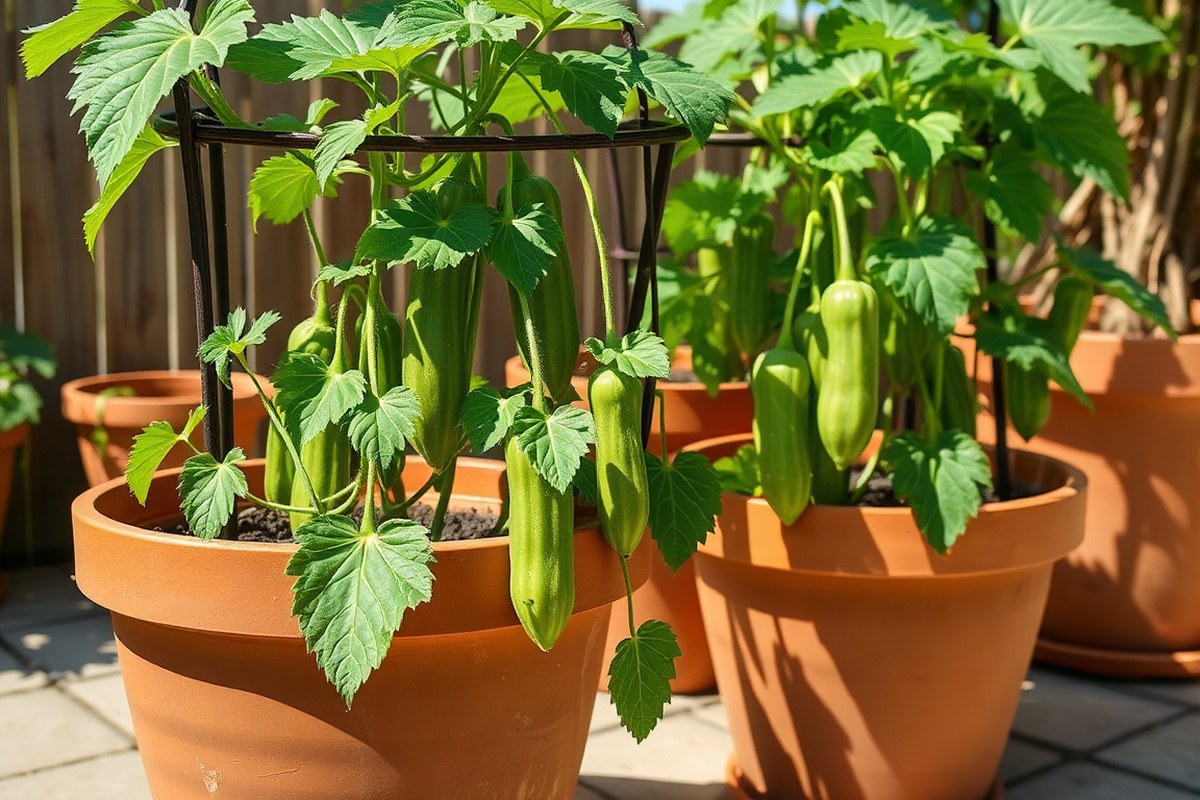
How to Grow Cucumber Plants in Pots: A Complete Guide for Best Results
Learning how to grow cucumber plants in pots is easy with the right approach. Start with healthy seedlings or seeds and choose containers at least 12 inches wide. These pots give roots room to grow and keep plants healthy.
Cucumbers need plenty of sun to thrive. Pick a spot that gets 6 to 8 hours of direct sunlight daily.
Also, wait until nighttime temperatures stay above 50°F before planting outside. This helps seedlings grow strong without cold stress.
Your soil mix matters too. Use a well-draining potting mix that stays moist but not soggy. Keep the soil temperature around 60°F or warmer for best cucumber growth.
Water your cucumber plants consistently to keep soil evenly moist. Overwatering can cause root rot, so check drainage in your pot. Adding a trellis or stakes helps support the vines as they grow tall and heavy with fruit.
Key Takeaways
- Choose pots at least 12 inches in diameter and depth for healthy root growth.
- Plant cucumber seeds or seedlings only after nighttime temps stay above 50°F.
- Cucumbers grow best with 6 to 8 hours of full sun daily.
- Use a light, well-draining potting mix that retains moisture without waterlogging.
- Keep soil temperatures at or above 60°F for best seed germination and growth.
- Space plants carefully; a 20-inch pot can fit up to six cucumber plants.
Choosing the Best Cucumber Varieties for Container Gardening
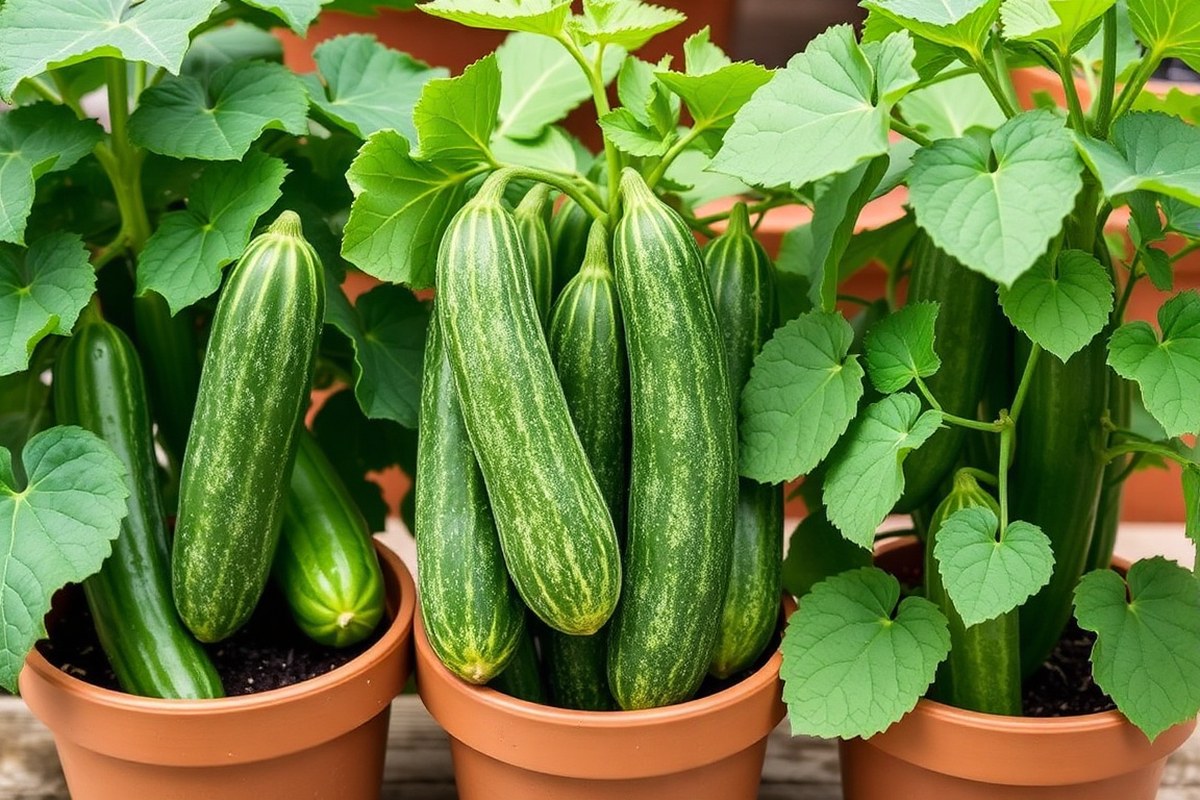
Picking the right cucumber variety makes growing in pots easier and more productive. Bush cucumbers fit containers better since they stay compact and don’t need much support.
Vining cucumbers spread wide and can grow up to eight feet. So they need a trellis and more space.
Early yields matter if you want fresh cucumbers sooner. Many bush cucumber types start producing in 50 to 60 days.
Some vining varieties also begin fruiting in about the same time. Growing these varieties indoors or outdoors works if temperatures stay above 50°F at night.
Here’s a quick look at cucumber varieties good for containers. Each has unique features you can expect.
| Variety Type | Growth Habit | Container Size | Support Needed | Yield Timing |
|---|---|---|---|---|
| Bush (Slicing) | Compact, bushy | 12, 20 inches diameter | None or minimal | 50, 60 days |
| Vining (Slicing) | Long vines, sprawling | 18+ inches diameter | Trellis or stakes | 55, 65 days |
| Pickling (Bush) | Compact, bushy | 12, 20 inches diameter | None or minimal | 50 days |
| Pickling (Vining) | Spreading vines | 18+ inches diameter | Trellis or stakes | 55, 65 days |
For small containers like 12-inch pots, bush varieties suit best since they won’t outgrow the space. Use containers that are 18 inches or bigger to grow vining cucumbers.
Support the plants with a strong trellis for best growth. Larger pots let vines climb up and save room horizontally.
Bush cucumbers take less care since they don’t need constant training or support. You’ll save time and effort if you want a low-maintenance container garden.
Vining cucumbers might produce more fruit than bush types. Make sure you have enough space for the long vines before planting.
Selecting the Ideal Container Size and Material
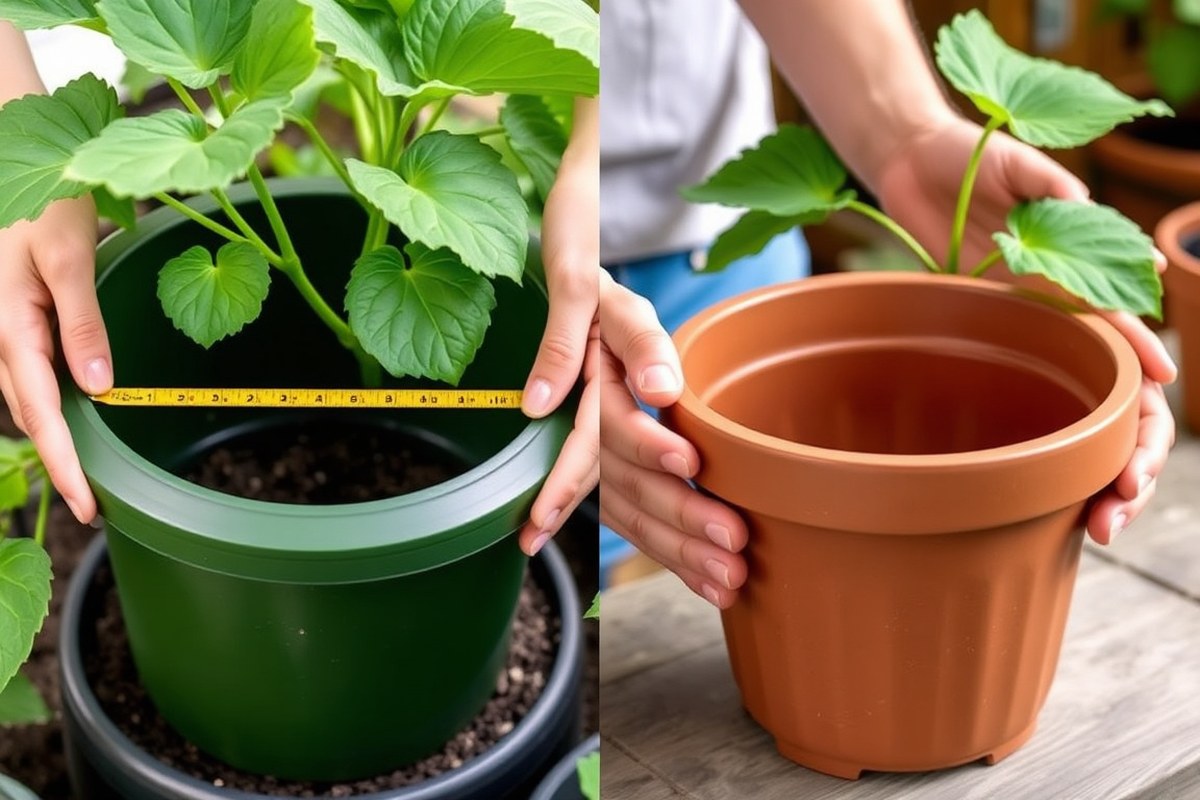
Cucumbers need pots at least 12 inches wide and deep to grow well. This size fits most bush-type varieties and gives roots room to spread.
For two or three smaller plants, a five-gallon bucket works. But anything bigger, like a 10-gallon grow bag, is better for vine types.
Clay, ceramic, or plastic pots are good choices based on moisture needs. Clay and ceramic hold moisture but dry out faster in hot weather.
Plastic pots keep soil moist longer, but they might overheat in the sun. Grow bags offer balance by letting air flow to roots while holding enough moisture.
Drainage is a must. Without it, water can sit at the bottom and cause root rot.
Drill holes or choose pots with built-in drainage. Add a 1-2 inch layer of broken pottery or pebbles to help water escape freely.
- Select a pot at least 12 inches across and deep for one plant.
- Use a 5-gallon bucket for 2 to 3 bush-type cucumbers.
- Choose plastic pots to retain moisture longer in hot climates.
- Consider clay pots for cooler, moist soil but water often.
- Always make sure pots have several drainage holes.
- Add a drainage layer of rocks or pottery shards at the bottom.
- Keep pots in a spot with 6 to 8 hours of direct sunlight daily.
Large pots do more than hold soil; they help maintain steady moisture. They also stop plants from tipping by supporting root systems better. Smaller pots dry out fast and might stunt growth because roots can’t spread.
Check drainage regularly during watering to avoid soggy soil and prevent root diseases.
Preparing the Best Soil and Potting Mix for Cucumbers
Growing cucumbers in pots means giving them soil that drains well and feeds them properly. Use a mix rich in nutrients with good air flow and water retention. The soil should be loose and at least 8 inches deep to support healthy roots.
Base Potting Mix Ingredients
Start with 60% high-quality potting soil. It holds moisture but still drains well, which cucumbers need. Avoid using garden soil alone since it’s too dense for containers.
Add 10% coconut coir to help retain moisture without making the soil soggy. This keeps roots evenly hydrated. Mix in 10% perlite or vermiculite to improve drainage and keep the soil loose.
Adding Compost and Nutrients
Include 20% compost or well-rotted manure. This provides essential nutrients that cucumbers need to grow strong. Compost also boosts beneficial microbes in the soil.
Before filling the pot, spread a one-inch layer of compost at the bottom. This supplies a steady nutrient source as roots grow deeper. You can amend store-bought potting mix by stirring in compost or slow-release fertilizer for better fertility.
Improving Drainage and Aeration
Good drainage prevents roots from sitting in water and rotting. Add perlite or coarse sand if your potting mix feels heavy or dense. Use about 10% of these gritty materials to keep the soil airy.
Add small rocks or twigs at the pot’s bottom before putting soil in. These help water drain away quickly to avoid soggy soil. Use at least 8 inches of loose soil so roots can grow well.
Follow these steps to prepare soil for your container cucumbers:
- Choose a container with drainage holes at the base. The pot must measure at least 16 inches in depth and 12 inches in width. This size helps cucumber plants grow well in pots.
- Place a thin layer of small rocks or twigs at the bottom to aid drainage.
- Mix 60% potting soil with 20% compost in a big container. Add 10% perlite or vermiculite next. Use 10% coconut coir to finish the mix.
- Add amendments evenly if using store-bought potting soil to boost nutrition.
- Fill the pot with your prepared soil mix, leaving an inch or two at the top.
- Lightly fluff the soil to prevent packing it down too tight.
- Make furrows or holes for cucumber seeds or seedlings once the soil is settled.
Planting Cucumber Seeds or Seedlings in Pots
Start cucumber seeds indoors 3 to 4 weeks before the last frost date. Plant seeds about ½ to 1 inch deep. Put 2 to 3 seeds in small pots.
Use small starter pots for better growth. Wait to transplant seeds outdoors until nights stay above 50°F. Check soil temperature. It should be at least 60°F. This helps seedlings grow strong.
Starting Seeds Indoors with Heat and Light
Sow cucumber seeds indoors around late winter using small pots or seed trays. Plant 2 to 3 seeds about ½ inch deep per pot to ensure good germination.
Keep soil moist but not soggy for seed sprouting. Seeds need warm conditions between 70°F and 80°F. Avoid overwatering during germination.
Use a heat mat or place seed trays near a warm window to provide consistent warmth. Give seeds plenty of light every day. Use a sunny window or a grow light.
Keep light for 12 to 16 hours daily. Thin seedlings by cutting weaker ones when leaves appear.
Leave one healthy seedling per pot. This lets the strongest plant grow well.
- Fill 9cm starter pots with seed starting mix.
- Plant two to three seeds evenly spaced, ½ inch deep.
- Water gently to settle soil, keeping it moist.
- Place pots in a warm spot (70°F, 80°F).
- Give seedlings 12, 16 hours of light daily.
- Thin seedlings to one per pot when leaves appear.
- Keep soil moist but not soaked consistently.
Transplanting Seedlings to Final Pots
Wait to move seedlings outdoors until the soil warms to at least 60°F. Night temperatures should stay above 50°F before transplanting your plants. This prevents stress and protects young cucumbers from cold damage.
Use containers at least 12 inches deep to support large roots. Space one seedling per pot only, as cucumbers need plenty of room and nutrients. Gently remove seedlings by their leaves or root ball to avoid damage during transplant.
Direct Sowing into Outdoor Containers
You can sow cucumber seeds directly into outdoor pots once temperatures are right. Plant 2 to 3 seeds about ½ inch deep in pots. After sprouting, thin to the strongest seedling.
This helps avoid crowding. This method works well in summer when soil stays warm and plants grow fast.
Choose a pot that holds enough soil to keep moisture steady since cucumbers need regular watering. Avoid overcrowding by planting only one seedling per pot after thinning. Keep soil moist and watch for seedlings to emerge in 7 to 10 days.
Watering and Fertilizing Potted Cucumbers for Optimal Growth
Cucumber plants in pots need water often, about once a day in hot weather. The soil should stay moist but not soggy to prevent root rot.
Check the top inch of soil daily. Water when it feels dry to the touch.
When your cucumber plants start fruiting, they drink more water. Increase watering frequency to keep pace with their needs, especially in dry, sunny spots. Using self-watering containers or placing mulch on the soil can help keep moisture steady.
Feed cucumbers with a balanced fertilizer every 2 to 3 weeks. This helps replace nutrients lost in the pot. Keep feeding on a regular schedule for healthy growth.
A diluted liquid fertilizer works well, applied at the root zone during watering. Plants in containers like cucumbers need feeding more often.
Nutrients wash out faster than in the ground. Feed them regularly to keep them healthy.
Look for a fertilizer labeled 10-10-10 or 14-14-14 for balanced nutrients. Avoid over-fertilizing, which can cause excessive leaf growth but few fruits. Underfeeding results in pale leaves and small, bitter cucumbers.
Monitor your plants closely to avoid overwatering. Cut back on watering when leaves wilt but soil feels wet. Check soil moisture before watering again.
Overwatering harms cucumber plants in pots. Yellowing leaves or weak growth might mean your cucumbers need more nutrients or water. Adjust your schedule based on weather and pot size.
Water cucumbers early in the morning to reduce evaporation and fungal risks.
Using Trellises and Supports for Container Cucumbers
Most container cucumber vines need a trellis or support. This helps keep vines tidy and saves space. A trellis lets your cucumbers grow up instead of sprawling out.
Choosing the Right Trellis Type
Vining cucumbers produce long stems that reach 6 feet or more. A sturdy trellis or netting keeps these long vines upright. For bush varieties, a tomato cage offers enough support to grow vertically.
You can pick wire trellises. Bamboo stakes with netting also work. Or try ready-made metal or plastic trellis panels.
Pick something tall enough for your vine. Make sure it’s strong.
It should hold your fruit’s weight easily. Compact varieties may not need a big trellis but do better with some support.
Installing and Securing Trellises in Pots
Put your trellis in place when planting or soon after. Early installation helps vines start climbing immediately. Securing the trellis well prevents it from tipping over as plants grow heavier.
Follow these steps to install a trellis in your cucumber pot:
- Select a trellis that fits your container size and plant type.
- Place the trellis firmly into the potting soil without disturbing roots.
- Use garden stakes or ties to stabilize the trellis if needed.
- Check that the trellis extends at least 6 feet above the soil.
- Make sure the trellis structure is secure enough to hold your cucumber vines’ weight.
Training and Tying Up Vines
Start training cucumber vines when they reach about 6 inches tall. Guide the young vines gently toward the trellis, encouraging upward growth. Tie vines loosely with soft garden ties or strips of fabric.
Check vines daily and adjust ties to prevent damage. Avoid wrapping too tight; vines need room to expand. Training them early improves airflow and reduces disease risk while making harvest easier.
Recognizing and Managing Common Problems with Potted Cucumbers
Container cucumbers can face a few common pests that need quick attention. Watch for aphids, cucumber beetles, squash bugs, and slugs. These pests suck plant juices and spread diseases.
They usually hide under leaves or near stems. Use insecticidal soap or neem oil to control them naturally. For severe infestations, a garden-approved insecticide may help, but follow all label instructions carefully.
Fungal diseases like powdery mildew can show up as white powdery spots on leaves. Early signs include yellowing leaves with spots or curling edges. Viral infections often cause mottled leaves and stunted growth.
Remove and discard any infected leaves right away. Good air circulation and avoiding water on leaves reduce disease risk. Fungicides specially made for powdery mildew can protect your plants if needed.
- Check leaves daily for pests or abnormal spots
- Spray neem oil every 7 to 14 days to reduce pests
- Remove damaged or sick leaves quickly to stop spread
- Keep soil evenly moist without overwatering
- Monitor plant growth for signs of nutrient deficiency
Overwatering causes yellowing leaves, wilting, and root rot. Allow the soil surface to dry slightly before watering again. Nutrient issues often appear as pale leaves or poor growth.
Use a balanced fertilizer weekly during the growing season. Adjust watering in hot weather or when plants are mature. Strong, healthy leaves and steady fruit set mean your cucumbers are thriving.
Harvesting Cucumbers Grown in Containers Successfully
Cucumbers are ready to pick when they reach 4 to 13 inches. The size depends on the variety. Check the seed packet for exact length.
You want to harvest early enough to enjoy crisp, flavorful cucumbers before they get bitter. Check your containers every two to three days for new fruits.
This helps keep your plants producing steadily. Picking often improves harvest.
Picking cucumbers the right way keeps your plant healthy and helps it grow more fruit. Avoid twisting or yanking your cucumbers off the vine because this can harm main stems. Use a sharp pair of garden scissors or pruning shears.
Cut cucumbers cleanly just above the stem joint. This prevents damage to the plant.
Harvesting regularly encourages your cucumber plant to keep making more fruit. Don’t wait too long or the fruit may get seedy and taste bitter. By harvesting every few days, plants in 5-gallon containers can give you a bigger yield.
Follow these steps to harvest potted cucumbers without damage. Handle the plant gently and pick cucumbers at peak flavor. This gives the best taste.
- Look for cucumbers between 4 to 13 inches long, firm, and dark green.
- Hold the cucumber gently but firmly near the stem.
- Use sharp scissors or pruning shears to cut the stem about ¼ inch above the cucumber.
- Avoid pulling or twisting; this can break branches or vines.
- Check your plants every 2 to 3 days during harvest season for new fruits.
- Pick all ripe cucumbers promptly to encourage more flowers and fruit set.
- Dispose of any damaged or yellowing cucumbers quickly to reduce disease risk.
Always use clean scissors or shears to prevent spreading plant diseases between cucumbers.
Step-by-Step Action Plan for Growing Cucumbers in Pots
Follow these simple steps to start growing cucumbers in pots today. Each step helps you check that your plants are healthy and thriving.
- Before you start: Choose a cucumber variety suited for containers, like bush types or mini cukes. Confirm the seed packet says container-friendly.
- Day 1: Pick a pot at least 12 inches wide with drainage holes. Fill it with well-draining potting mix and compost. The soil should feel loose and moist, not wet.
- Day 2 to 3: Plant seeds ½ inch deep or transplant seedlings into the pot. Keep soil evenly moist. Seeds should sprout in about 7 days.
- Week 2: Add a small trellis or support so vines can climb. Check that plants are growing upright and leaves look healthy.
- Week 3 and ongoing: Water when the top inch of soil dries. Feed with a balanced fertilizer every 2 weeks. Look for steady vine growth and flowering.
- Week 6: Watch for small cucumbers forming after flowers drop. Harvest when fruits are firm and bright green, about 6 to 8 inches long.
- After harvest: Remove dead leaves and keep watering. This helps the plant produce more cucumbers.
Frequently Asked Questions
How Much Sunlight Do Cucumber Plants Need Daily in Pots?
Cucumber plants need 6 to 8 hours of direct sunlight daily. Lack of enough sun can reduce growth and fruit production.
Can I Reuse Soil in My Cucumber Pots Each Season?
It’s best not to reuse soil because nutrients decline and diseases build up. Fresh potting mix helps your cucumber plants grow better.
What Temperature Is Ideal Before Planting Cucumbers Outdoors?
Plant cucumbers outside when nighttime temps stay above 50°F, ideally above 70°F. Cooler temps can stunt young plants or cause poor fruit development.
How Deep Should I Plant Cucumber Seedlings in Containers?
Plant seedlings at the same depth they grew in their starter pots. This avoids stem rot and helps roots establish well.
When Should I Pinch Cucumber Vines to Promote Growth?
Pinch side shoots after the plant has six leaves to boost main vine growth. This helps your plant focus energy on producing fruit.
How Often Should I Rotate Cucumber Pots for Even Sunlight?
Rotate pots every few days to ensure even sun exposure for all leaves. This prevents uneven growth and helps plants stay healthy.
Before You Go
Growing cucumbers in pots is simple with the right steps. Choose good seeds, use proper soil, and support your vines. Start by picking a pot and getting your seeds ready today.


One Comment